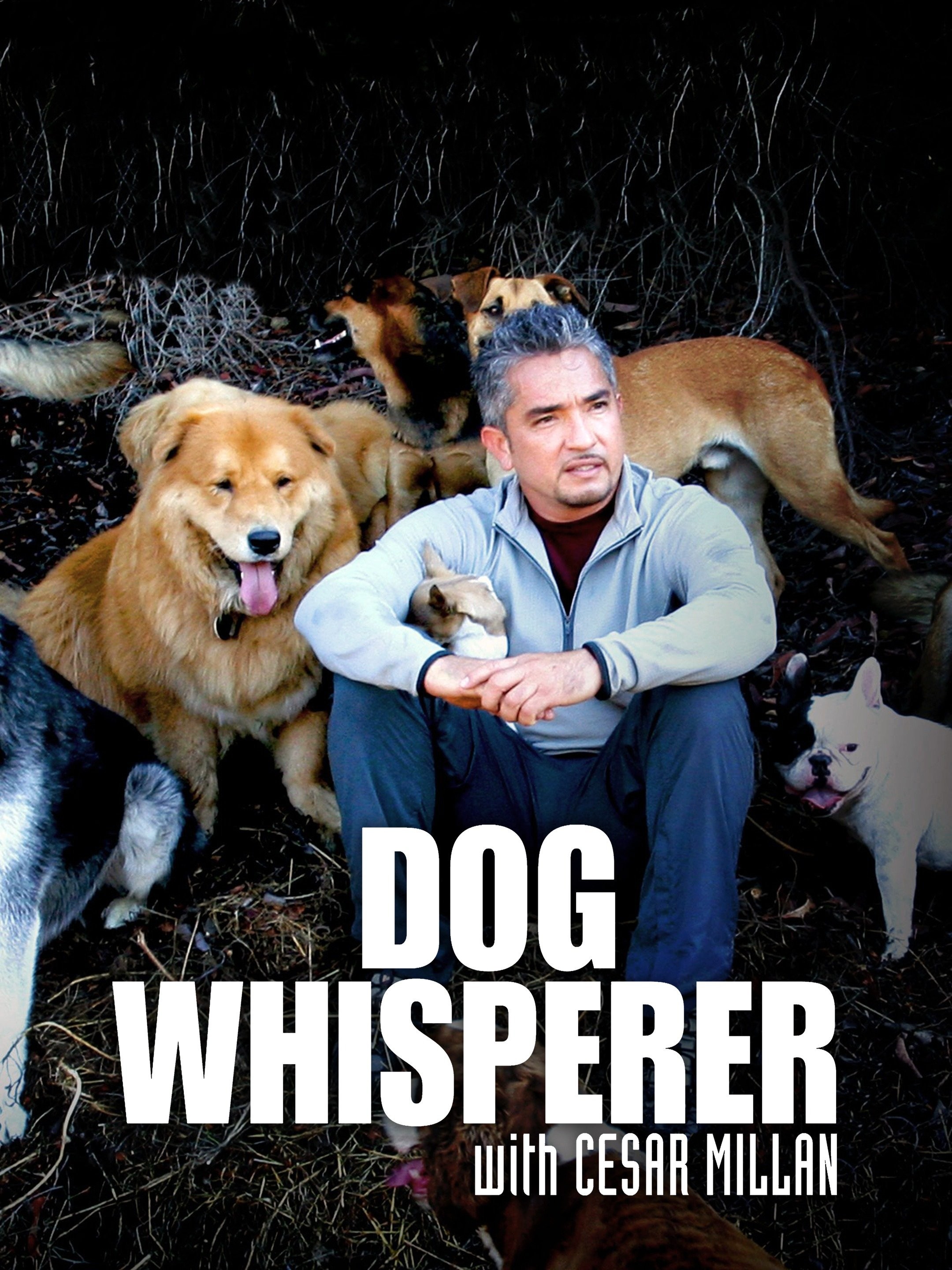
The term "dog whisperer" broadly describes a charismatic animal trainer or behaviorist who achieves rapid, dramatic results through intuitive communication, energy management, and physical or psychological intervention. While made famous globally by media personalities like television host Cesar Millan, the underlying concepts reflect a blend of historical pack-hierarchy theories and modern, scientifically grounded positive reinforcement methods.
Origins and Evolution of the Dog Whisperer Concept
The archetype of the dog whisperer did not emerge overnight; it is rooted in decades of livestock handling, military working dog training, and behavioral psychology. Historically, individuals who could seemingly control difficult or aggressive dogs without standard mechanical tools or excessive treats were viewed as possessing an innate, almost mystical gift. Over time, as mass media expanded, this archetype transitioned from local trainers to internationally recognized television and literary personalities.
The Influence of Media and Popular Culture
Television programs like Dog Whisperer with Cesar Millan, which premiered on the National Geographic Channel in 2004, propelled the phrase into the global lexicon. Millan's methodology focused heavily on concepts such as "calm-assertive energy," pack leadership, and correcting undesirable behaviors through timing, body language, and touch. Viewers captivated by the rapid transformations witnessed on screen sought out similar intuitive approaches for their own pets, transforming a colloquial label into a widely recognized cultural and commercial brand.
Shift from Folk Wisdom to Behavioral Science
As ethology—the scientific study of animal behavior—advanced, the academic and professional veterinary communities began analyzing the claims and techniques associated with traditional dog whisperers. While early training models frequently relied on dominance theory and aversive corrections (often extrapolated from captive wolf studies that were later debunked), modern behavioral science emphasizes understanding canine emotional states, stress signals, and operant/classical conditioning. Today, the role of a professional behaviorist requires formal education in animal cognition rather than relying purely on intuitive dominance.
Core Principles Associated with Traditional Dog Whisperer Methods
Traditional dog whisperer frameworks often rely on several foundational philosophies regarding how dogs perceive the world and interact with humans. Understanding these principles helps clarify why certain techniques gained widespread popularity, as well as why they became subjects of professional debate.
Pack Theory and Hierarchy
A cornerstone of traditional alpha-based training is the belief that domestic dogs view human families as a social pack requiring a strict linear hierarchy. Proponents of this view argue that behavioral problems—such as resource guarding, leash pulling, or jumping—stem from a dog attempting to achieve dominant status over its owners. Consequently, the human's objective is to establish themselves as the "pack leader" through posture, spatial management, and priority access to resources like food and doorways.
Energy and Non-Verbal Communication
Proponents of intuitive training emphasize that dogs communicate primarily through energy, posture, and micro-movements rather than human language. A skilled handler is said to project calm confidence that instantly alters the dog's internal state. This approach minimizes emotional human reactions, such as coddling or frustration, which traditional trainers argue inadvertently reinforce anxious or aggressive behavior.
Timing and Tactile Corrections
Interventions in this style often incorporate physical touch—such as a sharp nudge, a leash correction, or a specific sound—applied precisely at the onset of an unwanted behavioral sequence. The philosophy maintains that quick, non-abusive interruptions prevent the behavior from escalating, mirroring how an adult dog might correct an unruly puppy within a natural canine social structure.
Scientific Critique and Modern Consensus
While the visual appeal of instant behavioral modification made traditional dog whispering popular, modern applied animal behaviorists and veterinary behaviorists have raised significant concerns regarding the long-term efficacy and welfare implications of these methods.
The Flaws of Dominance Theory in Domestic Dogs
Decades of canine research have demonstrated that domestic dogs (Canis lupus familiaris) do not form strict dominance hierarchies within human households in the manner once theorized. Dogs view humans as interspecies caregivers rather than pack rivals. Consequently, applying confrontational hierarchy-based techniques to correct fear- or anxiety-driven behaviors can inadvertently increase cortisol levels, elevate distress, and heighten the risk of defensive aggression.
The Rise of LIMA and Positive Reinforcement
Contemporary professional standards, endorsed by organizations such as the International Association of Animal Behavior Consultants (IAABC) and the Fear Free initiative, operate under the principle of LIMA: Least Intrusive, Minimally Aversive. Modern trainers prioritize positive reinforcement—rewarding desired behaviors with food, play, or praise—while systematically desensitizing dogs to triggers. This evidence-based approach builds trust and long-term emotional stability without relying on intimidation.
| Training Approach | Core Philosophy | Primary Tools | Common Risk Factors |
|---|---|---|---|
| Traditional / Dominance-Based | Pack hierarchy, leader-follower dynamic, energy management. | Slip leads, prong collars, physical corrections, touch. | Potential increase in fear, stress, and defensive biting if misapplied. |
| Modern / Science-Based (LIMA) | Operant conditioning, classical conditioning, emotional regulation. | Food rewards, clickers, target sticks, management protocols. | Requires high consistency; slower visible results for severe aggression without management. |
How to Evaluate Modern Dog Trainers and Behaviorists
For pet owners seeking professional assistance for behavioral challenges, navigating the landscape between self-styled "whisperers" and certified professionals requires careful evaluation of credentials, methodology, and ethical standards.
Credentials to Look For
Anyone can call themselves a dog trainer or behaviorist, as the title is largely unregulated in many jurisdictions. To ensure safe and humane treatment, owners should verify formal certifications and educational backgrounds:
- Certified Applied Animal Behaviorist (CAAB or ACAAB): Holds advanced degrees (Master's or Ph.D.) in animal behavior or related biological sciences.
- Board Certified Veterinary Behaviorist (Diplomate ACVB): A licensed veterinarian who has completed specialized residency training in animal behavior.
- Certified Professional Dog Trainer (CPDT-KA or CPDT-DSA): Demonstrates verified hours of experience and passes standardized examinations focusing on learning theory and humane training practices.
Red Flags in Professional Training
When interviewing potential trainers, certain practices and philosophies should serve as immediate warnings:
- Guarantees of instant results or 100% success rates.
- Refusal to let owners observe training sessions or insistence on taking the dog away for "board and train" boot camps without transparency.
- Heavy reliance on harsh physical punishments, shock collars, or choke chains as a first resort rather than a last-resort safety measure.
- Failure to address underlying medical, genetic, or environmental causes of behavioral issues.
Frequently Asked Questions
What is a dog whisperer?
A dog whisperer is a colloquial term for a trainer who appears to communicate with and control dogs intuitively. While popularized by television personalities, the term spans both traditional, dominance-based handlers and modern, scientifically trained behaviorists.
Are the methods shown on TV shows safe for all dogs?
Not necessarily. Many televised techniques rely on confrontational corrections that can escalate fear, anxiety, and aggression in sensitive or traumatized dogs. Veterinary behaviorists recommend consulting evidence-based, positive-reinforcement professionals for complex behavioral issues.
How do modern behaviorists fix aggression without dominance?
Modern behaviorists use behavior modification techniques such as systematic desensitization and counter-conditioning. By changing how the dog emotionally feels about a trigger, professionals alter the behavioral output safely and humanely without physical confrontation.
What is the difference between a dog trainer and a veterinary behaviorist?
A dog trainer teaches obedience, manners, and basic behavioral skills. A veterinary behaviorist is a licensed veterinarian with specialized medical training in brain chemistry, pharmacology, and clinical pathology related to severe mental health and behavioral disorders in animals.
How can I find a humane dog trainer near me?
Look for professionals certified by reputable organizations such as the Certification Council for Professional Dog Trainers (CCPDT) or the International Association of Animal Behavior Consultants (IAABC) who explicitly state they follow LIMA and humane training guidelines.
Conclusion and Next Actions
The cultural fascination with the dog whisperer highlights our deep desire to understand and harmonize with canine companions. However, modern pet ownership requires looking beyond charismatic media presentations and adopting scientifically validated, humane training practices. If your dog is exhibiting severe behavioral issues such as persistent aggression, intense separation anxiety, or extreme fear, your first step should be scheduling an examination with your veterinarian to rule out underlying medical pain, followed by a consultation with a certified, positive-reinforcement behaviorist.