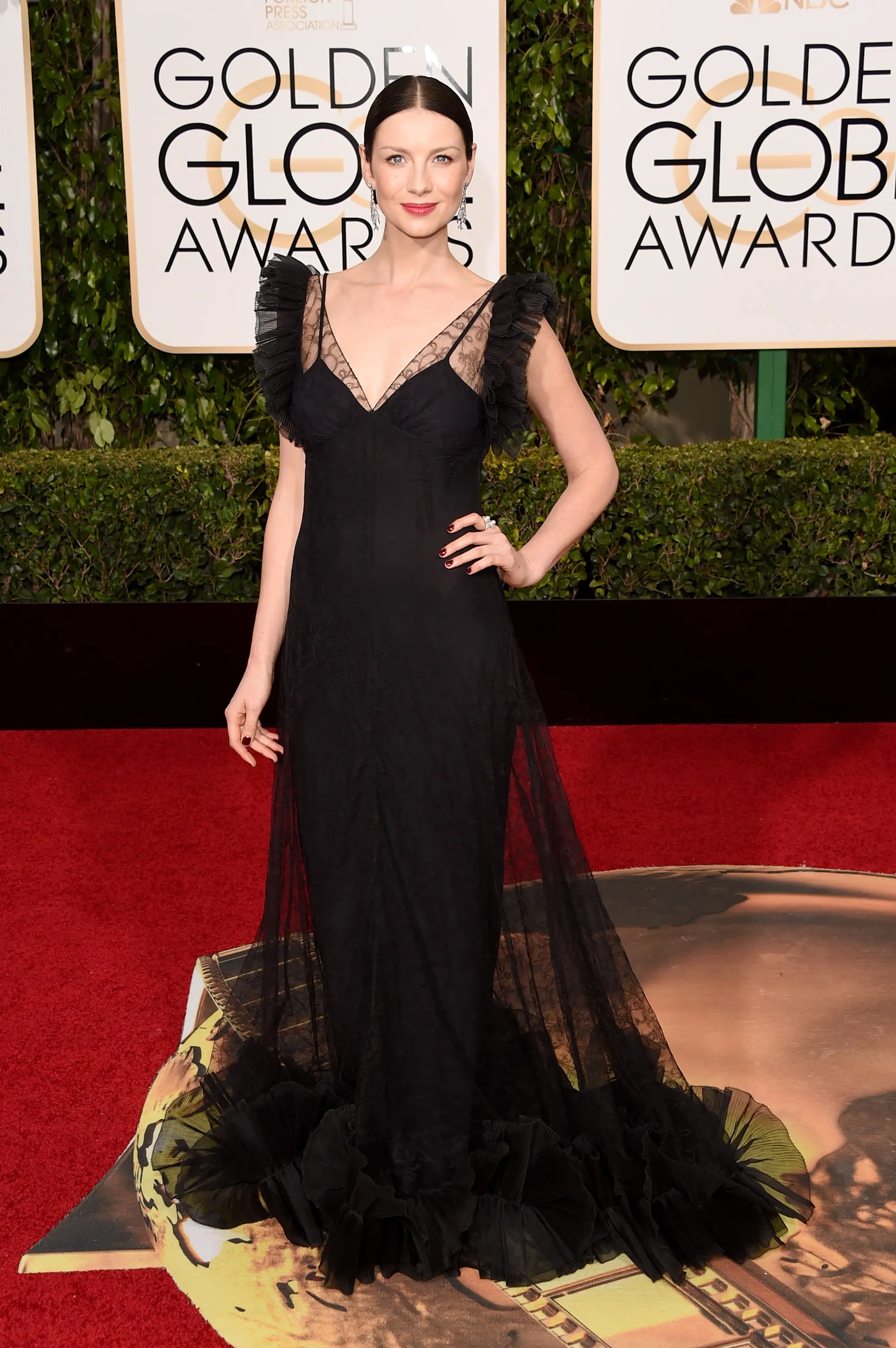
The 73rd Golden Globe Awards honored the best in film and American television of 2015. Held on January 10, 2016, at the Beverly Hilton in Beverly Hills, California, the ceremony was produced by Dick Clark Productions in association with the Hollywood Foreign Press Association (HFPA) and broadcast live on NBC. Hosted by comedian Ricky Gervais, the event highlighted significant shifts in cinematic narratives and the rise of prestige television.
Historical Context and Significance
The Golden Globe Awards serve as a major precursor to the Academy Awards, often signaling the direction of the film industry’s professional preferences. By the time of the 73rd iteration in 2016, the HFPA had established a distinct identity for the ceremony: a more relaxed, dinner-party atmosphere compared to the formal rigidity of the Oscars.
The 73rd ceremony was particularly notable for its recognition of diverse storytelling and its emphasis on emerging digital platforms. While traditional film studios continued to dominate the major categories, the presence of streaming services began to exert influence, a trend that would accelerate in the following decade. The ceremony remained a vital barometer for critics and audiences alike, summarizing the year's cultural zeitgeist before the final push for the Academy Awards.
Key Winners in Film
The cinematic landscape of 2015 was defined by a blend of gritty realism, biographical depth, and technical innovation. The 73rd Golden Globe Awards saw several films emerge as critical darlings, setting the stage for their subsequent success.
- Best Motion Picture – Drama: The Revenant. This film, directed by Alejandro G. Iñárritu, showcased the limits of human endurance and technical filmmaking. Its win solidified the film's standing as a major contender for the remainder of the awards season.
- Best Motion Picture – Musical or Comedy: The Martian. Directed by Ridley Scott, this film blurred the lines between sci-fi survival and comedic levity, demonstrating the HFPA’s preference for films that balance genre expectations with broad appeal.
- Best Director: Alejandro G. Iñárritu for The Revenant.
- Best Actor in a Motion Picture – Drama: Leonardo DiCaprio for his performance in The Revenant.
- Best Actress in a Motion Picture – Drama: Brie Larson for Room. Her performance was widely celebrated for its emotional intensity and psychological nuance.
- Best Actor in a Motion Picture – Musical or Comedy: Matt Damon for The Martian.
- Best Actress in a Motion Picture – Musical or Comedy: Jennifer Lawrence for Joy.
Television Milestones
By 2016, the "Golden Age of Television" was in full swing, and the 73rd Golden Globe Awards leaned heavily into this movement. The awards reflected an industry in transition, where cable networks like HBO and Showtime were being increasingly challenged by emerging players.
The television categories during the 73rd ceremony were highly competitive, acknowledging both established classics and breakthrough series. The shift in viewing habits meant that shows recognized here often saw an immediate surge in viewership and critical discourse.
| Category | Winner | Production/Network |
|---|---|---|
| Best TV Series – Drama | Mr. Robot | USA Network |
| Best TV Series – Musical or Comedy | Mozart in the Jungle | Amazon Prime Video |
| Best Miniseries or TV Film | Wolf Hall | BBC/PBS |
| Best Actor in a TV Drama | Jon Hamm | Mad Men |
| Best Actress in a TV Drama | Taraji P. Henson | Empire |
| Best Actor in a TV Musical/Comedy | Gael García Bernal | Mozart in the Jungle |
| Best Actress in a TV Musical/Comedy | Rachel Bloom | Crazy Ex-Girlfriend |
The Role of the Hollywood Foreign Press Association (HFPA)
The integrity and methodology of the HFPA were central topics of conversation during the 73rd Golden Globe Awards cycle. As an organization comprising international journalists based in Southern California, the HFPA wields significant influence through its voting body.
During this period, the voting process relied on the collective expertise of HFPA members who specialized in covering the American film and television industry for foreign publications. This international perspective is often credited with the Golden Globes' tendency to occasionally favor films or performances that might otherwise be overlooked by domestic-only voting bodies. However, this same structure has historically invited scrutiny regarding the size of the voting group and the transparency of their deliberations. Understanding this organizational background is essential for interpreting why certain films—like the unconventional The Martian—found favor in the comedy category, as the HFPA’s classifications often depend on their specific internal guidelines for genre separation.
Production and Ceremony Details
The production of the 73rd Golden Globe Awards was executed by Dick Clark Productions, an entity known for high-energy, viewer-centric broadcasts. Ricky Gervais, returning as host for the fourth time, brought a brand of acerbic, unpredictable humor that became a signature for the 73rd broadcast.
The technical production of the night required meticulous coordination between the Beverly Hilton’s International Ballroom and the live broadcast team at NBC. The event is one of the few televised awards ceremonies that integrates a full dinner and bar service, which contributes to the perceived "loose" atmosphere that audiences enjoy. From a technical standpoint, managing the sound, lighting, and stage flow for a room filled with seated talent requires a different logistical approach than a traditional proscenium stage.
Impact on the 2016 Awards Season
The outcomes of the 73rd Golden Globe Awards acted as a de facto roadmap for the following months. Films that secured major wins often received increased marketing spend and greater visibility among Academy voters.
For many performers, winning a Golden Globe provides a significant platform to reach a wider audience. In 2016, this was evident in the surge of interest surrounding smaller projects that managed to break through, such as Room. The awards served as a catalyst, converting critical acclaim into tangible industry momentum. This "halo effect" is a documented phenomenon in Hollywood, where the visibility gained during the Golden Globes broadcast translates directly into higher box office performance and enhanced legacy for the award-winning titles.
Frequently Asked Questions
Who hosted the 73rd Golden Globe Awards? Ricky Gervais hosted the ceremony. His return was highly anticipated due to his past performances as host, which were characterized by provocative monologues and irreverent commentary directed at the film industry elite.
Which film won the most awards at the 73rd ceremony? The Revenant led the night in the film categories, winning three awards: Best Motion Picture – Drama, Best Director for Alejandro G. Iñárritu, and Best Actor in a Motion Picture – Drama for Leonardo DiCaprio.
How are Golden Globe categories determined? The HFPA categorizes films based on their narrative tone, though these classifications are often subject to intense debate. The organization’s committee makes the final decision on whether a film fits into "Drama" or "Musical or Comedy," which can sometimes lead to unexpected category placement for hybrid films.
Did streaming services win any awards during the 73rd ceremony? Yes, Mozart in the Jungle, a series produced for Amazon Prime Video, won for Best TV Series – Musical or Comedy and Best Actor in a TV Musical/Comedy for Gael García Bernal. This was a landmark moment for streaming platforms competing against traditional cable and network television.
Where is the ceremony held? The Golden Globe Awards have historically been held at the Beverly Hilton hotel in Beverly Hills, California. This venue provides the ballroom space necessary to accommodate the unique table-seating arrangement that separates the Golden Globes from other awards shows.
Next Steps for Research and Further Learning
To gain a deeper understanding of how the 73rd Golden Globe Awards influenced cinema history, one should compare the list of winners against the subsequent Oscar nominations and winners of 2016. Analyzing the specific performances of winners like Brie Larson and Leonardo DiCaprio reveals how the "campaign season" in Hollywood is managed by studios to align HFPA successes with Academy voter preferences. For students of media studies, the 73rd ceremony remains a primary case study in the evolving relationship between traditional awards shows and the rise of digital-first content platforms.