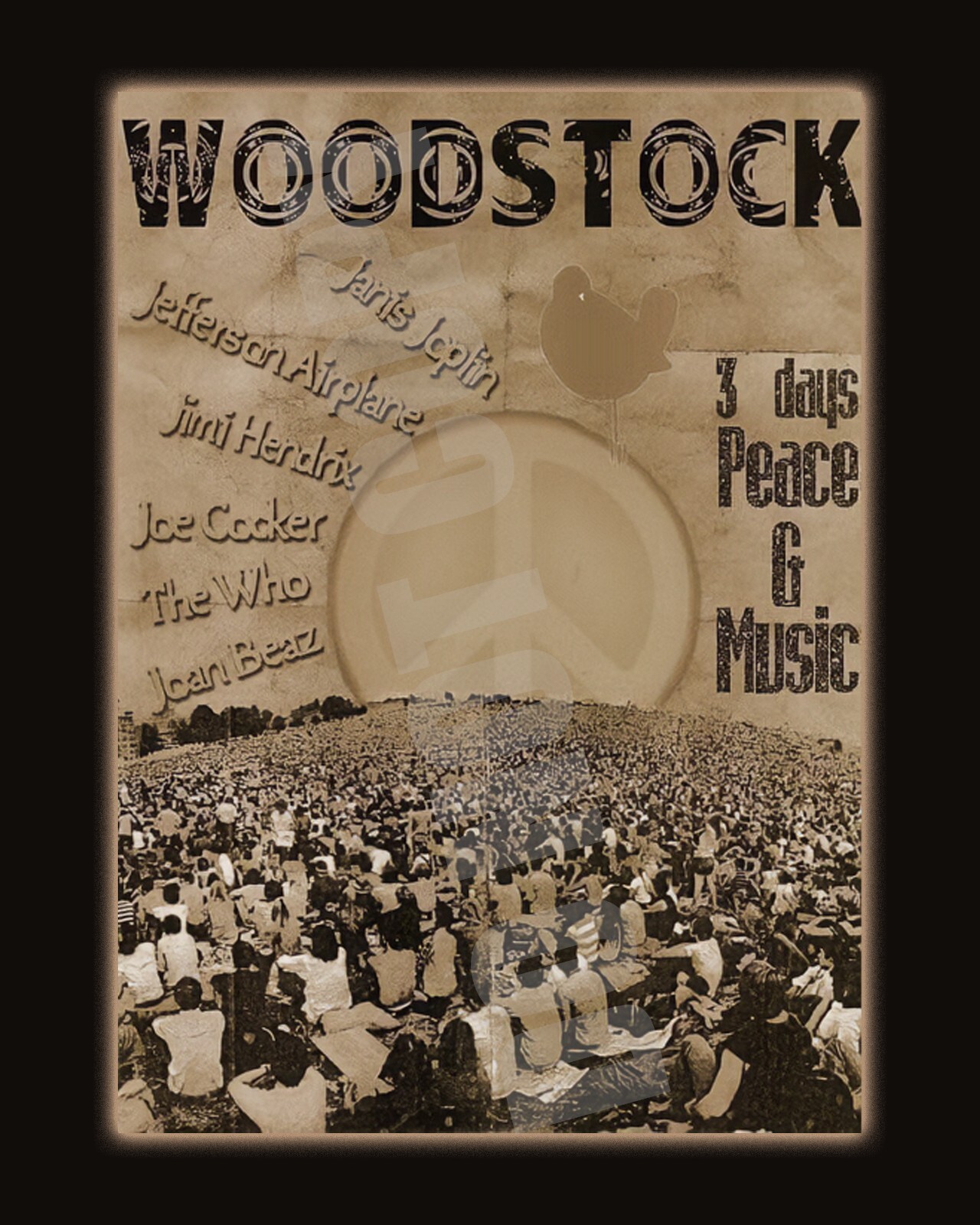
Fifty years after half a million people converged on a dairy farm in Bethel, New York, to redefine counterculture and live music, the cultural echo of the original 1969 festival remains a touchstone for modern generations. The anniversary era of the festival—most notably observed around its milestone golden jubilee—sparked global reflections on peace, music, and unity. While plans for a massive, official 50th-anniversary festival ultimately collapsed due to financial and logistical turmoil, the cultural memory, archival milestones, and localized gatherings cemented the legacy of Woodstock as the ultimate historic celebration of collective human harmony.
The Historical Blueprint: Why Woodstock 1969 Still Captures the Global Imagination
To understand the weight of the milestone anniversary, one must first examine the foundational event. Held between August 15 and 18, 1969, the Woodstock Music & Art Fair was billed as "An Aquarian Exposition: Peace, Music."
Organized by Michael Lang, Artie Kornfeld, John Roberts, and Joel Rosenman, the festival materialized against a backdrop of deep social unrest. The Vietnam War was raging, the civil rights movement was rewriting the nation’s social contract, and assassinations had shattered the optimism of the early decade.
Against this turbulent political climate, the festival emerged as an accidental utopia. Despite torrential downpours turning the fields into a massive mud pit, inadequate sanitation, and severe shortages of food and water, the crowd of approximately 400,000 to 500,000 attendees maintained a spirit of peaceful cooperation.
Musically, the lineup featured the era's definitive icons: Jimi Hendrix, Janis Joplin, The Who, Santana, Crosby, Stills, Nash & Young, Joan Baez, and Sly and the Family Stone. These performances transformed pop culture and solidified rock music as a vehicle for socio-political commentary.
When planners looked toward the 50th anniversary, they attempted to bottle this lightning twice, aiming to recapture a moment when music genuinely felt like a catalyst for global change.
The Ambition and Collapse of Woodstock 50
The journey toward the golden jubilee was marked by intense public anticipation, corporate maneuvering, and ultimate collapse. Scheduled for August 16–18, 2019, Woodstock 50 was meant to be the definitive modern incarnation of the peace-and-music ethos.
Promoted by original co-creator Michael Lang alongside financial backers Dentsu Aegis Network, the festival was intended to take place at Watkins Glen International racetrack in upstate New York.
| EVOLUTION OF THE WOODSTOCK LEGACY | ||
|---|---|---|
| Event / Milestone | Original (1969) | 50th Anniversary Era (2019) |
| Location | Bethel, New York | Watkins Glen / Bethel Woods (Planned) |
| Primary Focus | Counterculture, War | Climate Change, Activism, Unity |
| Financial Status | Near Bankruptcy | Corporate Funding & Investor Rift |
| Cultural Impact | Defined a Generation | Nostalgia & Modern Activism Parallels |
The vision for Woodstock 50 was ambitious. Rather than solely focusing on classic rock nostalgia, the lineup was designed to bridge generations, featuring legacy acts alongside contemporary pop, hip-hop, and indie artists such as Jay-Z, Imagine Dragons, The Killers, and Halsey. Furthermore, the organizers intended to weave prominent environmental activism and social justice messaging into the fabric of the event, echoing the anti-war sentiment of the original gathering.
However, the endeavor unraveled rapidly due to structural and financial friction:
- Investor Withdrawal: In April 2019, financial backer Dentsu abruptly pulled funding and attempted to cancel the festival, citing concerns over crowd control, site logistics, and budget overruns.
- Permitting Failures: The festival lost its permit at Watkins Glen, forcing a desperate scramble to find alternative venues, including a smaller amphitheater in Middletown, New York.
- Artist Cancellations: Following the venue instability and the return of artist retainers, major performers began dropping out of the lineup.
- Final Cancellation: By July 2019, organizers officially pulled the plug on the massive festival, ending months of public legal battles and logistical uncertainty.
Despite the commercial failure of Woodstock 50, the cultural milestone was far from silenced. Instead, public attention shifted toward the historic site in Bethel and global cultural institutions that honored the anniversary.
Bethel Woods Center for the Arts: The True Spiritual Epicenter
While the commercial festival failed, the actual birthplace of the 1969 festival—now preserved as the Bethel Woods Center for the Arts—became the undisputed focal point of the 50th-anniversary celebrations in August 2019.
Located at the original site on Max Yasgur’s farm, Bethel Woods hosted a series of official commemorative events, concerts, and museum exhibitions that honored peace, music, and unity without the chaos of a massive greenfield festival.
Key highlights of the golden anniversary events at Bethel Woods included:
- The Museum at Bethel Woods: Featuring immersive exhibits detailing the socio-political climate of the late 1960s, rare artifacts, and personal testimonials from original attendees.
- Anniversary Concerts: High-profile musical acts performed on the center’s pavilion stage, including Santana, Ringo Starr and His All Starr Band, John Fogerty, and Arlo Guthrie—all veterans of the original 1969 stage.
- Symposiums and Panel Discussions: Historians, sociologists, and original participants gathered to debate the enduring relevance of the counterculture movement and how modern activism echoes the spirit of 1969.
These gatherings proved that the true legacy of Woodstock resided not in corporate festival production, but in the personal and communal connection felt by those who valued its ideals.
Core Pillars of the Woodstock Ethos: Peace, Music, and Unity
The enduring appeal of the Woodstock brand rests on three specific pillars that transcended the music to become a global cultural philosophy.
1. Peace in Times of Division
In 1969, peace was an urgent political demand against the backdrop of the Cold War and the draft. By the 50th anniversary in 2019, the concept of peace had evolved to encompass environmental sustainability, mental health awareness, and digital connectivity. The anniversary celebrations served as a reminder that peaceful assembly remains a powerful counterweight to societal polarization.
2. Music as a Universal Language
Woodstock proved that massive crowds could gather for days under extreme duress without widespread violence, largely because music acted as a social adhesive. The 50th-anniversary retrospectives highlighted how specific anthems—such as Jimi Hendrix’s psychedelic deconstruction of "The Star-Spangled Banner" or Richie Havens’ impromptu acoustic marathon—became permanent fixtures of the global musical canon.
3. Unity Through Shared Experience
The concept of "Woodstock Nation" was born from the realization that ordinary citizens could form a temporary, self-sustaining society based on mutual aid and shared values. Anniversary events worldwide emphasized grassroots community building, charitable giving, and cooperative living as modern manifestations of this original unity.
Frequently Asked Questions About the Woodstock 50th Anniversary
Did the official 50th Woodstock festival actually happen?
No. The large-scale commercial festival known as Woodstock 50, planned for August 2019, was officially canceled due to financial disputes with investors, loss of permits, and venue instability. However, official anniversary concerts and museum exhibitions took place at the original site in Bethel, New York.
Where was the original Woodstock festival held?
The 1969 festival was held on a dairy farm owned by Max Yasgur in Bethel, New York (Sullivan County), located roughly 40 miles southwest of the town of Woodstock, after the original permits for Woodstock, NY, were revoked.
What artists performed at the Bethel Woods 50th-anniversary events?
Artists who performed at the official Bethel Woods anniversary celebrations in August 2019 included legacy performers like Santana, John Fogerty, and Ringo Starr, who connected modern audiences directly to the sounds of the original 1969 fair.
Why is Woodstock considered the ultimate celebration of peace and music?
Woodstock achieved mythic status because half a million people endured severe weather, food shortages, and overcrowding without major incidents of violence, creating a temporary culture defined by cooperation, anti-war sentiment, and legendary live performances.
How can visitors experience the history of Woodstock today?
Visitors can tour the original festival grounds at the Bethel Woods Center for the Arts in New York, which includes a world-class museum dedicated to the 1969 festival, the historic monument field, and outdoor concert venues.
Preserving the Counterculture Legacy for Future Generations
The 50th anniversary of Woodstock served as a vital bridge between the turbulent 1960s and the modern era. While the ambitious plans for a massive 2019 festival demonstrated the immense logistical challenges of producing modern mega-events, the enduring reverence for the original festival proved that the ideals of peace, music, and unity remain deeply relevant. Whether explored through museum archives at Bethel Woods, classic concert recordings, or contemporary grassroots gatherings, the spirit of Woodstock continues to inspire those who believe in collective harmony.