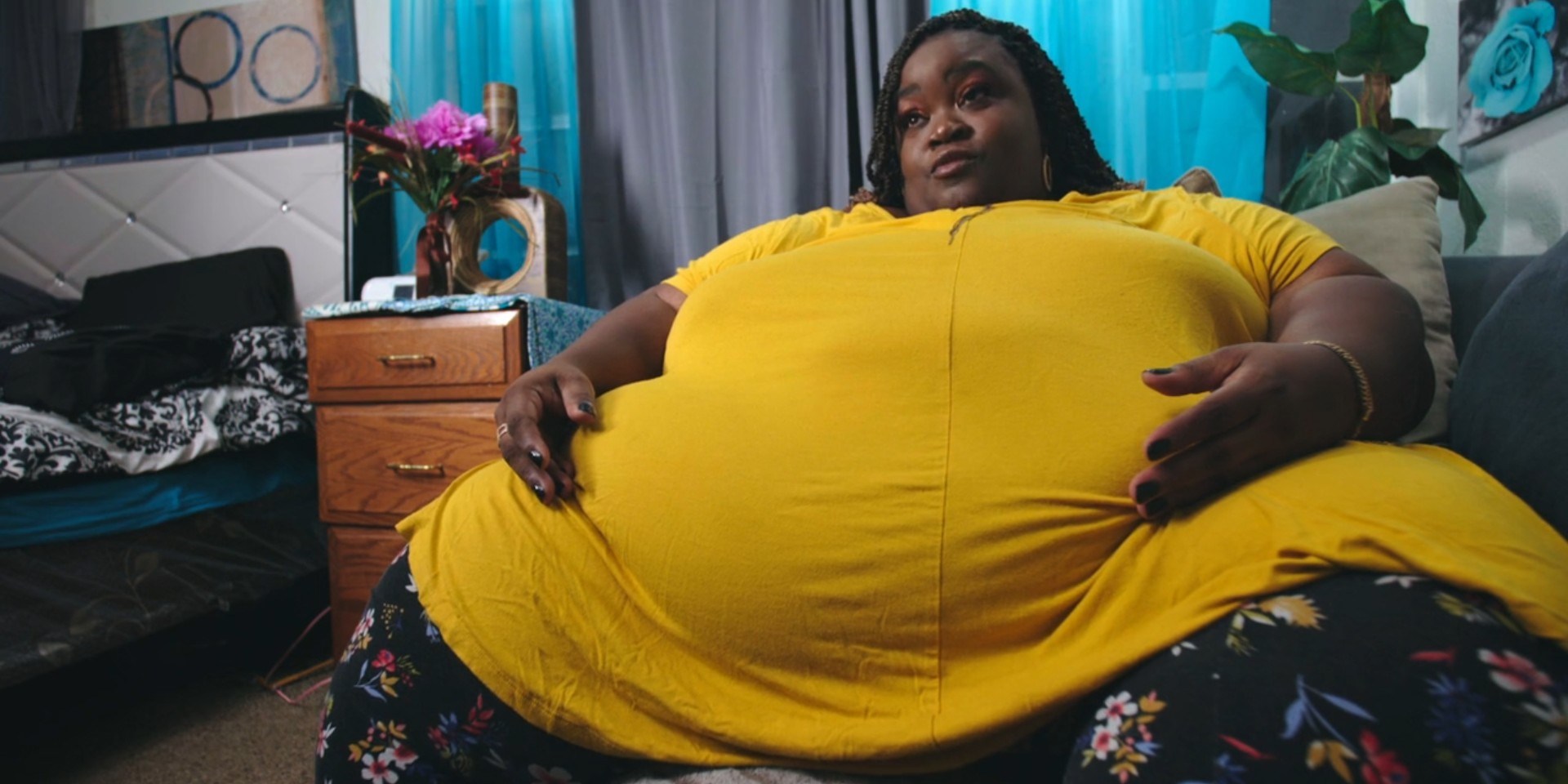
My 600-lb Life is a long-running American reality television documentary series broadcast on TLC that follows individuals struggling with severe obesity—typically weighing 600 pounds or more—as they attempt to lose weight under the guidance of bariatric surgeon Dr. Younan Nowzaradan. The program documents the immense physical, psychological, and logistical challenges of extreme weight management, offering viewers an unfiltered look at the intersection of lifestyle modification, psychological counseling, and advanced surgical interventions over multi-year treatment arcs.
Understanding the Premise and Cultural Impact of My 600-lb Life
Since its premiere in 2012, My 600-lb Life has carved out a unique space in modern television. Rather than focusing on quick-fix transformations, the series documents extended periods—often spanning a single year or multiple years per episode—in the lives of patients whose bodies are burdened by hundreds of excess pounds. The show is produced by Megalomedia and is primarily filmed in Houston, Texas, where Dr. Younan Nowzaradan practices bariatric and vascular surgery.
The cultural footprint of the series is substantial. It pulls back the curtain on a demographic that is frequently marginalized, misunderstood, or subjected to social stigma. By presenting the daily struggles of navigating basic human functions—such as walking, bathing, and leaving the house—at a scale of 600 pounds or more, the program fosters a mix of public empathy, ethical debate regarding reality television exploitation, and medical curiosity.
However, media scholars and medical professionals often evaluate the show through a dual lens. On one hand, it serves as a raw educational tool demonstrating the devastating physiological consequences of untreated morbid obesity. On the other hand, it has faced criticism for sensationalizing deeply personal struggles, utilizing dramatic editing, and framing complex metabolic and psychological disorders through the narrow constraints of episodic television.
The Medical Framework: Dr. Younan Nowzaradan and Bariatric Protocols
At the center of the show's medical universe is Dr. Younan Nowzaradan, commonly referred to as "Dr. Now." A pioneer in bariatric surgery with decades of specialized experience, Dr. Now operates on patients whom many other physicians might turn away due to extreme surgical risk factors, cardiovascular complications, and advanced tissue deterioration.
The Strict Pre-Surgical Diet and Evaluation Phase
A defining characteristic of the My 600-lb Life treatment model is that patients are rarely cleared for bariatric surgery immediately. Before Dr. Now will perform procedures such as the Roux-en-Y gastric bypass or sleeve gastrectomy, patients must demonstrate a proven capacity to adhere to a strict dietary regimen.
- Caloric Restriction: Patients are typically placed on a high-protein, low-carbohydrate, low-calorie diet ranging from 800 to 1,200 calories per day.
- Weight Loss Mandate: Patients must independently lose a designated amount of weight (often between 30 and 50 pounds, depending on their starting mass) before approval is granted. This serves multiple purposes: it shrinks an enlarged fatty liver (which otherwise obstructs the surgical field during laparoscopy), tests psychological compliance, and reduces overall cardiovascular strain.
- Multidisciplinary Evaluation: The medical protocol mandates comprehensive psychological evaluations to uncover underlying trauma, binge eating disorders, or depression, alongside nutritional counseling and physical therapy assessments.
Surgical Options Explored on the Show
When patients successfully meet the pre-surgical benchmarks, Dr. Now evaluates them for specific bariatric interventions tailored to their anatomical and metabolic profile.
| Surgical Procedure | Mechanism of Action | Typical Suitability on the Show |
|---|---|---|
| Roux-en-Y Gastric Bypass | Restricts stomach volume and reroutes a portion of the small intestine to reduce calorie and nutrient absorption. | Frequently utilized for patients needing both severe restriction and metabolic malabsorption. |
| Vertical Sleeve Gastrectomy | Permanently removes roughly 80% of the stomach, leaving a banana-shaped sleeve that limits food intake and alters hunger hormones (ghrelin). | Commonly performed as a standalone procedure or as a first-stage surgery for extremely high-risk patients. |
| Revision Surgeries | Corrects or alters previous bariatric procedures that have failed or led to severe complications. | Reserved for patients experiencing weight regain or anatomical issues from prior operations. |
The Psychological and Environmental Dimensions of Severe Obesity
A core narrative driver of My 600-lb Life is the exploration of why individuals reach a body weight of 600 pounds or more. Medical science and the episodes themselves consistently demonstrate that severe obesity is rarely just about food intake; it is deeply intertwined with trauma, coping mechanisms, and socioeconomic environments.
Trauma, Abuse, and Coping Mechanisms
A significant majority of participants reveal histories of severe childhood trauma, physical abuse, sexual assault, abandonment, or profound neglect. Food frequently functions as an early-learned coping mechanism—a tangible source of comfort, safety, or emotional armor against a hostile world. Because overeating disorders share neurological pathways with substance addiction, patients often experience acute withdrawal symptoms, anxiety, and emotional volatility when forced to confront their relationship with food.
The Role of Enablers
The show frequently highlights the complex dynamics between patients and their "enablers"—spouses, parents, children, or friends who facilitate the patient's lifestyle by purchasing, preparing, and bringing large quantities of high-calorie food to them.
While these enablers often express love and a desire to protect or care for the patient, psychological evaluations on the program reveal that enablers may also derive a sense of purpose, control, or security from the patient's total physical dependence. True rehabilitation on the show almost invariably requires a systemic shift in these relationship dynamics, forcing enablers to unlearn codependent behaviors.
Production Realities and Follow-Up: Where Are They Now?
For viewers attempting to understand the mechanics of the series, distinguishing between television production and long-term medical reality is vital.
The Timeline of Filming
While a single episode compresses months or years of struggle into a neat two-hour broadcast, the timeline is grueling. The initial episode typically covers one year of treatment. However, successful or compelling patients often return for Where Are They Now? follow-up episodes, which track their progress two, five, or even ten years down the line. These follow-ups reveal a diverse spectrum of outcomes: some patients achieve remarkable physical transformations, regain mobility, and enter the workforce, while others struggle with weight regain, psychological relapse, or medical complications.
Challenges of Post-Bariatric Life
Surgical intervention is not a permanent cure for obesity; it is a tool. Patients featured on the show face profound long-term hurdles even after successful weight loss:
- Excess Skin Removal: Massive, rapid weight loss leaves patients with significant folds of redundant skin that can cause chronic infections, mobility restrictions, and psychological distress, requiring extensive plastic surgery.
- Nutritional Deficiencies: Because malabsorptive procedures alter how vitamins and minerals are processed, patients must adhere to strict, lifelong supplementation regimens to avoid severe neurological and metabolic disorders.
- Behavioral Maintenance: Without continuous psychological support and strict dietary discipline, stomach stretching and metabolic adaptation can lead to weight regain over time.
Frequently Asked Questions About My 600-lb Life
How much weight do participants typically lose on My 600-lb Life?
Weight loss varies widely based on patient compliance, starting weight, and metabolic response. Successful participants often lose between 100 and 300 pounds within the first year of following Dr. Nowzaradan’s strict dietary and surgical protocol. However, results range from dramatic transformations to minimal progress or discontinuation of the program.
Do participants get paid to be on the show?
Yes, participants receive compensation for appearing on My 600-lb Life. While exact financial terms are bound by production confidentiality agreements, media reports and former participants have indicated that cast members receive stipends for filming, and production companies frequently cover certain medical costs directly associated with the treatment documented on the show, such as consultations and specific surgeries.
Is Dr. Younan Nowzaradan a real doctor?
Yes, Dr. Younan Nowzaradan is a board-certified bariatric and vascular surgeon practicing in Houston, Texas. He earned his medical degree from the University of Tehran in 1968, completed surgical residencies in the United States, and is recognized as a pioneer in laparoscopic bariatric surgery, holding fellowship status with the American College of Surgeons.
What is the primary diet prescribed on the show?
Dr. Nowzaradan typically prescribes a high-protein, low-carbohydrate diet restricted to roughly 800 to 1,200 calories per day. The diet eliminates sugars, simple starches, high-fat processed foods, and high-calorie beverages, focusing instead on lean meats, green vegetables, and strict portion control.
Where is My 600-lb Life filmed?
The series is primarily filmed in and around Houston, Texas, where Dr. Nowzaradan's clinic (Sunset Interplex) and affiliated hospitals are located. Production crews also travel across the United States to film participants in their hometowns before they relocate or travel to Texas for surgery.
Conclusion and Practical Guidance
My 600-lb Life functions as an unvarnished window into the complex medical and psychological reality of severe morbid obesity. For viewers, researchers, and healthcare students alike, the program underscores that sustainable weight loss requires far more than physical restriction; it demands addressing deep-seated trauma, restructuring daily behaviors, and maintaining lifelong medical supervision. Anyone struggling with severe weight management issues should consult a qualified bariatric physician or registered dietitian to explore safe, medically supervised pathways tailored to their individual health profile.