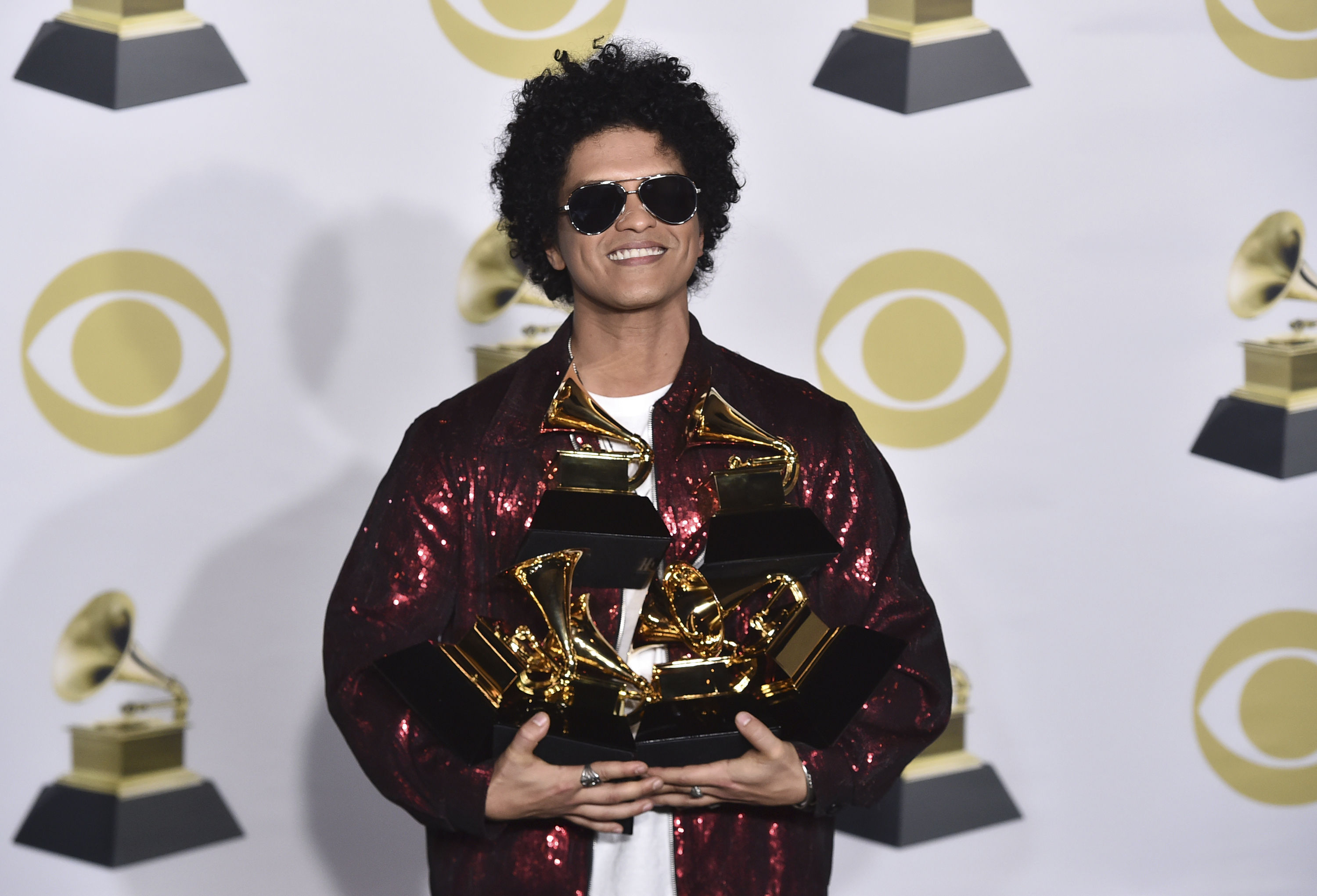
The 60th Grammy Awards recognized the finest recordings, compositions, and artists of the eligibility year, culminating in a landmark ceremony held on January 28, 2018, at Madison Square Garden in New York City. Hosted by comedian and television host James Corden, the event returned to New York for the first time since 2003, marking a celebratory evening for the American music industry that highlighted dominant cultural moments, major artistic achievements, and powerful live performances across diverse musical genres.
Background and Context of the 60th Grammy Awards
The journey toward the 60th Annual Grammy Awards involved months of submission reviews, peer evaluation by the Recording Academy’s voting members, and intense competition across 84 distinct categories. As a milestone Diamond Jubilee for the institution, the 2018 ceremony carried significant cultural weight, aiming to reflect the shifting paradigms of music consumption, streaming dominance, and cross-genre collaboration.
The eligibility period for recordings stretched from October 1, 2016, through September 30, 2017. During this window, the music industry experienced a profound transition toward streaming services, a shift that increasingly influenced commercial success and shaped how the Recording Academy evaluated popular impact alongside technical craftsmanship. Returning to New York City added a distinct theatrical and metropolitan energy to the proceedings, contrasting with the traditional Los Angeles venue of the Staples Center.
The Voting Process and Eligibility Criteria
Understanding the prestige of the Grammys requires examining the rigorous mechanism behind the nominations and wins. The process begins with media companies and members submitting eligible recordings released within the qualifying window. Subsequently, voting members—comprising artists, songwriters, producers, mixers, and engineers—vote in the first round to determine the nominees across genres.
A specialized screening committee evaluates entries in core genre fields to ensure technical and structural compliance. Final-round voting ballots are then distributed to active voting members, whose confidential choices are tabulated independently by the professional services firm Deloitte. This structure is designed to reward peer recognition of artistic excellence rather than purely commercial metrics, although commercial heavyweights frequently intersect with critical acclaim.
Major Nominees and Historic Winners
The 60th Grammy Awards are most widely remembered for a historic sweep in several top categories, alongside notable snubs that sparked widespread media discussion regarding genre representation and diversity within the Recording Academy.
Hip-hop and R&B achieved unprecedented visibility in the major general categories—Album of the Year, Record of the Year, and Song of the Year—signifying a broader shift in the mainstream musical landscape. Bruno Mars emerged as the night's biggest winner, capturing all six categories in which he was nominated.
The Big Four Categories Breakdown
The "Big Four" general categories—Album of the Year, Record of the Year, Song of the Year, and Best New Artist—represent the pinnacle of achievement for the evening. The nominees and eventual winners reflected a diverse array of musical statements that defined the cultural zeitgeist of 2017.
- Album of the Year: Won by Bruno Mars for 24K Magic. The category also featured heavy competition from Kendrick Lamar (DAMN.), Lorde (Melodrama), Jay-Z (4:44), and Childish Gambino ("Awaken, My Love!").
- Record of the Year: Won by Bruno Mars for "24K Magic." Additional nominees included Childish Gambino ("Redbone"), Luis Fonsi & Daddy Yankee featuring Justin Bieber ("Despacito"), JAY-Z ("The Story of O.J."), and Kendrick Lamar ("HUMBLE.").
- Song of the Year: Won by songwriters Christopher Brody Brown, James Fauntleroy, Philip Lawrence, Bruno Mars, Ray McCullough II, Jeremy Reeves, Ray Romulus, and Jonathan Yip for "That's What I Like" performed by Bruno Mars.
- Best New Artist: Won by Alessia Cara, who triumphed over a competitive field including Khalid, Lil Uzi Vert, Julia Michaels, and SZA.
Summary of Major Category Results
| Category | Winner | Notable Nominees |
|---|---|---|
| Album of the Year | Bruno Mars (24K Magic) | Kendrick Lamar (DAMN.), Jay-Z (4:44), Lorde (Melodrama) |
| Record of the Year | Bruno Mars ("24K Magic") | Luis Fonsi & Daddy Yankee ("Despacito"), Kendrick Lamar ("HUMBLE.") |
| Song of the Year | "That's What I Like" (Bruno Mars) | "Despacito", "Issues", "1-800-273-8255", "That's What I Like" |
| Best New Artist | Alessia Cara | Khalid, SZA, Lil Uzi Vert, Julia Michaels |
Standout Performances and Cultural Moments
Beyond the competitive awards, the 60th Grammy Awards featured high-profile live performances that addressed contemporary social issues and celebrated musical heritage. The television broadcast functioned as a platform for political expression, artistic solidarity, and tributes to legends who passed away during the preceding year.
One of the most talked-about segments was Kendrick Lamar’s politically charged opening medley featuring tracks from DAMN., supported by U2 and a troupe of dancers dressed as military personnel who simulated falling backward as gunfire sound effects echoed through Madison Square Garden. This performance set a serious, reflective tone for the evening, contrasting with the high-energy funk and R&B revues delivered by artists like Bruno Mars and Cardi B.
Promoting Solidarity and Advocacy
The ceremony also served as a focal point for the Time's Up movement, which advocated for workplace equality, safety, and the end of sexual harassment across all industries. Many artists and attendees wore white roses pinned to their clothing or carried them down the red carpet in a visible display of solidarity.
Janelle Monáe delivered a powerful introductory speech addressing the music industry directly, stating, "We come in peace, but we mean business. To those who would dare try to silence us, we offer two words: Time's up." This thematic integration of social advocacy demonstrated the evolving role of major award shows as spaces for cultural commentary and collective action.
Genre-Specific Highlights and Technical Excellence
While the general categories capture broad public attention, the 60th Grammy Awards honored excellence across dozens of specialized fields, ranging from rock and alternative music to classical compositions, jazz, and world music.
- Rap Field: Kendrick Lamar dominated the rap categories, winning Best Rap Album for DAMN., Best Rap Performance and Best Rap Song for "HUMBLE.", and Best Rap/Sung Performance for "LOYALTY." featuring Rihanna. This sweep cemented his status as one of the preeminent lyricists and cultural commentators of his generation.
- Rock Field: The late Leonard Cohen was posthumously awarded Best Rock Performance for "You Want It Darker," while The War on Drugs won Best Rock Album for A Deeper Understanding.
- Pop Field: Ed Sheeran secured victories for Best Pop Solo Performance ("Shape of You") and Best Pop Vocal Album (÷), reflecting his immense commercial footprint during the eligibility window.
Criticism, Controversies, and Industry Reflection
Despite the celebratory atmosphere, the 60th Grammy Awards faced significant scrutiny from music critics, fans, and artists regarding systemic biases in voting patterns and award distribution.
The Album of the Year Debate
The decision to award Album of the Year to Bruno Mars's commercially successful and critically lauded 24K Magic over Kendrick Lamar’s critically revered DAMN. or Jay-Z’s confessional masterpiece 4:44 reignited a long-standing debate about the Recording Academy's cultural alignment. Many commentators noted that despite hip-hop's status as the dominant commercial and cultural genre of the era, a Black hip-hop artist had not won Album of the Year since OutKast won in 2004 with Speakerboxxx/The Love Below.
Following the ceremony, the Recording Academy's then-President Neil Portnow faced severe backlash for controversial comments suggesting that female artists needed to "step up" if they wanted to win awards, following a night where Lorde was the sole female nominee in the Album of the Year category and few women won in major televised segments. This comment prompted an internal task force on diversity and inclusion within the Academy, leading to substantial structural reforms in subsequent years, including the expansion of nominees in the major general categories from five to eight.
Legacy and Long-Term Impact
Looking back from the vantage point of 2026, the 60th Grammy Awards stand as a transitional moment for the Recording Academy. The event exposed deep-seated structural challenges regarding genre equity, gender representation, and commercial versus critical valuation. The public discourse generated by the 2018 ceremony catalyzed policy changes within the institution, altering how voting membership is recruited and how nominations are filtered.
For music historians and enthusiasts, the 60th installment remains a fascinating time capsule of 2017–2018 pop culture, capturing a moment when traditional broadcast television, streaming-era listening habits, and sociopolitical activism converged on one stage.
Frequently Asked Questions
When and where did the 60th Grammy Awards take place?
The 60th Grammy Awards took place on January 28, 2018. The ceremony was held at Madison Square Garden in New York City, marking the first time the event returned to New York since 2003 rather than taking place at its usual home in Los Angeles.
Who hosted the 60th Grammy Awards ceremony?
British comedian, actor, and television host James Corden hosted the 60th Grammy Awards. This marked his second consecutive year hosting the telecast, having previously hosted the 59th ceremony in 2017.
Which artist won the most awards at the 60th Grammys?
Bruno Mars was the biggest winner of the night, taking home six Grammy Awards out of six nominations, including the prestigious sweep of Album of the Year, Record of the Year, and Song of the Year.
Why was the 60th Grammy Awards considered a milestone for hip-hop?
The 60th Grammys featured prominent nominations for hip-hop and rap artists in the major general categories. Kendrick Lamar and Jay-Z both received multiple major nominations, including Album of the Year and Record of the Year, reflecting the genre's dominant cultural footprint during the eligibility window.
What movement was prominently supported on the red carpet at the 60th Grammys?
Attendees and performers widely supported the Time's Up movement by wearing or carrying white roses on the red carpet. The initiative aimed to promote workplace equality, combat sexual harassment, and support legal defense funds across the entertainment industry.
How did the 60th Grammy Awards influence future ceremonies?
Following criticism regarding a lack of diversity, low representation of female winners in major categories, and controversial remarks by leadership, the Recording Academy instituted significant internal reforms. These included expanding the number of nominees in the general field categories from five to eight to foster broader representation.