On July 8, 2010, LeBron James announced in a nationally televised ESPN special titled The Decision that he was leaving the Cleveland Cavaliers to sign with the Miami Heat, permanently altering the landscape of the National Basketball Association. This hour-long broadcast created an unprecedented media storm, fundamentally reshaping how professional athletes handle free agency, empowering players to control their own rosters, and sparking a new era of superstar collaborations that defined the league for the next decade and beyond.
The Cultural and Media Context of 2010 Free Agency
To understand the magnitude of The Decision, one must examine the state of the NBA and sports media in the summer of 2010. LeBron James, drafted first overall by the Cleveland Cavaliers in 2003, had spent seven seasons carrying his home-state franchise to unprecedented heights. He won back-to-back NBA Most Valuable Player awards in 2009 and 2010, but the Cavaliers failed to secure an NBA championship, falling short against veteran-laden teams like the Boston Celtics and Orlando Magic.
As his initial contract expired, James became the most coveted free agent in league history. The summer of 2010 featured an extraordinary class of free agents—including Dwyane Wade, Chris Bosh, Amaré Stoudemire, and Dirk Nowitzki—captivating sports media for months. ESPN capitalized on this unprecedented demand by partnering with James’s marketing team, LRMR, and the Boys & Girls Clubs of America to broadcast a live, one-hour special from Greenwich, Connecticut.
The concept of a player announcing his destination on live television broke every traditional norm of sports journalism. Historically, general managers and team owners controlled the narrative through press conferences after contracts were signed. By bypassing traditional media outlets and speaking directly to the public, James seized the megaphone. However, the commercialization of the broadcast—selling advertising space and generating millions of dollars in revenue for charity—drew sharp criticism from traditionalists who viewed the spectacle as self-indulgent and arrogant.
Inside the Broadcast: What Happened on July 8, 2010
Hosted by sports broadcaster Jim Gray at the Boys & Girls Club in Greenwich, Connecticut, the broadcast began with casual conversation before building toward the inevitable climax. Millions of viewers tuned in across the United States, hanging on every word as Gray questioned James about his mindset, his loyalty to Northeast Ohio, and his ultimate choice.
For the first thirty minutes, the broadcast felt like a standard retrospective mixed with speculation. Then, at approximately 9:27 PM Eastern Time, Gray asked the definitive question. James delivered the line that reverberated across sports history: "In this fall... I'm going to take my talents to Miami Heat."
| Feature | Detail |
|---|---|
| Date | July 8, 2010 |
| Network | ESPN |
| Location | Boys & Girls Club, Greenwich, Connecticut |
| Host | Jim Gray |
| Outcome | LeBron James signed with the Miami Heat |
| Charity Beneficiary | Boys & Girls Clubs of America ($2.5 million raised in advertising revenue) |
The reaction was immediate and polarized. In Miami, fans poured into the streets in celebration, welcoming the formation of a new "Big Three" featuring James, Dwyane Wade, and Chris Bosh. Conversely, in Cleveland and throughout Northeast Ohio, shock quickly morphed into profound betrayal and anger. Fans who had worshipped James as a hometown savior burned his jerseys in the streets, while Cavaliers owner Dan Gilbert published an open letter written in Comic Sans font, condemning James's actions as a "cowardly betrayal."
The Immediate Fallout and Impact on Northeast Ohio
The local impact of The Decision cannot be overstated. For seven years, the Cleveland Cavaliers organization and the city's economy had been deeply intertwined with James’s ascent. Ticket sales, local businesses, and regional pride surged alongside the team’s success. When James announced his departure, the franchise was instantly plunged into a rebuilding phase, devoid of a clear direction or immediate superstar talent.
The emotional wound ran deeper than basketball. James was a local product from nearby Akron, Ohio, famously dubbed "The Chosen One" on the cover of Sports Illustrated as a high school junior. Fans felt a deep sense of regional ownership. The phrase "taking my talents to South Beach" became a cultural catchphrase, mocked and repeated across popular culture, symbolizing the perceived arrogance of modern athletes.
Cleveland’s immediate sporting response was hostile. When James returned to Quicken Loans Arena for the first time as a member of the Miami Heat on December 2, 2010, the atmosphere was venomous. Fans hurled obscenities, held derogatory signs, and created a hostile environment unlike anything previously seen in professional sports. Yet, this hostility also forced the Cavaliers' front office to pivot, eventually accumulating high draft picks—such as Kyrie Irving in 2011—that laid the groundwork for James’s eventual triumphant return in 2014.
How The Decision Rewrote NBA Power Dynamics
Beyond the emotional drama, The Decision permanently altered the business and competitive structure of the NBA. Before 2010, superstars traditionally stayed with the franchises that drafted them for the vast majority of their careers, pressured by unwritten rules of loyalty and financial incentives embedded in the collective bargaining agreement.
James, along with close friends Dwyane Wade and Chris Bosh, subverted this paradigm by coordinating behind the scenes to join forces in Miami. They deliberately structured their contracts with early termination options, allowing maximum flexibility. This player-empowerment movement shifted leverage from billionaire owners to elite athletes, establishing a template that future stars would follow.
| Era | Primary Strategy for Winning Championships | Key Drivers |
|---|---|---|
| Pre-2010 | Franchise building through the draft and trades; long-term loyalty to one team. | General managers, front offices, max-contract rules. |
| Post-2010 | Player collaboration, flexible short-term contracts, superstar migration. | Elite players, agency networks, player mobility. |
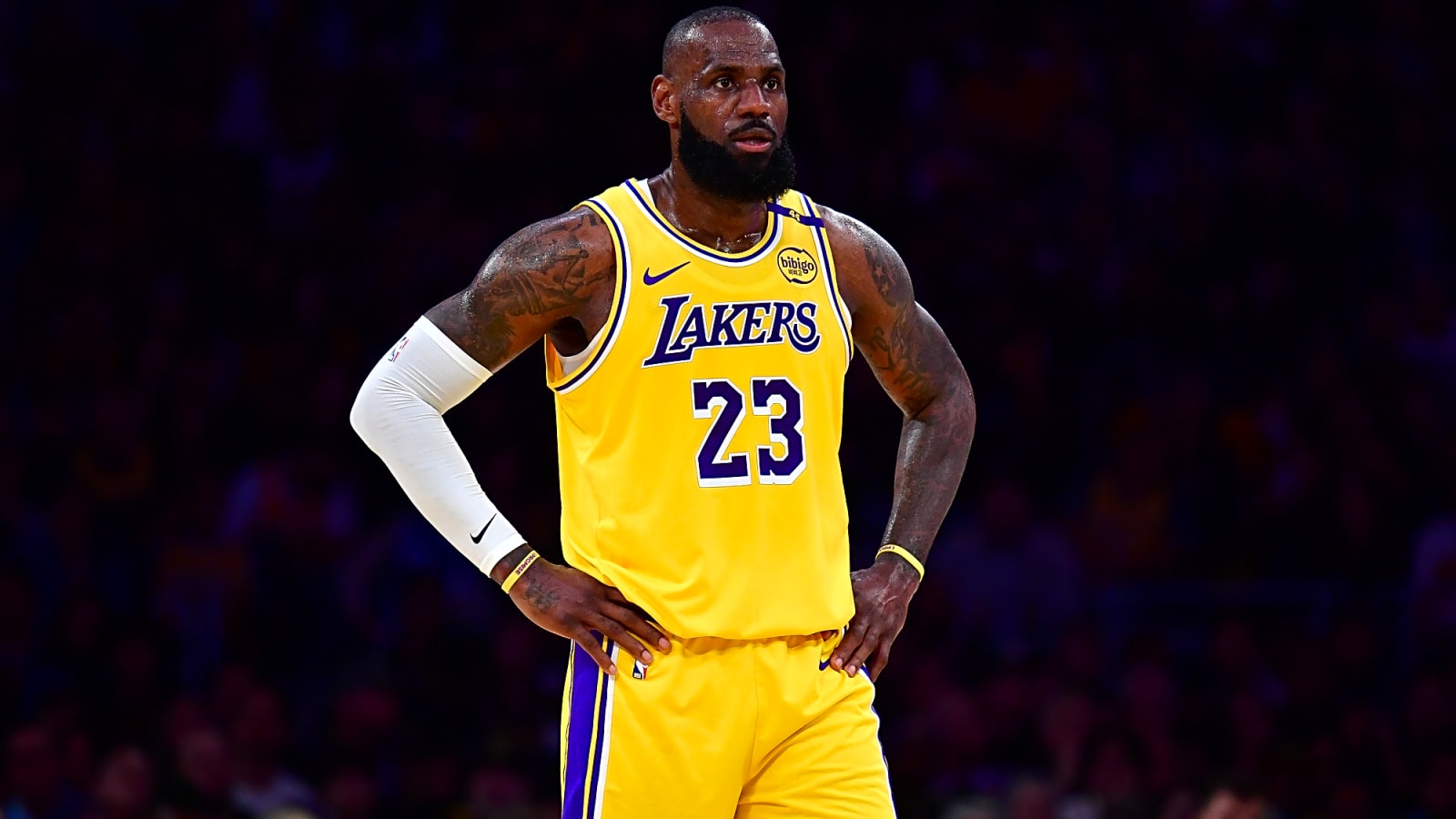
This shift transformed the league into a star-driven ecosystem where player movement dictated championship odds. Subsequent blockbuster moves—such as Kevin Durant joining the Golden State Warriors in 2016, Anthony Davis forcing a trade to the Los Angeles Lakers in 2019, and Kawhi Leonard orchestrating the Clippers' roster construction—can all trace their conceptual lineage back to the summer of 2010. Front offices could no longer rely on drafting a franchise player and hoping for internal growth; they had to manage player relationships and maintain salary cap agility to appease modern superstars.
Cultural Legacy and Redemption in Cleveland
As time passed, the narrative surrounding The Decision evolved significantly. The initial outrage subsided, replaced by a nuanced understanding of James's underlying motives: prioritizing winning championships, maximizing career agency, and playing alongside friends.
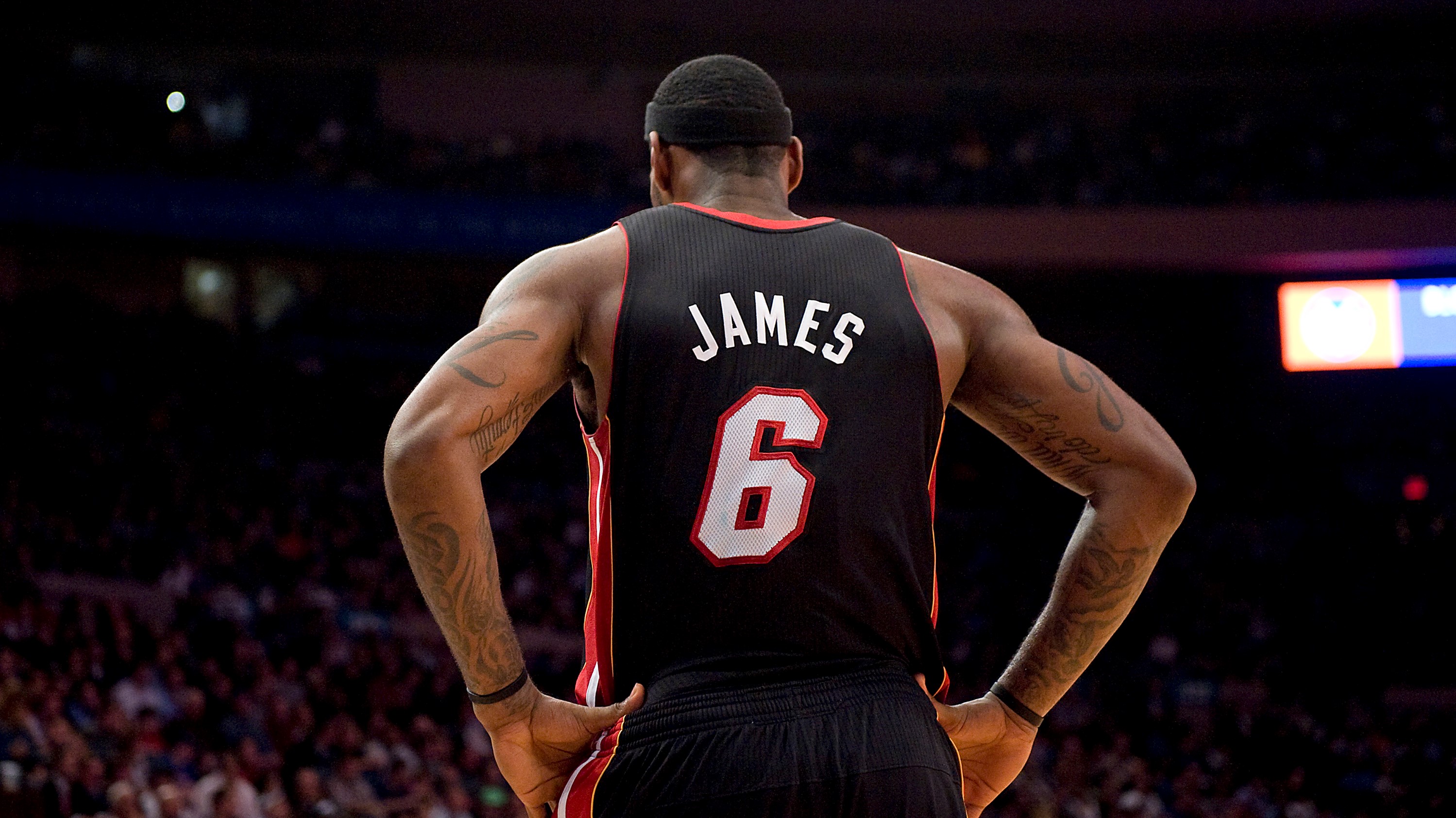
In Miami, the experiment yielded immediate results. The Heat reached the NBA Finals in all four years of James’s tenure, winning back-to-back championships in 2012 and 2013. James evolved as a player and a leader, capturing two more MVP awards and solidifying his status among the greatest basketball players in history.
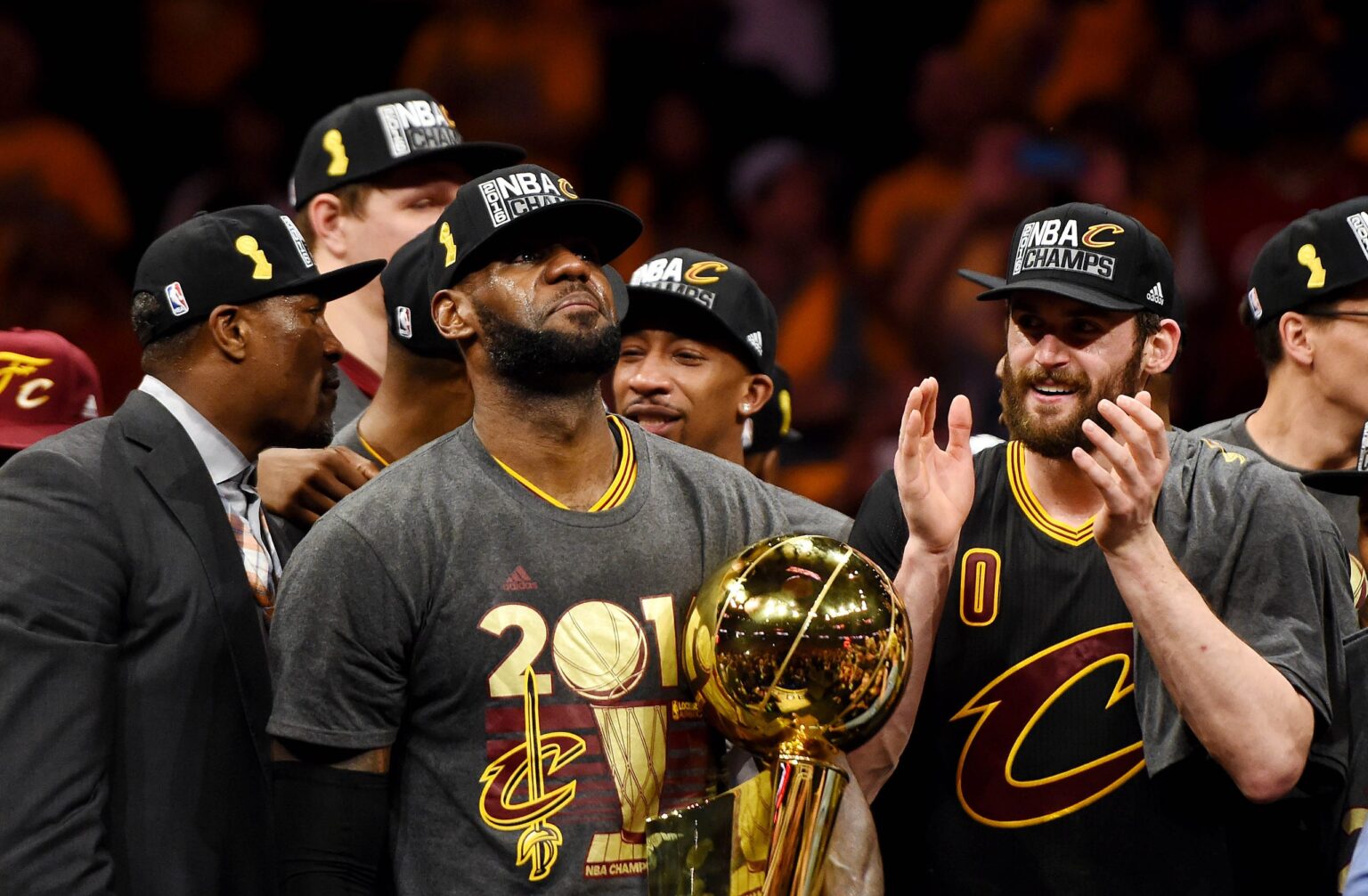
By 2014, public perception had shifted once again. Having achieved his championship goals in Miami, James made a calculated decision to return to the Cleveland Cavaliers, writing a heartfelt essay in Sports Illustrated that contrasted sharply with the spectacle of 2010. His return culminated in 2016, when he led the Cavaliers to a historic championship victory over the 73-win Golden State Warriors, erasing a 3-1 deficit and delivering Cleveland its first major sports title in 52 years. This redemption arc effectively healed the psychological wound of The Decision, cementing James's legacy not just as a global icon, but as a local hero who ultimately fulfilled his promise to Northeast Ohio.
Frequently Asked Questions
Why was 2010 Lebron The Decision so controversial?
The controversy stemmed from the unprecedented format of a live television broadcast to announce a free-agent destination, which many viewed as self-aggrandizing. Additionally, because James was a homegrown star in Cleveland, fans felt abandoned, and the sudden departure shattered the traditional expectations of player loyalty to drafting franchises.
How much money did The Decision raise for charity?
The broadcast raised approximately $2.5 million in advertising revenue, which was donated entirely to the Boys & Girls Clubs of America, alongside an additional $3 million pledged by corporate sponsors during the event.
Did LeBron James win a championship with the Miami Heat?
Yes. During his four-year tenure with the Miami Heat from 2010 to 2014, James reached the NBA Finals every season and won back-to-back NBA championships in 2012 and 2013, earning Finals MVP honors both years.
How did The Decision change NBA free agency?
It marked a pivotal shift in player empowerment, proving that elite athletes could orchestrate their own rosters, coordinate with peers to form superteams, and utilize short-term contracts to maintain career leverage over team front offices.
Did LeBron James ever return to the Cleveland Cavaliers?
Yes. In July 2014, James signed a contract to return to the Cavaliers, subsequently leading the franchise to four consecutive NBA Finals appearances and capturing an historic championship in 2016.