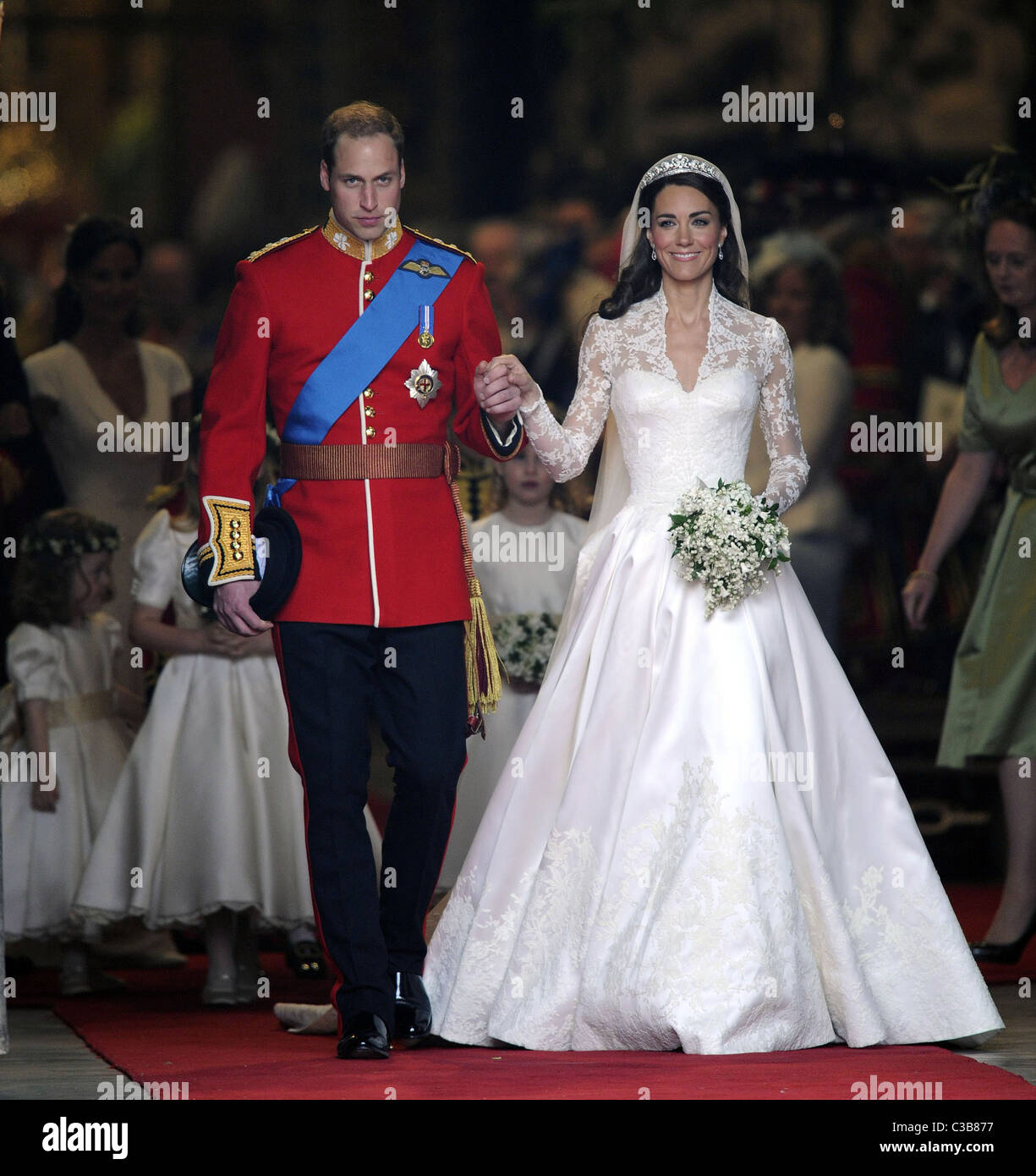
The term "2011 wedding" typically refers to the cultural phenomenon of high-profile nuptials that took place that year—most notably the marriage of Prince William and Catherine Middleton—alongside the specific DIY-heavy, rustic, and vintage aesthetic trends that defined wedding culture during that period.
Introduction: The Cultural Landscape of 2011 Nuptials
The year 2011 occupies a distinct space in modern wedding history. It bridged the gap between traditional, formal ceremonies and the modern, highly personalized social-media-driven celebrations of today. At the epicenter of 2011 wedding culture was the union of Prince William and Kate Middleton at Westminster Abbey, an event watched by an estimated global audience of over two billion people. This royal wedding instantly reset bridal fashion standards worldwide, pivoting trends away from strapless sweetheart necklines and toward delicate lace sleeves and classic silhouettes.
Simultaneously, the broader wedding industry in 2011 was undergoing a massive shift fueled by the rise of platforms like Pinterest and Etsy. Couples moved away from hotel ballrooms and standardized banquet halls, opting instead for rustic barns, vintage-inspired garden parties, and handcrafted details. Understanding a 2011 wedding requires examining both the macro-level cultural influences that dominated headlines and the micro-level design choices that everyday couples made during this pivotal era.
The Royal Blueprint: Prince William and Catherine Middleton
No discussion of 2011 weddings is complete without analyzing the monumental impact of the royal wedding held on April 29, 2011. The event served as a massive trendsetter for the entire global wedding industry, dictating design choices, fashion silhouettes, and reception styles for years to come.
The Dress That Changed Bridal Fashion
Designed by Sarah Burton for Alexander McQueen, Catherine Middleton’s wedding gown sparked an immediate global rush for lace. For much of the 2000s, strapless dresses dominated bridal boutiques. The royal wedding single-handedly revived the Victorian-inspired illusion neckline, long lace sleeves, and structured bodices.
- The Silhouette: A Victorian-inspired corset bodice padded at the hips, paired with a full skirt resembling an unfolding flower.
- The Fabric: Ivory and white satin gazar, featuring handmade lace appliqués crafted by the Royal School of Needlework using the Carrickmacross lace-making technique.
- The Train: A relatively modest 2.7 meters (9 feet), which struck a balance between regal grandeur and modern practicality.
Replicas and Market Impact
Within hours of the ceremony, mass-market bridal designers began sketching replicas of the McQueen gown. By the autumn of 2011, nearly every major bridal brand had introduced a lace-sleeved variant to their collections. This shift proved that high-profile celebrity and royal weddings still held immense sway over consumer purchasing habits, even as digital media began democratizing wedding inspiration.
Aesthetic and Design Trends of 2011
Away from the pomp of Westminster Abbey, the everyday wedding landscape in 2011 was characterized by a distinct blend of rustic charm, vintage nostalgia, and early DIY digital culture. Couples sought authenticity and personalization over rigid formality.
The Rise of Rustic and Barn Weddings
The year 2011 marked a major turning point for venue selection. Traditional country clubs and hotel ballrooms faced fierce competition from non-traditional spaces.
- Barns and Farms: Repurposed agricultural spaces became highly sought-after, offering exposed wood beams, high ceilings, and sprawling rural backdrops.
- Burlap and Mason Jars: Textures became noticeably rougher and more tactile. Burlap runners, jute twine, and clear glass mason jars filled with wildflowers became ubiquitous decor elements.
- Chalkboard Signage: Hand-lettered chalkboards replaced printed cardstock menus and directional signs, introducing a casual, handcrafted aesthetic to ceremonies and receptions.
The Vintage and Speakeasy Craze
Influenced by period television dramas and a broader cultural nostalgia, 2011 weddings leaned heavily into vintage motifs. Brides frequently incorporated antique brooches into their bouquets, wore birdcage veils, and styled their hair in 1920s finger waves or 1940s victory rolls. Receptions often featured "speakeasy" cocktail hours, complete with vintage glassware, classic gin and bourbon cocktails, and jazz or swing musical accompaniment.
Evolution of Wedding Technology and Planning in 2011
How couples planned, documented, and shared their weddings in 2011 looks remarkably different from contemporary practices, sitting precisely at the transition point between traditional analog planning and modern digital integration.
The Pre-Instagram Era
While smartphones were widely available in 2011, Instagram was in its relative infancy (having launched in late 2010 exclusively for iOS), and hashtags had not yet become the universal organizing tool for wedding photo sharing. Instead, couples relied on disposable cameras placed on reception tables, professional videographers shooting on early DSLR cameras, and dedicated wedding websites hosted on platforms like The Knot or WeddingWire.
DIY Crafting and Marketplace Disruption
Etsy had grown into a massive global marketplace by 2011, allowing independent artisans to sell custom wedding stationery, cake toppers, and decor directly to consumers. This era democratized niche styling, enabling couples on modest budgets to achieve a bespoke, artisan look without hiring high-end luxury event designers.
Comparison of Wedding Trends: 2011 vs. Modern Era
To understand the unique character of a 2011 wedding, it is helpful to contrast its defining features with contemporary wedding standards.
| Feature | 2011 Weddings | Modern Weddings (2026 Context) |
|---|---|---|
| Primary Fashion | Lace sleeves, sweetheart necklines, birdcage veils, statement brooches. | Minimalist slip dresses, dramatic capes, structured trousers, clean architectural lines. |
| Photography & Sharing | Tabletop disposable cameras, early DSLR video, Facebook photo albums. | Dedicated event hashtags, real-time Instagram/TikTok stories, drone videography. |
| Reception Decor | Mason jars, burlap, chalkboard signs, rustic wooden farm tables. | Neon signs, minimalist metallic accents, bespoke floral installations, textured linens. |
| Planning Tools | Printed wedding binders, early-stage wedding portals, Excel spreadsheets. | All-in-one planning apps, digital guest portals, AI seating chart generators. |
Common Misconceptions About 2011 Weddings
When looking back at this era, several myths often persist regarding technology, fashion, and accessibility.
- Myth: Social media dominated the guest experience. In reality, while Facebook was popular, guests took physical photos or waited weeks for professional proofs to arrive via mail. Live-streaming a ceremony was rare and technically challenging.
- Myth: Every wedding looked like the royal wedding. While Kate Middleton's gown influenced high-end and mid-tier bridal salons, the average American or European wedding leaned much closer to the rustic barn or vintage DIY aesthetic than formal British pageantry.
- Myth: Wedding budgets were comparable to modern figures. Due to inflation and shifting post-pandemic vendor costs, average per-guest catering and venue prices in 2011 were significantly lower, though economic recovery following the 2008 financial crisis still heavily constrained spending.
Frequently Asked Questions
What made 2011 a significant year for weddings?
The year 2011 was defined globally by the royal wedding of Prince William and Catherine Middleton, which revived classic lace fashion. Domestically and culturally, it marked the height of the rustic-chic, vintage, and DIY wedding movement powered by early digital platforms.
How did the royal wedding influence 2011 bridal fashion?
Kate Middleton’s Alexander McQueen gown immediately shifted bridal trends away from strapless dresses and toward lace-sleeved, structured, and modest silhouettes, a trend that persisted in bridal retail for nearly a decade.
What were the most popular wedding decor items in 2011?
Popular decor items included mason jars filled with wildflowers, burlap table runners, hand-lettered chalkboard signs, antique birdcages, and tree-slice wood chargers used for rustic table centerpieces.
Were wedding hashtags used in 2011?
No, wedding hashtags were not yet mainstream. Instagram was a new application, and couples relied on traditional photo-sharing methods, Facebook albums, and physical disposable cameras left on reception tables.
Where did couples typically host their receptions in 2011?
Alongside traditional hotel ballrooms and country clubs, 2011 saw an explosion in the popularity of rustic barns, historic farmhouses, outdoor garden tents, and industrial loft spaces.
Final Recommendations for Historical Research or Themed Events
If you are researching 2011 weddings for historical analysis, costume design, or planning a nostalgic throwback event, focus on authentic material culture. Source genuine lace-sleeved silhouettes, incorporate rustic wooden textures paired with burlap, and recreate early digital archiving methods like table disposable cameras to authentically capture the aesthetic spirit of the era.