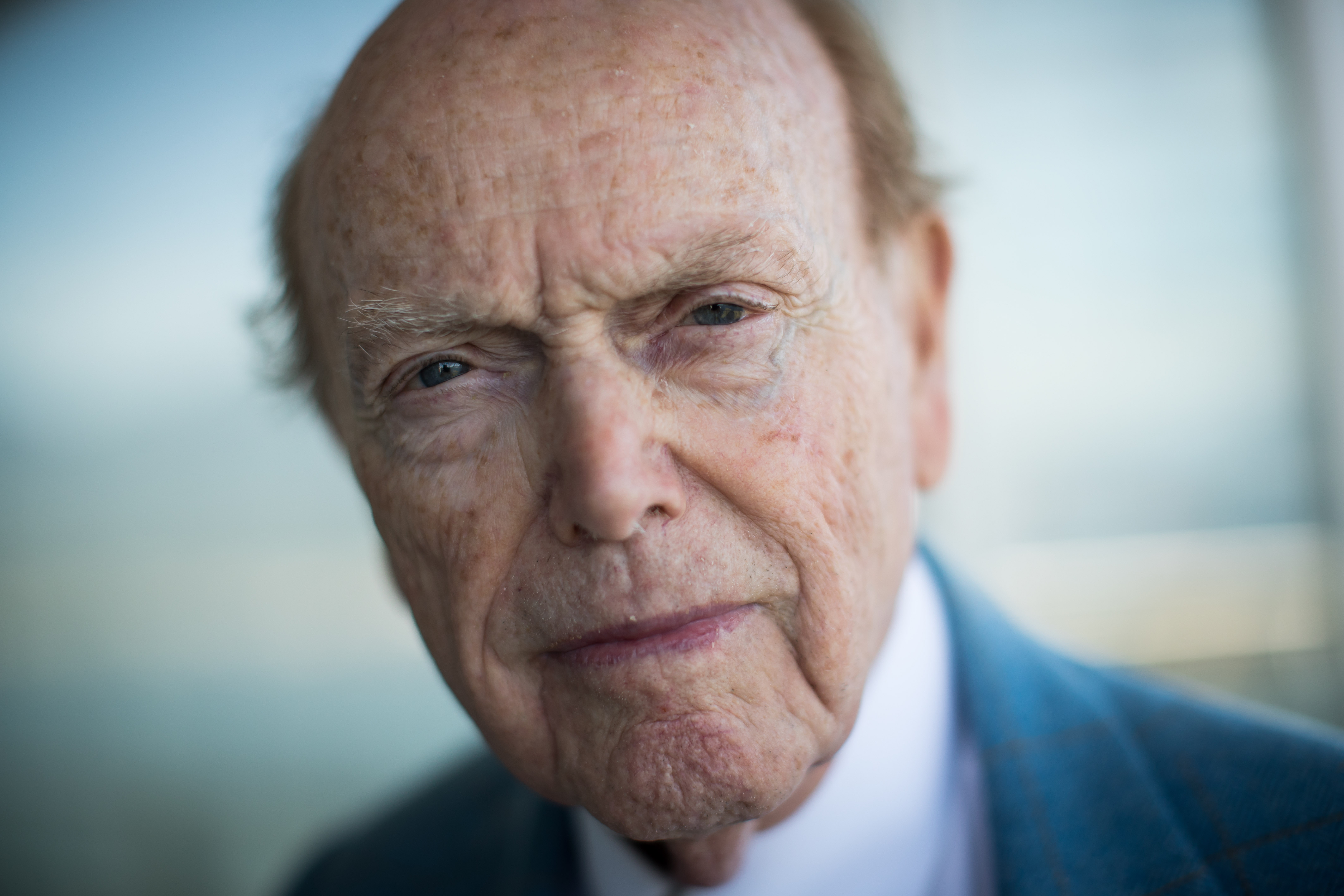
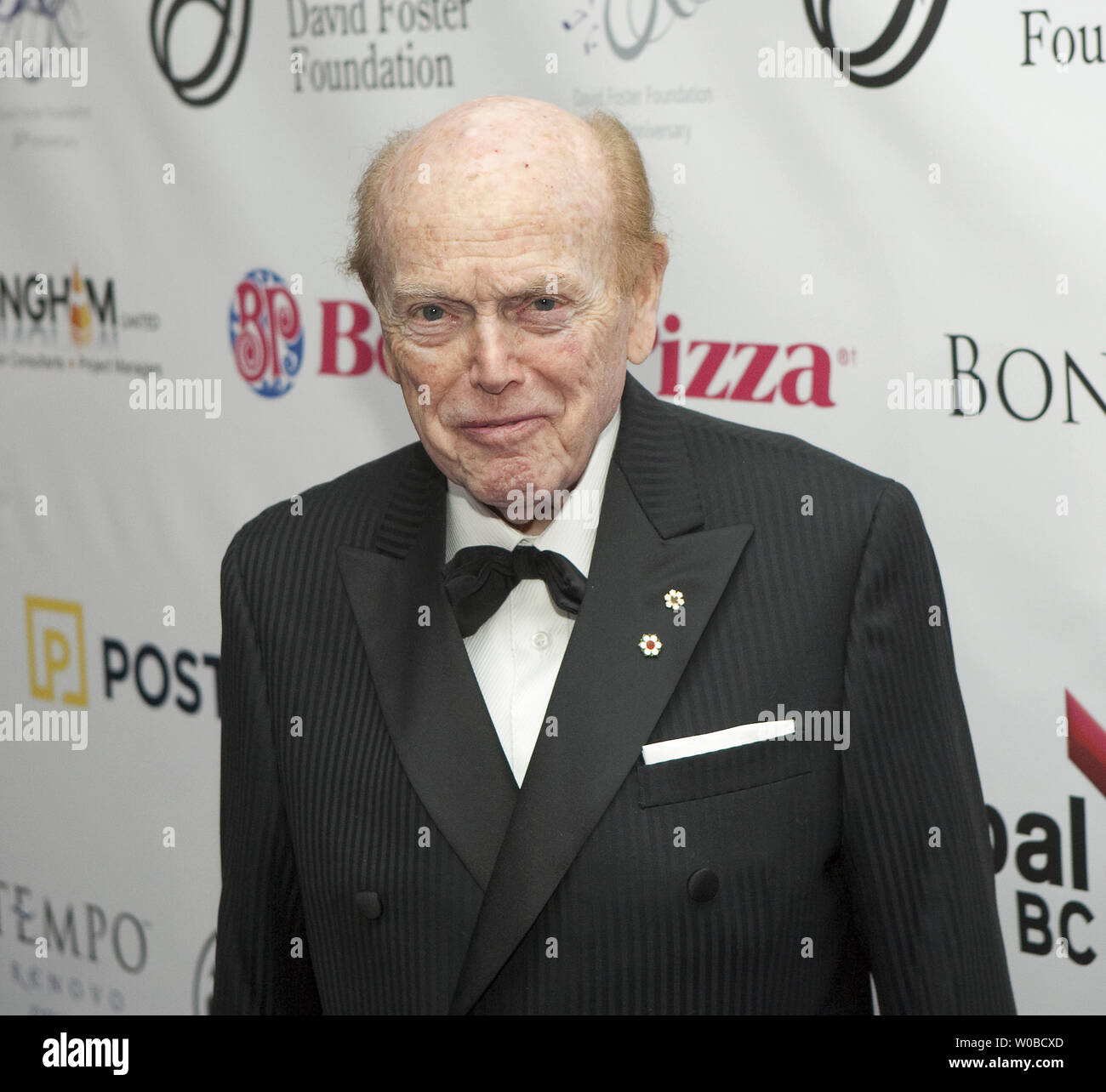
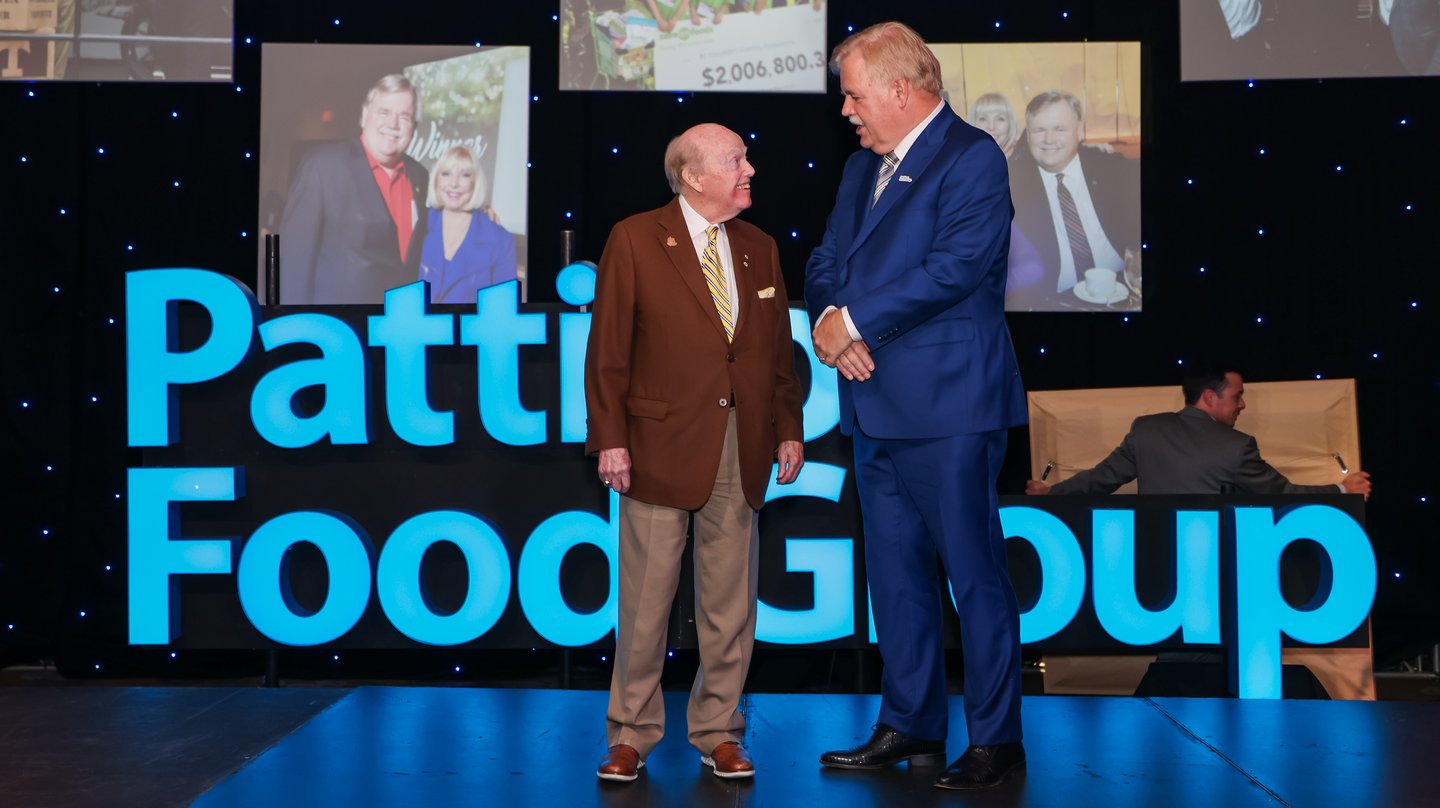
Jim Pattison is the founder, chairman, and CEO of the Jim Pattison Group, one of Canada’s largest and most diverse privately held conglomerates. From a single Pontiac dealership in 1961, Pattison built a multi-billion-dollar empire spanning grocery chains, media outlets, automotive groups, and global entertainment brands like Ripley’s Believe It or Not!
As of 2026, the Jim Pattison Group continues to serve as a titan of Canadian industry. Headquartered in Vancouver, British Columbia, the organization operates across dozens of countries, employing tens of thousands of people. Unlike many of his contemporaries who sought the liquidity of public markets, Pattison has maintained private control over his holdings, allowing for a long-term investment horizon and a distinct corporate culture often described as disciplined and results-oriented. His career is frequently cited as the quintessential Canadian success story, transitioning from a door-to-door salesman to a billionaire philanthropist.
The Foundations of an Entrepreneurial Giant
The story of Jim Pattison begins in Saskatoon, Saskatchewan, during the Great Depression. Born in 1928, Pattison’s early life was defined by the economic hardships of the era, which he has often credited with instilling a relentless work ethic and a deep-seated respect for the value of a dollar. After moving to Vancouver as a child, he spent his youth engaged in various side hustles, from selling garden seeds to delivering newspapers.
Pattison’s professional journey gained momentum in the automotive sector. While attending the University of British Columbia, he worked at a local car lot, eventually realizing that his talent for sales far outweighed his interest in formal academics. In 1961, with a $40,000 loan from the Royal Bank of Canada—a sum that represented a significant risk at the time—he opened his first Pontiac dealership. This single location served as the seed for what would become the Jim Pattison Group.
The success of the first dealership was not a result of luck but of a specific management philosophy: high accountability and aggressive sales targets. This "meritocratic" approach would later become a hallmark of all Pattison-owned entities. By the late 1960s, he began diversifying his interests, moving into the media sector and the grocery industry, beginning a cycle of acquisition and optimization that continues to this day.
Structural Overview of the Jim Pattison Group
By 2026, the Jim Pattison Group has solidified its presence in nearly every facet of the North American economy. The group’s strength lies in its diversification; when one sector faces a cyclical downturn, others typically provide stability. The organization is divided into several core verticals that operate with a high degree of autonomy while reporting back to the central corporate office in Vancouver.
Food and Beverage Holdings
The grocery and food distribution segment is perhaps the most visible part of the empire for the average Canadian. Through the Pattison Food Group, the organization controls a massive share of the Western Canadian market.
- Save-On-Foods: The flagship grocery chain, known for its "Western Family" private label and aggressive expansion into Manitoba and the Yukon.
- Buy-Low Foods and Quality Foods: These banners allow the group to capture different market demographics, from discount shoppers to high-end boutique consumers.
- Ocean Fisheries: A major player in the Pacific Northwest seafood industry, reflecting Pattison’s vertical integration strategy.
Media and Communication
Pattison recognized early on that controlling the "pipes" of information and advertising was a high-margin business. Pattison Outdoor Advertising is currently the largest out-of-home advertising company in Canada, managing thousands of digital and traditional billboards, transit displays, and airport signage. Complementing this is Pattison Media, which operates dozens of radio stations and several television stations across Western Canada, maintaining a localized approach to broadcasting that remains resilient even in the age of digital streaming.
Entertainment and Tourism
One of the more unique aspects of the Pattison portfolio is its global reach through Ripley Entertainment. This division owns and operates:
- Ripley’s Believe It or Not! Odditoriums: Located in major tourist hubs worldwide.
- Guinness World Records: The global authority on record-breaking achievements.
- Great Wolf Lodge (Canadian Rights): A major player in the family resort and waterpark sector.
Automotive and Transportation
Despite the massive growth in other sectors, the automotive group remains a core pillar. The Jim Pattison Auto Group operates dealerships representing brands such as Toyota, Lexus, Chrysler, and Volvo. Furthermore, Jim Pattison Lease has evolved into one of Canada’s largest commercial fleet management companies, providing long-term lease solutions for businesses across the country.
Strategic Business Model: The Private Advantage
A primary reason for Jim Pattison’s sustained success is his insistence on keeping the company privately held. In an era where many large corporations are beholden to quarterly earnings reports and the whims of public shareholders, the Jim Pattison Group operates with a different set of rules.
- Reinvestment of Profits: Without the need to pay out dividends to public shareholders, Pattison has historically reinvested a vast majority of the company's earnings back into new acquisitions and capital improvements.
- Long-Term Horizon: The group can afford to buy underperforming assets and spend years turning them around without fear of a stock price collapse.
- Confidentiality: As a private entity, the group does not have to disclose its exact profit margins or strategic maneuvers to competitors, providing a significant tactical advantage in negotiations.
The management style is famously decentralized. Pattison typically hires strong managers for each division and gives them the freedom to operate as if they owned the business themselves. However, this autonomy comes with strict performance expectations. Historically, the group was known for a "bottom 10 percent" rule, where underperformers were frequently cycled out, although this has evolved into a more modern, comprehensive performance management system as the company grew in the 21st century.
Comparison of Key Business Verticals (2026 Data)
| Sector | Primary Brands | Geographic Reach | Strategic Focus |
|---|---|---|---|
| Retail Food | Save-On-Foods, Buy-Low Foods | North America | Market density and private label growth. |
| Media | Pattison Media, Pattison Outdoor | Canada | Digital integration of traditional billboards. |
| Entertainment | Guinness World Records, Ripley's | Global | High-traffic tourist destination ownership. |
| Automotive | Jim Pattison Auto Group, JP Lease | Canada | Fleet management and luxury brand retail. |
| Forestry | Canfor (Major Shareholder) | Global | Sustainable lumber and pulp production. |
| Packaging | Genpak, Montebello Packaging | North America | Industrial and food-grade supply chains. |
Philanthropy and Civic Contributions
Beyond his business acumen, Jim Pattison is one of Canada’s most prolific philanthropists. His approach to giving is as disciplined as his approach to business, often focusing on healthcare and education where the impact can be quantified and sustained.
In 2017, he made a historic $75 million donation to the St. Paul’s Foundation to help build the Jim Pattison Medical Centre in Vancouver. His contributions also led to the creation of the Jim Pattison Children’s Hospital in Saskatoon, which has become a center of excellence for pediatric care in the Prairies. Pattison is a signatory of The Giving Pledge, a commitment by the world's wealthiest individuals to give away the majority of their wealth to philanthropic causes.
His civic involvement also extended to major public events. He was the chair and president of Expo 86 in Vancouver, a role he took on for a salary of one dollar. His leadership is widely credited with turning the event into a financial and cultural success, which fundamentally changed Vancouver’s status on the world stage.
Wealth and Financial Standing in 2026
As of 2026, Jim Pattison’s net worth remains a subject of great interest to financial analysts. While exact figures are difficult to pin down due to the private nature of his company, estimates consistently place him among the top five wealthiest individuals in Canada.
His wealth is not held in a single stock but is diversified across thousands of pieces of real estate, massive fleets of vehicles, and essential service industries like groceries and packaging. This diversification has protected his fortune from the volatility of the tech sector or the energy markets. In 2026, the Jim Pattison Group generates annual revenues estimated in the range of $15 billion to $16 billion CAD, a testament to the scale of the operations he built from a single used-car lot.
Succession and the Future of the Group
A recurring question in Canadian business circles throughout the 2020s has been the succession plan for the Jim Pattison Group. Given that Pattison has remained active well into his 90s, the organization has had ample time to prepare for a transition.
Pattison has publicly stated that the company will remain private and that a professional management team is in place to ensure continuity. The group’s board includes seasoned executives from within the various divisions, ensuring that the "Pattison Way"—a culture of discipline, frugality, and customer service—persists. By 2026, the transition toward a corporate structure less dependent on the founder’s daily input is largely complete, though his influence remains embedded in the company's DNA.
Frequently Asked Questions
How did Jim Pattison get his start in business?
Jim Pattison started by selling various goods door-to-door as a child. He eventually worked at a gas station and then a car dealership while attending university. In 1961, he used a bank loan to open a Pontiac dealership in Vancouver, which became the foundation of the Jim Pattison Group.
What is the most famous company owned by Jim Pattison?
While Save-On-Foods is the most recognizable brand in Canada, Ripley’s Believe It or Not! and Guinness World Records are his most famous brands on a global scale. These entities operate in dozens of countries and attract millions of visitors and readers annually.
Is the Jim Pattison Group a public company?
No, the Jim Pattison Group is a private company. This means it is not traded on any stock exchange like the TSX or NYSE. Jim Pattison is the sole owner, which allows the company to operate without the public disclosure requirements of a listed firm.
Does Jim Pattison still work?
Even in 2026, Jim Pattison is known for his incredible longevity and work ethic. While he has a massive executive team to handle daily operations, he has historically remained involved in major strategic decisions and continues to visit various business locations to check on operations firsthand.
How much is Jim Pattison worth in 2026?
Estimates vary because his assets are private, but his net worth is consistently valued at over $10 billion USD (approx. $13.5 billion CAD). His wealth is primarily derived from his 100% ownership of the Jim Pattison Group and significant shares in public companies like Canfor.
Final Recommendation for Business Observers
For those looking to understand the mechanics of long-term wealth creation, studying the career of Jim Pattison offers several vital lessons. First, diversification is the best defense against economic cycles. Second, maintaining private ownership provides a strategic advantage in terms of agility and long-term planning. Finally, the importance of a hands-on management culture cannot be overstated. Investors and entrepreneurs should look to the Jim Pattison Group as a model of how to scale a small business into a multi-national conglomerate through disciplined acquisition and operational excellence.