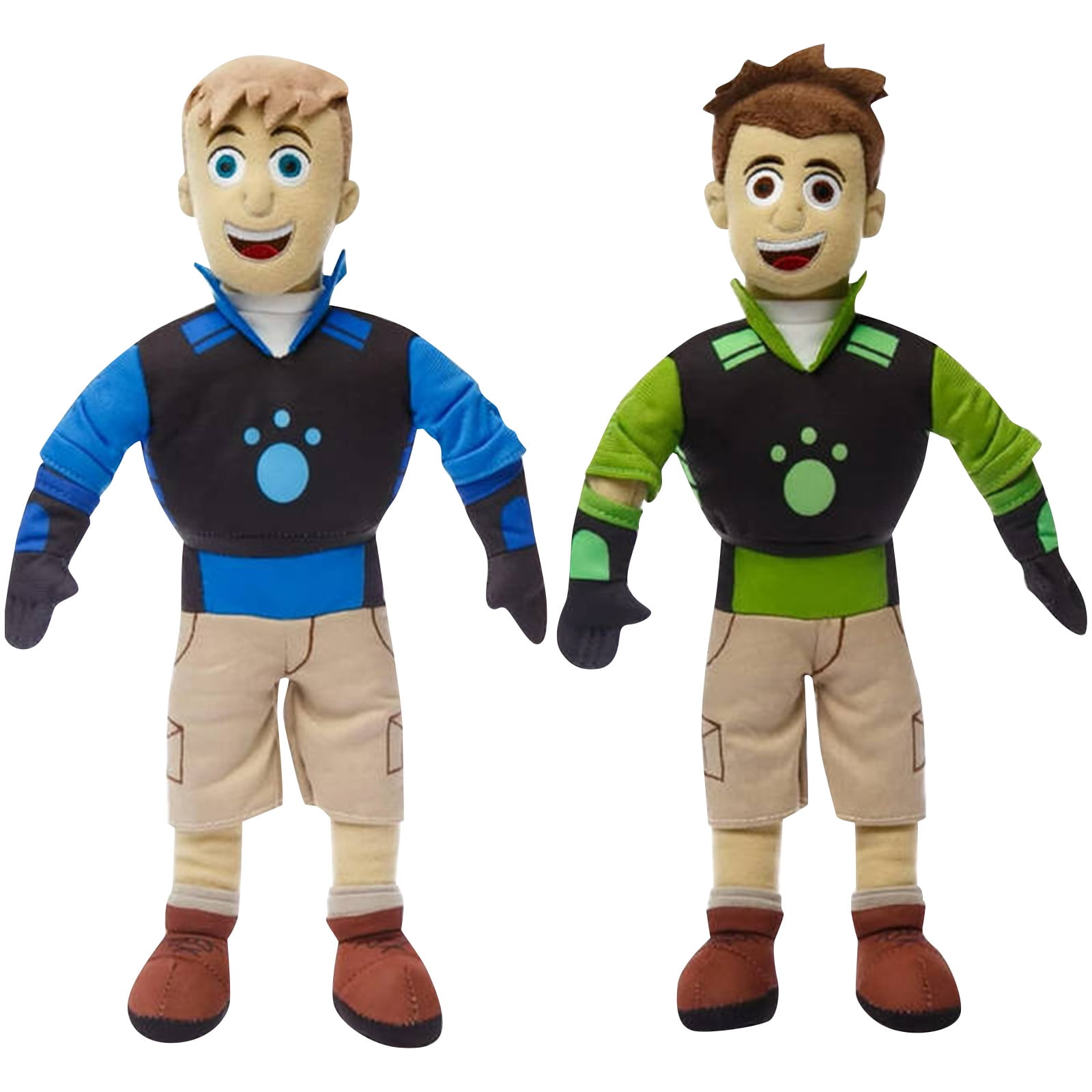
Martin Kratt is an American educational nature show creator, zoologist, and animator best known for co-founding the Kratt Brothers Company and starring in global hits such as Wild Kratts, Zoboomafoo, and Kratts’ Creatures. Alongside his brother Chris, Martin has spent over three decades making zoology accessible to children through a blend of live-action wildlife filming and innovative animation.
As of 2026, Martin Kratt remains a central figure in children's media, with his flagship program Wild Kratts continuing to serve as a cornerstone of science education on PBS Kids and international networks. His work is characterized by a "creature-centric" philosophy that emphasizes animal biology, conservation, and the ecological importance of every species, from the largest mammals to the smallest insects.
Early Life and Academic Foundations in Zoology
Martin William Kratt was born on December 23, 1965, in Warren Township, New Jersey. Growing up in a suburban environment, Martin and his younger brother Chris developed an early fascination with the natural world, often spending their time exploring local woods and tracking wildlife. This childhood curiosity was not a passing phase; it became the blueprint for their professional lives.
To provide a scientific backbone to his passion, Martin attended Duke University, where he earned a Bachelor of Science in Zoology. His time at Duke was formative, providing him with the rigorous biological training necessary to ensure that his future television programs were factually accurate. During his college years, he began to realize that while traditional nature documentaries were informative, they often failed to engage younger audiences. He saw a gap in the market for "edutainment" that combined the thrill of adventure with the specifics of animal behavior and physiology.
Martin’s educational background distinguishes him from many children’s television hosts. He is not merely a presenter reading a script; he is a trained zoologist who understands the nuances of animal habitats, predator-prey dynamics, and evolutionary biology. This expertise allows him to translate complex scientific concepts—such as the echolocation of a bat or the bioluminescence of a deep-sea jellyfish—into narratives that children can easily grasp and retain.
The Evolution of the Kratt Brothers Brand
The career of Martin Kratt is best understood through the progression of his television series, each of which targeted a slightly different demographic or utilized different media formats to convey its message.
Kratts' Creatures (1996)
This was the brothers' first major foray into national television. Airing on PBS, Kratts' Creatures featured the brothers traveling the world to document animals in their natural habitats. The show was notable for its high energy and the brothers' willingness to get close to the action. It established the "Kratt" persona: Martin, often seen in blue, and Chris, in green, acting as the audience's exuberant guides into the wild.
Zoboomafoo (1999–2001)
Zoboomafoo shifted the focus toward a younger, preschool-aged audience. The show introduced "Animal Junction," a magical workshop where the brothers were joined by a Coquerel's sifaka lemur named Zoboomafoo (portrayed by the lemur Jovian and a talking puppet). This series was a masterclass in early childhood education, using catchy songs, claymation segments, and visits from "animal friends" to teach basic biological facts. The show remains a nostalgic touchstone for the "Millennial" and "Gen Z" generations, cementing Martin’s status as a household name in educational media.
Be the Creature (2003–2004)
Broadening their reach, Martin and Chris produced Be the Creature for the National Geographic Channel. This series was more documentary-focused and aimed at a family audience rather than just children. The brothers lived with specific animal groups (such as lions or African wild dogs) for weeks at a time, attempting to see the world from the animal's perspective. It demonstrated Martin’s range as a filmmaker and his commitment to authentic wildlife observation.
Wild Kratts and the Power of Animation
In 2011, Martin Kratt launched his most successful and enduring project to date: Wild Kratts. By 2026, the show has surpassed 15 years of continuous production, a rare feat in children’s programming.
The genius of Wild Kratts lies in its hybrid format. Each episode begins and ends in live-action, with Martin and Chris introducing a specific animal. However, the core of the episode is animated. This transition allowed the brothers to overcome the primary limitation of live-action wildlife filming: the difficulty of capturing specific behaviors on demand. In the animated world, the brothers use "Creature Power Suits" to transform and gain the abilities of the animals they are studying.
The "Creature Power" Concept This concept serves as a brilliant pedagogical tool. Instead of simply telling children that a cheetah is fast, the show "allows" Martin to gain cheetah speed, explaining the skeletal structure and muscle fibers that make that speed possible. This approach focuses on:
- Biological Specifications: Explaining how an animal's body is "engineered" for survival.
- Physics and Mechanics: Demonstrating how flight, swimming, or climbing works in the animal kingdom.
- Conservation Advocacy: Every episode features a "villain" whose actions (habitat destruction, poaching, or pollution) threaten the creatures, teaching children the importance of environmental stewardship.
The Business and Production Behind the Scenes
Martin Kratt is not only the star of his shows but also a primary writer, director, and producer. The Kratt Brothers Company, based in Ottawa, Ontario, Canada, handles the development of their series. Choosing Ottawa as a base was a strategic move, as the city is a hub for animation talent and provides access to diverse Canadian wildlife.
Managing a global brand requires a balance between commercial success and educational integrity. Martin has been vocal about maintaining the "science-first" approach of the company. While there is a vast array of Wild Kratts merchandise—including toys, books, and clothing—the core mission remains the dissemination of zoological knowledge. In 2026, the company continues to expand its digital footprint, offering interactive apps and virtual reality experiences that allow children to explore ecosystems from their own homes.
Comparative Overview of Major Series
| Series Title | Years Active | Primary Format | Target Audience | Key Educational Focus |
|---|---|---|---|---|
| Kratts' Creatures | 1996 | Live-Action / Documentary | School-age Children | General Zoology & Exploration |
| Zoboomafoo | 1999–2001 | Live-Action / Puppet / Claymation | Preschool | Animal Identification & Basics |
| Be the Creature | 2003–2004 | Documentary | Families / Adults | Behavioral Ecology |
| Wild Kratts | 2011–Present | Animation / Live-Action | 6–12 Year Olds | Anatomy, Physics, & Conservation |
Personal Life and Environmental Advocacy
Martin Kratt has successfully kept his private life relatively low-profile despite his international fame. He is married to Laura Wilkinson, whom he wed in 2000. The couple has two sons, Ronan and Gavin. In a testament to the family-oriented nature of his work, Martin’s sons have occasionally participated in his projects, providing voices for characters in Wild Kratts or appearing in live-action segments.
Beyond the screen, Martin is a dedicated conservationist. Through the Kratt Brothers Creature Hero Society, a non-profit organization, he and Chris work to empower children to take action in wildlife conservation. The society funds land protection projects, such as the "Grizzly Gulch" initiative, which helped secure a critical wildlife corridor for grizzly bears and other species in the Rocky Mountains.
His approach to advocacy is rooted in "positive reinforcement." Rather than using scare tactics about climate change or extinction, Martin focuses on building an emotional connection between children and animals. His philosophy is that a child who loves a "Creature" will naturally grow into an adult who wants to protect it.
Technical Specifications of the Kratt Philosophy
For educators and parents looking to understand the depth of Martin Kratt's work, it is important to note the specific scientific themes he consistently incorporates:
- Niche Specialization: Explaining why certain animals thrive in specific environments (e.g., the specialized hooves of a mountain goat).
- Symbiosis: Highlighting the relationships between species, such as cleaner fish on a shark or the pollination role of bees.
- Adaptive Radiation: Showing how different species evolved from common ancestors to fill different ecological roles.
- Taxonomy: Introducing children to the classification of animals into families, orders, and genus, often using the correct scientific terminology without oversimplifying.
Frequently Asked Questions
Is Martin Kratt still producing new episodes of Wild Kratts in 2026?
Yes, as of 2026, Wild Kratts is still in active production. The show has maintained its popularity through frequent "specials" and new seasons that explore rarer ecosystems, such as the deep-sea trenches and the remote regions of the Arctic. Martin continues to serve as an executive producer and lead voice actor.
Which Kratt brother is older, Martin or Chris?
Martin Kratt is the older brother. He was born in 1965, while Chris was born in 1969. In their various shows, this dynamic is sometimes touched upon through friendly sibling rivalry, though they are presented as equal partners in their wildlife adventures.
Where did Martin Kratt study zoology?
Martin Kratt earned his Bachelor of Science in Zoology from Duke University. His academic background is a key component of the brand's credibility, ensuring that the "Creature Powers" and animal facts presented in the shows are based on actual biological data.
Does Martin Kratt live in Canada or the United States?
While originally from New Jersey, Martin Kratt has lived in Ottawa, Ontario, for many years. This is where the Kratt Brothers Company and its animation studio are located. The move to Canada was largely influenced by the country’s robust animation industry and support for educational media.
What happened to the lemur from Zoboomafoo?
The live-action lemur, a Coquerel's sifaka named Jovian, lived at the Duke Lemur Center. Jovian passed away of natural causes in 2014 at the age of 20. He remains an iconic figure in the history of children's television, and the Kratt brothers have frequently paid tribute to his role in inspiring a generation of animal lovers.
Final Recommendation for Parents and Educators
To maximize the educational value of Martin Kratt’s work, it is recommended to utilize the "comprehensive viewing" strategy. For children interested in a specific animal, parents should encourage them to watch the corresponding Wild Kratts episode and then visit the official PBS Kids Wild Kratts website to engage with the interactive "Creaturepedia." This multi-sensory approach—combining visual storytelling with interactive data—reinforces the scientific concepts Martin Kratt has spent his career perfecting. For those interested in supporting his conservation work, the Kratt Brothers Creature Hero Society provides resources for children to start their own local environmental projects.