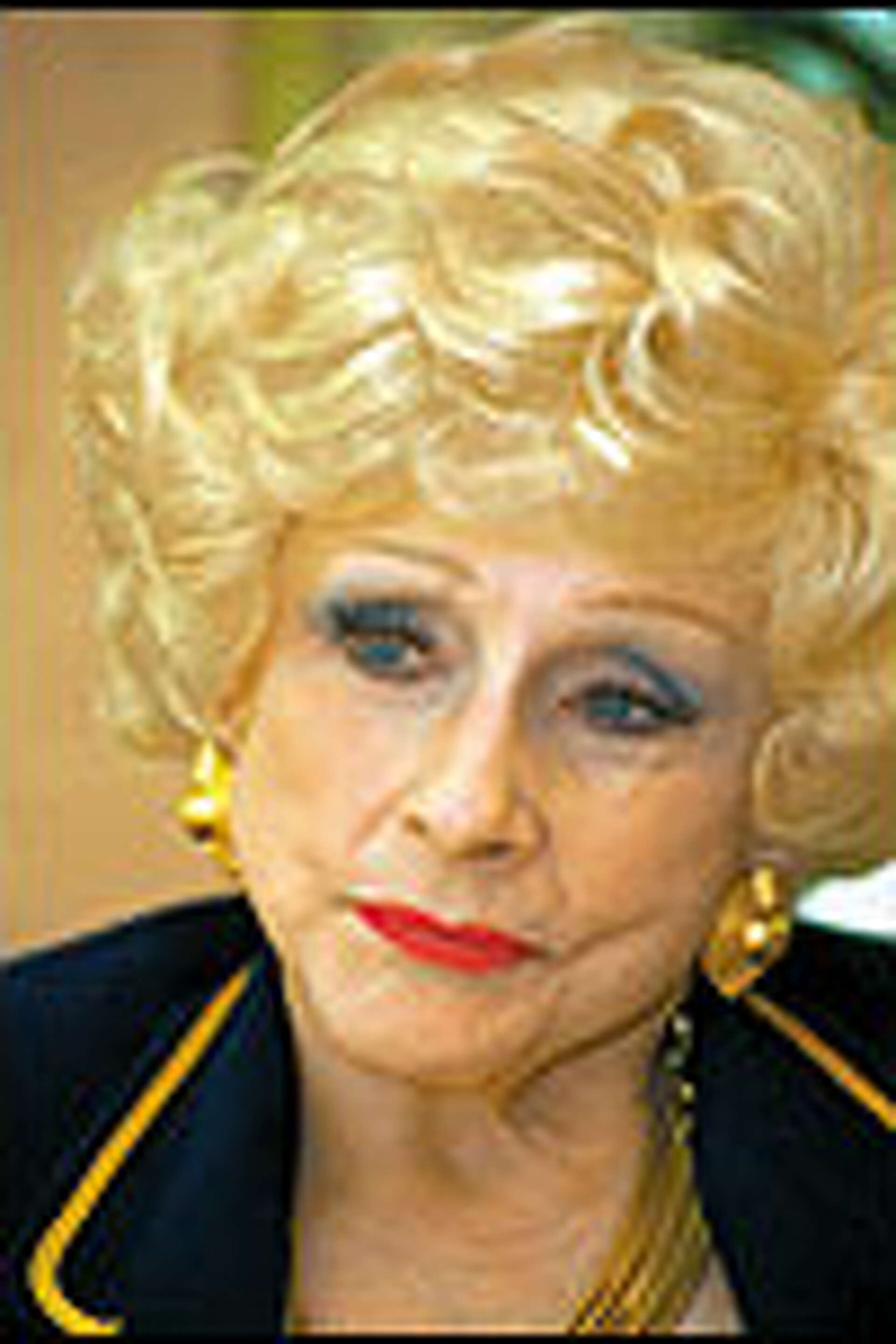
Mary Kay Ash achieved her status as a global business icon primarily through practical experience and self-education rather than formal collegiate degrees. After graduating from Reagan High School in Houston, she briefly attended the University of Houston before committing to a 25-year career in direct sales. Her enduring legacy stems from her 1963 founding of Mary Kay Cosmetics, which transformed the corporate landscape by prioritizing female empowerment, recognition-based incentives, and a "Golden Rule" philosophy.
The Formative Years: Early Education and the "You Can Do It" Mindset
To understand the business legacy of Mary Kay Ash, one must first examine the informal education she received during her childhood in Hot Wells, Texas. Born Mary Kathlyn Wagner in 1918, her earliest lessons were not found in textbooks but in the responsibilities she assumed at a young age. While her mother worked long hours managing a restaurant to support the family during her father’s illness, Mary Kay was tasked with cleaning the house and cooking for her father.
During these formative years, her mother became her primary educator in resilience. Whenever Mary Kay faced a daunting task, her mother would tell her, "You can do it, Mary Kay." This psychological grounding served as the bedrock for her future leadership style.
In terms of formal schooling, she attended Reagan High School in Houston, where she excelled in public speaking and debate—skills that would later define her career as a motivational leader. She graduated in 1934, but the economic realities of the Great Depression and an early marriage to Ben Rogers altered her academic path. While she harbored ambitions of higher education, the immediate need to support a household took precedence.
The University of Houston and the Pivot to Practical Sales
Following the end of World War II and the dissolution of her first marriage, Mary Kay Ash recognized the need for professional advancement. She briefly enrolled at the University of Houston, intending to pursue a degree that would offer her more stability. However, the pressures of single motherhood and the burgeoning opportunities in the direct sales industry led her to leave the university before completion.
This departure from formal academia was not a rejection of learning, but a pivot toward a different kind of education: the psychology of the sale. She joined Stanley Home Products, a direct-sales company where she learned the "party plan" model. Here, her education was immersive. She studied how women interacted in social settings, what motivated them to purchase household goods, and how to recruit and train others. By the time she moved to the World Gift Company in the 1950s, she was arguably one of the most educated individuals in America regarding the nuances of consumer behavior and female-led sales forces.
The Catalyst for Legacy: Addressing Workplace Inequity
The defining moment for Mary Kay Ash’s business legacy occurred in 1963, when she retired from the World Gift Company. Despite her 25 years of experience and her role in training numerous men for management positions, she was repeatedly passed over for promotions in favor of the very men she had trained. In many instances, these men were offered salaries twice as high as hers.
Frustrated by the "glass ceiling" long before the term became mainstream, she initially sat down to write a book intended to help women navigate the male-dominated business world. As she drafted her advice, she realized she had inadvertently created a business plan for a "dream company." This realization shifted her focus from writing about business to building one.
With her life savings of $5,000 and the support of her second husband, George Hallenbeck (who passed away just a month before the company launched), and her son Richard Rogers, she opened "Beauty by Mary Kay" on September 13, 1963, in a small Dallas storefront.
The Strategic Architecture of Mary Kay Cosmetics
Mary Kay Ash did not just build a makeup company; she built a socioeconomic engine designed to bypass traditional employment barriers. Her business legacy is rooted in several specific innovations that were radical for the early 1960s:
1. The Wholesale-Retail Split
Unlike other direct sales companies of the era, Mary Kay implemented a system where consultants purchased products at wholesale and sold them at a 50% markup. This provided immediate, tangible profit, allowing women to see the direct correlation between their effort and their income.
2. The Recognition Culture
Understanding that many women were undervalued in the home and the workplace, Ash built a culture based on public praise. The "Pink Cadillac," introduced in 1968, became a global symbol of female success. It wasn't just a car; it was a mobile trophy that validated the professional status of the woman driving it.
3. Management Philosophy: The Golden Rule
Ash famously stated that she founded her company on the "Golden Rule" (treating others as you would want to be treated) and the priorities of "God first, family second, and career third." In the high-pressure corporate environment of the mid-20th century, this was revolutionary. It allowed women to integrate their professional ambitions with their personal lives rather than forcing a choice between the two.
Educational Legacy: Mary Kay on People Management
Although she lacked an MBA, Mary Kay Ash became a recognized authority on leadership. Her 1984 book, Mary Kay on People Management, is still studied in business schools today for its insights into human motivation. Her core educational philosophy was that every person wears an invisible sign that says, "Make Me Feel Important."
Her legacy includes the establishment of a training system that functioned as a surrogate business school for millions of women. For many Beauty Consultants, the Mary Kay seminars provided their first formal training in accounting, public speaking, inventory management, and goal setting.
The Global Impact and Current Standing in 2026
As of 2026, the legacy of Mary Kay Ash remains a cornerstone of the global beauty industry. The company transitioned from a publicly traded entity back to a private, family-owned business in 1985, allowing it to maintain its core values without the quarterly pressure of shareholders.
Today, Mary Kay Inc. operates in nearly 40 countries, with a multi-billion dollar annual turnover. The business model has successfully adapted to the digital age, integrating social media and e-commerce platforms while maintaining the personal touch of the "Skin Care Class" that Ash pioneered.
Mary Kay Ash Business Milestones and Historical Context
| Era/Year | Milestone | Impact on Legacy |
|---|---|---|
| 1934 | High School Graduation | Developed foundational debate and public speaking skills. |
| 1940s-50s | Stanley Home Products / World Gift | Mastered the "Party Plan" sales model and identified gender pay gaps. |
| 1963 | Launch of Mary Kay Cosmetics | Founded the company with $5,000 and 9 skin care products. |
| 1968 | First Pink Cadillac Awarded | Created a global icon for female professional achievement. |
| 1984 | Publication of People Management | Solidified her status as a leadership philosopher and educator. |
| 1996 | Founding of the Mary Kay Foundation | Expanded her legacy into philanthropy, targeting cancers affecting women. |
| 2001 | Death of Mary Kay Ash | The company continued under her son Richard Rogers, preserving her culture. |
| 2026 | Current Global Status | Operates as a multi-billion dollar private entity in nearly 40 markets. |
Philanthropy as a Core Component of Her Legacy
The legacy of Mary Kay Ash is inextricably linked to her philanthropic efforts. In 1996, she established the Mary Kay Foundation (now the Mary Kay Ash Foundation). Her motivation was deeply personal, as her third husband, Mel Ash, died of cancer. The foundation focuses on two primary missions:
- Eliminating Cancers Affecting Women: Funding research for breast, ovarian, and uterine cancers.
- Ending Domestic Violence: Providing grants to women's shelters and support programs across the United States.
By 2026, the foundation has donated over $100 million to these causes, extending her influence far beyond the realm of cosmetics and into the fields of medical research and social advocacy.
Challenges and Modern Perspectives
While Mary Kay Ash is celebrated as a pioneer, her business model—often classified as Multi-Level Marketing (MLM)—has faced scrutiny over the decades regarding the earnings potential of those at the bottom of the sales force. However, supporters argue that Ash’s model was always about "enriching women's lives" by providing an opportunity that the traditional corporate world denied them.
Her legacy in 2026 is viewed through the lens of "Social Selling." Long before influencers on Instagram or TikTok, Mary Kay's consultants were building personal brands and community-based networks. She anticipated the shift toward relationship-based commerce by over half a century.
FAQs
Did Mary Kay Ash have a college degree?
No, Mary Kay Ash did not complete a college degree. She briefly attended the University of Houston after her first marriage ended, but she left the institution to focus on her sales career and support her three children. Her "education" was primarily experiential, gained through 25 years in the direct sales industry.
How much money did she use to start Mary Kay Cosmetics?
She started the company in 1963 with $5,000, which was her entire life savings at the time. This capital was used to purchase the formulations for her original skin care products, lease a small office in Dallas, and buy initial inventory.
Why is the Mary Kay Cadillac pink?
The iconic color was chosen in 1968 when Mary Kay Ash went to a Cadillac dealership and asked for a car to be painted the same color as the pale pink lip and eye palette she carried in her purse. It eventually became the hallmark reward for top-performing sales directors.
Is Mary Kay Ash still alive in 2026?
No, Mary Kay Ash passed away on November 22, 2001, at the age of 83. The company has remained in her family's control as a private entity since 1985, with her son Richard Rogers serving in various leadership capacities following her death.
What is the most famous book written by Mary Kay Ash?
Her most influential work is arguably Mary Kay on People Management (1984), which details her philosophy on leadership and employee motivation. She also wrote an autobiography titled Mary Kay: You Can Have It All (1995).
Next Actions for Aspiring Entrepreneurs
For those looking to draw inspiration from Mary Kay Ash’s legacy, the most practical next step is to study her principles of "Enthusiasm and Recognition." Ash proved that technical education (like a university degree) is often secondary to emotional intelligence and the ability to motivate others.
If you are researching her business model for educational purposes, visiting the Mary Kay Museum in Dallas, Texas, or reviewing the historical archives at the Texas State Historical Association provides deep insights into how she scaled a $5,000 investment into a global empire. Her life demonstrates that identifying a social problem—such as the undervaluation of women in the workforce—and building a solution into a business model is the surest path to an enduring legacy.