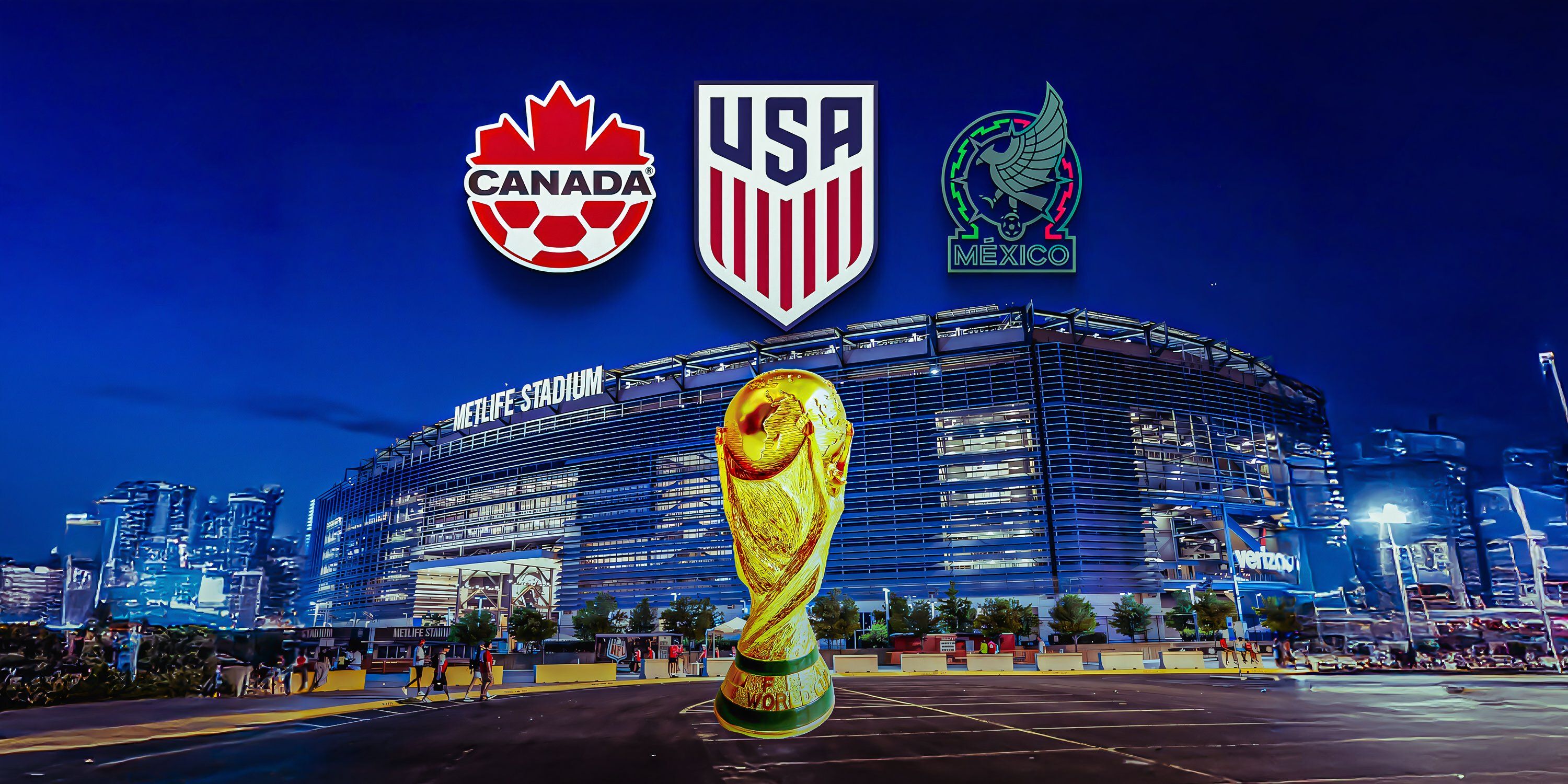
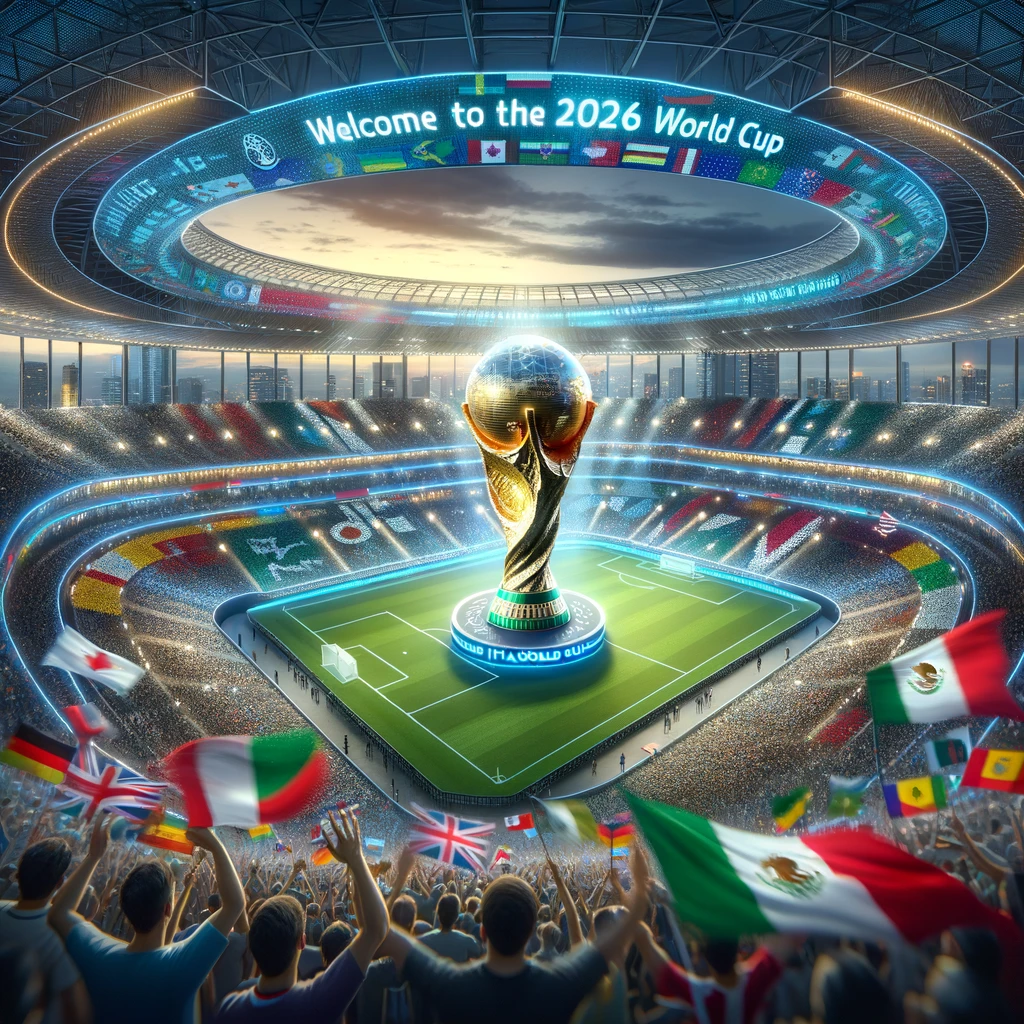
The 2026 FIFA World Cup is the 23rd edition of the quadrennial international men's football championship, jointly hosted across three North American nations: Canada, Mexico, and the United States. Featuring an expanded 48-team format for the first time in tournament history, this monumental sporting event introduces 104 matches played across 16 iconic host cities, promising an unprecedented global celebration of association football.
Overview and Historical Significance of the 2026 Tournament
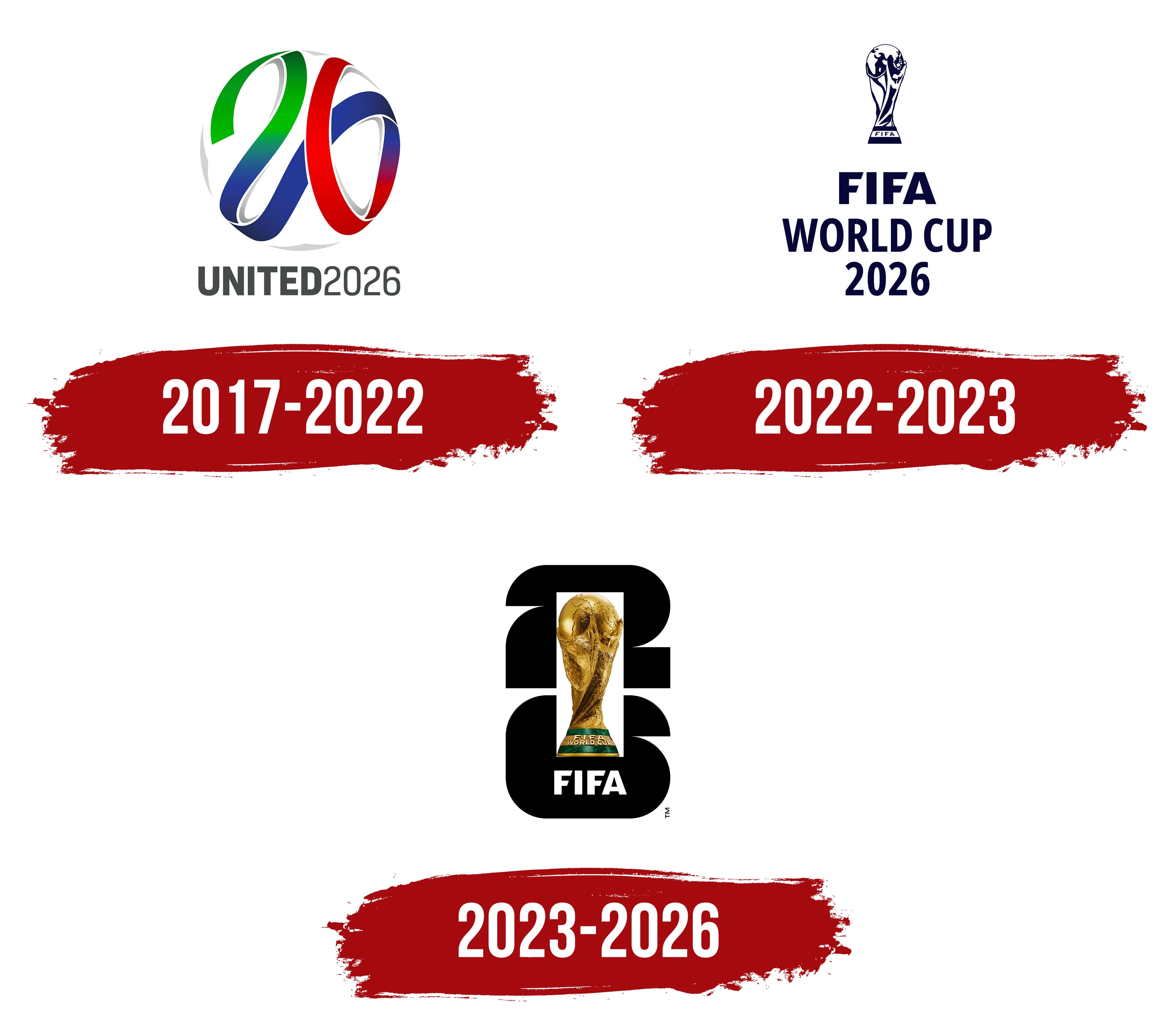
The selection of the joint North American bid—branded as the "United 2026" bid—marked a historic milestone for FIFA. For the first time, three nations share hosting duties for the men's flagship tournament. Mexico becomes the first country to host or co-host the men's World Cup three times, having previously staged the global showcase alone in 1970 and 1986. Canada hosts men's World Cup matches for the very first time, building on its successful delivery of the 2015 FIFA Women's World Cup. The United States returns as a host nation for the first time since 1994, utilizing its world-class American football and soccer stadiums to accommodate massive fan capacities.
This tournament arrives at a transformative time for soccer infrastructure and popularity across North America. Major League Soccer (MLS), the Canadian Premier League (CPL), and Mexico's Liga MX continue to grow in competitive quality and commercial strength. The 2026 World Cup serves as a catalyst for long-term grassroots development, stadium modernization, and community engagement throughout the continent.
Expanded Tournament Format: 48 Teams and 104 Matches
The shift from the traditional 32-team structure to a 48-team format represents the most significant structural expansion in the history of the FIFA World Cup. This change increases competitive opportunities for emerging football nations across every confederation while reshaping the tournament schedule and logistical requirements.
Under the approved tournament structure, the 48 participating national teams are divided into 12 groups of four teams each. During the group stage, every team plays three matches within their group. The top two teams from each of the 12 groups, along with the eight best third-place teams, advance to the knockout rounds. This creates a new Round of 32, followed sequentially by the Round of 16, Quarterfinals, Semifinals, Third-Place Playoff, and the Final.
| Tournament Stage | Number of Teams | Number of Matches | Advancement Criteria |
|---|---|---|---|
| Group Stage | 48 Teams (12 Groups of 4) | 72 Matches | Top 2 per group + 8 best 3rd-place teams |
| Round of 32 | 32 Teams | 16 Matches | Single-elimination winners advance |
| Round of 16 | 16 Teams | 8 Matches | Single-elimination winners advance |
| Quarterfinals | 8 Teams | 4 Matches | Single-elimination winners advance |
| Semifinals | 4 Teams | 2 Matches | Winners advance to Final; losers to 3rd Place |
| Final / 3rd Place | 4 Teams | 2 Matches | Conclusion of tournament |
| Total | 48 Teams | 104 Matches | Complete Tournament Cycle |
This structure increases the total number of matches from 64 (in the 32-team format) to 104. Consequently, the tournament window extends to approximately six weeks, ensuring adequate rest days between matches for player welfare and peak athletic performance.
Host Nations and 16 Official Venues
The 104 matches of the 2026 FIFA World Cup are distributed across 16 world-class venues located within Canada, Mexico, and the United States. FIFA selected these host cities based on rigorous infrastructure evaluations, transportation networks, accommodation capacity, and sustainability commitments.
Canadian Host Cities
- Vancouver, British Columbia: BC Place serves as Western Canada's primary venue, accommodating significant crowds with its state-of-the-art retractable roof and downtown proximity.
- Toronto, Ontario: BMO Field undergoes temporary capacity expansions to host group stage fixtures, representing the cultural and commercial heart of Canadian soccer.
Mexican Host Cities
- Mexico City: Estadio Azteca, one of the most storied cathedrals in world football history, hosts marquee matches, including the tournament's opening fixture.
- Guadalajara: Estadio Akron provides a modern architectural marvel in Mexico's second-largest metropolitan area.
- Monterrey: Estadio BBVA offers breathtaking mountain backdrops and world-class amenities in northern Mexico.
United States Host Cities
The United States hosts the vast majority of the tournament across 11 metropolitan regions:
- Atlanta: Mercedes-Benz Stadium (dome facility with a retractable halo board).
- Boston (Foxborough): Gillette Stadium (historic New England football fortress).
- Dallas (Arlington): AT&T Stadium (massive indoor seating capacity).
- Houston: NRG Stadium (retractable roof venue in Texas).
- Kansas City: Arrowhead Stadium (renowned for electric fan atmospheres).
- Los Angeles (Inglewood): SoFi Stadium (state-of-the-art multi-billion-dollar entertainment complex).
- Miami (Gardens): Hard Rock Stadium (premier South Florida sports and entertainment hub).
- New York / New Jersey (East Rutherford): MetLife Stadium (host venue designated for the FIFA World Cup Final).
- Philadelphia: Lincoln Financial Field (historic sports complex venue).
- San Francisco Bay Area (Santa Clara): Levi's Stadium (Silicon Valley tech-forward stadium).
- Seattle: Lumen Field (famed for generating intense acoustic crowd noise).
Qualification Pathway by Confederation
The allocation of the 48 tournament slots provides expanded representation across all six FIFA confederations. Host nations (Canada, Mexico, and the United States) automatically qualify as part of their hosting agreement, with their slots deducted from their respective confederations' direct allocations.
- AFC (Asia): 8 direct slots + 1 inter-confederation playoff spot.
- CAF (Africa): 9 direct slots + 1 inter-confederation playoff spot.
- Concacaf (North/Central America & Caribbean): 6 direct slots (including Canada, Mexico, and the USA) + 2 inter-confederation playoff spots.
- CONMEBOL (South America): 6 direct slots + 1 inter-confederation playoff spot.
- OFC (Oceania): 1 direct slot + 1 inter-confederation playoff spot.
- UEFA (Europe): 16 direct slots.
The inter-confederation playoff tournament features six teams (one from each confederation except UEFA, plus one additional team from the host confederation of Concacaf). This mini-tournament determines the final two participants in the 48-team field.
Ticketing, Travel Logistics, and Fan Experience
Attending or following the 2026 FIFA World Cup requires navigating complex international travel logistics, visa requirements, and official ticketing procedures established by FIFA.
Official Ticketing Phases
FIFA manages all ticket sales exclusively through its official digital platform. Fans must register for random selection draws or purchase tickets during subsequent first-come, first-served sales phases. Resale of tickets is strictly regulated through official FIFA resale platforms to prevent scalping and counterfeit entries. Supporters are strongly advised to avoid third-party marketplaces offering unverified passes.
Cross-Border Travel and Visas
Because the tournament spans Canada, the United States, and Mexico, international travelers must review entry requirements for each respective country. While special sports diplomacy agreements and expedited visa processing frameworks are often explored by host governments, standard consular requirements—such as Electronic Travel Authorizations (eTAs) for Canada, ESTAs for the United States, and standard tourist visas for Mexico—frequently apply depending on the traveler's nationality. Fans planning to follow teams across multiple host nations must secure the correct documentation well in advance of departure.
Frequently Asked Questions
Which countries are hosting the 2026 FIFA World Cup?
The 2026 FIFA World Cup is jointly hosted by three nations: Canada, Mexico, and the United States. Matches are distributed across 16 host cities within these three countries, marking the first time a men's World Cup features three co-hosts.
How many teams will participate in the 2026 tournament?
A total of 48 national teams participate in the 2026 FIFA World Cup, an increase from the 32-team format used from 1998 to 2022. This expansion introduces 12 groups of four teams and a new Round of 32 knockout stage.
How many matches will be played in total?
The expanded 48-team format increases the total number of matches from 64 to 104. The tournament schedule spans approximately six weeks to ensure adequate recovery and rest periods for all competing players.
Where is the 2026 World Cup Final taking place?
The final match of the 2026 FIFA World Cup takes place at MetLife Stadium in East Rutherford, New Jersey, serving the New York metropolitan area.
How can fans purchase official match tickets?
Official tickets are sold exclusively through FIFA's official ticketing portal. Fans must create a FIFA account, monitor announced sales phases, and participate in random selection draws or general sales windows. Avoid unauthorized secondary ticket brokers to guarantee entry.
Practical Next Steps for Fans and Media
For supporters planning to attend matches or follow the tournament globally, preparation should begin early. Monitor the official FIFA website for real-time announcements regarding match schedules, kickoff times, ticket sales windows, and host city fan festival locations. Travelers should simultaneously review passport validity, visa prerequisites, and accommodation options in host metropolitan areas to ensure a seamless tournament experience.