A celebrity roast is a comedic event where a guest of honor is subjected to a series of jokes, insults, and satirical anecdotes by friends, colleagues, and professional comedians. Rooted in the philosophy of "roasting the ones we love," these events balance biting sarcasm with deep-seated respect, concluding with a gracious rebuttal from the roastee.
The celebrity roast has evolved from a private, smoke-filled room tradition in New York City to a global media spectacle. As of 2026, the format has found a new home in live-streaming environments, proving that the public’s appetite for watching the rich and famous be "taken down a peg" remains as strong as ever. To understand the celebrity roast, one must look at its rigid structure, its historical milestones, and the delicate social contract that prevents a night of insults from turning into a night of genuine offense.
The Historical Evolution of the Roast
The concept of the "roast" did not begin on television. Its origins are firmly planted in the New York Friars Club, a private club for entertainers founded in 1904. The first official roast took place there in 1949, honoring Maurice Chevalier. These early events were not broadcast; they were "stag" affairs where the humor was ribald, profane, and strictly confidential. The privacy allowed for a level of honesty and "blue" comedy that was impossible in the mainstream media of the mid-20th century.
The Dean Martin Era (1974–1984)
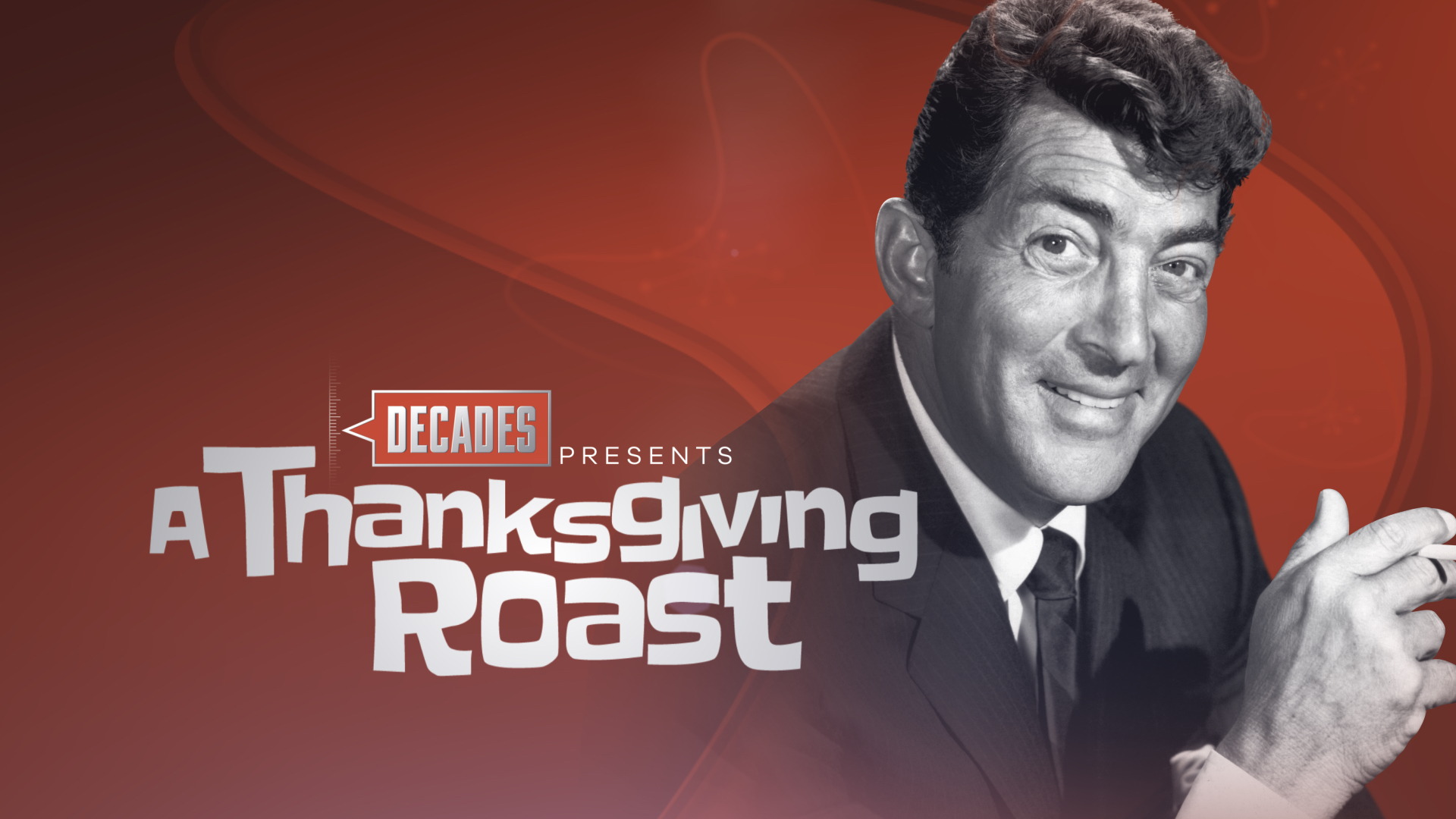
The roast entered the American living room via The Dean Martin Celebrity Roast. Broadcast on NBC, these specials were a spin-off of Martin’s variety show. While the Friars Club roasts were gritty, Martin’s versions were characterized by "Vegas cool." Icons like Frank Sinatra, Lucille Ball, and Jimmy Stewart would sit on the dais, cocktail in hand, laughing as legendary comedians like Don Rickles—the undisputed master of insult comedy—targeted them. These roasts were more polished and significantly cleaner than their predecessors, emphasizing the "tribute" aspect over the "destruction."
The Comedy Central Revival
In the late 1990s and early 2000s, Comedy Central revitalized the format for a younger, more cynical generation. Starting with the roast of Drew Carey in 1998, the network returned to the "blue" roots of the Friars Club. These roasts were characterized by "no-holds-barred" humor that touched on taboo subjects including drug use, failed relationships, and career flops. This era peaked with the roasts of Justin Bieber, Charlie Sheen, and Donald Trump, turning comedians like Jeff Ross (the "Roastmaster General") and Lisa Lampanelli into household names.
The Modern Streaming Era
By 2024 and into 2026, the roast transitioned from cable television to massive live-streaming events. The "Greatest Roast of All Time" featuring Tom Brady on Netflix marked a shift toward high-production, live, unedited broadcasts. This era emphasizes the "cultural moment," where the roast serves as a way for a celebrity to "rebrand" or show vulnerability by laughing at their own public scandals.
The Anatomy of a Roast: Roles and Structure
A celebrity roast follows a specific ritualistic structure. Deviating from this format can ruin the pacing and the comedic payoff.
1. The Roastmaster
The Roastmaster acts as the master of ceremonies. Their job is to set the tone, introduce each member of the dais, and keep the energy high. A good Roastmaster must be able to roast the roasters, ensuring that everyone on stage is a target, not just the guest of honor. They manage the transition between sets and ensure the event doesn't devolve into chaos.
2. The Dais
The Dais refers to the panel of roasters seated on stage. It is typically a mix of professional comedians, who provide the heavy-hitting jokes, and the roastee’s personal friends or coworkers, who provide "inside" stories and emotional weight. In a professional setting, the comedians often write jokes for the non-comedians to ensure the quality of the humor remains consistent.
3. The Guest of Honor (The Roastee)
The guest of honor must possess a "thick skin." Their primary role is to sit on the "hot seat" and react gracefully to the insults. A roastee who looks genuinely hurt or angry ruins the vibe for the audience. The evening always concludes with the rebuttal, where the guest of honor gets the final word, roasting every person on the dais before ending on a note of gratitude.
The Social Contract: "We Only Roast the Ones We Love"
The success of a roast depends on an unwritten social contract between the performers and the subject. Without this foundation, the event is merely a public bullying session.
- Consent: The guest of honor must agree to the event and, in many cases, can set specific boundaries (e.g., "don't mention my children" or "don't talk about a specific legal case").
- The Affectionate Pivot: No matter how brutal the jokes are, the roaster almost always ends their set with a heartfelt compliment. This "pivot" reinforces the idea that the insults are a sign of intimacy.
- Punching Up vs. Punching Down: Effective roasting usually involves "punching up"—mocking the celebrity's wealth, ego, or fame. When a roast feels like it is "punching down" on someone’s genuine misfortunes or tragedies without their consent, it often fails to land with the audience.
Comparing Roast Styles Across Eras
| Era | Primary Platform | Tone | Key Figures | Iconic Moment |
|---|---|---|---|---|
| Friars Club (1949-Present) | Private Club | Raunchy, "Old School" | Milton Berle, Don Rickles | The 1949 Maurice Chevalier Roast |
| Dean Martin (1974-1984) | NBC (Broadcast) | Affectionate, Variety-style | Dean Martin, Ruth Buzzi | The Roast of Jimmy Stewart |
| Comedy Central (1998-2019) | Cable TV | Edgy, Shock-value | Jeff Ross, Greg Giraldo | The Roast of Justin Bieber |
| Streaming Era (2024-Present) | Netflix / Live Stream | Event-driven, High-stakes | Tom Brady, Nikki Glaser | The Roast of Tom Brady (2024) |
The Art of Writing a Roast Joke
Roast writing is a specific discipline within comedy. It relies on the "Rule of Three" and the subversion of expectation. A typical roast joke follows a "Compliment-Twist-Insult" structure.
- The Setup: Establish a premise that sounds like a compliment or a neutral fact. (e.g., "Our guest tonight has had an incredible career...")
- The Misdirection: Use a detail that leads the audience to think the joke is going one way. (... "he’s worked with some of the biggest names in Hollywood...")
- The Punchline: Deliver a sharp, unexpected insult that subverts the setup. (... "mostly because his agent keeps accidentally booking him as an extra.")
One-liners and comparative metaphors are also staples. For example, comparing a celebrity’s aging process to a decaying monument or their career trajectory to a failing stock. In the 2020s, "meta-roasting"—where comedians roast the very act of being at a roast or the irrelevance of their fellow roasters—has become a popular sub-genre.
How to Organize a Celebrity-Style Roast
While professional roasts involve millions of dollars, the format is often adapted for retirement parties, birthdays, or corporate events. To execute a successful DIY roast, follow these steps:
Selection of the Roastee
Choose someone with a sense of humor and a certain level of status or "authority" within the group. Roasting someone who is sensitive or currently going through a hard time is a recipe for disaster.
Vetting the Jokes
For a private event, it is vital to have a "vibe check." Ensure that the jokes, while sharp, do not touch on topics that could cause genuine professional or personal harm. If the roastee has "no-go" zones (e.g., a recent divorce), the organizers must enforce those rules with all speakers.
The Order of Service
Start with the funniest speaker to set the bar high, and place the person with the most sentimental connection toward the end. Always ensure the roastee has at least 5–10 minutes at the end for their rebuttal. This is the most important part of the night for "clearing the air" and ending on a high note.
Professional Scripting
Even for a small event, do not "wing it." Successful roasts are tightly scripted. Encourage speakers to write down their jokes and practice their timing. A roast joke that is delivered poorly or "trails off" can create awkward silence that is hard to recover from.
FAQ: Understanding the Nuances of Celebrity Roasts
Who is the "Roastmaster General"?
Jeff Ross is widely known as the "Roastmaster General." He earned this title through his frequent appearances and leadership in the Comedy Central Roasts and his dedication to the craft of insult comedy. He often appears in a costume (like a general's uniform) and is responsible for many of the most viral moments in roast history.
Are the roasts scripted or improvised?
Most professional celebrity roasts are heavily scripted. Comedians work for weeks or months with a "room" of writers to craft the perfect insults. While the reactions from the guest of honor are often genuine, the "banter" between roasters is usually pre-planned. However, a skilled comedian will improvise if they see an opportunity to react to something unexpected happening in the room.
Have any roasts been "too mean"?
Yes, there have been instances where roasts crossed a line. For example, during the roast of Charlie Sheen, some jokes about his health and family were criticized for being too dark. Similarly, the roast of Ann Coulter (who was a roaster, not the roastee, during the Rob Lowe roast) became infamous because the other roasters targeted her so viciously that the audience's discomfort was palpable.
Can a roast help a celebrity's career?
Absolutely. A roast is a powerful "PR" tool for image rehabilitation. By agreeing to be roasted, a celebrity signals to the public that they are "in on the joke" and don't take themselves too seriously. The Justin Bieber roast is often cited as a turning point where he transitioned from a "troubled teen idol" to a more mature artist by laughing at his past mistakes.
Why do people enjoy watching roasts?
Psychologically, roasts provide a form of catharsis. In a world where celebrities are often placed on pedestals, seeing them mocked helps humanize them. It also satisfies the "schadenfreude" (joy in the misfortune of others) of the audience in a controlled, "safe" environment where everyone knows it is all in good fun.
What is the "rebuttal" and why is it important?
The rebuttal is the final segment of the roast where the guest of honor takes the podium. It is essential because it restores the power balance. By giving the roastee the last word, the event ensures they are a participant in the comedy, rather than just a victim of it. It also allows the guest of honor to show their own comedic chops and thank everyone for coming.
Practical Recommendation: Participating in a Roast
If you are ever asked to speak at a roast or organize one for a friend, the most important advice is to know your audience. The "meanest" joke in the world won't work if the room doesn't feel the underlying affection between the speaker and the subject. Focus on specific, observable traits or well-known stories rather than vague insults. Most importantly, ensure the event ends with a "toast" after the "roast." The transition from mockery to sincere appreciation is what makes the celebrity roast a lasting and beloved tradition in entertainment.