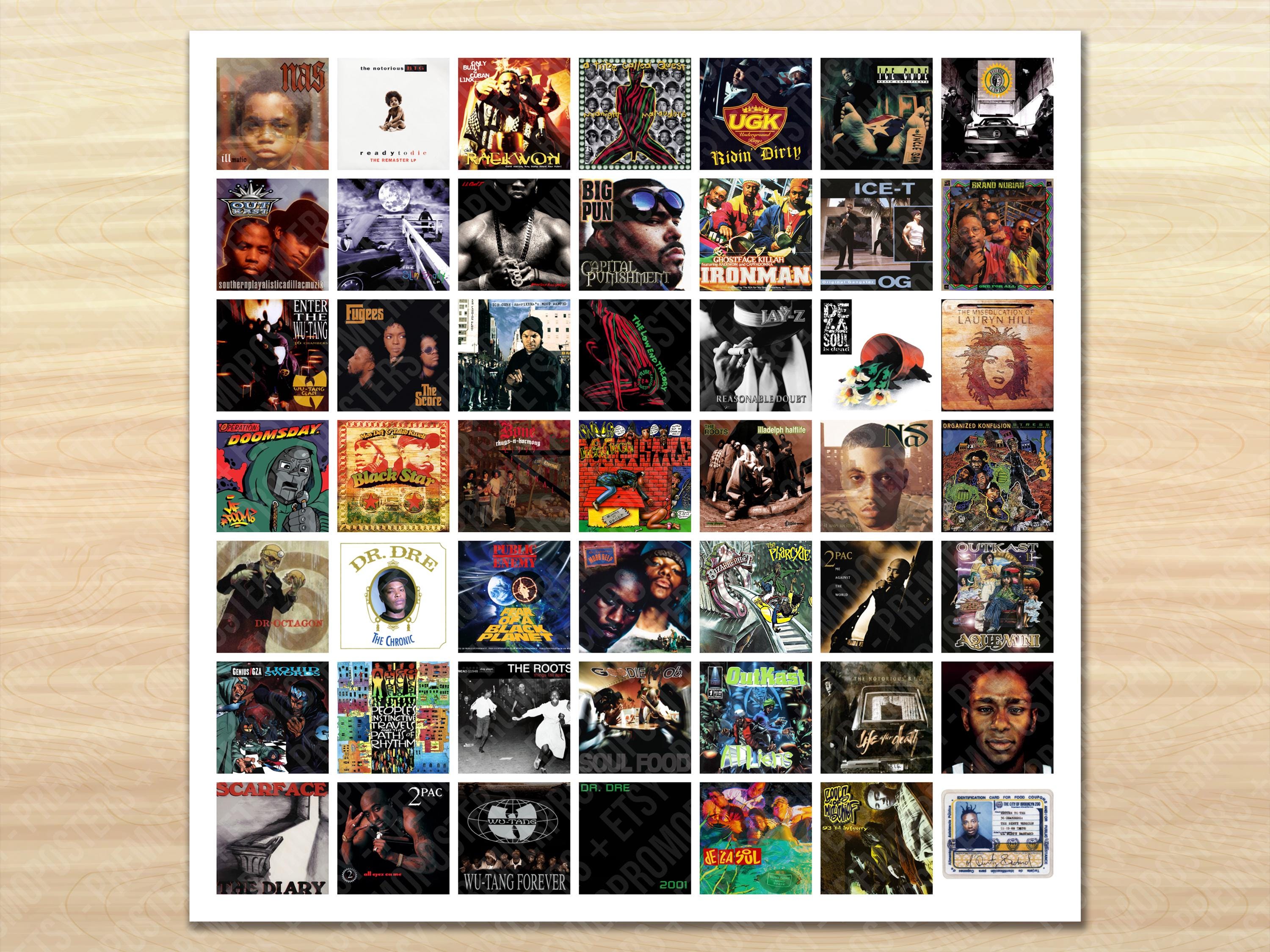
The 1990s rap legacy represents a transformative era in global music and culture, defined by the commercial explosion of hip-hop, regional civil wars between the East Coast and West Coast, and unprecedented lyrical and sonic innovation that continues to influence contemporary popular music, fashion, and language.
Defining the 1990s Rap Legacy
When examining the historical trajectory of popular culture, few decades carry as much cultural weight as the 1990s does for hip-hop. Often referred to as part of the "Golden Age" of rap, this ten-year span transformed a localized, urban American youth movement into a dominant global commercial and artistic force. The legacy of 1990s rap is not merely a collection of nostalgic records; it is the structural foundation upon which modern music distribution, production techniques, and brand culture are built.
During this period, rap music evolved from sample-heavy breakbeat experimentation into sophisticated, high-fidelity studio productions. Artists, producers, and executives established independent power structures that challenged traditional major-label dominance. Understanding this legacy requires analyzing the regional movements, technological shifts, and socioeconomic realities that allowed artists to turn raw street narratives into enduring cultural institutions.
The Regional Landscape and Sonic Evolution
The 1990s hip-hop landscape was largely defined by distinct regional identities. Each major geographical hub developed its own sonic signature, lyrical style, and cultural ethos, creating a diverse national ecosystem that constantly pushed creative boundaries.
The West Coast Boom: G-Funk and Cinematic Realism
At the dawn of the decade, the West Coast seized global attention. Following the groundbreaking success of N.W.A in the late 1980s, artists like Dr. Dre, Snoop Dogg, Ice Cube, and 2Pac (Tupac Shakur) popularized "G-Funk"—a subgenre characterized by smooth, synthesized synthesizer lines, slow-rolling basslines, and heavy interpolation of 1970s funk records, particularly Parliament-Funkadelic.
Dr. Dre’s 1992 album The Chronic set a new benchmark for sonic engineering in rap, proving that hip-hop could achieve pristine, radio-ready fidelity without losing its gritty street perspective. Concurrently, lyricists like Ice Cube and 2Pac used this sonic canvas to deliver vivid, politically charged, and emotionally complex narratives about poverty, police misconduct, and systemic neglect in American inner cities.
The East Coast Renaissance: Boom-Bap and Lyrical Mastery
While the West Coast dominated commercial airwaves early in the decade, the East Coast responded with a gritty, sample-driven renaissance centered in New York City. Producers like DJ Premier, Pete Rock, RZA, and Q-Tip pioneered the "boom-bap" sound—defined by hard-hitting acoustic drum breaks, heavily filtered jazz and soul samples, and intricate multisyllabic rhyme schemes.
Landmark releases such as Nas’s Illmatic (1994), The Notorious B.I.G.’s Ready to Die (1994), and Wu-Tang Clan’s Enter the Wu-Tang (36 Chambers) (1993) established New York as the epicenter of lyrical dexterity and gritty realism. These albums relied on complex internal rhymes, cinematic storytelling, and uncompromising depictions of urban survival, setting a standard for lyrical capability that modern artists still measure themselves against.
The Rise of the South and Midwest
Though coastal rivalries dominated mainstream media coverage, the 1990s also laid the crucial groundwork for the eventual dominance of Southern and Midwestern rap. OutKast emerged from Atlanta with their 1994 debut Southernplayalisticadillacmuzik, introducing a distinct perspective that blended funk, social commentary, and eccentric lyricism long before Southern rap claimed global commercial supremacy. Meanwhile, Memphis groups like Three 6 Mafia pioneered dark, heavily synthesized horrorcore beats that directly influenced modern trap music, while the Midwest produced lightning-fast wordsmiths like Bone Thugs-N-Harmony and Eminem, who signed with Dr. Dre's Aftermath Entertainment toward the end of the decade.
Key Milestones and Regional Subgenres
| Region / Movement | Defining Characteristics | Landmark Artists | Key Albums |
|---|---|---|---|
| West Coast G-Funk | Synthesizer-heavy melodies, slow tempos, Parliament-Funkadelic samples | Dr. Dre, Snoop Dogg, Warren G | The Chronic (1992), Doggystyle (1993) |
| East Coast Boom-Bap | Hard drums, filtered jazz/soul samples, complex multisyllabic rhymes | Nas, The Notorious B.I.G., Wu-Tang Clan | Illmatic (1994), Ready to Die (1994) |
| Southern Pioneers | Live instrumentation, soulful funk influences, distinct regional cadence | OutKast, Goodie Mob, UGK | Southernplayalisticadillacmuzik (1994) |
| Midwest Melody/Speed | Rapid-fire delivery, harmonic vocal arrangements, dark cinematic production | Bone Thugs-N-Harmony, Twista | E. 1999 Eternal (1995) |
Business Innovation: Independence and Mogul Culture
Beyond the music, the 1990s rap legacy reshaped the American business landscape. Hip-hop artists transitioned from being exploited commodities to self-determined entrepreneurs and corporate executives.
The Birth of Independent Empires
Frustrated by traditional record label contracts that offered minimal royalties and creative control, visionary artists and managers established their own independent labels.
- Death Row Records, founded by Suge Knight and Dr. Dre, proved that West Coast independent distribution could generate major-label numbers.
- Roc-A-Fella Records, founded by Jay-Z, Damon Dash, and Kareem Biggs, bypassed traditional gatekeepers by selling CDs out of the trunks of cars before securing major distribution.
- No Limit Records and Cash Money Records in the South created high-volume manufacturing and distribution models that guaranteed high profit margins for their artists.
Fashion, Branding, and Corporate Partnerships
The 1990s also birthed modern streetwear and the lifestyle-brand mogul. Artists realized their cultural capital extended far beyond recorded music. Tommy Hilfiger, Ralph Lauren, and Nautica became unexpected staples of hip-hop fashion, prompting artists to launch their own dedicated clothing lines, such as Sean Combs’s Sean John, Jay-Z’s Rocawear, and Russell Simmons’s Phat Farm. This shift taught corporate America a vital lesson: hip-hop culture dictated youth consumer spending across the entire global market.
Cultural Impact and Modern Influence
The shadow cast by 1990s rap is visible in every corner of contemporary media. Modern streaming algorithms, collaborative fashion capsules, and social media marketing strategies all borrow heavily from the blueprint laid down during this decade.
Lyrical Evolution and Flow
The complex rhyme structures developed by 1990s lyricists—such as Big Pun, Rakim (whose peak influence bridged the late 80s and 90s), and Eminem—elevated rap from simple rhyming couplets to high art. Modern artists frequently credit 90s records as their primary educational textbook. The emphasis on double entendres, internal rhymes, and thematic album cohesion remains the gold standard for critical acclaim in the genre.
Sampling and Production Heritage
Modern producers continue to mine 1990s rap records for inspiration, creating a cyclical ecosystem of sound. Furthermore, the legal landscape of music production was permanently altered during this decade. Landmark copyright lawsuits in the early 1990s—such as Grand Upright Music, Ltd. to Warner Bros. Records Inc.—forced producers to change how they cleared samples, moving away from uncredited, sprawling audio lifts toward deliberate, negotiated clearances and studio-replayed instrumentals.
Frequently Asked Questions
What defines the "Golden Age" of rap music?
The Golden Age generally refers to the late 1980s through the late 1990s, characterized by rapid artistic innovation, the diversification of regional sounds, heightened lyrical complexity, and the commercial maturation of hip-hop as a major cultural force.
Why is 1990s rap considered so influential today?
The decade established the business models, production standards, and aesthetic frameworks that modern artists use. Independent label structures, branded clothing lines, cinematic music videos, and complex storytelling all cemented their roots during this period.
How did the East Coast and West Coast rivalry impact the genre?
While the rivalry tragically resulted in the losses of cultural icons 2Pac and The Notorious B.I.G., it also drove intense creative output. Artists pushed themselves to new technical heights to prove regional supremacy, resulting in some of the most critically acclaimed albums in music history.
What role did independent record labels play in the 1990s?
Independent labels allowed artists to retain ownership of their master recordings and secure larger shares of revenue. This shift paved the way for modern artist-owned streaming services and independent distribution networks.
Next Steps for Exploration
For those looking to deeply understand the 1990s rap legacy, the most effective approach is chronological listening paired with historical context. Start by examining foundational East Coast and West Coast releases from 1992 to 1996, paying close attention to production credits and liner notes. Investigating the business documentaries and literary works covering figures like Suge Knight, Sean Combs, and Russell Simmons will provide a comprehensive view of how artistic vision translated into corporate empire-building.