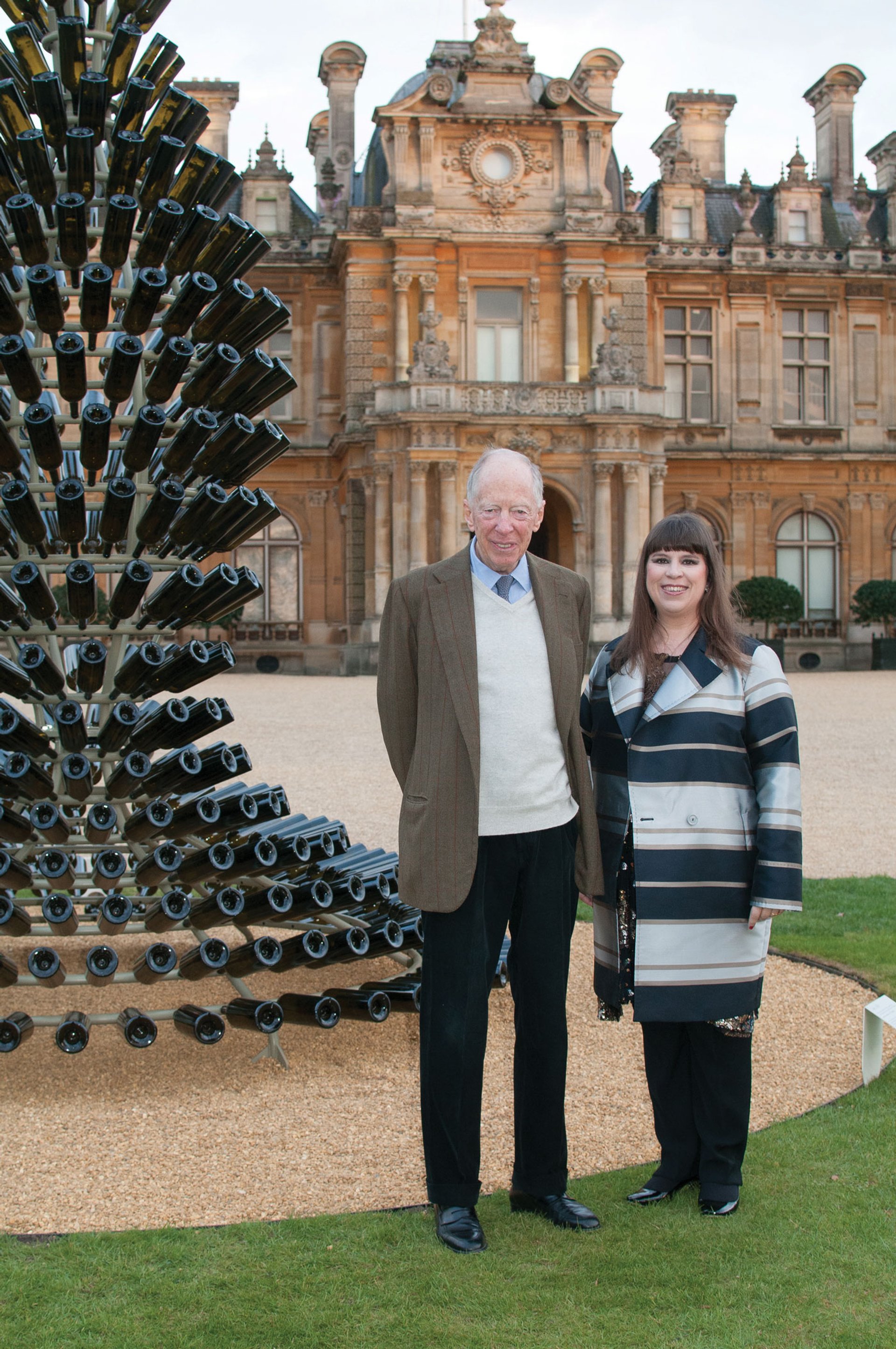
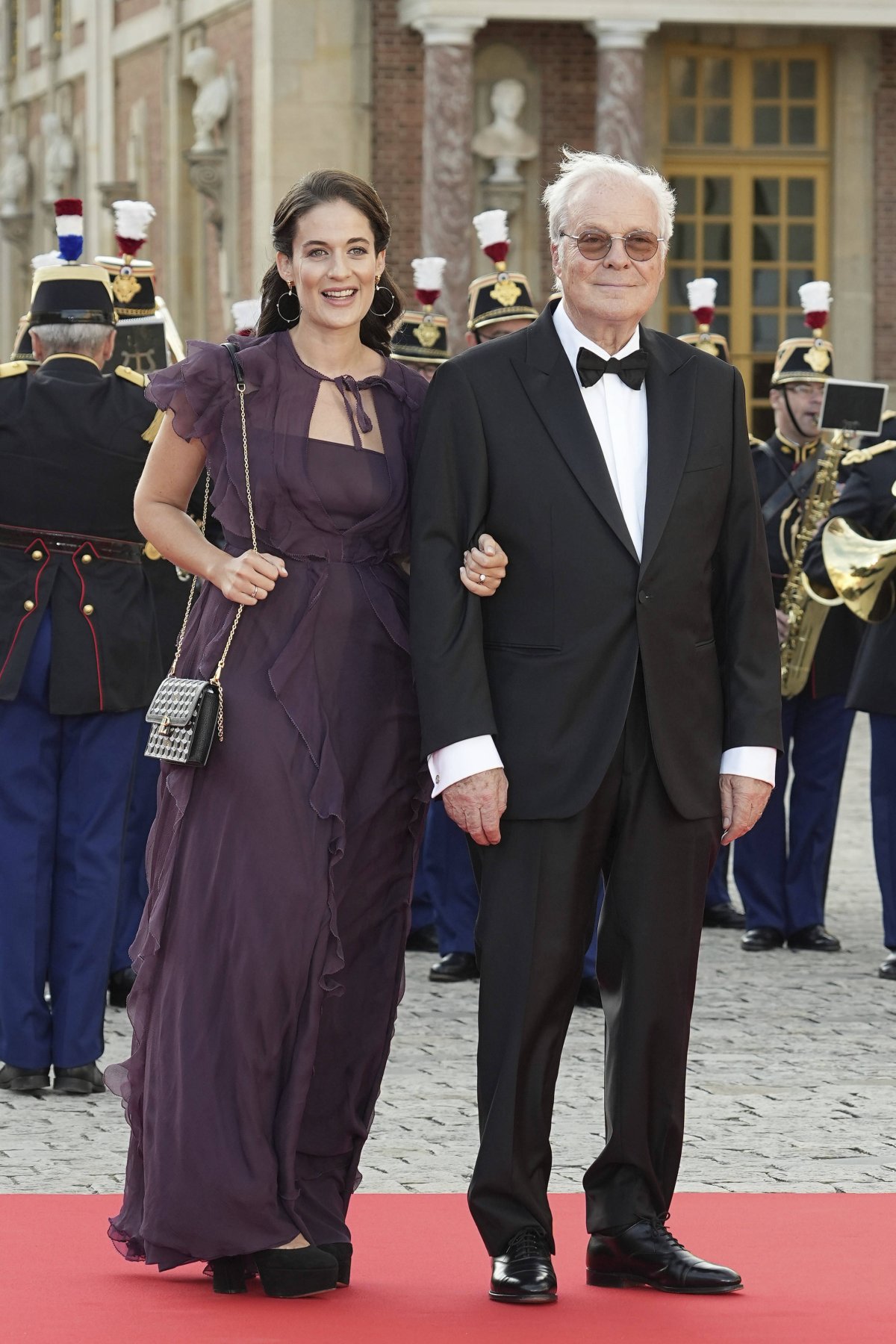
The Rothschild family continues to operate through a complex network of living descendants who manage private banking, wealth management, philanthropic foundations, vineyards, and artistic estates across Europe and the broader global financial sphere.
The Evolution and Structure of the Modern Rothschild Family
Understanding which members of the Rothschild family are alive today and what they do requires examining how the modern branch structures function. The family dynasty, founded by Mayer Amschel Rothschild in Frankfurt during the late 18th century, established distinct branches across major European financial centers, notably London, Paris, Vienna, and Naples. Over the generations, geopolitical upheavals, World Wars, and shifting economic landscapes reshaped these branches. Today, the operational core is primarily consolidated through Anglo-French banking structures, private equity initiatives, and asset management enterprises.
Unlike public corporations with transparent executive rosters, the Rothschild family maintains a decentralized network of private partnerships, holding companies, and family offices. While historic entities like N M Rothschild & Sons in London and Rothschild & Co in Paris have evolved into modern financial institutions, descendants of the dynasty occupy key leadership, advisory, and governance positions. Their professional activities extend far beyond traditional banking into environmental conservation, scientific research, arts administration, and viticulture.
Navigating the contemporary generation involves looking at prominent branches, specifically the British and French lines, which have maintained high-profile leadership roles in commerce, culture, and philanthropy. Below is an examination of key living family members, their institutional affiliations, and their respective domains of work.
Prominent Living Members of the British Branch
The British branch of the Rothschild family has historically centered its operations around merchant banking, public service, and scientific patronage. The lineage following the late Jacob Rothschild (Lord Rothschild), who passed away in 2024, continues to influence both financial markets and British cultural institutions.
Nathaniel Rothschild (Nat Rothschild)
Nathaniel Philip Victor James Rothschild, commonly known as Nat Rothschild, is a prominent financier and investor. Born in 1971, he is the only son of the late 4th Baron Rothschild. Nat Rothschild has built a career centered on natural resources, emerging markets, and hedge fund management.
- Professional Focus: He served as co-chairman of Attara Capital PLC and has been involved with various mining, energy, and investment vehicles, including Vivendi and Bumi plc. His investment strategies typically target large-scale industrial projects, commodities, and international corporate restructuring.
- Public Profile: Unlike some of his relatives who focus on traditional private banking or institutional heritage, Nat Rothschild has maintained a visible profile in international finance and business journalism, managing substantial private equity portfolios.
Evelyn de Rothschild's Descendants
Sir Evelyn de Rothschild, who died in 2021, was a towering figure in British finance, having served as the head of N M Rothschild & Sons and as a financial advisor to Queen Elizabeth II. His children—including Jessica, Anthony, and David—pursue diverse paths spanning environmentalism, the arts, and business.
- David Mayer de Rothschild: Born in 1978, David has carved out a distinct niche as an environmentalist, explorer, and author rather than a traditional banker. He founded Adventure Ecology, an organization designed to raise awareness about climate change and environmental degradation. His notable expeditions include sailing across the Pacific Ocean on Plastiki, a catamaran built from 12,500 reclaimed plastic bottles, to highlight marine plastic pollution. Through his work, he bridges the gap between high-net-worth advocacy and grassroots ecological activism.
Prominent Living Members of the French Branch
The French branch of the family, descending from James Mayer de Rothschild, merged its principal banking activities under Rothschild & Co, a multinational investment bank and financial services firm. The French leadership has historically emphasized elite corporate advisory, private banking, and wine production.
Alexandre de Rothschild
Alexandre de Rothschild represents the seventh generation of the family to lead its core financial institutions. He took the reins as Executive Chairman of Rothschild & Co, succeeding his father, David de Rothschild.
- Professional Role: Alexandre oversees the strategic direction of Rothschild & Co, which operates across three main pillars: global advisory, private wealth management, and merchant banking. Under his leadership, the firm has focused on strengthening its advisory footprint in European and global M&A (Mergers and Acquisitions) markets, steering away from volatile commercial banking activities to concentrate on fee-based advisory services.
- Corporate Governance: His career includes stints at various financial institutions outside the family firm to build independent operational experience before stepping into executive governance within the family enterprise.
David de Rothschild
David de Rothschild (born 1942), the father of Alexandre, remains an influential patriarch within the French business community. Having served for decades as the head of Compagnie Financière Étoile and later orchestrating the unification of the French and British banking houses under a single corporate umbrella, his current role is largely advisory and patriarchal, though his historical impact on European banking remains significant.
Business Ventures and Professional Domains
The professional lives of living Rothschild family members can be categorized into four primary sectors: investment banking, environmental advocacy, agricultural estates (specifically wine), and cultural philanthropy.
| Sector / Domain | Key Focus | Notable Living Representatives | Primary Activities |
|---|---|---|---|
| Global Investment Banking | Corporate advisory, M&A, private wealth | Alexandre de Rothschild | Managing Rothschild & Co, providing independent financial advice to corporations and governments. |
| Natural Resources & Private Equity | Emerging markets, mining, commodities | Nat Rothschild | Directing private investment funds, targeting resource extraction and industrial infrastructure. |
| Environmental Conservation | Climate advocacy, sustainable exploration | David Mayer de Rothschild | Leading eco-expeditions, producing environmental documentaries, advocating for green policy. |
| Viticulture & Agriculture | Premium winemaking, estate management | Various family members | Managing historic vineyards such as Château Lafite Rothschild and Château Mouton Rothschild. |
Viticulture and Estate Management
Wine production remains a notable commercial and cultural enterprise for the family. Estates such as Château Lafite Rothschild in Pauillac and Château Mouton Rothschild are managed by descendants who oversee everything from agricultural science and terroir preservation to global luxury marketing. These estates operate as sophisticated commercial enterprises, commanding top-tier positions in the international fine wine market.
Philanthropy, Arts, and Public Patronage
Beyond commerce, living members of the Rothschild family maintain deep involvement in philanthropic foundations, museum governance, and scientific research. Historically, the family has supported institutions like the National Gallery in London, Waddesdon Manor (bequeathed to the National Trust), and various medical research facilities.
- Waddesdon Manor and Heritage Conservation: Descendants continue to sit on trusts that manage ancestral estates open to the public, preserving vast art collections, period furniture, and rare manuscripts.
- Scientific and Educational Endowments: Several family trusts provide grants for higher education, archaeological digs, and biomedical research, operating quietly through structured philanthropic arms rather than public campaigns.
Frequently Asked Questions
Who is the current head of the Rothschild family?
There is no single "head" of the entire global family, as the dynasty is split into multiple independent branches. However, Alexandre de Rothschild leads the French financial operations (Rothschild & Co), while other senior figures manage distinct British and European holdings, investment funds, and philanthropic trusts.
Are members of the Rothschild family still involved in banking?
Yes. Descendants such as Alexandre de Rothschild actively manage and lead global financial institutions. The family's focus shifted over the decades toward elite financial advisory, wealth management, and private equity rather than traditional retail banking.
What do younger generations of the Rothschild family do?
While some descendants enter family-controlled financial institutions, others pursue independent careers in venture capital, environmentalism, journalism, fine art administration, and sustainable agriculture.
How is the Rothschild wealth distributed today?
Rather than being held in a single monolithic pool, the family's wealth is distributed across numerous private trusts, diversified investment portfolios, real estate holdings, art collections, and operating businesses managed independently by different family branches.
Conclusion and Next Actions
The modern Rothschild family functions less as a monolithic financial empire and more as a decentralized network of autonomous business leaders, environmental advocates, and cultural patrons. For researchers, historians, and market observers tracking these entities, examining the specific corporate disclosures of Rothschild & Co or tracking the public initiatives of individual family trusts provides the most accurate view of their ongoing activities. Reviewing annual corporate governance reports and institutional foundations offers verified insights into their contemporary footprint.