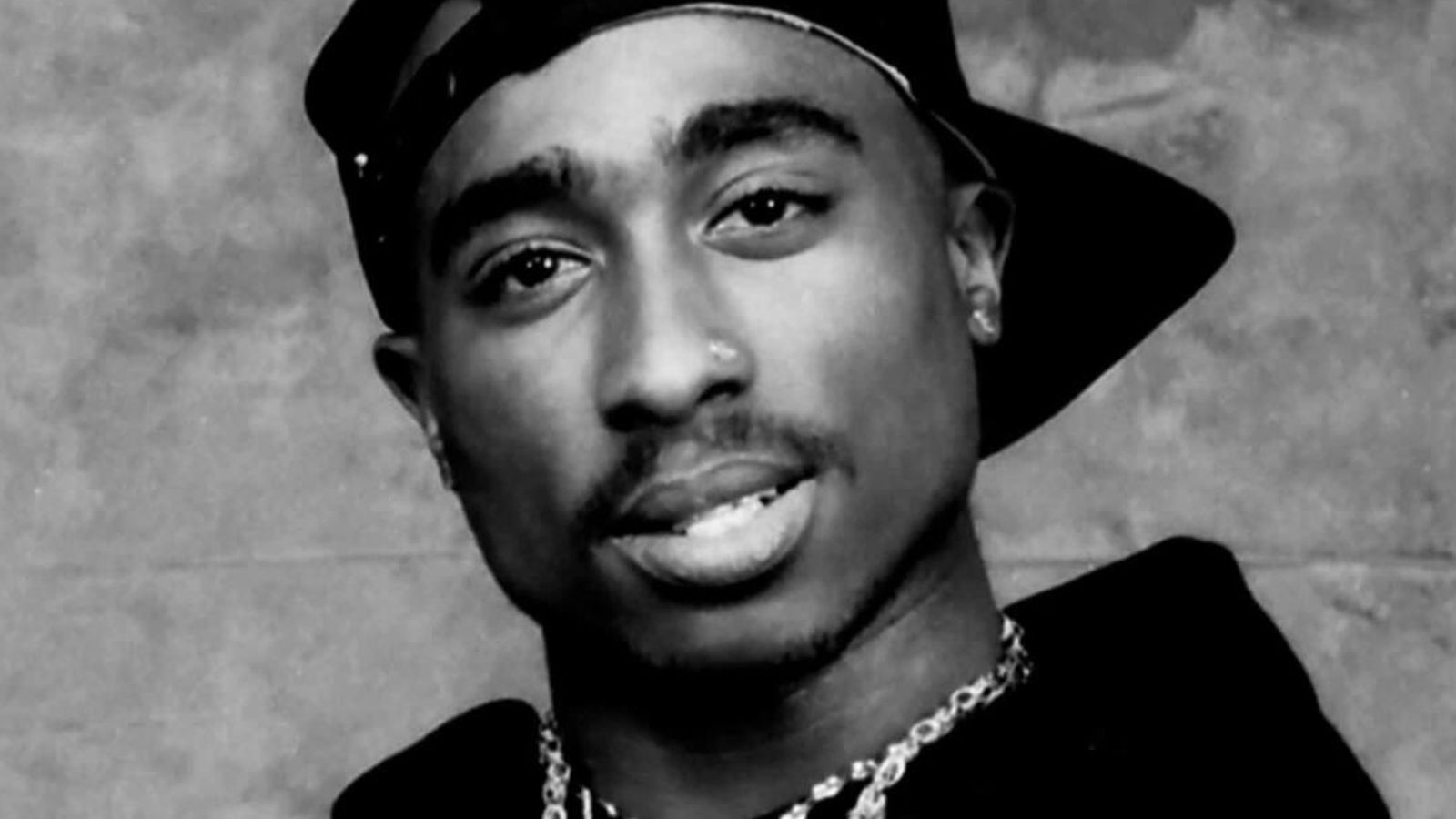
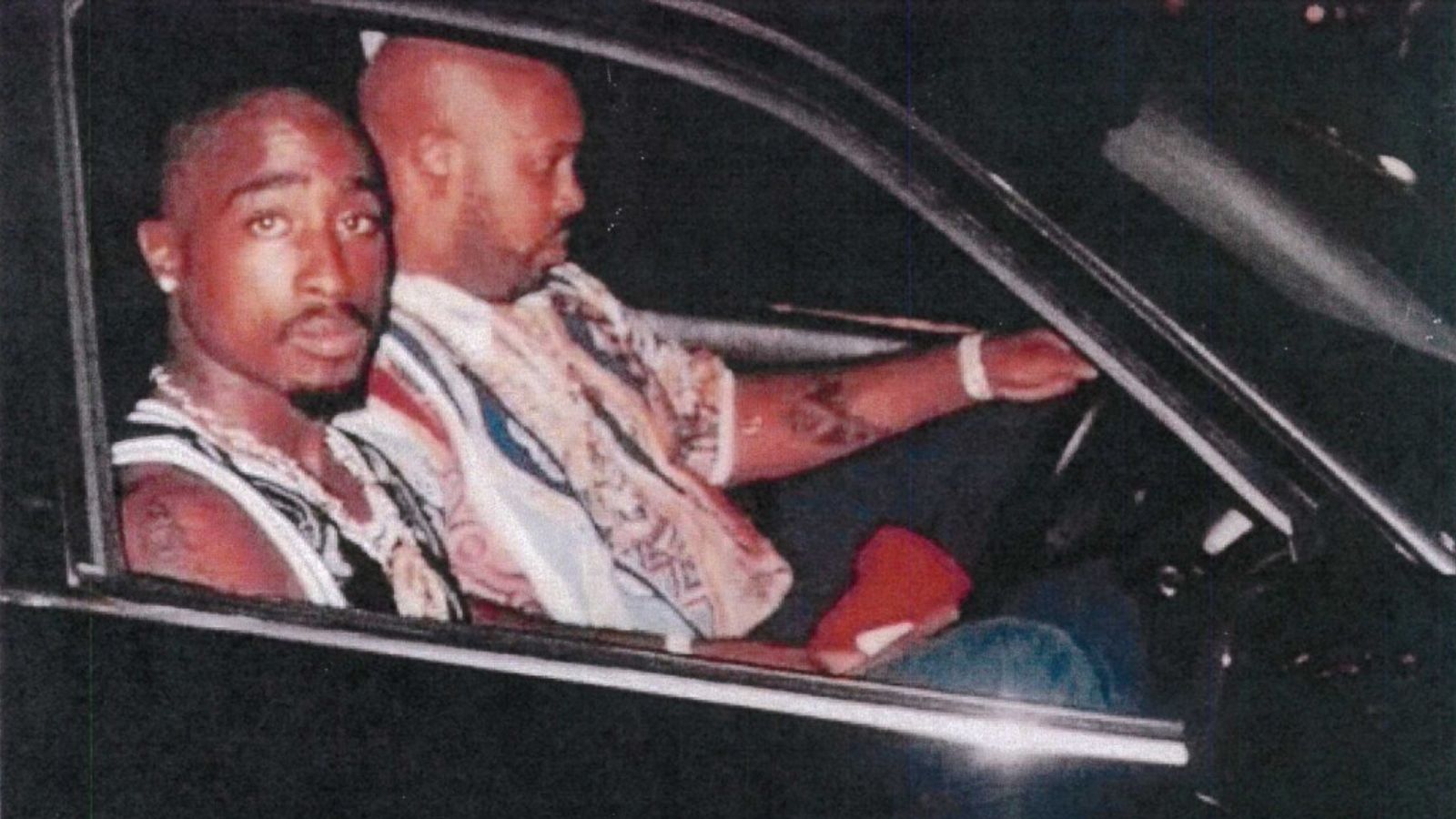
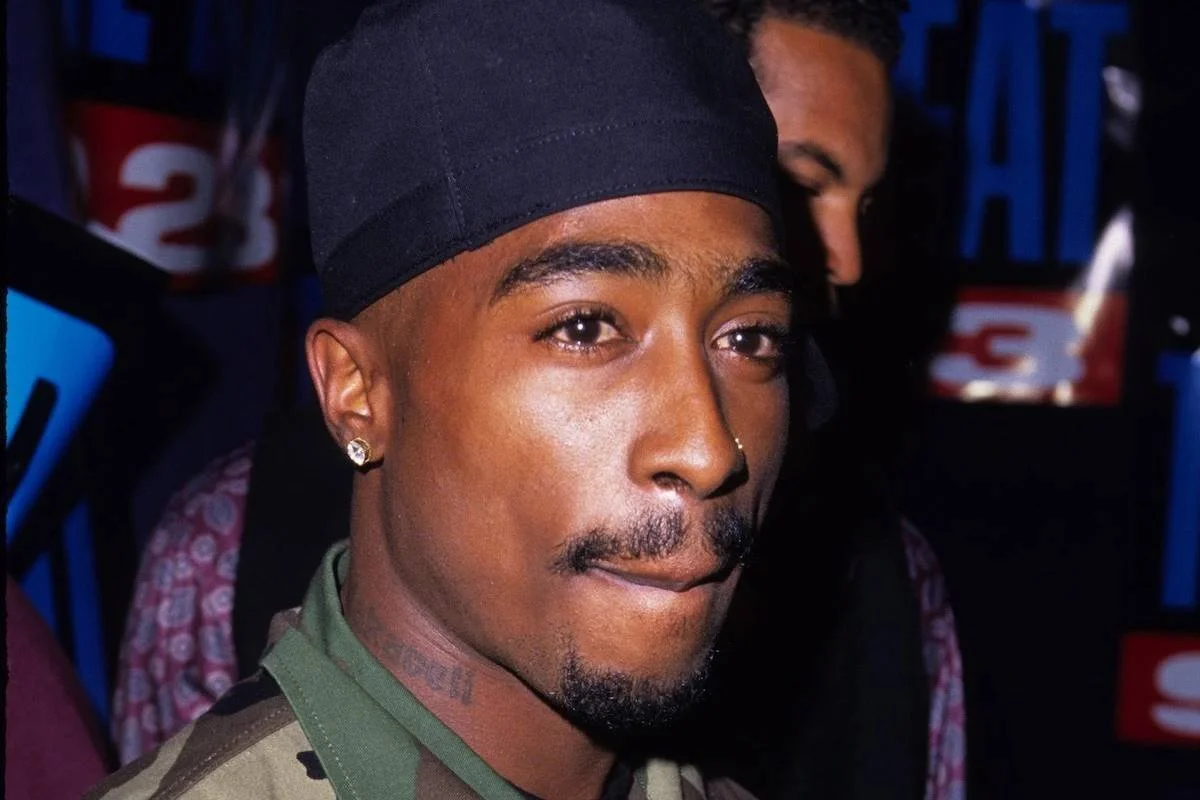
Tupac Shakur was given the birth name Lesane Parish Crooks at birth, which was later legally changed to Tupac Amaru Shakur. He was named after Túpac Amaru II, an 18th-century Peruvian revolutionary who led an indigenous uprising against Spanish colonial rule and was subsequently executed.
The Birth and Early Life of Lesane Parish Crooks
The life of one of hip-hop's most enduring and influential figures began under a name entirely different from the one that would later become a global cultural icon. Understanding the background of Tupac Shakur requires examining his family history, the socio-political climate of the early 1970s, and the deliberate choices made by his mother, Afeni Shakur.
Born on June 16, 1971, in the East Harlem neighborhood of New York City, the future artist was originally registered on his birth certificate as Lesane Parish Crooks. His mother, Afeni Shakur (born Alice Faye Williams), was a prominent activist and a dedicated member of the Black Panther Party in New York. His biological father, Billy Garland, was also active in the Black Panther Party, though Afeni raised Lesane primarily on her own amid intense government surveillance, political trials, and the economic hardships faced by many Black families in urban America during that era.
The name Lesane Parish Crooks reflects the immediate circumstances of his birth, but it did not align with the ideological trajectory that his mother envisioned for him. Afeni Shakur was acquitted of conspiracy charges against the United States government and New York landmarks just weeks before giving birth. Immersed in revolutionary politics, Black liberation struggles, and global anti-colonial movements, she soon determined that her son's name needed to mirror a larger, more militant historical and political legacy.
The Revolutionary Namesake: Túpac Amaru II
To understand who Tupac was named after, one must look far beyond the United States to South America in the late 18th century. The artist's name was adapted from Túpac Amaru II, the historical pseudonym of José Gabriel Condorcanqui (1738–1781).
Túpac Amaru II was a hereditary indigenous leader (a curaca) in the Viceroyalty of Peru who grew increasingly troubled by the brutal exploitation of indigenous peoples, mestizos, and enslaved Africans under the Spanish mita forced-labor system and heavy colonial taxation. In 1780, he led a massive indigenous and peasant rebellion against Spanish colonial authorities, which began with the execution of the abusive corregidor Antonio de Arriaga.
The uprising sent shockwaves through the Spanish administration in South America. Although the rebellion initially achieved significant territorial gains, it was eventually suppressed by royalist forces. Túpac Amaru II was betrayed, captured, and subjected to a gruesome public execution in the main square of Cuzco in March 1781. The Spanish authorities attempted to eradicate his memory by executing his family members and forbidding indigenous cultural expressions, traditional clothing, and the use of the Inca heritage.
Despite his execution, Túpac Amaru II became a legendary symbol of resistance against oppression, indigenous rights, and anti-imperialist struggle throughout Latin America and the broader global liberation movement. By choosing this namesake, Afeni Shakur sought to anchor her son's identity to a global lineage of revolutionaries who fought against tyranny and systemic injustice.
The Legal Name Change to Tupac Amaru Shakur
When Lesane Parish Crooks was just over a year old, his mother legally changed his name to Tupac Amaru Shakur. This modification was not merely aesthetic; it was a deliberate ideological baptism intended to instill a sense of purpose, heritage, and revolutionary consciousness.
Breaking Down the Full Birth Name
- Tupac: Derived from the indigenous Quechua word t'upha or tupaq, meaning "shining," "royal," or "resplendent."
- Amaru: Meaning "serpent" or "snake" in Quechua, symbolizing wisdom, power, and immortality in Andean cosmology.
- Shakur: The Arabic surname meaning "thankful" or "grateful to God," which Afeni adopted and passed to her children, reflecting her connection to Black nationalism, civil rights movements, and spiritual endurance.
The surname Shakur was also tied to Lumumba Shakur, a fellow Black Panther whom Afeni married shortly after changing her son's name. Lumumba acted as a father figure to young Tupac during his early childhood, further solidifying the family's deep commitment to political activism.
Cultural Context and the Evolution of a Legacy
The choice of name proved prophetic as Tupac Amaru Shakur grew into an artist whose work intersected raw street poetry, social critique, and political philosophy. His upbringing was defined by constant relocation—moving from New York to Baltimore, Maryland, and eventually to Marin City and Oakland, California. Throughout these transitions, the revolutionary spirit embodied by his namesake influenced his worldview.
Unlike many contemporary artists who adopted stage monikers purely for commercial appeal, Tupac's birth name carried an intrinsic ideological weight. He frequently referenced his revolutionary heritage in interviews, poetry, and music. Tracks like "Changes," "Brenda's Got a Baby," and "Keep Ya Head Up" highlighted systemic poverty, institutional racism, and police brutality, echoing the anti-colonial themes of his South American namesake.
| Name Variant | Origin / Meaning | Historical Significance |
|---|---|---|
| Lesane Parish Crooks | Original birth certificate name (1971) | Reflects immediate family registration in New York City during the post-Black Panther trial era. |
| Tupac Amaru Shakur | Quechua / Arabic hybrid name | Named after 18th-century Peruvian revolutionary Túpac Amaru II; symbolizes global anti-colonial resistance. |
| 2Pac | Commercial stage name | The globally recognized recording artist moniker used throughout his mainstream music career. |
Frequently Asked Questions
Why did Afeni Shakur change her son's name?
Afeni Shakur changed her son's name from Lesane Parish Crooks to Tupac Amaru Shakur to honor a global tradition of anti-colonial resistance. Having recently been acquitted in a high-profile conspiracy trial and deeply involved in the Black Panther Party, she wanted her son to carry the name of a revolutionary leader who fought against oppression.
What does the name Túpac Amaru mean in its original language?
In the indigenous Quechua language of the Andes, tupaq translates to "shining" or "royal," while amaru means "serpent" or "snake." Together, the name reflects royalty, wisdom, and enduring power in Andean culture.
Did Tupac use any other names professionally?
While his legal birth name was Tupac Amaru Shakur, he performed and released music under the stage name 2Pac. During his time with the rap group Outlawz, he also used the alias Makaveli, inspired by the Italian political philosopher Niccolò Machiavelli, which he utilized for his final studio album, The Don Killuminati: The 7 Day Theory (1996).
Is Tupac Amaru II related to Tupac Shakur?
No, there is no biological relation between the American rapper and the 18th-century Peruvian revolutionary. The connection is purely ideological and intentional, chosen by the rapper's mother to instill a sense of revolutionary heritage and historical awareness.
Practical Takeaways and Further Reading
For researchers, biographers, and fans examining the life of Tupac Shakur, recognizing the distinction between his initial birth record and his legal name provides crucial context into the cultural and political environment of his upbringing. Afeni Shakur’s decision to name her son after Túpac Amaru II established a thematic framework that mirrored his career as a cultural commentator, poet, and icon of resistance. To explore this history further, consult primary biographies on Afeni Shakur, historical texts detailing the 1781 Andean rebellion, and documented archives of the Black Panther Party's legacy in New York and California.