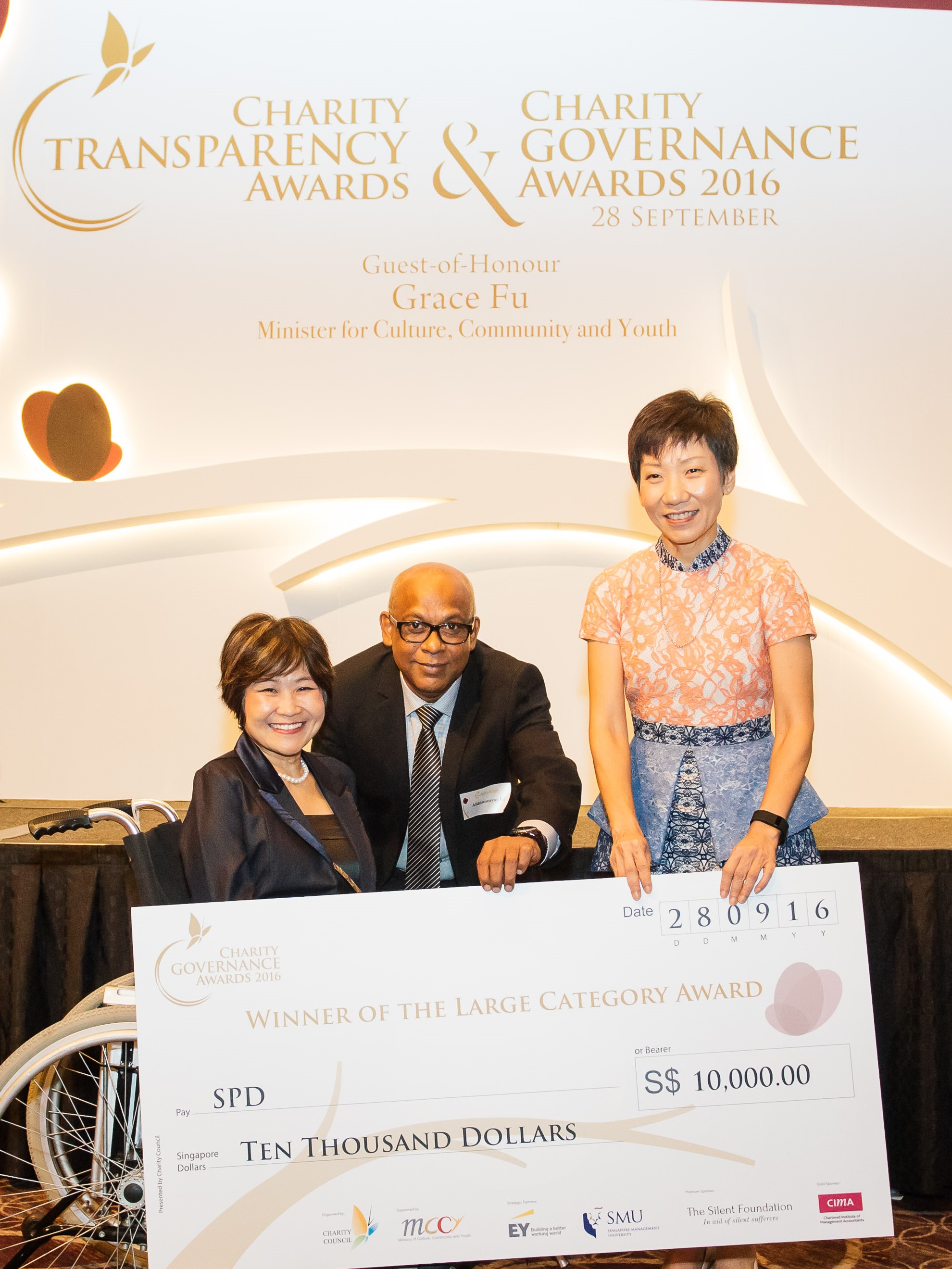
Charity awards are formal recognition programs designed to honor excellence, innovation, and effectiveness within the non-profit sector. These accolades celebrate the achievements of charitable organizations, social enterprises, and individual philanthropists, serving as a benchmark for best practices in governance, fundraising, and community impact. By providing third-party validation, charity awards help organizations build trust with donors, attract new volunteers, and amplify their mission to a broader audience.
The Strategic Importance of Charity Awards in 2026
In 2026, the non-profit landscape is more competitive and transparent than ever. With donor scrutiny at an all-time high and the integration of ESG (Environmental, Social, and Governance) metrics into everyday philanthropy, charity awards have evolved from mere ceremonies into vital strategic tools. For a non-profit, winning or even being shortlisted for a prestigious award functions as a "seal of approval" that can significantly lower the barrier to entry for major gift solicitations and corporate partnerships.
Building Institutional Credibility
The primary value of a charity award lies in its ability to provide external validation. While an organization can publish its own annual reports, a trophy from a respected body like the Charity Times or Civil Society Media indicates that independent experts have audited the organization’s claims. This credibility is essential for smaller charities that may have impactful programs but lack the brand recognition of global NGOs.
Boosting Staff Morale and Recruitment
The non-profit sector often faces challenges with burnout and high turnover rates. Being recognized on a national stage provides a massive psychological boost to staff and volunteers. It acknowledges the hard work behind the scenes—often done with limited resources—and can serve as a powerful recruitment tool, attracting high-level talent who want to work for an award-winning, high-impact organization.
Enhancing Donor Confidence
Donors in 2026 are increasingly data-driven. They seek evidence that their contributions are being used efficiently. Award programs typically require rigorous application processes involving the submission of financial statements, impact reports, and case studies. When a charity wins, it signals to donors that the organization is managed professionally and that its programs are yielding measurable results.
Major Categories of Charity Awards
The "charity awards" ecosystem is diverse, ranging from hyper-local community honors to multi-million dollar global prizes. Understanding where an organization fits within this hierarchy is the first step toward a successful nomination.
Global and International Prizes
These are the "Nobel Prizes" of the social sector. They usually come with significant unrestricted funding and global media coverage.
- The Conrad N. Hilton Humanitarian Prize: As one of the world's largest annual humanitarian awards, it provides $2.5 million in funding to non-profits making extraordinary contributions to alleviating human suffering.
- The Skoll Awards for Social Entrepreneurship: These awards target organizations that have already demonstrated significant impact and are poised for large-scale systemic change.
National Sector Awards
In regions like the UK and North America, national awards focus on the operational excellence of registered charities.
- The Charity Awards (Civil Society Media): Known for their rigorous judging process, these awards focus on ten distinct categories, ranging from healthcare to international development.
- Charity Times Awards: These celebrate best practices in non-profit management, including "Charity of the Year" and "Best Use of Technology."
- Third Sector Awards: These emphasize the creativity and innovation behind campaigns and individual leadership within the sector.
Specialist and Niche Awards
These focus on specific aspects of charity work, such as digital transformation, fundraising excellence, or diversity and inclusion. Examples include the Institute of Fundraising (IoF) Awards, which focus specifically on the mechanics of generating revenue, and various "Digital Charity" awards that recognize the use of AI and data analytics in social good.
The Anatomy of a Winning Award Entry
Winning a charity award in 2026 requires more than just a heartwarming story; it requires a sophisticated blend of narrative storytelling and hard data. The judging panels, usually comprised of sector leaders, academics, and former CEOs, look for evidence of sustainable impact.
Defining the Problem and Solution
A successful application must clearly articulate the specific problem the charity set out to solve. Instead of vague statements like "we help the homeless," the entry should state: "In 2025, we identified a 15% increase in youth homelessness in the Greater London area due to specific economic shifts, and we developed a peer-to-peer intervention model to address it."
The Importance of Impact Metrics
In the current year, qualitative anecdotes must be supported by quantitative evidence. Judges look for:
- Reach: How many people were directly helped?
- Efficiency: What was the cost-per-beneficiary?
- Longevity: Did the intervention lead to long-term change, or was it a temporary fix?
- Scalability: Can this model be replicated in other regions or sectors?
Governance and Financial Transparency
No matter how successful a program is, an organization will rarely win an award if its governance is shaky. Applications often require proof of transparent financial reporting, a diverse board of trustees, and ethical fundraising practices. This ensures that the award-winning organization is a stable and reliable representative of the sector.
Comparative Overview of Leading Charity Award Programs
The following table compares several prominent award programs available to non-profits in 2026.
| Award Name | Scope | Primary Focus | Typical Entry Period |
|---|---|---|---|
| The Charity Awards | UK National | Impact and Best Practice | Dec – Feb |
| Charity Times Awards | UK/International | Management & Leadership | Mar – May |
| Skoll Awards | Global | Social Entrepreneurship | Varies |
| Hilton Humanitarian Prize | Global | Humanitarian Impact | Nominations only |
| Third Sector Awards | UK National | Campaigning & Innovation | Apr – June |
| Nonprofit Excellence Awards | North America | Operational Management | Varies by State |
Steps to Prepare Your 2026 Award Submission
If your organization is planning to enter the charity awards circuit this year, a structured approach is essential. Most prestigious awards have a multi-month lead time and require internal coordination.
- Select the Right Category: Do not "spray and pray." Choose categories where your impact is most demonstrable. If your recent success was a digital campaign, enter the "Best Use of Digital" rather than the general "Charity of the Year" category where competition is fiercer.
- Gather Evidence Early: Collect testimonials from beneficiaries, high-resolution photography, and validated data points at least three months before the deadline.
- Draft a Compelling Narrative: Use the "S.T.A.R." method (Situation, Task, Action, Result). Focus heavily on the "Action"—what did your charity do differently?—and the "Result"—what changed as a result of that action?
- External Review: Have someone outside your organization read the entry. If they don’t understand the impact within five minutes, the judges won't either.
- Focus on Sustainability: Explain how the project or the organization will continue to thrive after the award period. Judges are wary of "one-hit wonders" that rely on a single large grant.
Ethical Considerations and the "Cost" of Recognition
While the benefits of charity awards are significant, organizations must weigh the costs. Entering awards takes time—often dozens of staff hours—and some programs charge entry fees ranging from £100 to £500 per category.
There is also an ongoing debate in 2026 regarding the "meritocracy" of awards. Larger charities with dedicated PR and communications teams are often better equipped to write winning entries than smaller, grassroots organizations that may be doing more impactful work on the ground but lack the resources to document it for a panel. To counter this, many award bodies, such as the Civil Society Media Charity Awards, have introduced specific categories for small charities with turnovers under £1 million to ensure a level playing field.
Leveraging Your Award Win or Shortlist
The value of an award doesn't end at the ceremony. To maximize the return on investment, charities should have a "post-win" strategy:
- Update Marketing Collateral: Add the "Award Winner" or "Shortlisted" logo to your website footer, email signatures, and annual reports.
- Donor Communications: Send a dedicated newsletter to your donors. Frame the win as their win—their support made the recognized work possible.
- Press Releases: Local media outlets are often keen to cover success stories from charities in their area. A national award win is a perfect hook for a local news feature.
- Internal Celebration: Use the win to host a small event for volunteers and staff. This reinforces their value to the mission.
Frequently Asked Questions
Do charity awards come with prize money?
It depends on the award. Major international prizes like the Hilton Humanitarian Prize or the Skoll Awards come with substantial unrestricted grants (often in the millions). However, most national sector awards (like the Charity Times Awards) provide a trophy and recognition rather than a cash prize. The financial benefit usually follows indirectly through increased donor trust and successful grant applications.
Can small charities realistically win national awards?
Yes. Most major award programs have specific categories based on the size of the organization's turnover. This ensures that a small community group isn't competing directly against a multi-billion dollar entity like the British Red Cross or Save the Children. Judges often prioritize "innovation per pound spent," which can favor lean, efficient smaller organizations.
What is the most common reason for an application being rejected?
Lack of evidence. Many charities write beautiful narratives about their mission but fail to provide the hard data to back it up. If a charity claims to have "transformed the local education system," judges expect to see graduation rates, literacy scores, or long-term employment data.
How often are these awards held?
Most major charity award programs are annual. The cycle usually begins with a "Call for Entries" early in the year, followed by a shortlisting process in the summer, and a gala ceremony in the autumn or winter. It is advisable to check the specific websites of organizations like Third Sector or Charity Times for the current 2026 deadlines.
Is it worth entering if we only get "Shortlisted"?
Absolutely. Being "Shortlisted" or "Highly Commended" is a significant achievement in a competitive field. It still allows you to use the official "Shortlisted" branding, which carries significant weight with corporate sponsors and trust foundations who view it as a mark of quality and due diligence.
Who typically judges charity awards?
Judging panels are usually composed of independent experts. This includes former charity CEOs, academics specializing in non-profit management, representatives from the Charity Commission, and experts from the corporate social responsibility (CSR) sector. This diversity ensures the judging is not just about "feel-good" stories but also about robust operational standards.
Practical Recommendation for 2026
If your organization has completed a significant project in the last 12-18 months, your next action should be to conduct an "Award Audit." Review the winning entries from previous years for the Charity Awards or Charity Times Awards to see the level of detail required. If you can match that level of data and storytelling, start drafting your 2026 submission at least eight weeks before the deadline. Focus on one high-impact project rather than trying to summarize the entire organization's history; depth of impact is almost always preferred over breadth of activity.