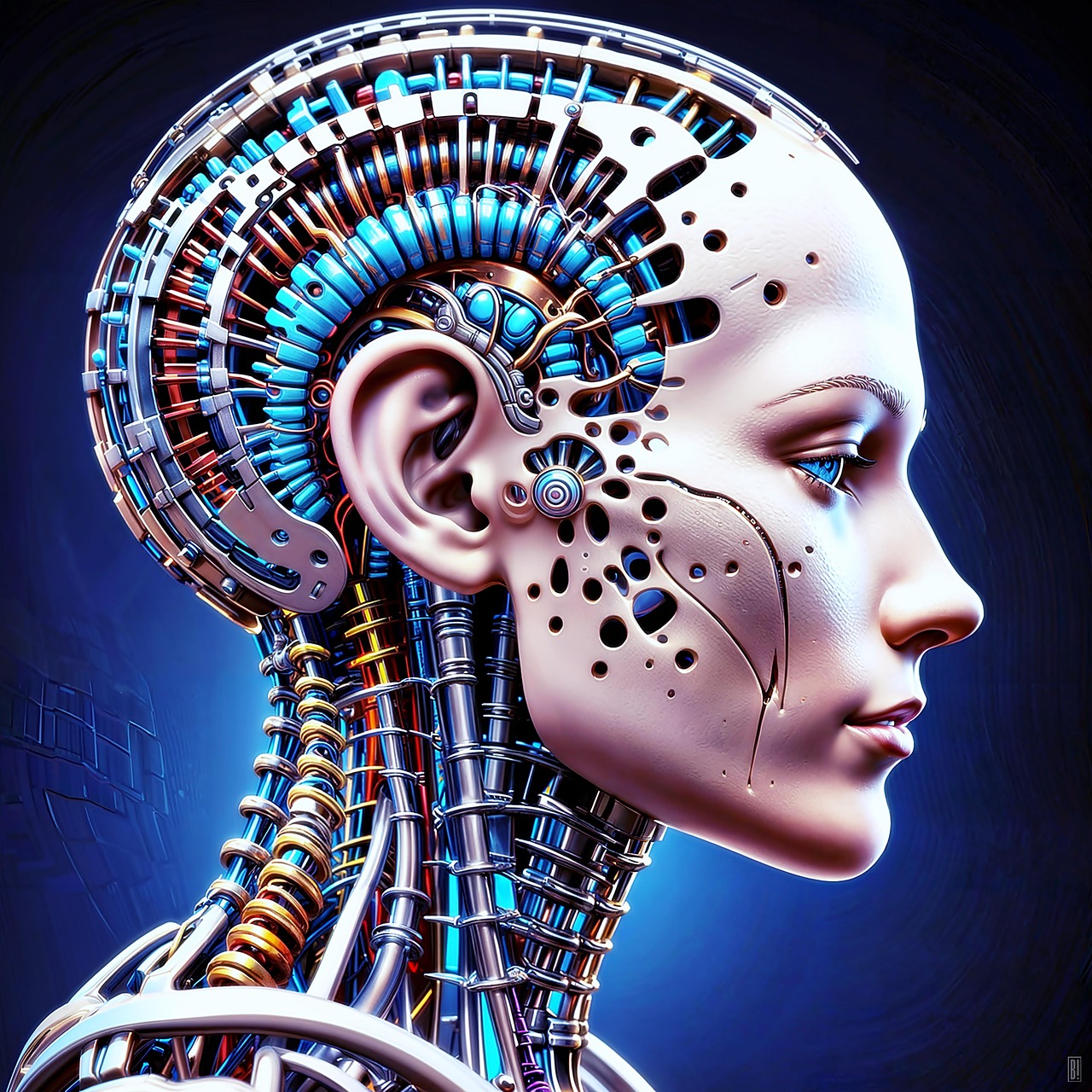
Cyborg technology refers to the integration of biological organisms with artificial components, creating a symbiotic relationship that restores, supplements, or enhances human capabilities. In 2026, this field encompasses advanced bionic limbs, neural interfaces that bridge the brain and external software, and sensory implants that provide data beyond the traditional human spectrum, fundamentally reshaping medical rehabilitation and human potential.
The term "cyborg"—a portmanteau of cybernetic organism—was once reserved for science fiction, but as of 2026, it describes a tangible and rapidly expanding sector of biomedical engineering. Unlike traditional tools that humans hold or wear, cyborg technology involves a degree of permanent or semi-permanent integration with the body’s physiological systems. This integration is no longer limited to mechanical replacement; it now includes high-fidelity data exchange between the human nervous system and digital architectures.
The Technological Architecture of Modern Cyborg Systems
To understand cyborg technology in 2026, one must look at the three primary pillars that support these systems: biocompatibility, signal processing, and power management. For an artificial component to function within a biological host, it must be accepted by the immune system and capable of communicating with the body’s existing pathways.
Biocompatibility and Osseointegration
The first hurdle for any cyborg implant is the biological interface. Early implants often faced rejection or chronic inflammation. Modern advancements in material science have led to the widespread use of titanium alloys and specialized polymers that encourage osseointegration—the process where bone grows directly into the pores of a metal implant. This creates a structural bond so strong that a prosthetic limb can be attached directly to the skeleton, eliminating the discomfort and skin breakdown associated with traditional socket-based prosthetics.
Furthermore, 2026 has seen the rise of "bio-hybrid" interfaces. These use lab-grown tissues or specialized coatings that mimic the extracellular matrix of the host. By coating electrodes in proteins that neurons find hospitable, engineers have significantly reduced the buildup of glial scars—the brain's version of scar tissue—which previously degraded the quality of neural signals over time.
Neural Signal Decoding and Encoding
The "cybernetic" aspect of these systems relies on the ability to read and write signals from the nervous system. Brain-Computer Interfaces (BCIs) have moved from experimental laboratory settings into expanded clinical trials and early-stage commercial availability. These devices use sophisticated algorithms to decode the electrical spikes of neurons into commands for computers or robotic limbs.
Conversely, encoding involves sending signals back into the nervous system. This is the foundation of sensory restoration. For example, a bionic hand equipped with pressure sensors can send electrical impulses to the user's peripheral nerves, which the brain interprets as the sensation of touch. In 2026, the precision of this feedback has reached a level where users can distinguish between textures like silk and sandpaper using an artificial hand.
Primary Categories of Cyborg Technology
Cyborg technology is generally categorized by its intended purpose: restorative, augmentative, or monitoring. While the lines between these categories are beginning to blur, they provide a framework for understanding the current landscape.
Restorative Cyborg Technology
This is the most socially accepted and medically advanced branch. It focuses on returning lost functions to individuals with disabilities.
- Bionic Vision: Retinal implants and direct cortical stimulators allow individuals with certain types of blindness to perceive light, shapes, and high-contrast edges.
- Advanced Myoelectric Prosthetics: These limbs use sensors placed on the skin or implanted in the muscle to detect electrical activity. In 2026, the integration of AI allows these limbs to "learn" the user's specific movement patterns, resulting in fluid, natural motion.
- Cochlear and Auditory Brainstem Implants: These are perhaps the most common cyborg technologies, having matured over decades to provide near-natural hearing for the profoundly deaf.
Augmentative Cyborg Technology
Augmentation moves beyond restoration toward enhancement. This remains a controversial field but is seeing increased interest from "biohackers" and specialized industries.
- Exoskeleton Integration: While many exoskeletons are wearable suits, "integrated" versions connect directly to the user's nervous system or skeletal structure to provide superhuman strength or endurance without the lag of external sensors.
- Expanded Sensory Input: Some individuals have opted for subdermal implants that allow them to "feel" magnetic fields or receive ultrasonic data, effectively giving them a "sixth sense."
- Cognitive Enhancement: While still in its infancy in 2026, experimental BCIs are being tested for their ability to improve memory retention or facilitate faster data processing by offloading certain tasks to external processors.
Internal Monitoring and Automated Regulation
This category includes "smart" implants that manage chronic conditions with minimal human intervention.
- Artificial Pancreas Systems: These devices monitor glucose levels in real-time and automatically deliver insulin via an integrated pump.
- Smart Pacemakers: Modern pacemakers not only regulate heart rhythm but also transmit data to physicians via encrypted networks, allowing for preventative adjustments before a cardiac event occurs.
Comparison of Cyborg Integration Levels
The following table compares different levels of cyborg integration available or in advanced development as of 2026.
| Integration Level | Description | Examples | Primary Users |
|---|---|---|---|
| Surface/Wearable | External devices with high-fidelity sensory feedback. | Advanced Exoskeletons, Myoelectric Prosthetic Sleeves | Industrial Workers, Physical Therapy Patients |
| Subdermal/Peripheral | Devices implanted under the skin or connected to peripheral nerves. | RFID Chips, Neural Dust, Sensory Magnets | Biohackers, Amputees (for sensory feedback) |
| Skeletal/Osseointegrated | Artificial components fused directly to the bone. | Direct-attachment bionic limbs, Bone-anchored hearing aids | Severe Amputees, Reconstructive Surgery Patients |
| Neural/Central | Direct interface with the brain or spinal cord. | BCIs (Neuralink, Synchron), Deep Brain Stimulators | Paralyzed individuals, patients with Parkinson's |
The Role of Artificial Intelligence in Cybernetics
Artificial Intelligence is the invisible engine driving cyborg technology in 2026. Without AI, the massive amounts of data generated by the human nervous system would be too complex to translate into digital commands in real-time.
Machine learning models are now used to filter out "noise" from neural signals. The human body is electrically "loud"—muscles, heartbeats, and even external electromagnetic interference can drown out the subtle signals of a single neuron. AI algorithms are trained to recognize the specific "signature" of a user's intent. For instance, when a user thinks about moving their thumb, the AI recognizes that specific neural pattern and executes the movement on the prosthetic limb instantaneously.
Furthermore, AI facilitates predictive movement. If a bionic leg senses a shift in the user's center of gravity that suggests a trip or fall, the onboard AI can adjust the ankle's stiffness and knee's angle faster than the human brain could react, preventing the accident. This level of autonomy makes the technology feel like a part of the body rather than a tool being operated.
Ethical, Legal, and Social Implications
As cyborg technology moves from the fringe to the mainstream, it brings a host of complex challenges. The World Health Organization (WHO) and various national ethics boards have begun establishing frameworks to address these issues in 2026.
Data Privacy and "Neural Rights"
BCIs generate intimate data: the very thoughts and intentions of an individual. There is a growing movement to establish "Neural Rights" to ensure that an individual's brain data cannot be harvested, sold, or used against them without explicit, informed consent. The risk of "brain hacking"—where an external actor could theoretically influence or monitor a person's thoughts—is a primary concern for cybersecurity experts.
The Digital Divide and Enhancement Equity
There is a significant risk that cyborg technology could exacerbate social inequality. If cognitive or physical enhancements become available only to the wealthy, it could create a literal biological class system. In 2026, many governments are debating whether certain augmentations should be covered by public health insurance or if they should be strictly regulated to prevent unfair advantages in the workplace or education.
The "Right to Repair" for the Body
A unique legal challenge in 2026 involves the "Right to Repair." If a company that manufactured a person’s heart valve or BCI goes bankrupt, the user may be left with "orphaned" hardware in their body that cannot be updated or repaired. Legal precedents are being set to ensure that the software and technical schematics for life-sustaining implants remain accessible regardless of the manufacturer’s business status.
Current Limitations and Risks
Despite the rapid progress seen by 2026, cyborg technology is not without significant risks and limitations.
- Infection and Rejection: Any time the skin barrier is breached by an implant, there is a risk of infection. Chronic implants require meticulous hygiene and, in some cases, lifelong immunosuppressant therapy, though this is becoming less common with newer biocompatible coatings.
- Power Constraints: Batteries remain a bottleneck. While wireless charging (induction) is common for many implants, high-power devices like bionic hearts or complex BCIs still struggle with heat dissipation and the need for frequent recharging.
- Signal Degradation: Even with osseointegration and bio-hybrid interfaces, the body is a harsh environment. Saline fluids and moving tissues can eventually corrode electrodes or shift them out of place, requiring surgical "re-tuning" or replacement.
- Psychological Adaptation: Integrating an artificial limb or a new sense is a massive task for the brain's neuroplasticity. Some users experience "phantom limb" sensations or a sense of dissociation from their implants, requiring extensive occupational therapy and psychological support.
FAQ: Common Questions About Cyborg Technology in 2026
What is the difference between a cyborg and a robot?
A robot is an entirely artificial entity that functions autonomously or via remote control. A cyborg is a biological organism (human or animal) that has been modified with artificial parts to enhance or restore function. The key difference lies in the presence of a biological brain and consciousness directing the artificial components.
Are neural implants like Neuralink available for everyone yet?
In 2026, high-bandwidth neural implants are primarily restricted to clinical settings for patients with severe paralysis, ALS, or other neurological conditions. While elective "consumer" BCIs are in development, they have not yet received broad regulatory approval for the general public due to the risks associated with elective neurosurgery.
How much does it cost to become a "cyborg"?
Costs vary wildly depending on the technology. A high-end bionic arm with sensory feedback can cost between $50,000 and $120,000, including surgery and therapy. Simple subdermal chips for access control or payment may cost less than $500. Most medical-grade restorative technologies are increasingly covered by specialized insurance plans, provided there is a demonstrated clinical need.
Can cyborg implants be hacked?
Theoretically, yes. Any device with wireless connectivity (Bluetooth, NFC, or proprietary radio frequencies) is a potential target. In 2026, medical device manufacturers use advanced encryption and "air-gap" protocols for critical functions to mitigate this risk. Security experts recommend that any implanted device have a physical "off switch" or a "read-only" mode for sensitive data.
Is the surgery to receive an implant permanent?
Most modern implants are designed to be modular. While the base (like a titanium anchor in the bone) is permanent, the electronic components, sensors, and external processors can usually be upgraded or replaced without major surgery. This modular approach is essential for keeping pace with the rapid advancement of software and AI.
Practical Recommendations for Those Considering Cyborg Technology
For individuals considering restorative or augmentative implants in 2026, a structured approach is essential to ensure safety and long-term success.
- Consult Multidisciplinary Teams: Do not rely solely on a surgeon. Ensure your team includes a neurologist, a bioengineer, and a specialized physical therapist. The success of an implant depends as much on the post-operative "tuning" and training as it does on the surgery itself.
- Verify Regulatory Status: Ensure the device has been cleared by relevant authorities like the FDA (U.S.), EMA (Europe), or equivalent regional bodies. Avoid "gray market" implants or unverified biohacking procedures that lack clinical oversight.
- Understand the Long-Term Commitment: Cyborg technology is not a "set it and forget it" solution. It requires ongoing software updates, battery management, and potentially several months of neural training to achieve full proficiency.
- Evaluate Future Proofing: Ask the manufacturer about their data portability and hardware compatibility. Ensure that you own the data generated by your device and that the hardware is built on open or accessible standards.
Cyborg technology represents the next frontier of human evolution. Whether used to walk again, see the world in a new light, or bridge the gap between mind and machine, these integrations are no longer a matter of if, but how we choose to define the boundaries of the human body in the years to come.