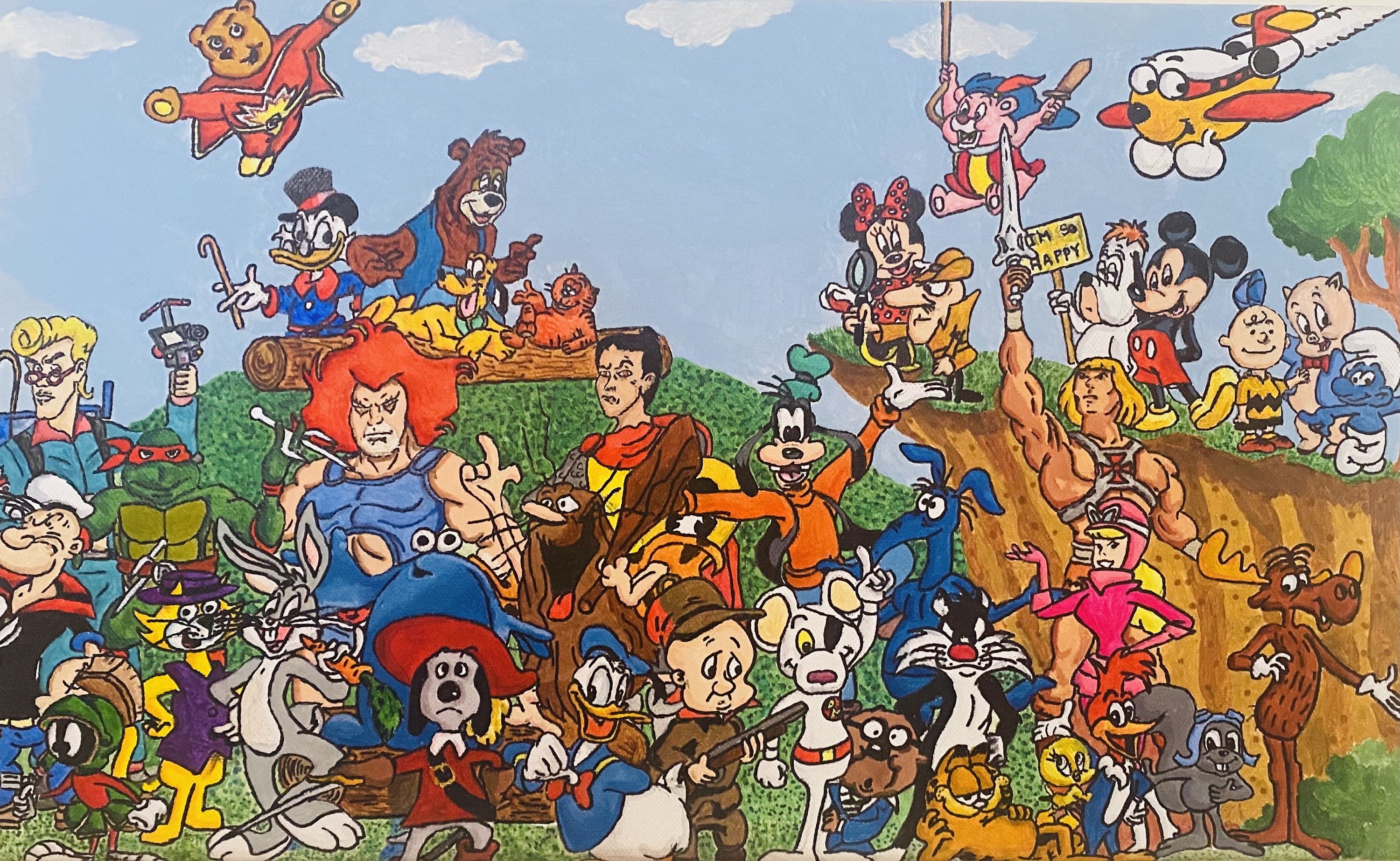
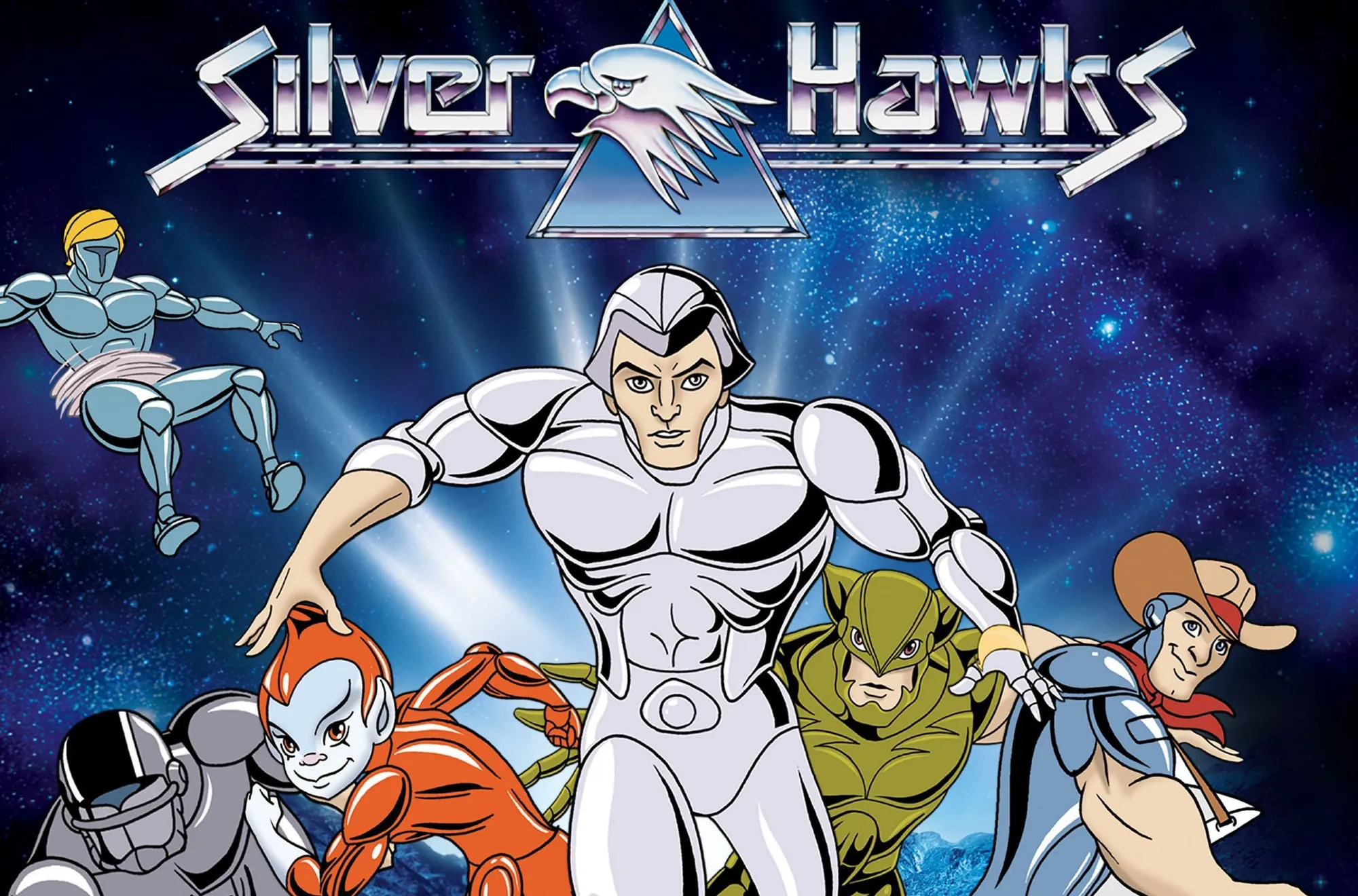
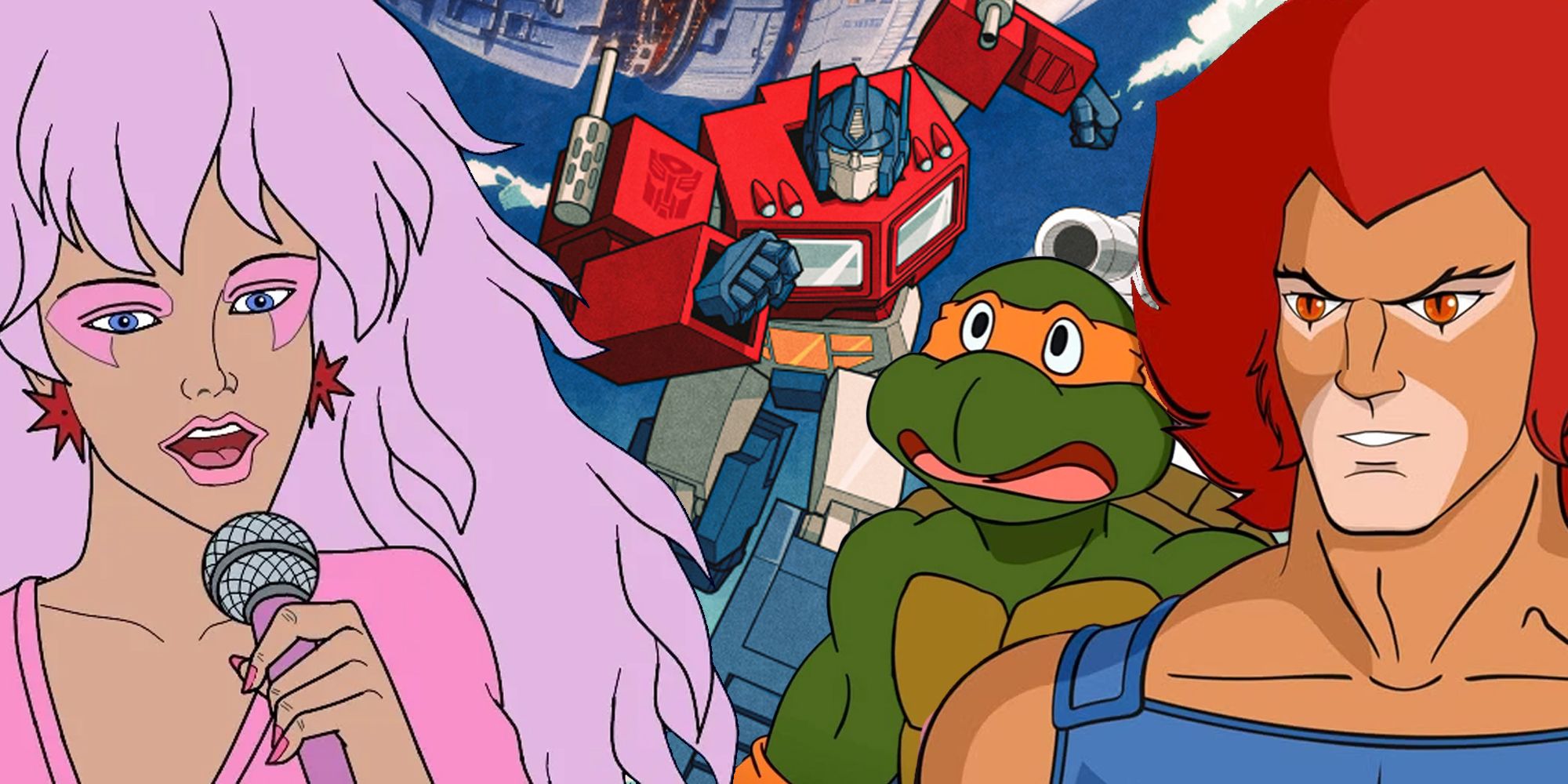
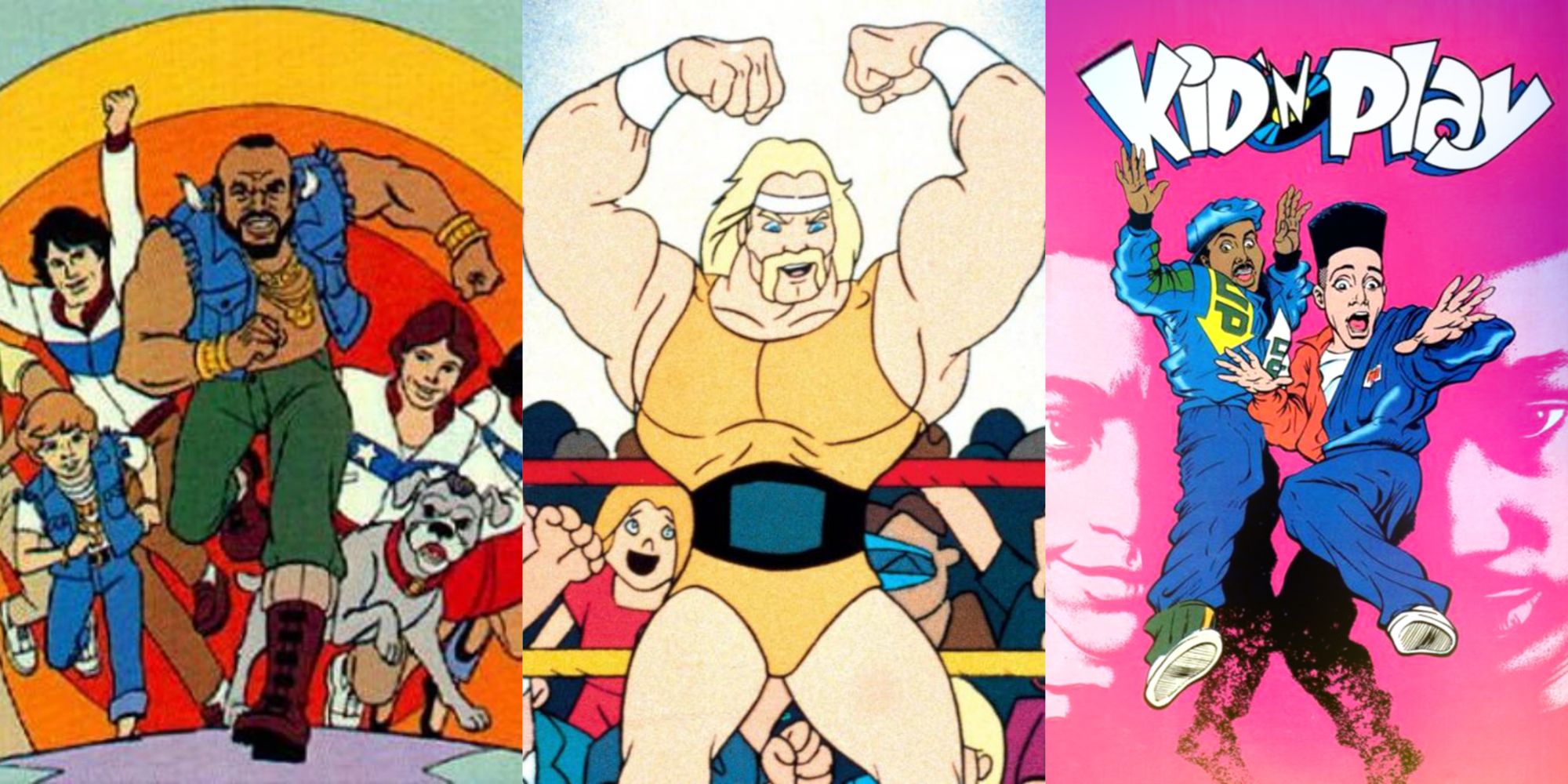
1980s cartoons represent a transformative era in animation history defined by deregulation, syndicated television expansion, and groundbreaking toys-to-television marketing strategies. This decade shifted animation from a weekend morning routine into a multi-billion-dollar global entertainment industry, establishing syndication models, toy-driven narratives, and enduring pop-culture franchises that continue to influence media today.
The Regulatory Shift: Deregulation and the Rise of Toy-Driven Animation
The landscape of American television animation changed forever in the early 1980s due to shifts in federal regulation and media ownership. Before this period, strict Federal Communications Commission (FCC) rules and guidelines by organizations like the National Association of Broadcasters (NAB) limited the amount of advertising children's programming could carry. These guidelines restricted commercials during children's shows and prohibited programs from directly featuring characters from toys sold concurrently in advertisements, seeing it as inherently deceptive programming.
Everything shifted in 1984 under the FCC chairmanship of Mark Fowler during the Reagan administration. The deregulation policies dismantled previous limits on advertising time and eliminated restrictions prohibiting shows from acting as 30-minute commercials for merchandise. Entertainment companies recognized an unprecedented financial opportunity: they could partner directly with toy manufacturers to conceive a product line and a television series simultaneously.
This synergy birthed a new model of program production. Studios like Ruby-Spears, Filmation, and Sunbow Productions collaborated directly with toy giants such as Hasbro, Mattel, and Kenner. The formula required every character to possess a distinct visual design, a unique vehicle, specialized accessories, and a clearly defined role within a heroic or villainous faction. This ensured that children watching the broadcast would instantly desire the physical action figures, playsets, and role-play gear available at local retail stores.
Syndication and the Daily After-School Ritual
Prior to the 1980s, the vast majority of animated content aired on Saturday mornings on the major networks—ABC, CBS, and NBC—or via local independent station loops of classic theatrical shorts like Looney Tunes. The explosion of UHF television stations and the rapid expansion of cable networks during the decade demanded a different programming strategy to fill daily weekday schedules.
The solution was the daily weekday syndication model. Instead of premiering a new episode once a week, studios produced packages of 65 episodes—enough for a complete five-day-a-week run for 13 consecutive weeks. Shows like He-Man and the Masters of the Universe, produced by Filmation, bypassed traditional network gatekeepers and were sold directly to local broadcast stations across the country.
This daily delivery system created a powerful cultural ritual for millions of children who rushed home from school to watch their favorite heroes battle forces of evil. Syndication allowed serialized storytelling experiments and deep world-building to take root. Because episodes aired sequentially every single day, viewers formed deeper emotional attachments to the characters and mythologies. This environment also fueled the rise of independent animation houses capable of churning out high volumes of episodes on tight budgets and demanding production schedules, often utilizing overseas animation studios in Japan and South Korea to handle the labor-intensive drawing and painting phases.
Iconic Franchises and Subgenres of the Decade
The 1980s television landscape diversified into distinct subgenres, moving beyond traditional slapstick comedy into high-stakes adventure, science fiction, fantasy, and action-comedy mashups. These properties established expansive universes supported by sprawling comic books, cereal box promotions, and cinematic tie-ins.
Fantasy and Sword-and-Sorcery Epics
The fantasy subgenre exploded following the unexpected success of Mattel’s Masters of the Universe toy line. Filmation adapted the property into a sweeping saga set on the planet Eternia, where the heroic Prince Adam transformed into He-Man, the most powerful man in the universe, to protect the mystical secrets of Castle Grayskull from the evil Skeletor.
This success paved the way for similar fantasy and sci-fi hybrids, including Rankin/Bass's ThunderCats, which followed a group of humanoid alien felines battling the mutant forces of Plun-Darr and the ancient sorcerer Mumm-Ra on the unfamiliar Third Earth. These shows blended high-fantasy magic with futuristic technology, setting a template for world-building that valued epic conflict and moral lessons.
Military Sci-Fi and Action Teams
As Cold War anxieties shifted into blockbuster action cinema, animation mirrored the trend with military-style tactical squads. Hasbro’s G.I. Joe: A Real American Hero, produced by Sunbow and Marvel Productions, featured an elite counter-terrorist force battling the ruthless Cobra organization. Each episode balanced tactical teamwork with high-tech gadgetry, punctuated by safety public service announcements at the end of each episode—famously ending with the phrase, "Knowing is half the battle."
Similarly, The Transformers introduced a sprawling intergalactic war between the heroic Autobots and the evil Decepticons, two factions of sentient, transforming robotic lifeforms. The franchise revolutionized toy marketing by demonstrating how engineering mechanical transformations could translate into dynamic, high-concept television drama.
Anthropomorphic Action and Comedy
Animals with human characteristics underwent a radical transformation in the 1980s, shedding purely slapstick roots in favor of martial arts, ninja training, and detective work. Mirage Studios' gritty independent comic Teenage Mutant Ninja Turtles was adapted into a brightly colored, wildly popular animated series by Murakami-Wolf-Swenson in 1987. The show transformed pizza-loving mutant turtles into a global phenomenon, introducing catchphrases like "Cowabunga!" and cementing the team-based action-comedy format.
Concurrently, Disney entered the weekday syndicated market with DuckTales in 1987, followed by Chip 'n Dale Rescue Rangers and TaleSpin. These productions raised the technical bar for television animation, utilizing cinematic budgets, lush orchestral scores, and sophisticated storytelling inspired by classic adventure literature and cinematic serials.
Production Realities and Animation Styles
While the 1980s produced some of the most memorable character designs in television history, the production realities of churning out dozens of episodes per year meant that quality varied drastically across studios and seasons.
Animation production during this era relied heavily on traditional hand-drawn cel animation. Artists drew characters and moving elements on transparent acetate sheets, which were then hand-painted and photographed sequentially over static background paintings. To meet the heavy demands of daily syndication, studios frequently outsourced animation production to overseas studios, particularly in Japan (such as TMS Entertainment, Sunrise, and Studio Nue) and South Korea (such as AKOM).
This international collaboration created a distinct visual aesthetic. Many shows featured high-contrast color palettes, bold character outlines, and dramatic lighting designed to stand out on smaller, lower-resolution cathode-ray tube (CRT) television sets. However, tight deadlines and modest budgets also led to frequent animation errors, including shifting character colors, missing accessories, and recycled action sequences known as "stock footage" transformations or attack animations.
| Franchise | Primary Studio | Toy Partner | Core Premise |
|---|---|---|---|
| He-Man and the Masters of the Universe | Filmation | Mattel | Prince Adam transforms into He-Man to defend Eternia's Castle Grayskull from Skeletor. |
| The Transformers | Sunbow / Marvel / Toei | Hasbro | Autobots and Decepticons wage an ancient civil war after crash-landing on Earth. |
| G.I. Joe: A Real American Hero | Sunbow / Marvel / AKOM | Hasbro | An elite military strike team defends global freedom against the terrorist organization Cobra. |
| Teenage Mutant Ninja Turtles | Murakami-Wolf-Swenson | Playmates Toys | Four mutant turtle brothers trained in ninjutsu fight crime and the evil Shredder in New York City. |
| DuckTales | Walt Disney Television Animation | Various / Disney Store | Scrooge McDuck embarks on global treasure-hunting expeditions with his grandnephews. |
Cultural Impact and Legacy in Modern Media
The legacy of 1980s animation extends far beyond nostalgia, having permanently altered how media companies build intellectual property, manage merchandising ecosystems, and cultivate lifelong fandoms.
The generation that grew up watching these programs entered the entertainment industry as creators, writers, and directors in the late 1990s and 2000s, bringing a sophisticated appreciation for serialized storytelling and myth-making back to children's and adult television. Properties established in this decade have experienced multiple waves of cinematic reboots, premium collectible toy lines aimed at adult collectors, and sophisticated graphic novel continuations.
Furthermore, the economic blueprint pioneered in the 1980s—where television content, consumer products, digital media, and interactive experiences are planned simultaneously—became the standard operating procedure for the modern entertainment economy. Whether examining the cinematic universes of today or the global licensing strategies of modern media conglomerates, the foundational architecture was forged in the sketchbooks, recording booths, and syndication boardrooms of 1980s animation.
Frequently Asked Questions
Why did 1980s cartoons feature so many toy tie-ins?
Federal deregulation in the early 1980s removed previous limits on advertising time during children's programming and eliminated rules prohibiting shows from featuring characters from concurrently sold toys. This allowed toy manufacturers to fund or co-produce animated series that served as extended promotional vehicles for action figures and playsets, transforming the television market.
How were 1980s cartoons produced and animated?
Most shows relied on traditional hand-drawn cel animation. While pre-production, writing, and voice recording typically occurred in the United States, the labor-intensive drawing and painting stages were frequently outsourced to animation studios in Japan and South Korea to meet tight syndication deadlines and manage production budgets.
What is the difference between Saturday morning cartoons and syndicated weekday shows?
Saturday morning cartoons were traditionally broadcast by major television networks (ABC, CBS, NBC) in weekly installments, often featuring diverse lineups of short-form or standard network fare. Syndicated weekday shows were produced in large batches—usually 65 episodes—and sold directly to local independent or affiliate stations to air every single day of the week, enabling long-form serialized storytelling.
Why do 1980s cartoons sometimes have animation errors?
The immense demand for daily syndication required studios to produce dozens of episodes per year on strict financial budgets and compressed schedules. To meet these deadlines, studios relied on repetitive stock footage, simplified background layouts, and rushed overseas animation runs, which often resulted in visual inconsistencies between episodes.
Are 1980s cartoons still relevant to modern media?
Yes, these properties established the modern multi-platform franchise model where television, toys, comics, and licensing operate as a single synchronized ecosystem. Many original 1980s properties continue to inspire high-budget feature films, premium adult collector merchandise, and contemporary streaming revivals.
Conclusion and Next Actions
To explore the world of 1980s cartoons further, examine physical home media releases, curated streaming platforms specializing in vintage television, or comprehensive pop-culture reference guides detailing production histories and toy variations. Preserving and studying these foundational works offers deep insight into the economic and creative forces that shaped modern entertainment.