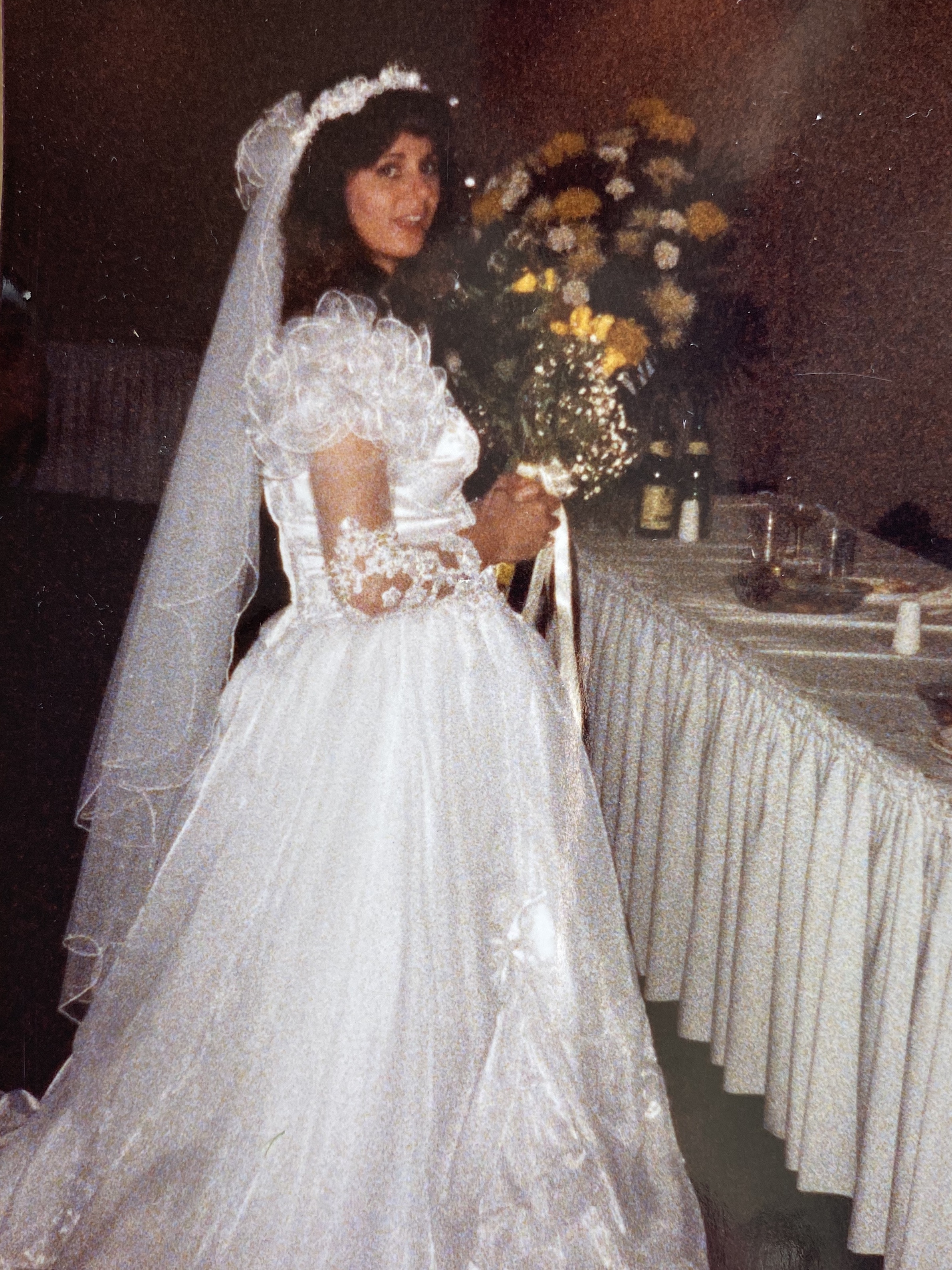
The 1980s wedding was a theatrical, high-budget affair defined by oversized silhouettes, romantic royal influences, and traditional values that reflected a decade of economic boom and shifting cultural norms. Examining 1980 wedding trends styles and cultural context reveals a fascinating intersection of fashion history, economic prosperity, and the evolving role of marriage at the close of the 20th century.
The Cultural Landscape of Marriage in the 1980s
To understand 1980 wedding trends, one must examine the broader cultural context of the decade. The 1980s marked a fascinating paradox: while divorce rates had risen sharply through the 1970s, the cultural appetite for traditional, storybook weddings reached an all-time high. Marriage was viewed as a major life milestone, and couples invested heavily in creating ceremonies that felt grand, permanent, and socially significant.
This period was characterized by conspicuous consumption. Following the economic stagnation of the 1970s, the Reagan and Thatcher years ushered in a wave of corporate wealth, deregulation, and a booming middle class eager to display its status. Weddings became the ultimate canvas for this newfound affluence. Guests anticipated lavish multi-tier cakes, open bars, live bands, and professionally catered sit-down dinners—a sharp departure from the backyard punch-and-cake receptions of earlier decades.
Furthermore, the media played an unprecedented role in shaping aesthetic expectations. Television soap operas like Dynasty and Dallas saturated living rooms with images of ultra-wealthy characters draped in silk, lace, and diamonds. Weddings were no longer merely private family unions; they were public pageants heavily influenced by pop culture and global media spectacles.
The Royal Blueprint: The Influence of Lady Diana Spencer
No discussion of 1980s nuptial culture is complete without analyzing the July 29, 1981, wedding of Prince Charles and Lady Diana Spencer. Broadcast to an estimated global television audience of 750 million people, the "Wedding of the Century" served as the definitive stylistic blueprint for the entire decade.
Diana’s wedding gown, designed by David and Elizabeth Emanuel, instantly dictated bridal fashion standards worldwide. Crafted from antique silk taffeta, featuring a massive 25-foot train, puffed sleeves, a ruffled collar, and thousands of hand-embroidered sequins and pearls, the dress embodied the maximalist philosophy of the 1980s. Brides across North America, Europe, and beyond scrambled to replicate the silhouette.
The cascading bridal bouquet—a sprawling, asymmetrical arrangement of ivy, orchids, gardenias, and stephanotis that trailed toward the floor—replaced the compact nosegays of the 1970s. From the cathedral-length veil to the grand, fairytale-themed venue selection, the royal wedding cemented the idea that a bride should look and feel like a monarch for a day.
Bridal Fashion and Beauty Trends
The aesthetic of the 1980s bride was defined by a commitment to volume, texture, and dramatic detailing. Minimalist design had virtually no place in the mainstream bridal market of this era.
The Iconic Silhouette
The standard 1980 wedding dress relied on architectural structure combined with soft, romantic fabrics. Key elements included:
- Puffed Sleeves: Ranging from gently gathered caps to massive, structural "mutton sleeves" supported by internal crinoline or shoulder pads.
- Drop-Waist Bodices: Fitted bodices that elongated the torso before flaring dramatically into full ballgown skirts.
- Heavy Embellishments: Extensive use of Alençon or Chantilly lace, faux pearls, sequins, appliqué bows, and seed beads.
- High Necklines: Victorian-inspired ruffled collars and illusion necklines that added modesty while balancing the voluminous skirts.
Veils and Headpieces
Headwear in the 1980s was elaborate. Brides frequently wore "Juliet cap" veils, floral coronets, or tiaras paired with multi-tiered pouf veils attached to combs. Face-blusher veils worn over the face during the processional were nearly universal.
Hair and Makeup
Bridal beauty mirrored the bold trends of the high-fashion runway. Hair was typically permed, blow-dried into voluminous waves, or styled in elaborate up-dos with loose tendrils framing the face. Makeup favored strong application: heavily defined blush swept high on the cheekbones, jewel-toned or pastel eyeshadows (such as frosted blues, purples, and pinks), and glossy or lined lips.
Groomswear and the Wedding Party
While brides commanded much of the visual attention, groomswear and wedding party styles underwent their own distinct evolution during the 1980s, moving away from the earth tones and ruffled tuxedo shirts of the 1970s.
The Return of Formalwear
The standard groom's attire shifted toward classic black or midnight blue tuxedos, though white or ivory dinner jackets remained exceptionally popular for summer and evening affairs. Notch lapels dominated the early part of the decade, gradually giving way to broader peak lapels.
A notable trend for daytime or ultra-formal weddings was the revival of the morning suit—complete with striped trousers, tailcoats, and ascots—inspired heavily by British aristocratic traditions seen at royal events.
Groomsmen and Bridesmaids
Groomsmen typically mirrored the groom in matching tuxedos. Cummerbunds and bow ties were coordinated to match the exact pastel or jewel-tone shades of the bridesmaids' dresses.
Bridesmaids' fashion in the 1980s has achieved legendary status in pop culture, often characterized by floor-length taffeta gowns featuring matching hats, lace mitts, and dramatic shoulder details. Popular color palettes evolved from soft peaches and mint greens in the early 1980s to rich jewel tones (emerald, burgundy, sapphire) and bold primaries by the end of the decade.
| Wedding Element | Early 1980s Style (1980–1984) | Late 1980s Style (1985–1989) |
|---|---|---|
| Bridal Silhouette | Fairytale ballgowns, massive puffed sleeves, royal-inspired long trains. | Slimmer princess-line dresses, structured bodices, slightly restrained sleeve volume. |
| Color Palettes | Pastels, soft peach, mint green, powder blue, ivory. | Bold jewel tones, rich crimsons, navy, stark white and gold accents. |
| Floral Design | Sprawling, cascading botanical arrangements with trailing ivy and ferns. | More structured hand-tied bouquets, though still large and texturally rich. |
| Photography Style | Traditional posed studio portraits, flash photography, heavy use of soft-focus filters. | Emergence of candid documentary styles, early outdoor natural-light location shoots. |
| Reception Entertainment | Live an orchestra or variety cover band playing pop, rock, and soul. | Professional mobile DJs with expansive sound systems and lighting rigs. |
Reception Culture, Food, and Entertainment
The 1980s transformed the wedding reception from a modest cake-and-punch gathering in a church basement into a major entertainment production.
Venues and Catering
Hotel ballrooms, country clubs, and newly constructed suburban banquet halls became the epicenters of wedding celebrations. Catering shifted toward multi-course seated dinners featuring standard mid-century continental fare: prime rib, stuffed chicken breast, green beans almondine, and twice-baked potatoes.
The wedding cake was a towering architectural feat. Multi-tier fruitcakes or sponge cakes covered in rolled fondant or royal icing were separated by decorative columns and topped with porcelain or plastic bride-and-groom figurines. Fountain displays beneath the cake table, complete with running water and twinkling lights, were a hallmark of upscale receptions.
Entertainment and Videography
The decade saw the commercial maturation of the mobile wedding DJ. Equipped with dual cassette decks, vinyl turntables, and increasingly sophisticated lighting rigs, DJs took over dance floors, playing a mix of 1980s synth-pop, dance, and classic Motown hits.
Simultaneously, consumer video cameras revolutionized documentation. The introduction of portable VHS camcorders meant that families could record the entire ceremony and reception on tape. While early 1980s videography was static and grainy, it laid the foundation for the modern wedding videography industry.
Evolution of 1980s Wedding Trends
| Era | Key Fashion Influence | Reception Style | Photography & Media |
|---|---|---|---|
| Early 1980s (1980–1983) | Royal Wedding impact, Victorian revival, heavy lace, large headpieces. | Traditional hotel banquets, live bands, standard multi-tier buttercream cakes. | Film photography, soft-focus lenses, early consumer video recording. |
| Mid 1980s (1984–1986) | MTV influence, pastel tuxedos, structural shoulder pads, drop waists. | Country club venues, buffets, introduction of professional mobile DJs. | Flash-heavy indoor flash photography, color print standardization. |
| Late 1980s (1987–1989) | Simplified silhouettes, metallic accents, structured satin, sweetheart necklines. | Large rented reception halls, thematic decor, elaborate ice sculptures. | Professional video editing, early documentary-style wedding photojournalism. |
Frequently Asked Questions
What defined 1980s wedding fashion?
1980s wedding fashion was defined by maximalism, structural volume, and romantic nostalgia. Key features included oversized puffed sleeves, drop-waist bodices, voluminous ballgown skirts, heavy lace, faux pearl embroidery, and elaborate headpieces with cascading veils, largely inspired by the wedding of Prince Charles and Lady Diana Spencer.
How did the royal wedding of 1981 impact everyday weddings?
Lady Diana Spencer’s wedding gown and ceremony set a global standard for luxury and scale. Brides worldwide adopted the cascading bouquet, cathedral-length train, and dramatic dress silhouettes. It popularized the expectation that a wedding should be a grand, televised-style public spectacle.
What were the typical reception foods served at a 1980s wedding?
Standard reception menus featured formal sit-down dinners or buffets with continental American cuisine. Popular main courses included prime rib, roast beef, or stuffed chicken breast, accompanied by side dishes like green beans almondine and potato dishes. Multi-tiered wedding cakes were often fruitcakes or traditional sponge cakes with heavy frosting.
How did wedding entertainment change during the 1980s?
The decade marked the widespread adoption of the mobile wedding DJ as an alternative or supplement to live cover bands. Advances in portable sound and lighting equipment allowed DJs to curate multi-hour dance parties featuring the era's pop, rock, and dance hits.
Are 1980s wedding trends popular in modern vintage styling?
While full 1980s-themed weddings are rare, elements like retro typography, neon signage, and archival fashion pieces have experienced niche revivals. Some modern brides incorporate 1980s elements, such as statement sleeves or vintage heirloom lace, into contemporary bridal aesthetics.
Conclusion and Historical Legacy
The weddings of the 1980s encapsulated an era of unbridled optimism, economic expansion, and pop-culture pageantry. By blending traditional religious ceremonies with high-production-value receptions, couples created celebrations that prioritized theatricality and emotional resonance. Examining these trends provides a valuable lens into the social values, aesthetic desires, and cultural ambitions of the late 20th century, cementing the decade as one of the most distinctive chapters in modern matrimonial history.