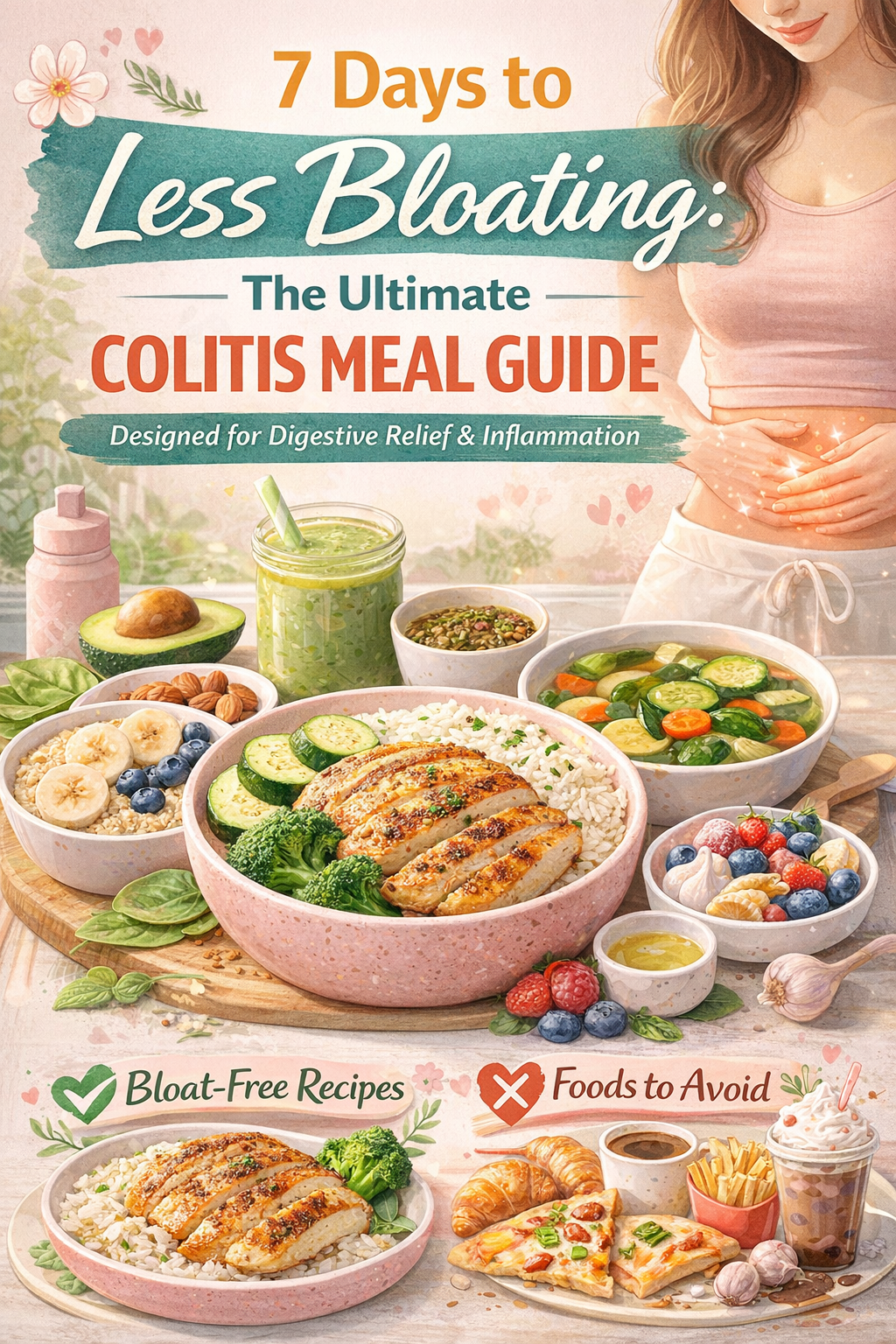
Navigating ulcerative colitis or Crohn's disease requires a delicate balance between nutritional needs and gut comfort, especially during flare-ups. The key to flare-free relief lies in selecting low-residue, easily digestible, nutrient-dense ingredients that calm the digestive tract. By focusing on tender proteins, well-cooked non-cruciferous vegetables, and gentle unrefined carbohydrates, individuals can enjoy flavorful, satisfying meals that promote mucosal healing without triggering painful symptoms.
Understanding Colitis and Nutritional Management
Colitis—most commonly presenting as ulcerative colitis—is an inflammatory bowel disease (IBD) characterized by chronic inflammation and ulcers in the innermost lining of the large intestine. Managing this condition involves suppressing systemic and localized inflammation while minimizing physical stress on the colon. Food is not a direct cure, but it serves as a powerful instrument for symptom control. When the colon is inflamed, raw fiber, high-fat meals, spicy additives, dairy lactose, and certain complex carbohydrates can exacerbate cramping, diarrhea, and bleeding.
A healing diet must adapt to the phase of the condition. During an active flare, a low-residue, low-fiber approach reduces the volume of stool passing through the colon, allowing the tissue to rest and repair. Conversely, during remission, the diet can expand to include a wider array of prebiotic and high-fiber foods to support a diverse gut microbiome. Regardless of the phase, hydration, protein sufficiency, and micronutrient absorption remain paramount.
Disclaimer: Nutritional requirements for colitis vary significantly depending on individual triggers, disease location, and surgical history. This guide provides supportive meal concepts and should be used in conjunction with guidance from a gastroenterologist or a clinical registered dietitian specializing in IBD.
The Principles of a Flare-Free Kitchen
Preparing meals for a sensitive gut requires specific culinary techniques that break down tough cell walls before the food ever reaches the plate. Raw salads and crunchy vegetables, while normally healthy, can act like sandpaper on an ulcerated colon.
Key Preparation Techniques for Colitis
- Prolonged Cooking: Boiling, steaming, and braising foods until they are exceptionally tender reduces the workload of mechanical and chemical digestion.
- Skin and Seed Removal: Peeling fruits and vegetables and removing seeds eliminates indigestible cellulose that causes irritation and gas.
- Fat Modulation: Excessive fats can stimulate colonic contractions and cause steatorrhea in individuals with compromised bile acid absorption. Opt for moderate, healthy fats like olive oil or avocado oil, and avoid deep-frying.
- Spice Substitution: Eliminate hot peppers, chili powders, and heavy garlic. Instead, rely on gentle herbs like parsley, basil, and small amounts of cooked ginger or turmeric, which possess anti-inflammatory properties.
10 Healing Colitis Meal Ideas
These ten meal ideas are designed to minimize residue, provide essential amino acids and vitamins, and deliver comforting flavors without compromising digestive peace.
1. Slow-Simmered Chicken and White Rice Congee
Congee is a traditional Asian rice porridge cooked down with a high ratio of liquid until the rice starches break down into a smooth, easily digestible gel.
- Ingredients: Jasmine rice, organic chicken broth, shredded boneless chicken breast, a thin slice of fresh ginger, and a dash of tamari.
- Why it heals: The long cooking time pre-digests the carbohydrates. Chicken provides lean, easily absorbed protein for tissue repair, while ginger offers natural anti-inflammatory support without irritating the gastric lining.
2. Steamed Salmon with Well-Cooked Carrots and Mashed Potatoes
Salmon is rich in omega-3 fatty acids, which have been shown in clinical studies to help modulate inflammatory pathways in the gut.
- Ingredients: Wild-caught salmon fillet baked or gently steamed, peeled white potatoes mashed with a splash of almond milk or olive oil, and thoroughly boiled, tender carrots.
- Why it heals: Omega-3s support systemic anti-inflammatory responses. White potatoes and peeled carrots supply soluble fiber and carbohydrates that require minimal digestive effort.
3. Creamy Zucchini and Potato Puree Soup
Traditional cream soups can trigger lactose intolerance symptoms common in IBD patients. This dairy-free version achieves a velvety texture purely through blending.
- Ingredients: Peeled zucchini, Yukon gold potatoes, vegetable broth, a touch of olive oil, and sea salt.
- Why it heals: Zucchini, when peeled and cooked completely soft, is exceptionally gentle on the bowel. The starch from the potatoes creates a comforting, creamy mouthfeel without heavy cream or butter.
4. Soft-Scrambled Eggs with White Toast and Avocado
Eggs are a supreme source of bioavailable protein and choline, and they are generally well-tolerated during periods of mild symptoms.
- Ingredients: Pasture-raised eggs cooked low and slow in a skillet with a minimal amount of butter or olive oil, served with toasted refined white sourdough bread and a few slices of ripe avocado.
- Why it heals: Soft eggs break down effortlessly in the stomach. Refined white bread is lower in insoluble fiber than whole grain bread, reducing mechanical stress on the colon, while ripe avocado supplies gentle monounsaturated fats.
5. Ground Turkey and Rice Meatball Broth
Bite-sized meatballs simmered in a clear, nourishing broth provide protein without requiring heavy chewing or complex breakdown in the digestive tract.
- Ingredients: Lean ground turkey mixed with a little white rice flour or well-soaked white breadcrumbs, simmered in a clear bone broth with peeled, diced squash.
- Why it heals: Lean turkey is gentle on the stomach. Serving it in a warm, mineral-rich broth aids hydration and delivers electrolytes often depleted during flare-ups.
6. Steamed Cod with Well-Cooked White Rice and Tender Spinach Puree
White fish like cod is exceptionally lean and flaky, making it one of the safest proteins for an inflamed digestive tract.
- Ingredients: Poached cod fillet, steamed white rice, and baby spinach that has been thoroughly wilted, pureed, and strained to remove any coarse fibrous strands.
- Why it heals: Cod provides pure, low-fat protein. Pureeing cooked spinach allows the body to absorb iron and vitamins without exposing the colon to raw, fibrous leaf structures.
7. Slow-Cooked Beef and Root Vegetable Stew
Red meat can sometimes be heavy, but when slow-cooked until it literally falls apart, beef chuck provides deep nourishment without taxing the gut.
- Ingredients: Grass-fed beef chuck roast simmered for hours with peeled carrots, peeled parsnips, and potatoes in a light beef or vegetable broth.
- Why it heals: Long cooking denatures the tough connective tissues in the meat. Root vegetables supply steady, easily utilized energy and micronutrients without irritating skin and seeds.
8. Creamy Banana and Oat Porridge
Oats contain soluble fiber (beta-glucan), which forms a soothing gel in the digestive tract and supports the growth of beneficial gut bacteria.
- Ingredients: Rolled oats cooked thoroughly in water or a dairy-free milk alternative, topped with a very ripe, speckled banana mashed into the warm porridge.
- Why it heals: Ripe bananas are exceptionally easy to digest and rich in potassium. Oats provide gentle, soluble fiber that helps stabilize stool consistency.
9. Poached Chicken Breast with Tender Zucchini Noodles
When pasta is too heavy or trigger-inducing, peeled zucchini spiralized and cooked down until meltingly soft offers a satisfying alternative.
- Ingredients: Skinless chicken breast poached in herbal broth, served over zucchini noodles cooked until tender in a gentle olive oil and herb pan sauce.
- Why it heals: Poaching keeps the chicken free of charred or oxidized fats from high-heat frying. Thoroughly cooked zucchini provides moisture and vitamins with zero abrasive roughage.
10. Baked Sweet Potato and Turkey Shepherd's Pie
Sweet potatoes are packed with beta-carotene and vitamins, though they must be skinned and thoroughly mashed during sensitive phases.
- Ingredients: Lean ground turkey cooked with mild herbs and broth, topped with a thick layer of peeled, whipped sweet potato and baked until golden.
- Why it heals: This comforting dish offers a psychological boost of eating a traditional comfort food while remaining strictly aligned with low-irritant, anti-inflammatory guidelines.
Nutritional Comparison of Healing Colitis Ingredients
To assist with meal planning, the following table compares key ingredients used in colitis-friendly cooking based on their preparation needs, primary nutrient profile, and digestive impact.
| Ingredient | Preparation Requirement | Primary Nutrient Profile | Digestive Impact |
|---|---|---|---|
| White Rice | Boiled until very soft | Simple carbohydrates, energy | Highly digestible, minimal residue |
| Cod / White Fish | Poached or steamed | Lean protein, trace minerals | Very low fat, rapid gastric emptying |
| Peeled Carrots | Boiled or steamed until tender | Vitamin A, beta-carotene | Softens fiber, reduces colon friction |
| Ripe Bananas | Eaten raw (speckled skin) or mashed | Potassium, simple sugars | Pre-digested sugars, soothing texture |
| Rolled Oats | Cooked thoroughly in liquid | Beta-glucan, soluble fiber | Forms a protective mucosal gel |
| Skinless Chicken | Poached, baked, or stewed | Complete amino acids | Repairs tissue without heavy fats |
Frequently Asked Questions
Can I eat raw fruits and vegetables during a colitis flare?
No, raw fruits and vegetables should generally be avoided during an active flare. Raw produce contains high amounts of insoluble fiber and tough cellular structures (cellulose) that require intense mechanical and chemical breakdown. This can scrape inflamed intestinal walls, worsen cramping, and accelerate diarrhea. Always peel, seed, and cook produce thoroughly until fork-tender during flare-ups.
Is dairy completely forbidden if I have colitis?
Not necessarily, but many people with colitis experience secondary lactose intolerance due to damage to the brush border of the small intestine where lactase is produced. During flare-ups, it is often wise to eliminate dairy or switch to lactose-free and plant-based alternatives like almond, coconut, or oat milk. Once remission is achieved, small amounts of aged, low-lactose cheeses or butter may be reintroduced cautiously.
How does protein help with colitis recovery?
Protein is essential for cellular repair, immune function, and maintaining muscle mass during chronic illness. Inflammation and frequent bowel movements can lead to protein-losing enteropathy and nutrient wasting. Incorporating lean, easily digestible protein sources like eggs, skinless poultry, white fish, and bone broth ensures the body has the structural building blocks required to heal ulcerated mucosal tissue.
What spices and seasonings are safe to use?
Spicy foods, hot sauces, raw garlic, raw onions, and heavy curry powders can intensely irritate an inflamed colon. Safe alternatives include small amounts of cooked ginger, mild fresh herbs like basil, parsley, and dill, and moderate amounts of salt. As symptoms improve, culinary exploration can expand slowly under the guidance of a symptom food diary.
When should I transition back to a normal, high-fiber diet?
The transition from a low-residue healing diet back to a nutrient-dense, high-fiber maintenance diet should only occur after a doctor or gastroenterologist confirms that clinical remission has been reached. This transition must be done gradually—introducing one new fiber source every few days while monitoring closely for increased gas, pain, or changes in stool frequency.
Next Actions and Practical Guidance
Achieving flare-free relief through diet requires patience, observation, and consistency. Start by keeping a detailed food and symptom journal to track how your body responds to each of the ten meal ideas listed above. Because IBD is highly individualized, a food that brings relief to one person may act as a minor trigger for another. Work closely with your healthcare provider or a registered dietitian specializing in gastrointestinal health to build a customized, sustainable nutrition plan that supports long-term mucosal healing and overall vitality.