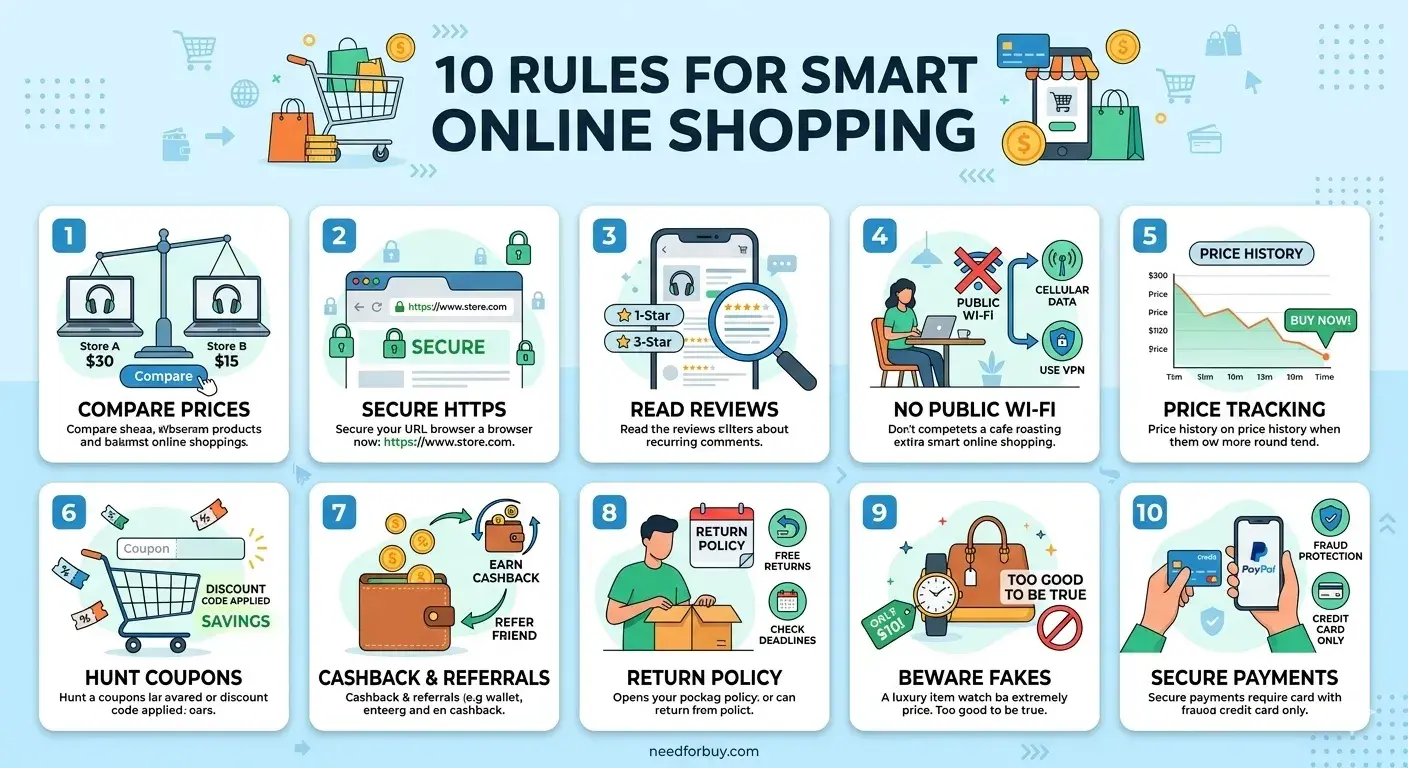
Online shopping offers incredible convenience and vast selection, but it can also lead to overspending if you approach every virtual checkout without a deliberate strategy. By mastering a few straightforward habits, you can significantly reduce your everyday digital purchases, avoid common marketing traps, and keep more money in your bank account without sacrificing the items you actually need.
The digital marketplace is designed to encourage impulsive purchasing. From personalized recommendations and countdown timers to frictionless one-click checkouts, online retailers utilize sophisticated data analytics to maximize average order values. However, consumers can easily counteract these psychological tactics by adopting structured, proactive habits. Implementing smart online shopping tips allows you to regain control over your purchasing decisions, ensuring that every dollar spent delivers maximum value.
Below are ten practical, field-tested strategies designed to help you save money effortlessly every time you browse the web.
1. Clear Your Cookies and Browse in Incognito Mode
Many e-commerce platforms and travel booking sites track your browsing behavior using cookies. When retailers notice you repeatedly visiting a specific product page, dynamic pricing algorithms may subtly inflate the displayed price, assuming your high interest signals urgency or lack of alternative options.
To prevent this form of behavioral price discrimination, make a habit of browsing in your browser's private or incognito mode. Alternatively, clear your browser cache and cookies regularly before shopping for major ticket items. Checking prices across different devices or alternative web browsers can also reveal whether a retailer is tailoring higher price points specifically to your digital profile.
2. Utilize Price-Tracking and Comparison Extensions
Manually checking multiple websites to find the lowest price for an item is tedious and inefficient. Fortunately, browser extensions and dedicated price-tracking tools automate this process. Extensions such as CamelCamelCamel for Amazon or standalone tools like Honey and Capital One Shopping allow you to view historical price charts, ensuring you never buy an item during an artificial "sale" when it was actually cheaper a week prior.
When evaluating these tools, keep the following capabilities in mind:
- Price History Graphs: Reveal whether the current discount is genuine or standard baseline pricing.
- Automated Coupon Application: Tests active promo codes at checkout to find working discounts.
- Price Drop Alerts: Sends notifications via email or push notifications when an item on your wishlist drops to your target price.
3. Master the Art of the Strategic Abandoned Cart
One of the easiest psychological hacks for securing an unexpected discount is the strategic abandoned cart. Retailers hate incomplete checkouts because cart abandonment represents lost revenue. To recover these sales, many online stores automatically email shoppers a personalized discount code—typically offering 10% to 20% off—if they leave items sitting in their virtual cart for 24 to 48 hours.
To make this strategy work, log into your account, add the desired items to your cart, and simply close the tab. Wait a day or two to see if an incentive arrives in your inbox. This approach requires patience, but it is remarkably effective for clothing, cosmetics, and specialty goods retailers.
| Savings Strategy | Primary Benefit | Best Suited For | Potential Risk |
|---|---|---|---|
| Abandoned Cart | Triggers automated discount codes | Clothing, home goods, cosmetics | Stock may sell out before purchase |
| Incognito Browsing | Prevents dynamic price inflation | Flights, hotels, electronics | Loses saved cart items and preferences |
| Cashback Portals | Earns percentage back on purchases | Everyday retail, groceries | Payout thresholds and processing delays |
| Gift Card Reselling | Immediate discount on face value | Major department stores, tech | Fraud risk on peer-to-peer marketplaces |
4. Leverage Cashback and Rewards Portals
Before completing any online transaction, check whether you can route your click through a legitimate cashback portal or credit card rewards program. Platforms like Rakuten, TopCashback, and issuer-specific shopping portals partner with thousands of retailers. When you shop through their referral links, they share a portion of the affiliate commission with you, typically paying out quarterly via check or PayPal.
Pairing these portals with a rewards credit card that offers tiered cash back on online shopping compounds your savings. Just ensure you pay your credit card balance in full each month to avoid interest charges that completely negate any cashback earnings.
5. Leverage Discount Gift Cards
A lesser-known method for securing a permanent discount on online purchases is buying discounted gift cards from reputable secondary marketplaces such as CardCash or Raise. Individuals often sell unwanted gift cards for major retailers—including grocery stores, home improvement centers, and fashion brands—at a percentage below their actual face value.
For example, you might purchase a $100 gift card for a favorite retailer for $85, netting an immediate 15% discount on everything you buy from that merchant. Always verify the marketplace's buyer protection policies and use the gift card promptly to minimize risks associated with retailer bankruptcies or policy changes.
6. Factor in Shipping Costs and Minimum Thresholds
Free shipping promotions can easily trick you into spending more money than you intended. Retailers frequently set free shipping thresholds—such as "Free shipping on orders over $50"—tempting shoppers to add unnecessary filler items to their carts just to avoid a $6 shipping fee.
Before adding items to qualify for free shipping, calculate whether the cost of the extra items exceeds the shipping fee itself. If buying a $15 accessory you do not need just to save $6 on shipping, you are losing $9. Conversely, if you regularly purchase from a specific retailer, investigate whether their annual subscription program for expedited shipping provides long-term net savings based on your historical purchase frequency.
7. Time Your Purchases Around Major Sales Cycles
Retail pricing follows predictable seasonal cycles. Buying items during off-peak periods can yield dramatic savings without requiring coupon codes or special hacks. Understanding when specific categories drop in price allows you to plan your purchases strategically throughout the year.
- January: Fitness equipment, bedding, and winter apparel.
- May: Mattresses and home appliances during Memorial Day promotions.
- July: Summer apparel clearance and electronics during mid-summer sales events.
- November: Major electronics, appliances, and general retail goods during Black Friday and Cyber Monday.
8. Maintain a Strict 48-Hour Waiting Period for Non-Essentials
Impulse buying is fueled by emotional gratification rather than practical necessity. The digital checkout process is engineered to minimize friction, making it dangerously easy to buy things on a whim. Implementing a mandatory 48-hour waiting period for any non-essential purchase creates the necessary cognitive pause to evaluate whether the item genuinely adds value to your life.
Add desired items to your wishlist or cart, walk away, and revisit them two days later. You will often find that the initial urge to buy has faded entirely, preventing buyers' remorse and saving your hard-earned money for items that truly matter.
9. Read Independent Reviews and Watch Out for Fake Ratings
Saving money is not just about finding the lowest upfront price; it is also about avoiding purchases that break quickly or fail to meet expectations, forcing you to buy a replacement. Before committing to an online purchase, look beyond the star rating on the retailer's product page.
Consult independent review sites, consumer testing publications, and video teardowns to verify product durability and performance. Furthermore, utilize tools like Fakespot or ReviewMeta to analyze Amazon and e-commerce product listings for suspicious, inflated, or incentivized reviews that mask poor product quality.
10. Audit Subscriptions and Digital Accounts
Over time, recurring digital subscriptions—ranging from streaming services and software licenses to automated grocery deliveries and curated subscription boxes—can quietly drain your monthly budget. Retailers often lock users into auto-renewal billing agreements that are easy to overlook on credit card statements.
Conduct a thorough audit of your online accounts every six months. Cancel any subscription services you have not actively used in the past thirty days, and remove stored credit card information from online shopping profiles. Forcing yourself to manually re-enter your payment details for every transaction introduces intentional friction that naturally curbs casual, unconsidered spending.
Frequently Asked Questions
Does using incognito mode actually guarantee lower prices online?
Incognito mode does not guarantee a lower price, but it prevents retailers from using your browsing history and cookie data to inflate prices via dynamic pricing algorithms. It is most effective when shopping for travel, flights, car rentals, and hospitality bookings where pricing fluctuates based on perceived demand.
Are browser coupon extensions safe to install?
Reputable browser extensions like Honey or Capital One Shopping are generally safe and widely used, but they do require permission to read website data. To protect your privacy, review the extension developer's privacy policy, limit extensions to trusted providers, and remove any tools you no longer actively use.
How do I know if a discount gift card marketplace is reliable?
Reliable secondary gift card marketplaces typically offer a buyer guarantee period—such as 45 to 60 days—during which they will refund your money if the card has a zero balance or is reported invalid. Always check independent consumer review platforms and buy from platforms with robust verification processes.
What is the safest way to pay for purchases online?
Using a credit card offers the strongest consumer protection under federal law, including robust fraud liability limits and chargeback rights if an item fails to arrive or is significantly not as described. Avoid using debit cards for online transactions, as fraudulent charges directly drain cash from your primary checking account while investigations are pending.
How can I stop myself from buying items I do not need?
Implementing a mandatory cooling-off period—such as waiting 48 hours before checking out—is one of the most effective psychological barriers against impulse buying. Additionally, removing stored credit card details from online shopping accounts forces you to manually type your card information each time, creating enough friction to rethink unnecessary purchases.