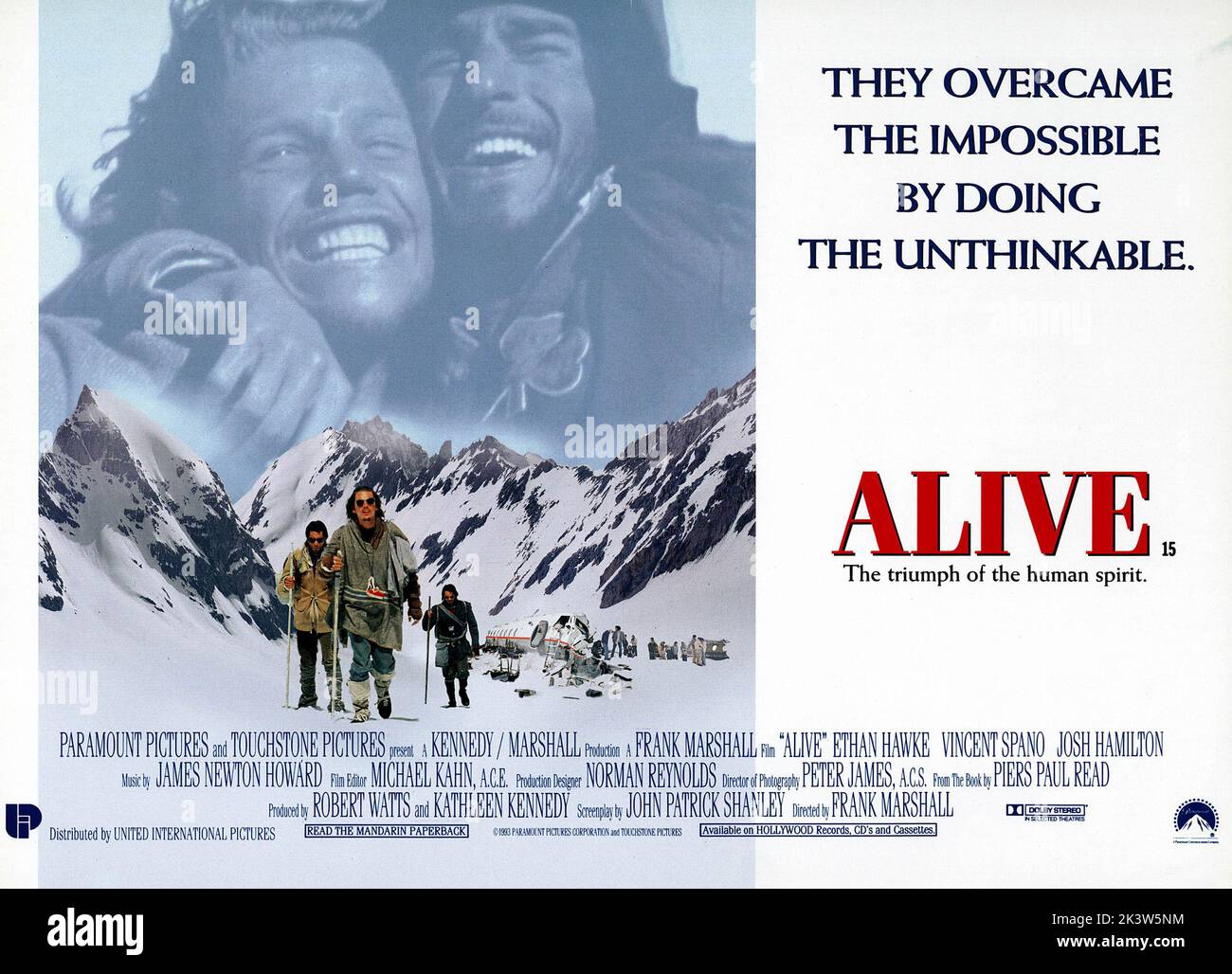
The year 1993 represents one of the most pivotal and transformative epochs in cinema history, characterized by a massive leap forward in digital visual effects, the commercial dominance of high-concept blockbusters, and the concurrent rise of uncompromising independent filmmaking that redefined the medium's creative boundaries.
The Paradigm Shift in Visual Effects and Blockbuster Cinema
The cinematic landscape of 1993 was fundamentally altered by the convergence of computer-generated imagery (CGI) and practical effects. For decades, filmmakers relied on stop-motion animation, matte paintings, and physical animatronics to bring fantastical elements to the screen. While these techniques yielded timeless masterpieces, they possessed inherent limitations in fluidity, lighting interaction, and scale. The release of Steven Spielberg’s Jurassic Park in the summer of 1993 shattered these limitations, proving that digital creatures could look, move, and interact with live-action environments with breathtaking realism.
The Impact of Jurassic Park
Based on Michael Crichton’s bestselling novel, Jurassic Park utilized a groundbreaking hybrid approach supervised by Stan Winston’s practical creature shop and Industrial Light & Magic's (ILM) digital animation division. The result was a cultural phenomenon that grossed over $900 million during its initial theatrical run, subsequently becoming the highest-grossing film of all time until Titanic surpassed it in 1998. The film transformed dinosaurs from static museum exhibits into breathing, terrifying animals, establishing a new standard for blockbuster filmmaking that prioritized digital integration over simple spectacle.
Other Technological Milestones of the Era
Beyond dinosaurs, 1993 witnessed rapid advancements in optical compositing and digital wire removal. Films like Cliffhanger utilized advanced digital compositing to remove safety harnesses and stunt wires from high-altitude action sequences, heightening peril without endangering performers. This invisible utilization of technology laid the groundwork for modern action choreography, where digital tools enhance realism rather than merely generating fantasy elements.
Critical Landmarks and Independent Breakthroughs
While Hollywood studios poured capital into high-concept special effects, the independent film sector experienced an unprecedented creative and commercial boom. The early 1990s indie explosion, catalyzed by the Sundance Film Festival, reached a critical inflection point in 1993. Independent distributors demonstrated that low-budget, character-driven dramas could achieve mainstream viability and critical adulation.
The Rise of Auteur Voices
Jane Campion’s The Piano captured the prestigious Palme d'Or at the Cannes Film Festival and earned widespread critical acclaim, exploring intense psychological themes within a remote 19th-century New Zealand setting. Simultaneously, Quentin Tarantino’s post-production work on Reservoir Dogs (released late 1992) paved the way for the 1994 release of Pulp Fiction, while other distinctive directorial voices began shaping contemporary American cinema. Richard Linklater’s Dazed and Confused, released in September 1993, offered an authentic, non-judgmental look at 1970s youth culture that evolved into a definitive cult classic, proving that everyday adolescent experiences held profound cinematic value.
Mainstream Dramas and Psychological Depth
Mainstream Hollywood also delivered enduring humanistic dramas that avoided blockbuster spectacle in favor of complex emotional storytelling. Tom Hanks delivered a career-defining performance in Jonathan Demme’s Philadelphia, one of the first major Hollywood studio films to directly address the HIV/AIDS epidemic, homophobia, and systemic discrimination. The film bridged the gap between commercial accessibility and vital social commentary, earning Hanks his first Academy Award for Best Actor.
Cultural Milestones and Genre Evolution
The cinematic output of 1993 spanned virtually every genre, reflecting the sociopolitical anxieties and aesthetic shifts of the early post-Cold War era. From gritty urban crime thrillers to subversive dark comedies, the year's catalog continues to influence contemporary storytelling conventions.
Defining Genres of 1993
- Sci-Fi and Fantasy: Beyond Jurassic Park, science fiction explored dystopian and high-concept premises. Harold Ramis’s Groundhog Day elevated the existential time-loop premise into a philosophical masterclass, blending romantic comedy with deep moral inquiry.
- Action and Thriller: Wolfgang Petersen’s In the Line of Fire revitalized the political thriller through tight pacing and a psychological cat-and-mouse dynamic between a veteran Secret Service agent and a rogue assassin.
- Animation: While not a traditional theatrical feature release, the burgeoning television and direct-to-video animation markets were deeply influenced by the theatrical release of films like The Nightmare Before Christmas (produced by Tim Burton and directed by Henry Selick), which cemented stop-motion animation as an artistic medium capable of appealing equally to adults and children.
Comparative Analysis of Landmark 1993 Releases
To understand the immense diversity of the 1993 film landscape, it is helpful to examine how different projects approached storytelling, scale, and audience engagement across various categories.
| Film Title | Primary Genre | Directorial Vision | Defining Innovation or Impact |
|---|---|---|---|
| Jurassic Park | Sci-Fi / Adventure | Steven Spielberg | Revolutionized CGI and animatronic integration in blockbusters. |
| The Piano | Romantic Drama | Jane Campion | Achieved rare Palme d'Or and Academy Award success for female-led auteur cinema. |
| Groundhog Day | Comedy / Fantasy | Harold Ramis | Perfected the existential time-loop narrative structure in modern film. |
| Philadelphia | Legal Drama | Jonathan Demme | Brought major-studio visibility to the HIV/AIDS crisis and systemic prejudice. |
| Dazed and Confused | Coming-of-Age | Richard Linklater | Redefined the authentic, ensemble-driven hangout movie format. |
Frequently Asked Questions About 1993 Cinema
What was the highest-grossing film released in 1993?
Steven Spielberg’s Jurassic Park was the undisputed box office champion of 1993, grossing over $900 million worldwide during its initial release run. It shattered numerous international attendance records and held the title of the highest-grossing film in history until James Cameron’s Titanic broke it four years later.
How did 1993 change the use of CGI in movies?
The year 1993 marked the transition of CGI from a novelty or background tool into a primary storytelling mechanism. The seamless blending of digital dinosaurs with physical sets in Jurassic Park proved that computer-generated entities could carry dramatic weight and look thoroughly convincing to audiences, permanently shifting industry production standards.
Which independent films from 1993 achieved lasting cultural significance?
Key independent and mid-budget releases from 1993 that achieved enduring status include Richard Linklater’s Dazed and Confused, Jane Campion’s The Piano, and atmospheric genre entries like True Romance (written by Quentin Tarantino and directed by Tony Scott). These films demonstrated strong longevity on home video and cable distribution.
Did 1993 feature any notable technological milestones in sound design?
Yes, 1993 was a pivotal year for immersive theatrical audio. The expansion of digital sound formats—such as DTS (Digital Theater Systems), which debuted with Jurassic Park, and Dolby Digital—allowed sound designers to utilize discrete multi-channel audio tracks, enhancing spatial awareness and dynamic range in auditoriums worldwide.
What major awards were dominated by 1993 releases?
The 66th Academy Awards, held in early 1994 to honor films released in 1993, were heavily dominated by Steven Spielberg’s Schindler's List, which won seven Oscars including Best Picture and Best Director, alongside The Piano, which earned major wins for acting and original screenplay.
Final Recommendations for Film Enthusiasts
Exploring the cinema of 1993 requires looking past the massive box office hits to appreciate the breadth of artistic output during the period. For a comprehensive viewing itinerary, pair the technological spectacle of Jurassic Park with the intimate psychological depth of The Piano and the philosophical wit of Groundhog Day. Examining these works side by side reveals a film industry operating at the absolute peak of its creative confidence, successfully bridging the gap between cutting-edge technical innovation and enduring human storytelling.