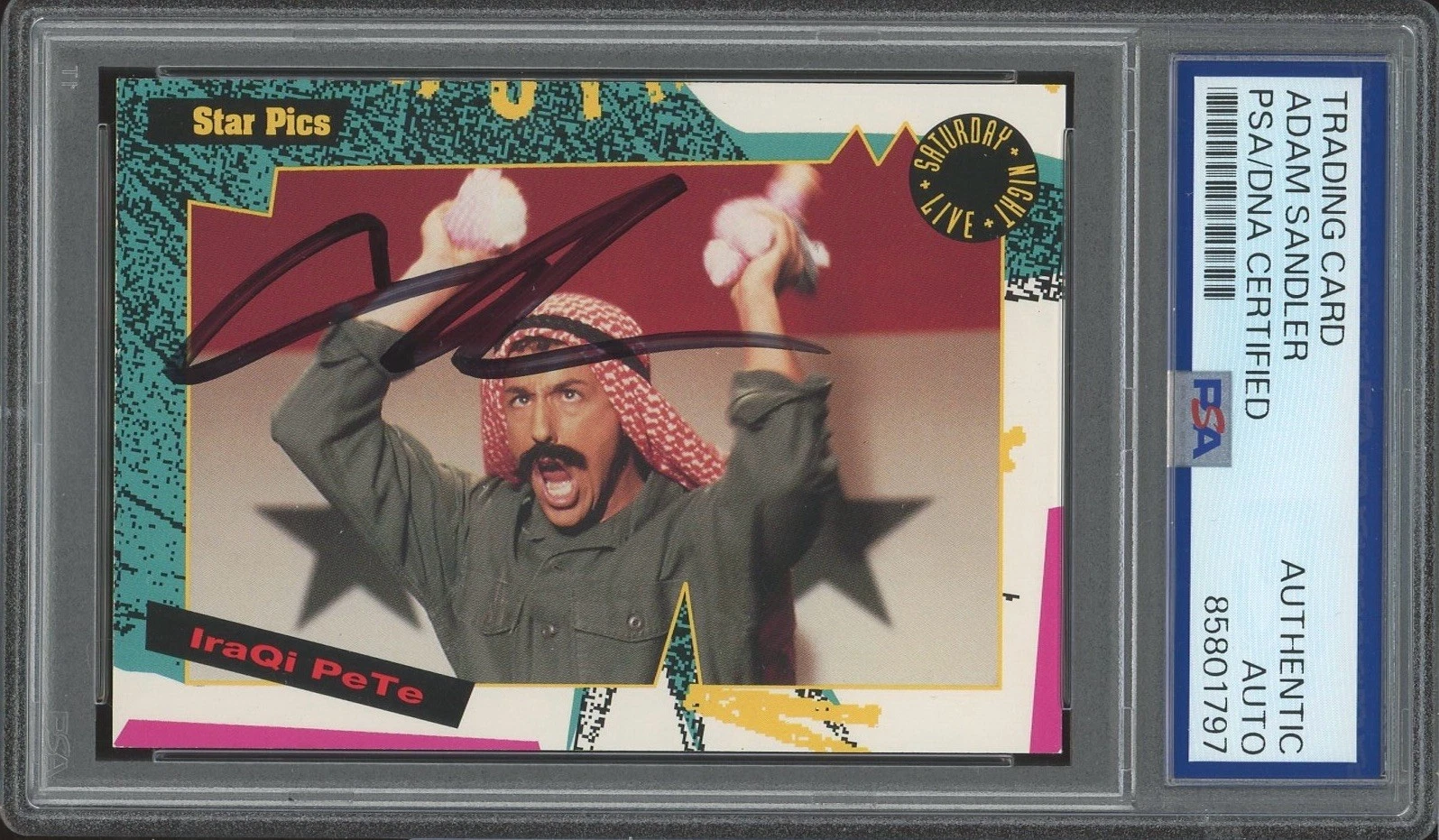
Saturday Night Live (SNL) in 1992 operated at a volatile intersection of late-night television comedy, generational anxiety, and an unfolding presidential election that fundamentally reshaped both the political landscape and the show's own sketch formula. Navigating a transitional phase between the departure of late-1980s stalwarts and the establishment of a new, mid-1990s comedic powerhouse, the 1992 broadcast calendar—spanning the second half of Season 17 and the first half of Season 18—captured a restless American public through iconic recurring characters, sharp political satire, and high-profile musical and cultural moments.
The Political Crucible: The 1992 Presidential Election on SNL
The year 1992 was a watershed moment for American political comedy, and Saturday Night Live served as one of the primary arbiters of national political discourse. The presidential race pitted incumbent Republican George H.W. Bush against Democratic challenger Bill Clinton and independent candidate Ross Perot. SNL leveraged its cast to dissect the campaign trail, transforming political impersonations into cultural touchstones that occasionally influenced public perception.
Phil Hartman’s portrayal of President George H.W. Bush captured a patrician, out-of-touch gentility mixed with private befuddlement, perfectly encapsulating the mood of an electorate facing an economic recession. Meanwhile, Dana Carvey’s hyperactive, folksy, thumb-hooking impression of Bill Clinton highlighted the candidate's boundless ambition and Southern charm while lightly poking fun at his perceived slipperiness. When the real Bill Clinton appeared on the show during the campaign—playing the saxophone on the April 4, 1992 episode hosted by Sharon Stone—it marked a pivotal blurring of lines between traditional journalism, entertainment, and modern political campaigning.
Ross Perot, portrayed with manic intensity by Dana Carvey, also dominated the airwaves. Carvey’s depiction of Perot brandishing oversized charts and snapping catchphrases like "Can I finish?" defined the billionaire businessman in the public consciousness, demonstrating the immense pulling power of late-night satire during a high-stakes electoral cycle.
Cast Dynamics and Structural Transitions
The ensemble cast of 1992 represented a fascinating bridge between eras. The late-80s Golden Age—anchored by veterans like Dana Carvey, Phil Hartman, Kevin Nealon, Jan Hooks, and Mike Myers—was gradually giving way to a new crop of performers who would define the remainder of the decade.
Key Cast Members and Their Roles in 1992
| Cast Member | Primary Status in 1992 | Notable Characters / Contributions |
|---|---|---|
| Dana Carvey | Veteran / Departing Star | Ross Perot, George Bush, Church Lady, Hans |
| Phil Hartman | Veteran / "The Glue" | Bill Clinton, Frank Sinatra, Charlton Heston, News Anchor |
| Mike Myers | Anchor Performer | Wayne Campbell, Dieter, Linda Richman |
| Kevin Nealon | Veteran / Weekend Update Anchor | Weekend Update, Subliminal Man |
| Chris Farley | Rising Star | Matt Foley (introduced in 1993, developed here), Tommy Callahan vibes |
| Adam Sandler | Rising Star | Opera Man, Cajun Man, musical segments |
| David Spade | Rising Star | Hollywood Minute, sarcastic receptionist |
| Chris Rock | Cast Member | Various street and studio characters |
This lineup created a dynamic tension on set. Traditional, character-driven sketch comedy championed by Hartman and Carvey shared studio space with the absurd, high-energy, absurdist premises brought forward by newer cast members like Adam Sandler, Chris Farley, and David Spade.
Weekend Update and the Evolution of Delivery
Anchored by Kevin Nealon, Weekend Update in 1992 maintained a dry, deadpan delivery style that contrasted sharply with the more aggressive, confrontational humor that would arrive later in the decade. Nealon’s approach relied on subtle setups and understated punchlines, offering a steady editorial voice amidst the political chaos of the election year.
Simultaneously, the early seeds of a new comedic voice were planted at the Update desk through David Spade's "Hollywood Minute" segments. Debuting in the fall of 1992, Spade used a sharp, catty, insult-driven delivery style to skewer celebrities and pop culture figures, earning immediate viewer reaction and establishing a template for modern celebrity satire.
Iconic Sketches and Pop Culture Integration
Beyond politics, 1992 was the year that several major cinematic and musical crossovers cemented SNL's status as a cultural barometer.
Wayne’s World and Cinematic Success
The cultural phenomenon of Wayne's World, starring Mike Myers and Dana Carvey as heavy-metal-loving public access hosts Wayne Campbell and Garth Algar, reached its absolute zenith in early 1992. Released as a feature film in February 1992 by Paramount Pictures, the movie grossed over $183 million worldwide, proving that SNL characters could successfully cross over into blockbuster feature films. Sketches throughout the year continuously referenced and fed off this massive mainstream momentum, solidifying catchphrases like "Schwing!" and "We're not worthy!" into the global vernacular.
Musical Milestones and Controversies
The musical guest roster in 1992 captured the shifting tastes of American youth, moving away from late-80s pop toward alternative rock, grunge, and heavy hip-hop. A defining moment of the year occurred on October 3, 1992, when Irish singer-songwriter Sinéad O'Connor performed an a cappella version of Bob Marley’s "War" as a protest against child abuse. At the conclusion of the performance, she held up a photograph of Pope John Paul II and ripped it to pieces, declaring, "Fight the real enemy."
The incident provoked immediate outrage from the network, studio audience, and conservative politicians, resulting in a permanent lifetime ban from the show for O'Connor. It remains one of the most controversial live television broadcasts in the history of American media, illustrating the unpredictable nature of SNL's live format in 1992.
Production Realities and Behind-the-Scenes Pressures
Creating a 90-minute live sketch comedy show every week in 1992 required an exhausting production schedule that tested the limits of both the writing staff and the cast. Creator and executive producer Lorne Michaels maintained tight oversight, while head writers like Jim Downey navigated the delicate balance between topical political satire and absurd humor.
The typical weekly production cycle followed a rigorous timeline:
- Monday: Pitch meeting where cast members and writers pitch ideas to the host.
- Tuesday: Writing night, often stretching into the early hours of Wednesday morning to script selected sketches.
- Wednesday: Table read in the seventeenth-floor offices at 30 Rockefeller Plaza, where sketches are selected and refined.
- Thursday and Friday: Rehearsals, set design, wardrobe fittings, and rewrites.
- Saturday: Camera blocking, dress rehearsal at 8:00 PM in front of a live studio audience, last-minute cuts, and the live broadcast at 11:30 PM Eastern Time.
This grueling pace contributed to high stress levels and inevitable cast burnout, foreshadowing the major cast turnover that would occur over the next two seasons as veterans like Dana Carvey departed.
Frequently Asked Questions About SNL in 1992
Who were the primary hosts of Saturday Night Live in 1992?
The 1992 broadcast year featured a diverse array of hosts spanning film, music, and television, including Sharon Stone, Woody Harrelson, Michael Keaton, Tom Hanks, Nicolas Cage, and John Goodman. These hosts frequently participated in cold opens alongside the show's recurring political impersonators.
How did the 1992 presidential election impact SNL ratings and content?
The election served as a primary narrative engine for the show throughout the year. Skits featuring George H.W. Bush, Bill Clinton, and Ross Perot drove substantial media coverage, elevated public awareness of the candidates' eccentricities, and boosted live viewership figures during peak campaign months.
What caused the Sinéad O'Connor controversy on the show?
During her October 3, 1992 musical performance, Sinéad O'Connor protested clerical child abuse within the Roman Catholic Church by tearing a photograph of Pope John Paul II live on air. The unscripted action led to immediate switchboard jams, widespread public debate, and her permanent ban from the program.
Was Wayne’s World still a regular sketch on SNL in 1992?
Following the massive success of the February 1992 feature film adaptation, the "Wayne's World" sketches appeared less frequently on the show as Mike Myers and Dana Carvey transitioned toward other projects and prepared for their eventual departures from the regular cast.
How did the shift in cast members affect the show's humor style?
The coexistence of traditional character actors like Phil Hartman alongside physical comedy pioneers like Chris Farley and Adam Sandler created a transitional comedic style. This blend allowed the show to bridge the gap between polished, high-concept theatrical satire and chaotic, absurd, youth-targeted comedy.
Final Recommendations for Researchers and Fans
For viewers, researchers, and media historians examining Saturday Night Live in 1992, the best approach is to view the episodes chronologically rather than in isolation. By tracing the arc from the winter episodes leading up to the February Wayne’s World film release through the intense autumn election run-up and the arrival of the Sandler-Farley era, one gains a comprehensive understanding of how late-night television adapted to cultural fragmentation. Accessing these episodes through official streaming archives allows for a direct evaluation of how 1990s satire reflects the enduring intersection of entertainment, media, and American politics.