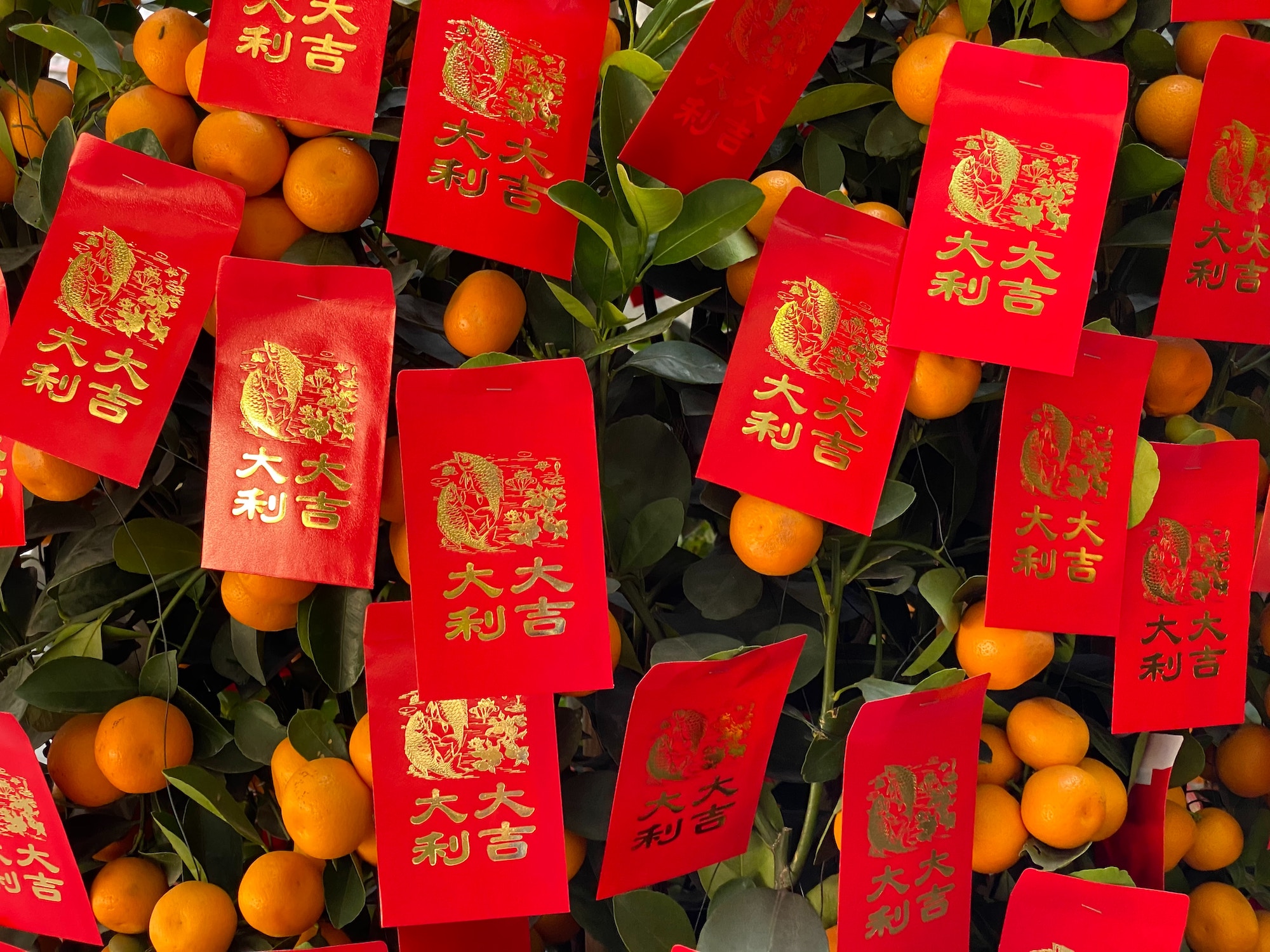
The 1978 Chinese New Year marked the arrival of the Year of the Earth Horse, beginning on February 7, 1978. Occurring during a pivotal transition period in East Asian history, the celebrations reflected a resurgence of traditional customs—such as family reunion dinners, festive decorations, and giving lucky red envelopes (hongbao)—as cultural practices revived across mainland China, Hong Kong, Taiwan, and global diaspora communities.
The Historical Context of the 1978 Lunar New Year
The 1978 Spring Festival (Lunar New Year) held unique historical significance across the Chinese-speaking world. In mainland China, February 1978 fell during an era of profound transition. Following the end of the Cultural Revolution in 1976, the nation was cautiously stepping into a cultural and social thaw under leadership that would officially launch the "Reform and Opening-up" policy later in December 1978.
For ordinary citizens in mainland China, the 1978 Spring Festival represented a gradual return to long-suppressed traditional customs. Families began openly observing ancestral rites, preparing customary New Year foods within the limits of state-administered rationing systems, and exchanging traditional holiday greetings. While public celebrations remained somewhat modest compared to modern standards, the private atmosphere inside homes was marked by renewed hope and emotional reunion.
In contrast, Chinese communities outside mainland China—particularly in Hong Kong, Taiwan, Singapore, and Chinatowns across North America and Europe—celebrated the 1978 Spring Festival with uninhibited vibrancy. Hong Kong was experiencing rapid economic growth as one of the "Four Asian Tigers," transforming its Lunar New Year festivities into lavish displays of consumer culture, colorful street markets, and televised holiday specials. Taiwan maintained strict preservation of traditional Minnan and mainland regional heritage, emphasizing solemn temple worship, family feasts, and traditional pyrotechnics.
The Year of the Earth Horse (戊午年)
According to the traditional Chinese sexagenary cycle (the 60-year stem-branch calendar system), the lunar year that began on February 7, 1978, was the Wu Wu (戊午) year, commonly known as the Year of the Earth Horse.
In Chinese astrology and traditional cosmology:
- The Horse (午) represents energy, independence, momentum, rapid travel, and decisive action.
- The Earth Element (戊) brings stability, grounding, practical effort, and long-term planning.
The combination of the Earth element with the fiery, energetic nature of the Horse was traditionally interpreted as a year balancing ambitious movement with pragmatic foundation-building. For millions celebrating in 1978, this symbolic alignment resonated deeply with the desire for social stability and economic progress after years of political instability.
Core Traditions and Customs of the 1978 Spring Festival
While regional variations existed, the foundational customs of the Lunar New Year bound Chinese communities together worldwide. In 1978, these rites followed a centuries-old timeline designed to sweep away old misfortune and welcome good luck, health, and prosperity for the coming lunar cycle.
Timeline of Key Spring Festival Rituals (1978)
- Little New Year (Late Jan 1978): Sweeping the dust & honoring the Kitchen God
- New Year's Eve (Feb 6, 1978): Family reunion dinner & exchanging hongbao
- New Year's Day (Feb 7, 1978): Ancestral veneration, temple visits & fireworks
- Lantern Festival (Feb 21, 1978): Displaying lanterns, eating yuanxiao & lion dances
Sweeping the Dust (Sao Chen)
In the days leading up to New Year’s Eve (February 6, 1978), families undertook a comprehensive deep cleaning of their homes. Known as Sao Chen (sweeping the dust), this practice carries deep symbolic weight. The word for "dust" (chen 塵) is a homophone for "the old" or "stale." Cleaning the house represented purging bad luck, illness, and lingering negative energy accumulated over the past year.
Crucially, all cleaning implements—brooms, mops, and dustpans—were put away on New Year’s Eve. Cleaning on New Year's Day itself was strictly forbidden, as doing so was believed to inadvertently sweep away the newly arrived good luck.
Decorating the Household
Once cleaned, homes were decorated with vibrant red ornaments, symbolizing warmth, vitality, and protection against evil spirits:
- Spring Festival Couplets (Chunlian): Pairs of red paper strips inscribed with poetic calligraphy expressing wishes for wealth, longevity, and harmonious family life, pasted vertically on doorframes.
- Paper-Cuts (Chuang Hua): Intricate red paper cutouts of zodiac animals, flowers, and auspicious symbols adhered to windows.
- The Character Fu (福): The character representing good fortune was often displayed upside down (Dao Fu) on doors, creating a linguistic pun, as "upside down" (dao) sounds identical to "arrived" (dao)—meaning "fortune has arrived."
The Reunion Dinner (Nian Ye Fan)
The focal point of the entire celebration took place on Lunar New Year’s Eve. Family members traveled long distances to gather around the dining table for the Nian Ye Fan (Year-End Family Feast).
In 1978, the dish composition reflected local availability and regional culinary tradition:
- Whole Fish (Yu): Served intact with head and tail. The Chinese word for fish (yu) sounds like "surplus" (yu), giving rise to the phrase Nian Nian You Yu ("May every year leave a surplus"). Etiquette required leaving a portion of the fish unfinished to guarantee abundance in the coming year.
- Dumplings (Jiaozi): Essential in Northern China, shaped like ancient silver and gold ingots (yuanbao) to attract wealth.
- Rice Cake (Niangao): A sticky sweet cake popular in Southern China. The name is a homophone for "higher year," symbolizing professional advancement and growing children.
- Spring Rolls and Sweet Rice Balls (Tangyuan): Spring rolls represented golden bars, while round tangyuan signified family togetherness and completeness.
The Art and Tradition of Lucky Red Envelopes (Hongbao)
Among all Spring Festival customs, the exchange of bright red envelopes containing crisp banknotes remains the most recognized and cherished tradition. Known as Hongbao (紅包) in Mandarin, Lai See (利是) in Cantonese, and Ang Pow in Hokkien, these envelopes hold profound cultural and social significance.
Cultural Anatomy of a 1978 Hongbao
- Red Paper Structure: Symbolic Protection against the evil demon "Sui"
- Gold Calligraphy: Inscriptions: "Gong Xi Fa Cai" or "Fu" (Good Fortune)
- Cash Contents: Crisp, uncirculated banknotes in even denominations
Origins of Ya Sui Qian
The act of giving money during the New Year is rooted in ancient folk traditions known as Ya Sui Qian (壓歲錢), which translates to "suppressing the demon money." Legend tells of an evil demon named Sui who would creep into homes on New Year's Eve to touch the heads of sleeping children, causing them to suffer severe fevers and lose their intelligence.
To protect their children, parents began wrapping coins in red paper and placing them under their children's pillows. When Sui attempted to touch the child, the red paper and shiny coins radiated a blinding light that drove the demon away. Over centuries, this custom evolved into the systematic gifting of money wrapped in red paper from elders to the younger generation to grant safe passage through the year.
Design and Physical Attributes of Red Envelopes in 1978
In 1978, red envelope design reflected classic mid-20th-century printing techniques:
- Material: Envelopes were predominantly made from medium-weight red paper, dyed using mineral pigments. Unlike the heavy metallic cardstock and synthetic textures common today, 1978 envelopes were lighter and tactile.
- Typography & Iconography: Standard 1978 envelopes featured embossed gold-foil lettering or yellow screen-printed calligraphy. Common phrases included Gong Xi Fa Cai (Wishing You Prosperity), Da Ji Da Li (Great Luck and Profit), and Wan Shi Ru Yi (May All Things Go As You Wish).
- Zodiac Imagery: Envelopes produced specifically for 1978 incorporated stylized line art of the Horse, often depicted galloping alongside auspicious clouds or ancient coins.
Monetary Norms and Gifting Etiquette in 1978
The amount of money enclosed within a red envelope in 1978 varied significantly based on geographic region, family wealth, and local economic conditions:
- Mainland China: Given the state-managed economy of 1978, cash distributions were modest. Typical gifts ranged from 0.50 RMB to 5 RMB (Renminbi). In rural areas, crisp 1-yuan or 2-yuan bills were considered generous gifts for children.
- Hong Kong: Reflecting a thriving capitalist economy, Lai See gifts were significantly higher. Standard amounts for children, younger relatives, and service workers ranged from HK$5 to HK$50. Close family members might receive envelopes containing HK$100 or more.
- Taiwan: Envelopes commonly contained amounts ranging from NT$50 to NT$600 (New Taiwan Dollars), always adhering strictly to even numerical values.
- Overseas Chinatowns (USA/UK): In North America, red envelopes generally held $1 to $10 USD crisp bills, given liberally to children in Chinatown neighborhoods during street parades.
Crucial Red Envelope Etiquette
The rules governing red envelope exchanges were strict and culturally enforced:
- Even Numbers Only: The monetary amount had to begin with an even digit (e.g., 2, 6, 8). Odd numbers were associated with funeral traditions (Bai Shi) and brought bad luck.
- The Power of Eight: The number 8 (Ba) was favored because it sounds like Fa (to prosper). Conversely, the number 4 (Si) was strictly avoided because it is a homophone for death (Si).
- Crisp, New Bills: Enclosing worn, crumpled, or torn banknotes showed disrespect. People lined up at banks days before the festival to exchange old notes for uncirculated bills.
- Two-Handed Delivery and Receipt: Envelopes were always offered with both hands as a sign of respect and accepted with both hands while offering polite New Year greetings.
- No Opening in Public: Recipients, particularly children, were taught never to open their red envelopes in front of the giver, as doing so demonstrated greed.
Regional Celebrations and Diaspora Dynamics in 1978
The expression of Chinese New Year traditions in 1978 was far from uniform. Local political environments, economic development, and historic migration patterns created distinct cultural landscapes.
1978 Regional Celebration Dynamics
- Mainland China: Resurgent traditions, pragmatic family meals, state-managed rationing context.
- Hong Kong & Taiwan: Commercial dynamism, televised galas, lavish fireworks, strict ancestral preservation.
- Overseas Chinatowns: Firecracker parades, lion dance troupes, civic cultural integration in US/Europe.
Mainland China: The Quiet Dawn of Renewal
For urban residents in Beijing, Shanghai, and Guangzhou, as well as farming communities in rural provinces, the 1978 Spring Festival was a moment of quiet relief. After a decade of ideological austerity during which traditional holiday customs were frequently discouraged as outdated, 1978 brought a palpable relaxation of social control.
Families gathered around small monochrome television sets—if available—or radios. State stores stocked special allocations of pork, sugar, cooking oil, and flour under ration coupon programs (Liang Piao) so citizens could prepare traditional holiday meals. Traditional dragon and lion dances began reappearing in provincial towns, signaling the rebirth of public folk entertainment.
Hong Kong: Commercial Vibrancy and Broadcast Culture
In 1978, Hong Kong served as the vibrant global showcase for Chinese New Year culture. Major districts like Central, Tsim Sha Tsui, and Mong Kok were adorned with massive neon displays and red lantern arches. The flower markets at Victoria Park were packed with shoppers buying peach blossoms for romantic luck, kumquat trees for wealth, and orchids for elegance.
Television played a major role in unifying the celebration. Broadcasts by TVB (Television Broadcasts Limited) featured variety shows filled with Cantonese pop stars, comedic sketches, and live traditional orchestra performances. The phrase Gong Hey Fat Choy echoes throughout HK media as local banks distributed branded Lai See envelopes to millions of account holders.
Taiwan: Deep Preservation of Heritage
Taiwan’s 1978 celebration stood out for its rigorous preservation of classical ritual. Families spent New Year’s Eve conducting elaborate rites at home altars, offering whole cooked poultry, fruits, and wine to ancestors.
Neighborhood temples, such as Longshan Temple in Taipei and Chaotian Temple in Beigang, were packed with worshippers burning incense and offering prayers at midnight. Firecracker displays were continuous throughout the night, creating an energetic atmosphere that swept across cities and villages alike.
Global Chinatowns: Preserving Identity Abroad
In major overseas hubs like San Francisco, New York, Vancouver, and London, the 1978 Chinese New Year provided a vital bridge for immigrant communities to maintain cultural ties. The San Francisco Chinatown Chinese New Year Parade—already a long-standing tradition—drew tens of thousands of spectators to witness the famous golden dragon dance, marching bands, and traditional pyrotechnics.
Local businesses handed out red envelopes containing silver dollars or crisp $1 bills to local children, reinforcing social solidarity within overseas Chinese enclaves.
Detailed Regional Comparison Table for 1978
| Region / Category | Mainland China | Hong Kong | Taiwan | Overseas Chinatowns (US/UK) |
|---|---|---|---|---|
| Primary Focus | Family reunion & quiet cultural recovery | Commercial festivity, media galas, flower markets | Ancestral worship, temple rites, family feasts | Community solidarity, parades, cultural outreach |
| Typical Red Envelope Gift | 0.50 RMB – 5 RMB | HK$5 – HK$100 | NT$50 – NT$600 | $1.00 – $10.00 USD |
| Public Spectacles | Emerging municipal temple fairs & localized folk shows | Mass flower markets, neon displays, broadcast TV specials | Major temple pilgrimages & widespread street fireworks | Large-scale dragon parades & public lion dances |
| Key Culinary Staples | Pork dumplings (Jiaozi), basic rice cakes | Roasted meats, Turnip cake (Lo Pak Go), bird's nest | Nian Gao, whole fish, steamed chicken, herbal soups | Dim Sum, whole fish, spring rolls, longevity noodles |
| Social Context | Early post-Cultural Revolution recovery period | Boom period of economic expansion & urban growth | High economic growth; strong preservation of traditional rites | Chinatown enclave consolidation & integration |
Evolution of Traditions: 1978 vs. Modern Celebrations
While the core principles of honoring family, paying respect to ancestors, and wishing for good fortune remain intact, the physical execution of Chinese New Year customs has shifted substantially since 1978.
Evolution of New Year Traditions
- 1978 Celebration
- Physical Red Paper Envelopes
- Paper Ration Coupons & Cash
- Localized Firecracker Noise
- Radio & Early TV Broadcasts
- Modern Celebration
- Digital Mobile Hongbao Apps
- E-Commerce & Virtual Gifts
- Eco-Friendly Drone Displays
- Global Live-Stream Galas
The Transition from Physical to Digital Red Envelopes
In 1978, the red envelope was exclusively a physical object. The tangible nature of the paper, the smell of fresh ink, and the tactile exchange between two hands were essential components of the ritual.
In contrast, modern celebrations heavily incorporate digital peer-to-peer transfers via mobile platforms like WeChat Pay and Alipay. While millions of physical red envelopes are still distributed annually out of tradition, billions of virtual hongbao are now sent instantly across global networks with the tap of a screen—a transformation unimaginable to celebrants in 1978.
Environmental Regulations and Pyrotechnics
In 1978, the popping sound of exploding firecrackers (Baozhu) was continuous throughout the first three days of the New Year across nearly every town and city in Asia. The noise was believed to frighten away demonic forces.
Due to modern concerns regarding fire safety, urban density, and air pollution, high-density metropolitan areas across Asia have instituted bans or strict regulations on personal fireworks, replacing traditional firecrackers with organized municipal light shows, laser displays, and synchronized drone performances.
Economic Value and Purchasing Power
The value of red envelope gifts has scaled dramatically alongside economic development. The modest 1-yuan note given in mainland China in 1978 held real purchasing power in an economy where basic food items cost mere pennies.
Today, driven by decades of rapid GDP growth and rising living standards, standard red envelope gifts in urban areas routinely range from several hundred to thousands of yuan, reflecting shifting social expectations and increased household wealth.
Frequently Asked Questions
When did the 1978 Chinese New Year start, and what was its zodiac sign?
The 1978 Chinese New Year began on February 7, 1978, inaugurating the Year of the Earth Horse (Wu Wu year). Celebrations concluded fifteen days later with the Lantern Festival on February 21, 1978.
What were the primary rules for giving red envelopes in 1978?
Givers were required to use crisp, clean banknotes wrapped inside red envelopes. Cash amounts had to be even numbers (excluding four), with eight being the luckiest. Envelopes were always given and received using both hands, accompanied by verbal New Year blessings, and were never opened immediately in front of the donor.
Why are red envelopes historically called "Ya Sui Qian"?
The term Ya Sui Qian translates to "money used to suppress the demon Sui." According to folk legend, a demon named Sui terrorized children on New Year's Eve. Parents placed coins wrapped in protective red paper beneath their children's pillows to scare the demon away, a practice that evolved into modern red envelope gifting.
How did political conditions in mainland China impact the 1978 Spring Festival?
In February 1978, China was recovering from the Cultural Revolution, leading to a revival of traditional customs. Families began celebrating ancestral and household rites again. Celebrations were modest and relied on state ration coupons (Liang Piao) for holiday food supplies, laying the foundation for broader cultural revivals later that decade.
What foods were essential during the 1978 Chinese New Year dinner?
Key foods included a whole fish (symbolizing annual surplus), dumplings (resembling gold ingots for wealth), sticky rice cake (Niangao, symbolizing growth and progress), spring rolls, and sweet rice balls (Tangyuan, symbolizing family unity).
Preserving the Heritage of Traditional Celebrations
The 1978 Chinese New Year represents an inspiring moment of cultural continuity. Whether observed quietly in rural China, lavishly in Hong Kong, solemnly in Taiwan, or enthusiastically across global Chinatowns, the 1978 Year of the Earth Horse demonstrated the enduring power of shared heritage.
To honor these enduring customs in contemporary celebrations:
- Maintain Personal Connection: Balance modern digital convenience by continuing to hand out physical red envelopes to close family members and children.
- Preserve Oral Histories: Encourage older generations to share memories of past Spring Festivals—such as the 1978 celebrations—to pass cultural context to younger family members.
- Uphold Symbolic Etiquette: Continue practicing fundamental customs, such as preparing symbolic reunion meals, honoring elders, using clean banknotes, and displaying traditional Chunlian couplets.
By preserving the intent behind these ancient rites, families ensure that the Spirit of the Spring Festival—rooted in gratitude, family solidarity, and hope for the future—remains vibrant for generations to come.