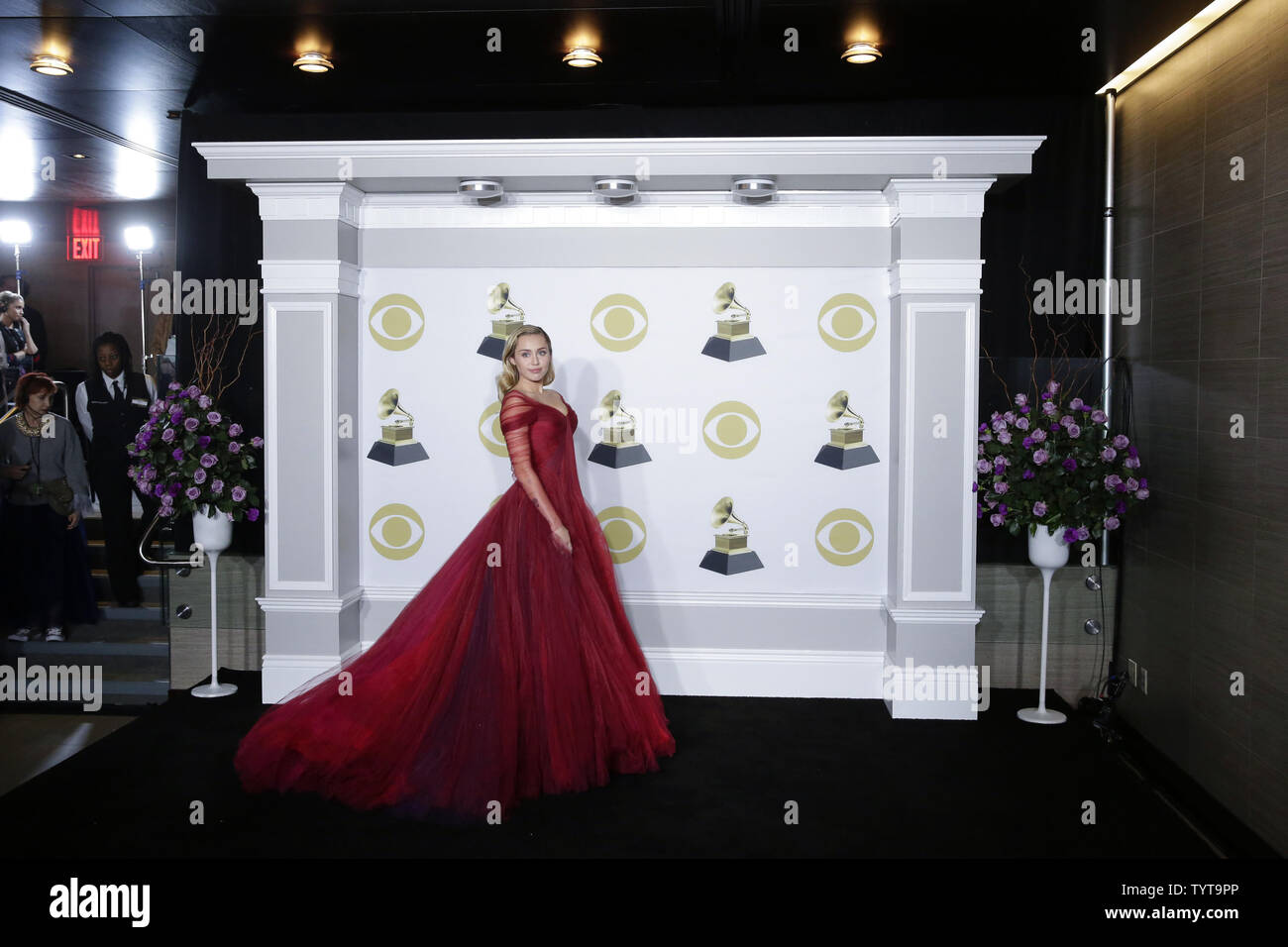
The 60th Annual Grammy Awards, held on January 28, 2018, at Madison Square Garden in New York City, marked a milestone return to the East Coast and served as a powerful cultural flashpoint. Dominated by Bruno Mars sweeping major categories, the ceremony balanced high-energy pop performances with poignant political statements, notably addressing the MeToo movement, immigration reform, and racial inequality, leaving a complex legacy on the modern music industry.
Historical Context and Setting the Stage for the 60th Ceremony
Moving back to New York City for the first time since 2003, the 60th Annual Grammy Awards carried high expectations. The Recording Academy, under the leadership of then-President Neil Portnow, positioned the anniversary event as a celebration of musical excellence while navigating an increasingly fractured media landscape. Nominations ahead of the night reflected a shift toward hip-hop and R&B, with JAY-Z leading the field with eight nominations for his introspective album 4:44, followed by Kendrick Lamar with seven nods for DAMN.
Despite the critical acclaim and commercial dominance of rap and R&B, the previous years of the awards had faced persistent industry criticism regarding gender balance and genre recognition. Artists and executives openly debated whether the institution truly reflected the contemporary listening public. Consequently, the 2018 broadcast carried a heavy burden: it needed to honor traditional pop excellence while validating the cultural urgency of modern urban music and responding to surging social movements outside the concert hall.
Major Category Winners and the Bruno Mars Sweep
The big story of the night was Bruno Mars, who converted every single one of his nominations into victories. Mars won Album of the Year and Best R&B Album for 24K Magic, while his hit single "That's What I Like" captured Song of the Year, Best R&B Performance, and Best R&B Song. Additionally, the remix of "Despacito" by Luis Fonsi, Daddy Yankee, and Justin Bieber was notably absent from the major winner's circle despite its record-breaking commercial run, highlighting a persistent disconnect between streaming metrics and Academy voting preferences.
Kendrick Lamar dominated the rap categories, securing Best Rap Album for DAMN., Best Rap Performance, Best Rap/Sung Performance, and Best Music Video for "HUMBLE." Lamar’s wins were widely celebrated as a long-overdue acknowledgment of hip-hop's dominant artistic voice, though his loss in the broader General Field categories—specifically Album of the Year—reignited long-standing debates about the Academy’s historical blind spots regarding rap music.
| Category | Winner | Nominees / Notable Competitors |
|---|---|---|
| Album of the Year | Bruno Mars (24K Magic) | JAY-Z (4:44), Kendrick Lamar (DAMN.), Lorde (Melodrama), Childish Gambino (Awaken, My Love!) |
| Record of the Year | Bruno Mars ("24K Magic") | Childish Gambino ("Redbone"), JAY-Z ("The Story of O.J."), Kendrick Lamar ("HUMBLE."), Luis Fonsi & Daddy Yankee ft. Justin Bieber ("Despacito") |
| Song of the Year | Bruno Mars - "That's What I Like" | Luis Fonsi & Daddy Yankee ft. Justin Bieber ("Despacito"), JAY-Z ("4:44"), Julia Michaels ("Issues"), Logic ft. Alessia Cara & Khalid ("1-800-273-8255") |
| Best New Artist | Alessia Cara | Khalid, Lil Uzi Vert, Julia Michaels, SZA |
| Best Rap Album | Kendrick Lamar (DAMN.) | JAY-Z (4:44), Migos (Culture), Rapsody (Prism), Tyler, The Creator (Flower Boy) |
Key Cultural and Political Moments of the Night
Beyond the trophies, the 60th ceremony became defined by its striking visual statements and powerful live performances. The evening opened with Kendrick Lamar delivering a blistering, politically charged medley featuring U2 and Dave Chappelle. Surrounded by dancers dressed as military personnel who were eventually struck down by simulated gunfire, Lamar’s performance underscored police brutality, institutional racism, and systemic injustice, setting a serious tone for the evening.
Gender equality and the MeToo movement took center stage during Kesha’s emotionally devastating performance of "Praying." Backed by a powerful choir that included Cyndi Lauper, Camila Cabello, Andra Day, and Bebe Rexha, all dressed in white in solidarity with the Time's Up movement, Kesha delivered a vocal performance born from her protracted legal and personal battles. It stands as one of the most resonant live television moments of the decade.
Immigration advocacy also found a prominent voice when artists including Camila Cabello, Logic, Khalid, and Alicia Keys used their platform to support Dreamers—undocumented immigrants brought to the United States as children. Introduction speeches referenced the urgency of protecting DACA (Deferred Action for Childhood Arrivals) recipients, firmly rooting the music industry’s biggest night in contemporary socio-political discourse.
Industry Controversies and the "Step Up" Fallout
The celebratory mood of the 60th Grammys was almost immediately overshadowed by controversy following backstage comments made by Recording Academy President Neil Portnow. When asked by reporters about the stark lack of female winners in major categories—out of 86 categories, only one solo female artist, Alessia Cara, won a televised award—Portnow suggested that women in music needed to "step up" if they wanted to be recognized.
The backlash was swift and fierce. Major artists, including Pink, Katy Perry, Halsey, and Sheryl Crow, publicly condemned Portnow's remarks on social media, pointing out the systemic barriers, biased voting blocks, and institutional hurdles that female creators faced daily. The hashtag #GrammysSoMale began trending, accelerating internal pressure within the Recording Academy. This controversy directly catalyzed the formation of a diversity task force led by Tina Tchen, former chief of staff to Michelle Obama, which eventually led to sweeping structural reforms, changes in voting membership criteria, and Portnow's eventual departure from the organization.
Lasting Impact on the Recording Academy and the Music Landscape
The legacy of the 60th Annual Grammy Awards extends far beyond its night-of winners and losers. It served as a watershed moment that forced legacy institutions to confront their blind spots regarding diversity, equity, and genre representation.
- Voting Body Expansion: In the wake of the 2018 ceremony, the Recording Academy actively recruited thousands of new, younger, and more diverse voting members to better reflect the modern listening public and streaming demographics.
- General Field Expansion: The Academy subsequently expanded the number of nominees in the major categories (Album, Record, Song of the Year, and Best New Artist) from five to eight, attempting to reduce snubs and accommodate broader stylistic trends.
- Genre Realignment: The dominance of hip-hop and R&B at the nomination level, paired with traditionalist wins at the envelope-opening stage, accelerated discussions on how the institution evaluates non-traditional song structures and production techniques.
Ultimately, the 60th Grammys captured a transitional era in the music industry. It highlighted the tension between commercial realities, artistic innovation, and institutional tradition, proving that modern award shows are cultural barometers whose cultural footprint is forged as much by off-stage controversies and powerful performances as it is by golden gramophone trophies.
Frequently Asked Questions
Who won Album of the Year at the 60th Annual Grammy Awards?
Bruno Mars won Album of the Year for his third studio album, 24K Magic, defeating a heavily favored field that included Kendrick Lamar, JAY-Z, Lorde, and Childish Gambino. The victory completed a clean sweep for Mars across all categories in which he was nominated that evening.
Why was the 60th Grammy Awards ceremony held in New York City?
The ceremony returned to Madison Square Garden in New York City to celebrate its milestone 60th anniversary. The show typically takes place at the Crypto.com Arena (formerly Staples Center) in Los Angeles, but organizers shifted coasts for 2018 to honor the city's rich musical history and cultural roots.
What controversy emerged immediately after the 60th Grammy Awards?
Recording Academy President Neil Portnow sparked widespread outrage when he told reporters that female artists needed to "step up" to win awards, following a night where male artists dominated the major categories. The remarks drew sharp public rebuke from top female musicians and triggered institutional investigations and reforms regarding gender equity.
Which artists performed political or social statements during the broadcast?
Kendrick Lamar opened the show with a performance addressing police brutality and systemic racism featuring Dave Chappelle and U2. Additionally, Kesha delivered a powerful rendition of "Praying" supported by a choir of female artists wearing white in solidarity with the Time's Up and MeToo movements.
How did the 60th Grammys change the voting process in subsequent years?
The fallout from the 2018 ceremony and subsequent criticism prompted the Recording Academy to form a diversity task force, expand its voting membership base to include more women and people of color, and eventually increase the number of nominees in the top four general categories from five to eight.