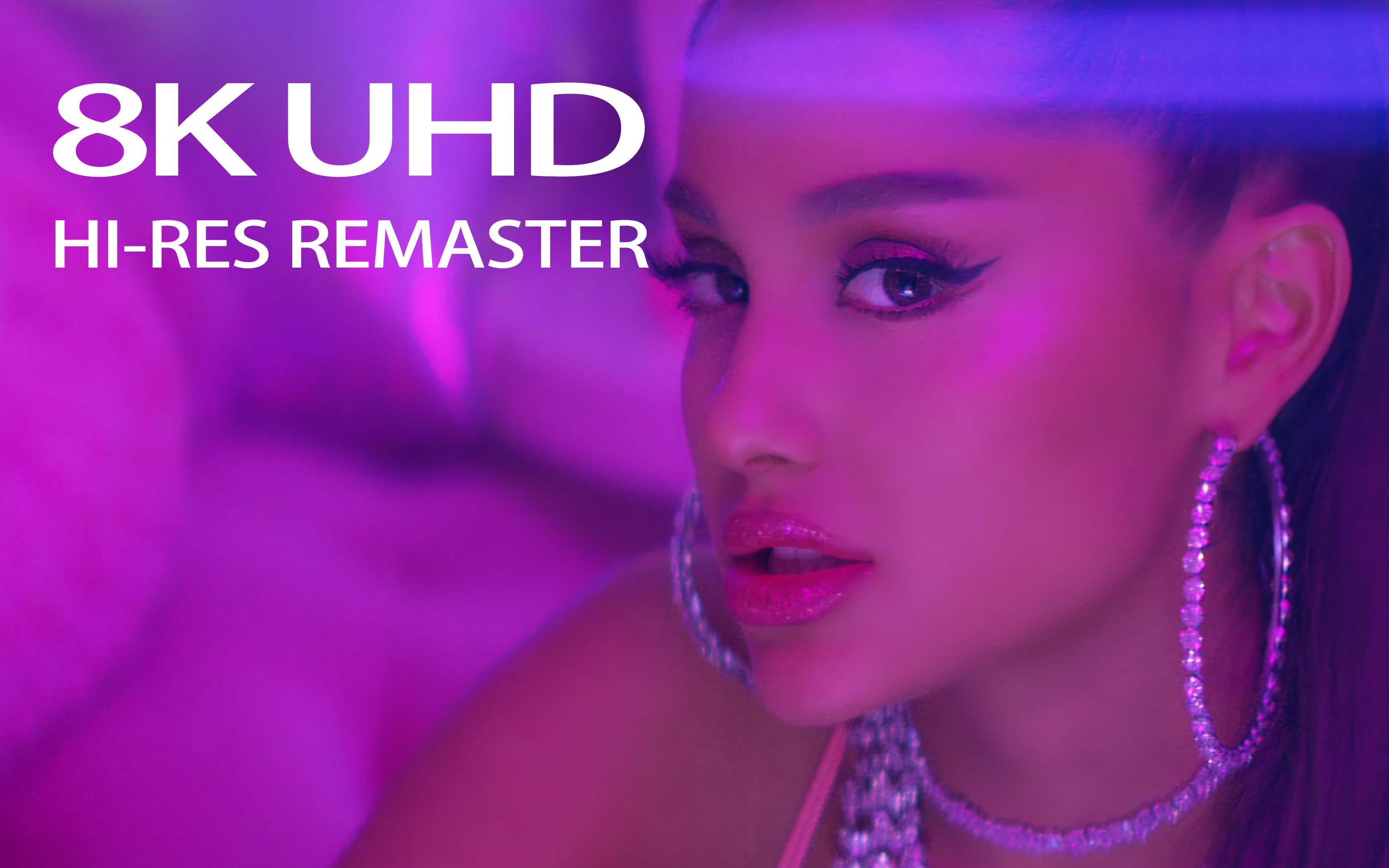
"7 rings" is a multi-platinum song by American singer Ariana Grande, released in January 2019 as part of her fifth studio album, Thank U, Next. The song functions as a braggadocious anthem centered on themes of financial independence, luxury, and female friendship, drawing inspiration from the Rodgers and Hammerstein musical The Sound of Music.
The Genesis of 7 Rings
The origin story of "7 rings" is rooted in a specific, spontaneous event in New York City. Ariana Grande has frequently recounted the story of how she and six of her best friends visited Tiffany & Co. following a difficult week. To cheer themselves up, Grande purchased seven engagement-style rings—one for herself and one for each of her friends. This act of spontaneous generosity became the catalyst for the song's lyrics.
When the group returned to the studio, they began reflecting on the experience. The song was written alongside producers Tommy Brown, Michael Foster, and Victoria Monét, among others. By blending the concept of "retail therapy" with a trap-influenced beat, Grande created a narrative that moved away from traditional pop romance, focusing instead on the bond between friends and the autonomy that comes with financial success.
Musical Influences and Sampling
The production of "7 rings" is notable for its heavy reliance on a direct interpolation of the melody from "My Favorite Things," composed by Richard Rodgers and Oscar Hammerstein II for the 1959 musical The Sound of Music.
Obtaining the rights to this sample was a complex legal process. Because the song utilizes the melody rather than the original recording, it is technically an interpolation. However, the songwriters of "7 rings" agreed to give 90% of the song's songwriting royalties to the Rodgers and Hammerstein estate. This was a significant financial decision that highlights the importance of intellectual property management in modern music.
The composition marries this classic, recognizable melody with a heavy, syncopated trap bassline. This juxtaposition of a whimsical, musical-theater-inspired hook with the aggressive percussion characteristic of contemporary hip-hop created a distinct sound that defined the musical landscape of 2019 and continues to be analyzed for its stylistic contrast.
Lyrical Themes: Wealth and Autonomy
While "7 rings" is often categorized as a "flex" song, a deeper reading of the lyrics reveals a focus on independence. Lines such as "I see it, I like it, I want it, I got it" are indicative of the artist's ability to provide for herself and her inner circle. By framing luxury purchases as rewards for hard work rather than displays of entitlement, the song resonated with an audience interested in the aesthetics of success.
Furthermore, the lyrics emphasize the exclusion of romantic partners in favor of platonic companionship. In an industry where female artists are often defined by their relationships, "7 rings" explicitly pivots the focus toward a sisterhood of support. The lyrics suggest that the "rings" are symbols of a chosen family, where the participants celebrate each other’s achievements.
Commercial Success and Record-Breaking Performance
"7 rings" was a dominant force in the music industry upon its release. It debuted at number one on the Billboard Hot 100 chart in February 2019, making it Grande’s second number-one single at the time. It maintained its popularity throughout the year, appearing on year-end charts across the globe.
The music video, directed by Hannah Lux Davis, further solidified the song's cultural footprint. Featuring a mansion party aesthetic with high-fashion ensembles and a lavish pink-hued visual palette, the video matched the track's indulgent tone. By 2026, the song remains one of the most-streamed tracks of the 2010s, with billions of streams across major digital platforms. Its success cemented Grande's transition from a pop idol to a dominant cultural icon capable of blending disparate genres to reach a massive, cross-demographic audience.
The Role of Luxury and Branding
The song also serves as a case study in brand alignment. The mention of Tiffany & Co. in the lyrics created a synergistic relationship between the artist and the luxury brand. While the partnership was not an explicit corporate sponsorship at the time of writing, the song turned the physical product—the diamond ring—into a symbol of the "Grande" lifestyle.
This intersection of pop culture and luxury goods is a recurring theme in modern music, but "7 rings" executed this with an unprecedented level of commercial saturation. The song’s aesthetic—characterized by high-end jewelry, designer streetwear, and opulent staging—influenced fashion trends, specifically the resurgence of oversized diamond jewelry and "pink" aesthetics in music videos throughout the following years.
Comparative Analysis: Traditional Pop vs. Trap-Pop
To understand the position of "7 rings" in the broader musical canon, it is helpful to compare its structure to standard pop ballads and traditional rap tracks.
| Feature | "7 rings" | Traditional Pop Ballad |
|---|---|---|
| Tempo | Mid-tempo trap (140 BPM) | Slow to mid-tempo |
| Primary Theme | Self-reliance / Friendship | Romantic longing / Heartbreak |
| Production | Interpolated melody + Trap drums | Melodic piano/synths |
| Vocal Style | Rap-sung delivery | Melodic belting |
As shown in the table, "7 rings" functions as a bridge between genres. The vocal delivery is heavily rhythmic, nearing a conversational rap cadence, which distinguishes it from the melodic focus of the ballads that defined much of Grande’s earlier career.
Cultural Criticism and Public Perception
The song was not without its controversies. Some critics questioned the appropriation of hip-hop culture, noting that the song's "rap-sung" style and trap-influenced production felt disparate from Grande's established pop persona. These discussions contributed to a wider dialogue about "cultural tourism" in music, where pop artists adopt the aesthetics of hip-hop to achieve chart success.
Conversely, defenders of the song argued that the creative collaboration with Victoria Monét and the production team provided a legitimate framework for the artistic pivot. The song became a lightning rod for debates regarding authenticity in the streaming era, where the speed of consumption often outweighs the nuance of artistic origin.
Legacy in the 2020s
As of 2026, "7 rings" is viewed as a pivotal moment in the evolution of 21st-century pop. It proved that a major artist could pivot their sound, rely on high-profile samples, and prioritize a lifestyle-focused narrative without alienating their fan base.
For aspiring artists and students of the music industry, the success of the track serves as a masterclass in:
- Strategic Sampling: Navigating legal requirements to modernize classic melodies.
- Visual Continuity: Matching a music video’s aesthetic to the lyrical content.
- Audience Engagement: Creating a song that serves as an anthem for a specific social experience.
Frequently Asked Questions
Did Ariana Grande actually buy seven rings? Yes. Following a stressful week, Grande and six of her closest friends went to Tiffany & Co., where she purchased matching diamond engagement rings for all of them as a gesture of friendship and self-care.
Is the melody in 7 rings a sample or an interpolation? It is an interpolation. This means the writers re-recorded the melody from "My Favorite Things," rather than using the original audio recording. This is why they negotiated a high royalty percentage with the Rodgers and Hammerstein estate.
How did the Rodgers and Hammerstein estate react? The estate was reportedly satisfied with the arrangement, primarily because the agreement ensured they would receive 90% of the songwriting royalties from the track, a highly lucrative deal for the owners of the original composition.
What is the deeper meaning behind the song? Beyond the focus on wealth, the song is about emotional and financial independence. It prioritizes the artist’s agency and the strength of her female friendships, suggesting that the items mentioned are rewards for hard work rather than just displays of materialism.
Why does the song use a trap beat? The producers utilized a trap-influenced beat to give the song a modern, gritty edge that contrasted with the "classic" feel of the Sound of Music melody. This blend helped the track appeal to a broader demographic interested in contemporary urban and pop music.
Final Recommendation for Listeners
To fully appreciate the impact of "7 rings," listen to it in the context of the Thank U, Next album. By listening to the tracks that precede and follow it, you can hear how the song serves as a moment of high-energy confidence amidst the album's more vulnerable, introspective tracks. For those interested in the craft of songwriting, comparing the original Sound of Music composition with the trap-infused version provides a clear example of how modern production can reframe a historical melody for a new generation.