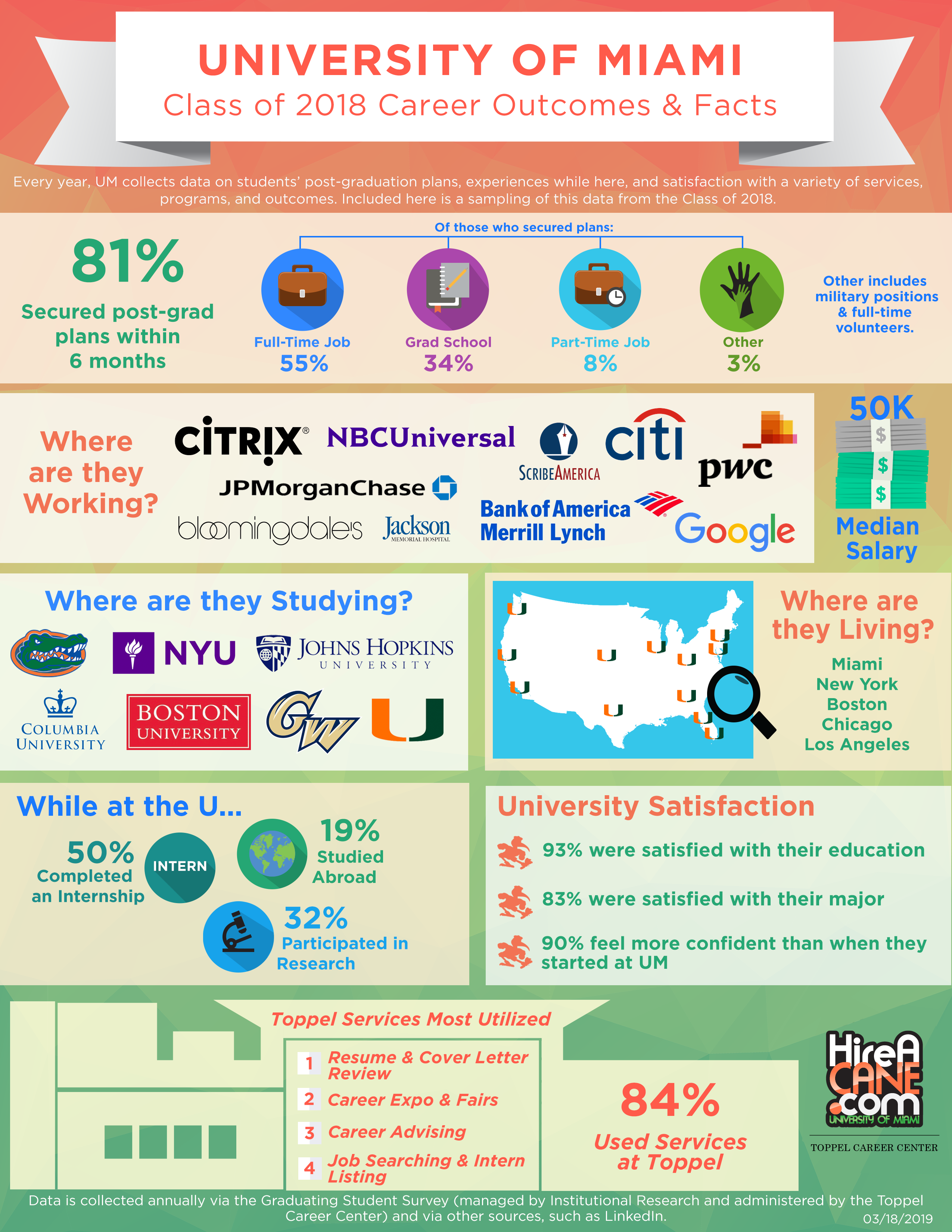
The year 2018 marked a definitive turning point in the global professional landscape, characterized by record-low unemployment rates, the formalization of the gig economy, and the aggressive integration of automation into white-collar sectors. These developments established the foundational infrastructure for the flexible, AI-enhanced, and remote-capable work environments that define our current professional reality in 2026.
The Macroeconomic Climate of 2018
To understand the 2018 career environment, one must look at the unique economic conditions that governed the era. In the United States, the unemployment rate hit a 49-year low of 3.7% in September 2018. This "tight" labor market shifted the power dynamics significantly from employers to employees, initiating what many analysts then called the "War for Talent."
For professionals, this meant increased leverage during salary negotiations and a proliferation of workplace perks. Companies began competing not just on base pay, but on cultural alignment, wellness packages, and tuition reimbursement programs. However, this period also saw the widening of the "skills gap," where the demand for specialized technical roles—particularly in data science and cybersecurity—far outpaced the available supply of qualified candidates. This gap forced many organizations to pivot from external hiring to internal "upskilling" initiatives, a trend that has only intensified by 2026.
The Maturation of the Gig Economy
While "side hustles" had existed for decades, 2018 was the year the gig economy matured into a legitimate career path for millions. Platforms like Upwork, Fiverr, and specialized freelance marketplaces for developers and designers moved beyond "supplemental income" tools to become primary career hubs.
In 2018, nearly 36% of the U.S. workforce participated in some form of freelance work. This shift was driven by a desire for autonomy and the technological ability to manage professional service delivery via cloud-based platforms. However, this maturation also brought the first major wave of legal and ethical scrutiny. Debates regarding worker classification (1099 vs. W-2) began to dominate legislative agendas, leading to landmark discussions about portable benefits and the social safety net for non-traditional workers. From our 2026 perspective, we can see that the labor protections currently enjoyed by "independent contributors" found their legal roots in the disputes of 2018.
Technological Integration: The Rise of AI and Automation
In 2018, artificial intelligence (AI) moved from the realm of science fiction into the daily workflow of the average office worker. While the generative AI revolution was still in its infancy, machine learning was already being used to automate repetitive administrative tasks, screen resumes (ATS), and optimize supply chains.
The "Future of Work" became a central theme of career discourse in 2018. The World Economic Forum’s "Future of Jobs Report 2018" famously predicted that while 75 million jobs might be displaced by a shift in the division of labor between humans and machines, 133 million new roles could emerge. This era taught professionals that "technological literacy" was no longer optional. It wasn't just about being a coder; it was about understanding how to work alongside algorithms—a precursor to the prompt engineering and AI-orchestration roles we see today.
The Critical "Soft Skills" Pivot
As automation took over technical and repetitive tasks, 2018 saw a massive surge in the value of "human-centric" or soft skills. LinkedIn’s 2018 workplace learning report identified the top three most needed soft skills as:
- Leadership
- Communication
- Collaboration
The logic was simple: the more tasks machines could do, the more valuable the uniquely human traits of empathy, strategic negotiation, and creative problem-solving became. This led to a resurgence in liberal arts backgrounds entering tech firms, as companies realized they needed people who could interpret human behavior, not just manage databases.
Key Industry Performance and Salary Trends (2018)
The following table outlines the high-growth sectors and their corresponding career outlooks during the 2018 calendar year, based on Bureau of Labor Statistics (BLS) and industry reports from that period.
| Industry Sector | High-Demand Role (2018) | Avg. Starting Salary (2018 USD) | Primary Growth Driver |
|---|---|---|---|
| Technology | Data Scientist | $95,000 - $120,000 | Big Data analytics and AI training |
| Healthcare | Nurse Practitioner | $105,000 - $115,000 | Aging population and primary care shortage |
| Renewable Energy | Solar PV Installer | $42,000 - $50,000 | Decarbonization initiatives and falling hardware costs |
| Cybersecurity | Information Security Analyst | $98,000 - $110,000 | Increased frequency of high-profile data breaches |
| Marketing | Digital Content Strategist | $60,000 - $75,000 | Shift from traditional media to social/mobile platforms |
Workplace Culture: The Search for "Purpose"
2018 was a year of cultural reckoning within the workplace. The #MeToo movement, which gained massive momentum in late 2017, fundamentally reshaped corporate HR policies and executive accountability throughout 2018. Diversity, Equity, and Inclusion (DEI) moved from being "HR buzzwords" to becoming core components of corporate strategy.
For many professionals, a "career" in 2018 was no longer just about the paycheck; it was about "Mission-Value Fit." Millennials, who by 2018 had become the largest generation in the workforce, began demanding that their employers take public stances on social and environmental issues. This shift led to the rise of the "Certified B Corporation" and a greater emphasis on Corporate Social Responsibility (CSR). Professionals in 2018 were increasingly likely to leave a high-paying job if the company's values did not align with their personal ethics—a trend that has evolved into the "Value-Based Employment" standard of 2026.
Demographic Shifts: The Entry of Gen Z
While Millennials occupied the mid-level management tiers in 2018, the year marked the formal entry of "Generation Z" into the professional world. The oldest members of Gen Z (born around 1996-1997) graduated from university and entered the workforce in 2018.
This demographic shift brought a new set of expectations:
- Digital Nativity: Unlike Millennials, Gen Z had no memory of a pre-smartphone world. They expected seamless digital interfaces for every aspect of their work.
- Pragmatism: Having grown up during the 2008 financial crisis, Gen Z entered 2018 with a more pragmatic, security-oriented view of careers compared to the "follow your passion" ethos of early Millennials.
- Social Connectivity: They prioritized workplaces that offered robust social networking and mentorship opportunities, even as they pushed for the digital tools to work from anywhere.
Remote Work: The Pre-Pandemic Foundation
It is a common misconception that remote work began in 2020. In reality, 2018 was a critical year for the "Remote Work Revolution." Tools like Slack (which went public shortly after), Zoom, and Trello were already standard in many tech-forward companies.
In 2018, approximately 5% of the U.S. workforce worked entirely from home, but a much larger percentage (nearly 40%) had "occasional" remote work arrangements. The "Digital Nomad" lifestyle became a popularized career aspiration, with cities like Chiang Mai, Lisbon, and Medellin becoming hubs for remote professionals. The infrastructure—both technological and cultural—that allowed the world to shift to remote work during the 2020-2022 period was largely built and tested during the 2018-2019 window.
Comparing 2018 Trends to the 2026 Professional Environment
Looking back from 2026, we can see how the "seeds" planted in 2018 have grown. In 2018, people were worried about AI taking their jobs; in 2026, the primary career skill is AI Orchestration. In 2018, the gig economy was an alternative to a career; in 2026, "Portfolio Careers" (having multiple income streams from different employers) are a standard professional strategy for the upper-middle class.
The "Open Office" trend of 2018, characterized by long communal tables and a lack of privacy, has largely been replaced in 2026 by "Modular Hubs" and "Deep Work Pods," as we realized the productivity costs of constant interruption. However, the core 2018 demand for flexibility remains the dominant force in the 2026 labor market.
Frequently Asked Questions (FAQs)
What were the highest-paying careers in 2018?
In 2018, the highest-paying roles were concentrated in the medical and executive sectors. Anesthesiologists, Surgeons, and CEOs consistently topped the list, often earning well over $200,000 annually. In the tech sector, specialized roles like Machine Learning Engineers and Solutions Architects saw the fastest salary growth, with many mid-career professionals clearing the $150,000 mark.
Was 2018 a good year to change careers?
Yes, 2018 was considered one of the best years for career pivoting due to the low unemployment rate. Employers were more willing to take "calculated risks" on candidates who had transferable skills but lacked direct experience in a specific industry. This led to a surge in "Career Bootcamps," particularly for coding and digital marketing, which helped professionals transition into the tech sector in as little as 12 to 24 weeks.
How did the "Skills Gap" affect hiring in 2018?
The skills gap in 2018 meant that there were millions of open jobs that remained unfilled because candidates lacked specific technical certifications or high-level soft skills. This led to the "credentialing" boom, where traditional four-year degrees began to be supplemented (or in some cases, replaced) by micro-credentials and industry-recognized certifications from providers like Google, AWS, and Coursera.
What role did social media play in 2018 careers?
By 2018, social media—specifically LinkedIn—had become the primary "operating system" for professional life. "Personal Branding" became a required skill for job seekers. Recruiters moved away from traditional job boards and toward "social sourcing," where a candidate's online presence and "thought leadership" posts were often as important as their formal resume.
What was the biggest career challenge in 2018?
The biggest challenge was "Burnout." The 2018 career culture was characterized by "Hustle Culture"—the idea that one should be working or side-hustling 24/7. This led to a significant mental health crisis in the workforce, which eventually forced companies to introduce the wellness and mental health benefits that are now standard in 2026.
Final Recommendation for Career Longevity
Whether looking back at 2018 or navigating the landscape of 2026, the most successful professionals are those who practice "Continuous Upskilling." The 2018 era proved that industry stability is a relic of the past. To maintain career health today, professionals should dedicate at least five hours a week to learning adjacent skills, maintaining a diverse professional network outside their current company, and staying "tool-agnostic"—focusing on the principles of their craft rather than just the software of the day.