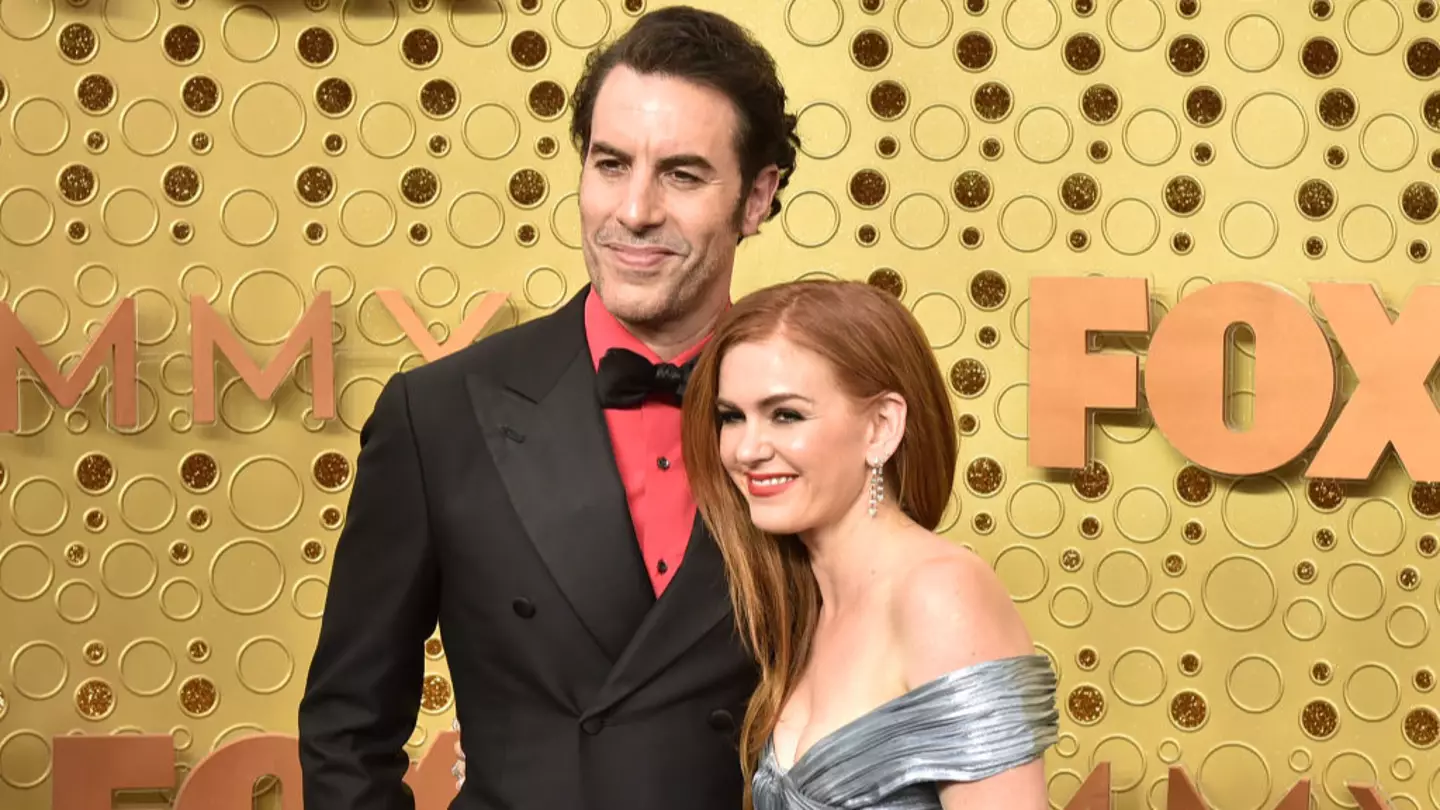
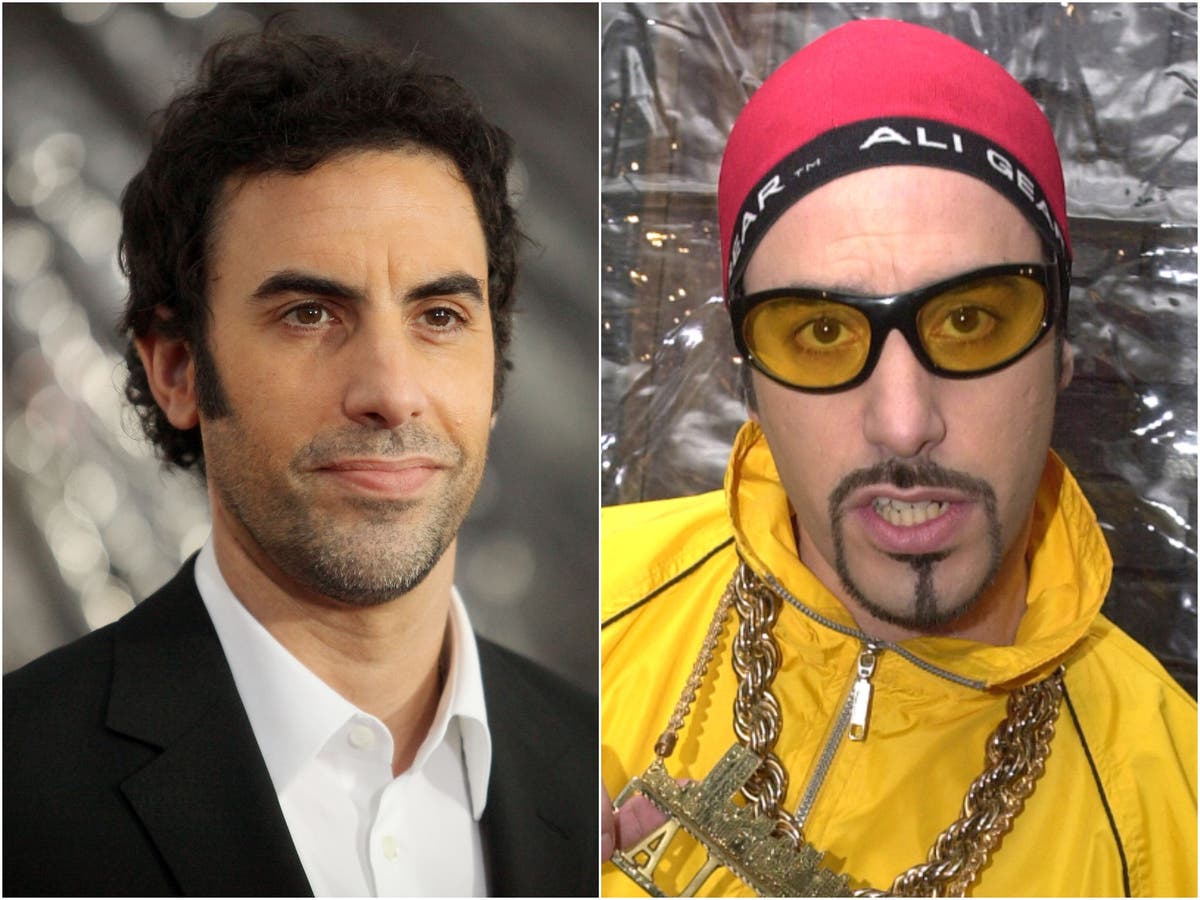
Sacha Baron Cohen’s career is defined by his use of elaborate personas—most notably Ali G, Borat Sagdiyev, Brüno Gehard, and Admiral General Aladeen—to conduct ambush-style interviews that expose the prejudices, ignorance, or hypocrisies of his subjects. This high-risk comedic strategy has sparked numerous lawsuits, intense public scrutiny, and long-standing debates regarding the ethics of gonzo journalism and the boundaries of satire in contemporary media.
The Mechanism of Ambush Journalism and Legal Vulnerabilities
At the core of Sacha Baron Cohen’s controversy is his method of operation. By placing real people in fabricated situations under the guise of a documentary or a legitimate interview, Cohen bypasses the traditional filters of media interaction. His production company, often under the banner of Four By Two Films, typically requires participants to sign comprehensive release forms—legally termed "appearance releases"—which grant the production broad rights to use the participant's likeness and speech for any purpose, often including fictional contexts.
The recurring legal friction stems from whether these release forms hold up under claims of fraud, misrepresentation, or emotional distress. Many participants have argued in court that they were induced to sign these documents under false pretenses, specifically claiming that the production team misrepresented the nature of the project (e.g., calling it a foreign news segment rather than a satirical comedy). While courts have historically upheld the validity of signed releases, citing the "freedom of expression" protections afforded by the First Amendment in the United States, the legal costs and potential for damaging publicity remain significant operational risks for any production company attempting to replicate this model.
Notable Legal Challenges and Precedents
Several high-profile lawsuits have shaped the landscape of Cohen’s career and set legal precedents for the genre of "prank" or "social experiment" entertainment.
- The Borat (2006) Litigation: The release of Borat: Cultural Learnings of America for Make Benefit Glorious Nation of Kazakhstan prompted a flurry of lawsuits from participants who claimed they were deceived into appearing in the film. These plaintiffs, including some residents of Glod, Romania, alleged that they were not properly informed of the film’s nature. These cases were largely dismissed, reinforcing the high bar plaintiffs must meet to invalidate a signed contract.
- The Roy Moore Incident: During the production of Who Is America? (2018), Cohen interviewed former Senate candidate Roy Moore. Following the airing of the segment, which used a device designed to detect pedophilia, Moore filed a lawsuit alleging defamation and fraud. The case highlighted the tension between satire and political hit-pieces.
- The Dr. E. Gordon Liddy and Other Targeted Interviews: Over the years, figures ranging from public officials to fringe political activists have threatened litigation. The consistent strategy of the defense has been to leverage the "satire exception," arguing that the character of the interviewer and the context of the interaction are so inherently absurd that no reasonable person would interpret the exchange as a factual journalistic endeavor.
Public Backlash: The Moral Dimension
Beyond the courtroom, Sacha Baron Cohen faces persistent public backlash that touches on issues of class, cultural appropriation, and elitism. Critics often point out that while Cohen targets powerful political figures, he frequently uses ordinary, working-class, or marginalized individuals as "collateral damage" to set up his jokes.
This criticism centers on the "power imbalance" inherent in his work. Supporters argue that the individuals he exposes—by recording them expressing racist, anti-Semitic, or misogynistic views—are revealing their true selves, regardless of the prompt. Conversely, detractors argue that using deceit to bait individuals into revealing their worst traits is a moral failure that does little to foster genuine social change and instead prioritizes shock value over nuanced social critique.
Industry Impact: Changing the Media Landscape
The industry impact of Cohen’s work is twofold: it has created a specific sub-genre of "performative confrontation" while simultaneously triggering a tightening of production standards for documentary and reality television.
| Factor | Industry Standard Prior to Cohen | Impact Post-Cohen Era |
|---|---|---|
| Release Forms | Standardized, one-page documents. | Extensive, multi-page legal agreements with detailed disclosures. |
| Participant Vetting | Casual verification of background. | Rigorous due diligence to mitigate legal and reputational risks. |
| Project Transparency | Often opaque for narrative effect. | Greater legal pressure to disclose the satirical nature of productions. |
| Insurance Coverage | General liability and E&O (Errors and Omissions). | Specialized, high-premium coverage for "ambush" style content. |
The industry has evolved to be more protective of interviewees. Major networks and streaming platforms now conduct thorough internal legal reviews of any project involving non-scripted, high-risk scenarios. Furthermore, the prominence of these controversies has made it more difficult for productions to secure locations and subjects, as the public is now more "media-literate" regarding the potential for being "Borated" or "Ali G’d."
Risk Mitigation for Modern Productions
For creators attempting to follow a similar path, the primary lesson from the Sacha Baron Cohen experience is the necessity of airtight documentation and a clear, legally defensible definition of the creative intent.
- Documentation: Legal teams now emphasize the use of "long-form" releases that explicitly state the work may be satirical, fictional, or edited to achieve a comedic effect.
- Neutral Third-Party Oversight: Some modern productions now employ independent legal observers to witness the signing of release forms, ensuring that claims of coercion or misrepresentation are neutralized before the cameras even begin to roll.
- The Satire Defense: Creative teams are encouraged to build "satirical signifiers" into the interview process. By ensuring the persona is consistently unbelievable, the production strengthens its case that the interaction is a performance, not a fraudulent interview.
Frequently Asked Questions
1. Does a signed release form guarantee total immunity from a lawsuit? No. While a signed release is a powerful legal shield, it does not prevent someone from filing a lawsuit. Plaintiffs may claim fraud in the inducement or that the document was signed under duress. The release serves as the primary evidence for the defense to request a summary judgment, but it is not an absolute barrier to litigation.
2. Why do courts often protect Sacha Baron Cohen’s work under the First Amendment? Courts generally view Cohen’s work as performance art or political satire. Because the character is a fictional construction, the law provides broad latitude for the "expression" inherent in the satire, provided the production does not cross the line into defamation or invasion of privacy where a reasonable person would have an expectation of privacy.
3. What is the difference between "ambush journalism" and the work done by Sacha Baron Cohen? Ambush journalism is typically intended to elicit a factual confession or expose wrongdoing regarding a specific public or private interest. Cohen’s work is intentionally subversive and performative; the "truth" he seeks is social and psychological, not journalistic.
4. How do these lawsuits affect the cost of producing satirical content? Lawsuits and the threat thereof drastically increase the "Errors and Omissions" (E&O) insurance premiums for such productions. High-risk content requires extensive legal consultation, which significantly inflates the production budget compared to traditional non-fiction storytelling.
5. Is the "public backlash" against Cohen actually harmful to his career? Historically, no. In the entertainment industry, the controversy often serves as free marketing. However, the cumulative effect has limited his ability to operate undercover in certain circles, as his face and characters have become globally recognized, necessitating the use of more sophisticated prosthetics and production teams.
Practical Recommendations for Creators and Viewers
For aspiring creators, the takeaway is clear: if your project relies on deceiving subjects, ensure your legal foundation is absolute. Consult with entertainment lawyers specializing in libel, defamation, and First Amendment rights before filming begins. Never rely solely on the "creative vision" of the project; the legal and financial reality of defending a lawsuit, even if won, can bankrupt a small production.
For viewers, it is helpful to approach "confrontational" media with a critical eye. Recognize that much of what is presented as a "caught in the act" moment is subject to the choices of the editor. While the emotional response elicited by these shows is real, the context is carefully curated, and the "truth" on screen is often a reflection of the creator's artistic intent rather than a raw, objective reality.