Jurassic World Dominion was filmed across a diverse range of global landscapes including the rugged terrain of British Columbia, Canada, the historic streets of Valletta, Malta, the tropical vistas of Oahu, Hawaii, and the sophisticated soundstages of Pinewood Studios in the United Kingdom. Production was famously marked by its status as the first major blockbuster to resume filming during the COVID-19 pandemic, implementing a $5 million safety protocol.
The Global Scope of Jurassic World Dominion
As the concluding chapter of the Jurassic World trilogy, the 2022 film (viewed now from the perspective of 2026) remains a landmark in production logistics. Unlike its predecessors, which were largely confined to the fictional Isla Nublar, Dominion required a "global" aesthetic to reflect a world where dinosaurs live among humans. This shift necessitated a transition from jungle-heavy scenery to varied environments including snowy forests, Mediterranean urban centers, and high-tech research valleys.
Director Colin Trevorrow and his production team sought to ground the film in reality by utilizing practical locations that could be enhanced—rather than entirely replaced—by digital effects. This philosophy extended to the choice of filming sites, where the physical geography played a crucial role in the storytelling. From the high-altitude atmosphere of the Pacific Northwest to the limestone corridors of Southern Europe, the production captured a sense of scale that matched the stakes of the narrative.
Principal Filming Locations
British Columbia, Canada: The Snowy Frontier
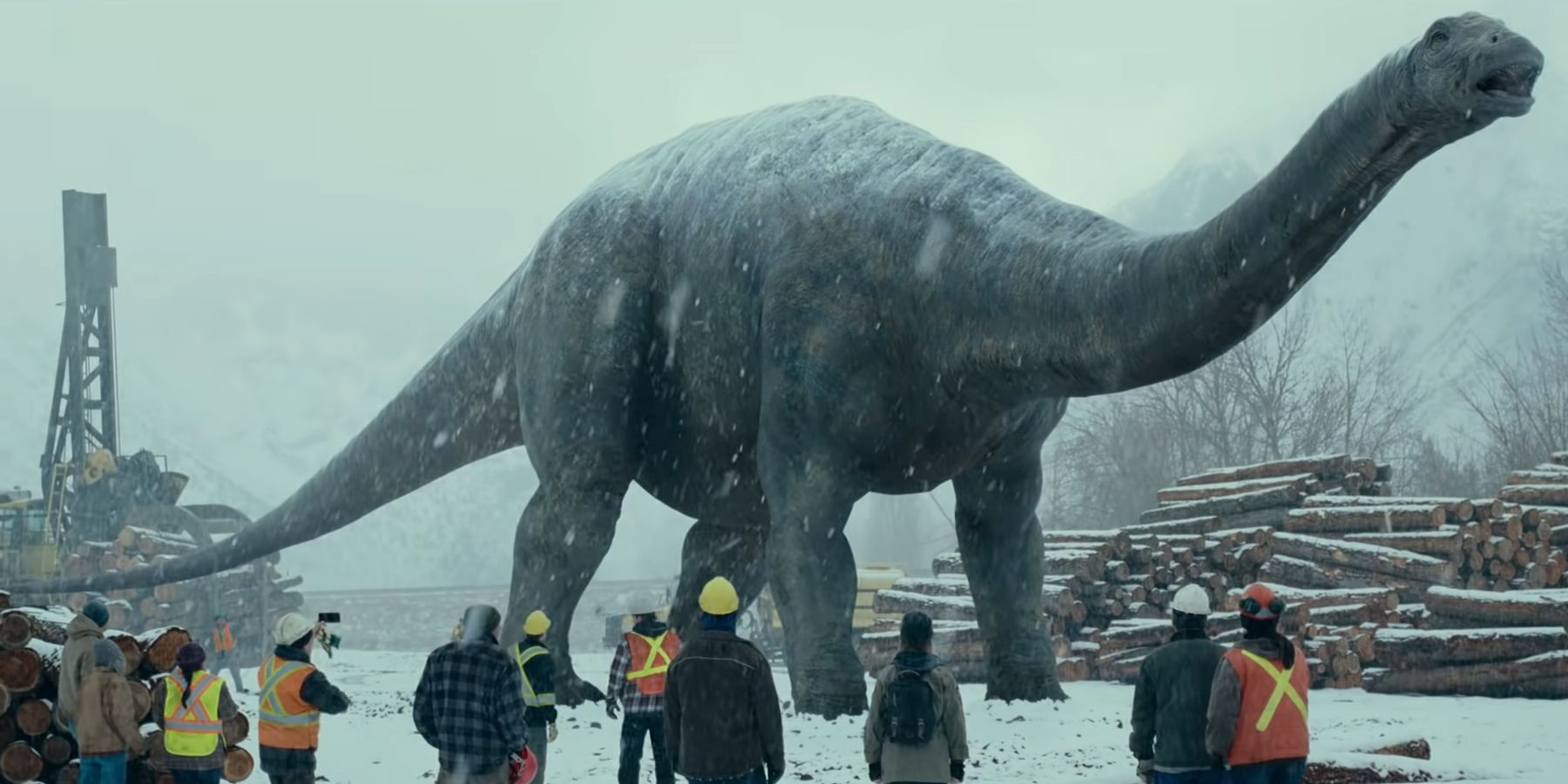
The production began its journey in the interior of British Columbia, specifically around the city of Merritt. This location was chosen for its "High Country" aesthetic, which provided a stark contrast to the tropical settings of previous films. The snowy, mountainous terrain served as the backdrop for the film’s opening act, where Owen Grady (Chris Pratt) is seen herding Parasaurolophus on horseback.
Merritt’s geography offered a "modern Western" feel that Trevorrow desired. The cold environment was not just a visual choice but a narrative one, demonstrating how these prehistoric creatures had adapted to different climates across the globe. Filming in BC took place in early 2020, just before the global shutdown, and resumed later to capture essential exterior sequences. The use of real snow and natural lighting in these scenes provided a level of texture that helped integrate the CGI dinosaurs more seamlessly into the frame.
Valletta and Floriana, Malta: The Urban Chase
Perhaps the most visually distinct segment of the film is the extended motorcycle chase through the streets of Malta. The production utilized the historic capital, Valletta, as well as the nearby town of Floriana and the port of Birgu. Malta served as the "black market" hub for dinosaur trafficking, a gritty, sun-drenched contrast to the icy Canadian wilderness.
Key locations in Malta included:
- St. George’s Square: The site of the chaotic encounter with the Atrociraptors.
- The Valletta Waterfront: Used for logistical and transport scenes involving the shipment of dinosaurs.
- Mellieħa: Provided additional coastal and urban textures.
The Malta sequence was a massive undertaking for the second unit, involving complex stunt choreography through narrow, ancient limestone streets. While the lead actors performed some sequences on sets in the UK, the bulk of the action was captured on-site in Malta, giving the chase a visceral, high-stakes energy that remains a highlight of the franchise.
Oahu, Hawaii: A Return to Roots
While Dominion moves the story to the mainland, the production could not ignore the franchise's spiritual home. Oahu, Hawaii, was used to film scenes that established the bridge between the old world and the new. Locations like the Kualoa Ranch—famous for the original Jurassic Park (1993) "Gallimimus flock" scene—were revisited for specific flashback sequences and to represent protected dinosaur habitats.
Hawaii’s lush, volcanic topography provided the necessary visual continuity for the "Isla Sorna" and "Isla Nublar" references. Even as the film explored new territories, these locations served as an anchor for fans, reminding them of the series' origins. The production worked closely with local authorities to ensure the environmental impact was minimized, a standard practice for the Hawaii Film Office.
Pinewood Studios, United Kingdom: The BioSyn Sanctuary
The heart of the production was located at Pinewood Studios in Buckinghamshire, England. Over 100 different sets were constructed across the studio's massive backlots and soundstages. Most notably, the BioSyn Valley—the high-tech sanctuary where much of the film’s second half takes place—was a marvel of production design.
While the exterior plates for the BioSyn valley were inspired by the Dolomite Mountains in Italy, the actual interaction between actors and the environment was largely filmed at Pinewood. The production team built an entire forest inside a soundstage, complete with real trees, a river, and complex lighting rigs to simulate a mountain atmosphere. This controlled environment was essential for filming the intricate sequences involving the Giganotosaurus and the legacy cast members.
Production Details and Technical Innovation
The $5 Million COVID-19 Safety Protocol
Jurassic World Dominion holds a unique place in film history as the first major production to successfully navigate the complexities of the COVID-19 pandemic. When filming halted in March 2020, Universal Pictures and the production team developed a rigorous safety manual spanning over 100 pages.
The "Greenzone" system was established, where the cast and crew were frequently tested and sequestered in a "bubble" at a hotel in the UK. This protocol cost the production an estimated $5 million to $10 million, covering thousands of tests and the rental of an entire hotel for several months. This effort allowed the film to resume shooting in July 2020, providing a blueprint for the rest of the film industry during that era.
Practical Effects and Animatronics
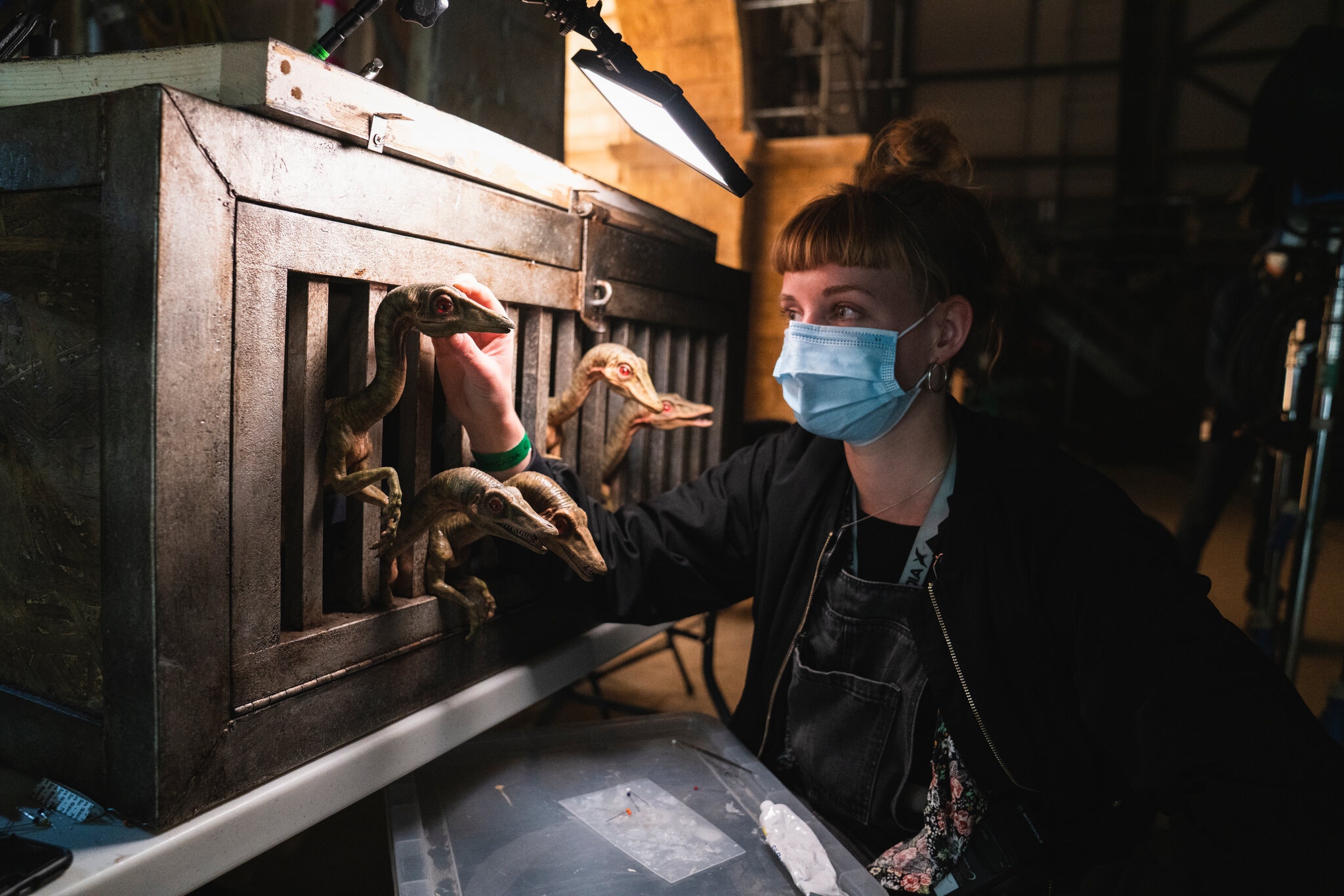
In a return to the roots of the original 1993 film, Jurassic World Dominion utilized more animatronics than the previous two Jurassic World films combined. John Nolan Studios was commissioned to create lifelike, mechanical dinosaurs that actors could interact with on set.
Significant animatronic creations included:
- The Giganotosaurus: A massive, terrifying predator that required a complex hydraulic system to move.
- The Dilophosaurus: A fan favorite that was brought back using purely practical effects, including a mechanical "spitting" mechanism.
- Beta: The infant raptor, which required puppeteers to provide subtle, realistic movements.
The decision to use practical effects was driven by Trevorrow's desire for "tactile reality." By having a physical creature on set, the actors’ performances were more authentic, and the lighting on the dinosaur's skin was naturally captured by the camera, reducing the "uncanny valley" effect often associated with pure CGI.
Technical Specifications
The film was shot using a combination of 35mm and 65mm film, as well as digital formats. Cinematographer John Schwartzman used Panavision cameras and lenses to achieve a wide, cinematic scope. The use of 65mm film was particularly important for the sweeping landscapes of Canada and the BioSyn valley, providing a depth of field and resolution that digital sensors of that time struggled to replicate.
| Feature | Specification / Detail |
|---|---|
| Director | Colin Trevorrow |
| Cinematography | John Schwartzman (Panavision Systems) |
| Film Format | 35mm, 65mm, and Digital |
| Studio Hub | Pinewood Studios, UK |
| Main Animatronics | John Nolan Studios |
| VFX Lead | Industrial Light & Magic (ILM) |
| Safety Budget | ~$5 Million (COVID-19 Protocols) |
| Total Sets Built | 100+ |
Casting and Narrative Continuity
The production's biggest draw was the return of the original Jurassic Park trio: Sam Neill (Alan Grant), Laura Dern (Ellie Sattler), and Jeff Goldblum (Ian Malcolm). Integrating these characters with the new leads, Chris Pratt and Bryce Dallas Howard, required a script that balanced nostalgia with modern high-stakes action.
The production ensured that the legacy characters weren't just cameos. They were central to the BioSyn subplot, which focused on ecological disaster (the giant locusts) rather than just dinosaur escapes. This thematic shift allowed the production to explore different types of "sets," such as the underground labs and the rustic farmhouse environments, which felt more in line with a techno-thriller than a traditional monster movie.
Logistical Challenges in Malta and Canada
Filming the motorcycle chase in Malta presented extreme logistical hurdles. The city of Valletta is a UNESCO World Heritage Site, meaning the production had to be incredibly careful not to damage the historic architecture. Stunt teams worked with the Malta Film Commission to secure permits for high-speed chases through narrow alleys.
In Canada, the challenge was weather consistency. Filming in Merritt required the crew to battle fluctuating temperatures and snow levels. When the natural snow wasn't sufficient or had melted, the production used biodegradable paper-based "snow" to maintain continuity across scenes. These details, while small, added layers of complexity to the production schedule and budget.
Frequently Asked Questions
Can you visit the filming locations of Jurassic World Dominion?
Yes, many of the locations are accessible to the public. Valletta, Malta, is a major tourist destination where you can walk through the exact squares used in the raptor chase. In Canada, the areas around Merritt, BC, are open for hikers and nature enthusiasts. Kualoa Ranch in Hawaii offers dedicated movie tours that include Jurassic World sites. However, the BioSyn valley sets at Pinewood Studios were struck (dismantled) after filming concluded.
Why did they choose Malta instead of a Caribbean island?
The filmmakers wanted to show that dinosaurs had spread across the entire globe. A Mediterranean setting like Malta provided a dense, urban environment with a unique architectural look (limestone and narrow streets) that hadn't been seen in the franchise before. This helped establish the "dinosaur black market" as a global underground enterprise, moving away from the "isolated island" trope.
How much of the Giganotosaurus was real?
A significant portion of the Giganotosaurus seen in close-ups was a full-scale animatronic built by John Nolan's team. For wide shots where the creature is running or fighting, Industrial Light & Magic (ILM) replaced or augmented it with CGI. The physical head and neck were used on set to give the actors a terrifyingly real point of reference.
Did the original cast film their scenes in Hawaii?
While some plate shots and environment work were done in Hawaii, most of the scenes involving Sam Neill, Laura Dern, and Jeff Goldblum were filmed at Pinewood Studios in the UK. The "bio-diverse" laboratory and the interior of the BioSyn facility were entirely constructed on soundstages to allow for controlled lighting and complex mechanical effects.
What happened to the production during the 2020 lockdown?
Production was halted for several months starting in March 2020. During this time, Colin Trevorrow continued to work on the edit with footage already captured in Canada. The "hiatus" actually allowed more time for the VFX teams at ILM to refine the dinosaur designs. When filming resumed in July 2020, the production became a "test case" for how Hollywood could operate safely during a health crisis.
Practical Recommendations for Fans and Researchers
If you are planning a trip to visit these iconic sites, start with Malta. The compact nature of Valletta allows you to see multiple filming sites within a single day of walking. For those interested in the technical side of production, the British Film Commission provides resources on the infrastructure of Pinewood Studios, though the studio itself is generally not open for public tours.
For film students, Jurassic World Dominion serves as a masterclass in combining practical and digital effects. Studying the "Behind the Scenes" features—many of which highlight the animatronic builds—reveals how essential physical props remain, even in the age of advanced CGI. The film's legacy in 2026 remains its ambitious scale and its successful navigation of unprecedented global production challenges.