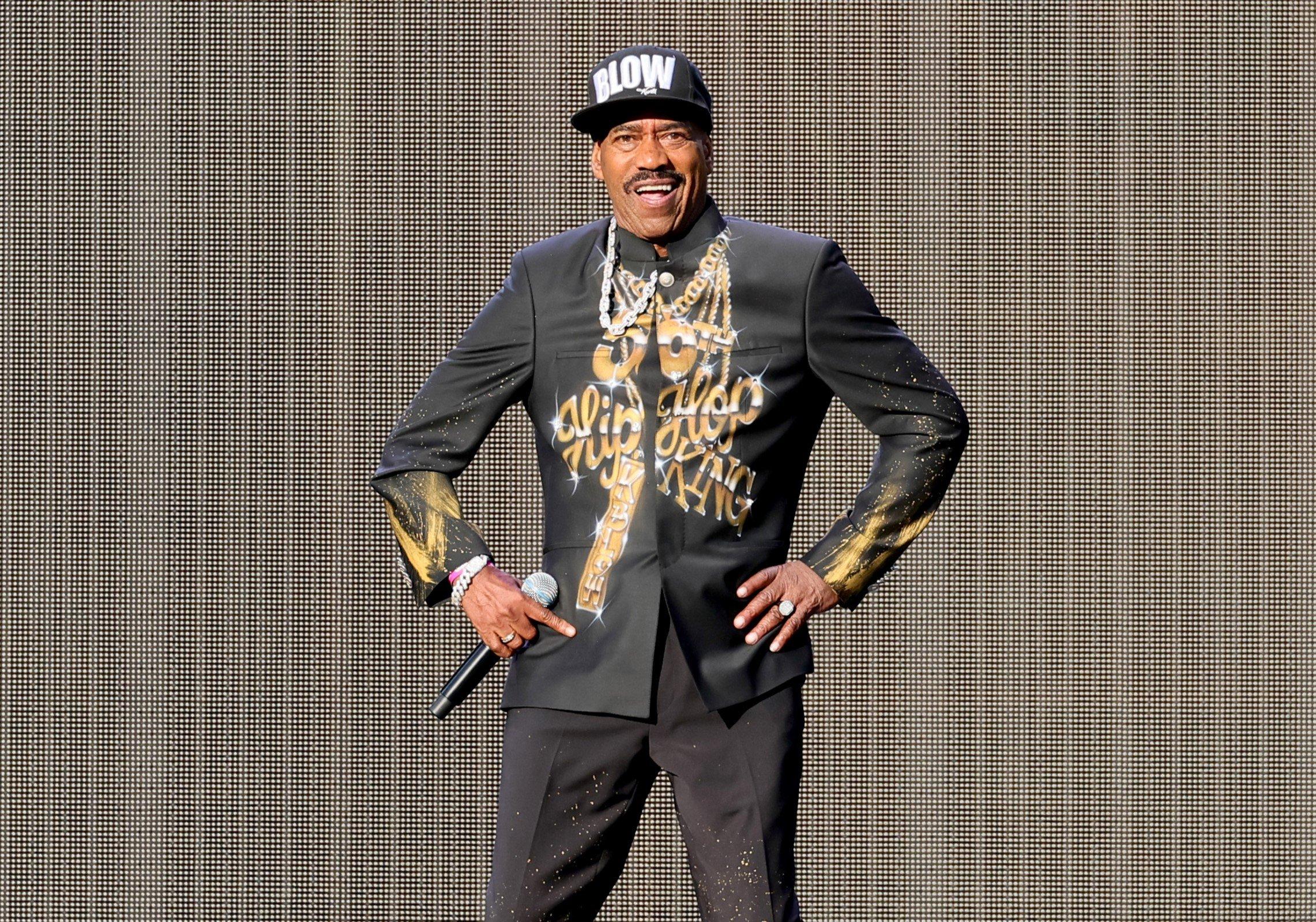
The 50th anniversary of hip hop marks a monumental milestone commemorating half a century of cultural innovation, artistic evolution, and global influence that began on August 11, 1973, at 1520 Sedgwick Avenue in the Bronx, New York. This golden anniversary serves as a comprehensive global acknowledgment of hip hop's foundational elements—DJing, MCing, breakdancing, and graffiti writing—and its enduring impact on society, fashion, politics, and modern entertainment.
The Historical Genesis at 1520 Sedgwick Avenue
Understanding the magnitude of hip hop's golden anniversary requires examining its precise origins. On August 11, 1973, Clive Campbell, known globally as DJ Kool Herc, hosted a back-to-school jam in the recreation room of an apartment building located at 1520 Sedgwick Avenue in the Bronx. This event is widely recognized by historians and cultural institutions as the birth certificate of hip hop culture.
During this foundational party, Kool Herc introduced a groundbreaking technical innovation: the "merry-go-round" technique. By using two turntables and two copies of the same record, he extended the percussion breaks—the most danceable and energetic sections of funk and soul tracks. This technique provided the rhythmic foundation for dancers, known as b-boys and b-girls, and created the space for hosts, or MCs, to hype the crowd with rhythmic spoken-word cadences.
The socioeconomic context of the early 1970s Bronx deeply shaped the culture. Amidst urban decay, municipal neglect, and widespread poverty following systemic policy failures and highway construction displacement, Black and Puerto Rican youth forged a powerful creative outlet from very limited resources. Turntables, spray paint cans, and cardboard sheets for breaking became instruments of expression, turning urban survival into a vibrant, global cultural movement.
The Four Pillars of Hip Hop Culture
Hip hop is structurally defined by four foundational elements, each representing a distinct mode of artistic and cultural communication. These pillars evolved from localized street traditions into internationally recognized disciplines.
- DJing (Turntablism): The sonic backbone of the culture. DJs manipulate vinyl records, mix tracks, scratch, and control audio equipment to create continuous, driving dance rhythms.
- MCing (Rapping): The vocal art form where artists deliver rhythmic, rhyming poetry over beats. Early MCs transitioned from crowd-control hypemen to sophisticated lyricists addressing social realities, personal struggles, and celebratory themes.
- Breakdancing (B-boying/B-girling): An athletic, highly technical street dance style featuring top-rocking, down-rocking, power moves, and freezes. Dancers respond directly to the breaks isolated by the DJ.
- Graffiti Writing: The visual art of the culture. Writers use spray paint and markers to transform public spaces, subway cars, and designated walls into vibrant murals of stylized signatures, or "tags," and elaborate masterpieces.
| Element | Primary Pioneer Figures | Core Technical Tools | Initial Cultural Function |
|---|---|---|---|
| DJing | DJ Kool Herc, Grandmaster Flash, Afrika Bambaataa | Dual turntables, mixers, vinyl records | Extending percussion breaks for dancers |
| MCing | Coke La Rock, Grandmaster Caz, Melle Mel | Microphones, voice control, breath management | Engaging crowds and delivering rhythmic poetry |
| Breaking | The Rock Steady Crew, Crazy Legs | Athletic conditioning, cardboard, floor space | Competitive physical expression during musical breaks |
| Graffiti | Taki 183, Lee Quiñones, Lady Pink | Spray paint, markers, stencil designs | Claiming public visibility and territorial identity |
Evolution Through the Decades: From Vinyl to Global Dominance
The journey from a Bronx basement party to a multi-billion-dollar global industry spans distinct generational eras. Each decade introduced technological advancements, regional styles, and commercial milestones that expanded the genre's boundaries.
The Golden Age and Commercial Expansion (1980s–1990s)
The 1980s introduced hip hop to mainstream media via television, film, and commercial radio. Tracks like "Rapper's Delight" by The Sugarhill Gang (1979) proved that recorded rap music could achieve commercial viability. This era also birthed electro-funk, socially conscious lyricism from groups like Public Enemy, and the sampling innovations driven by digital drum machines like the Roland TR-808 and E-Mu SP-1200.
The 1990s brought intense regional diversification. The East Coast scene, anchored by gritty New York lyricism from artists like Nas, The Notorious B.I.G., and Wu-Tang Clan, contrasted sharply with the West Coast G-funk sound popularized by Dr. Dre, Snoop Dogg, and Tupac Shakur. During this period, hip hop cemented its role as a primary journalistic medium for documenting urban life, police brutality, and systemic inequality.
The Modern Era and Digital Globalization (2000s–Present)
As the music industry transitioned into the digital age, hip hop adapted rapidly to peer-to-peer file sharing, streaming platforms, and social media marketing. Southern hip hop emerged as a dominant commercial force, featuring distinct regional subgenres like snap music, trap, and crunk. Artists evolved into multidisciplinary moguls, launching fashion lines, tech investments, media empires, and record labels that reshaped corporate America.
Global Commemorations and Institutional Recognition
The 50th anniversary prompted unprecedented institutional recognition across museums, government bodies, and international media outlets. Unlike previous milestones treated as transient pop culture events, the golden anniversary was framed as an enduring artistic legacy comparable to classical music, jazz, or rock and roll.
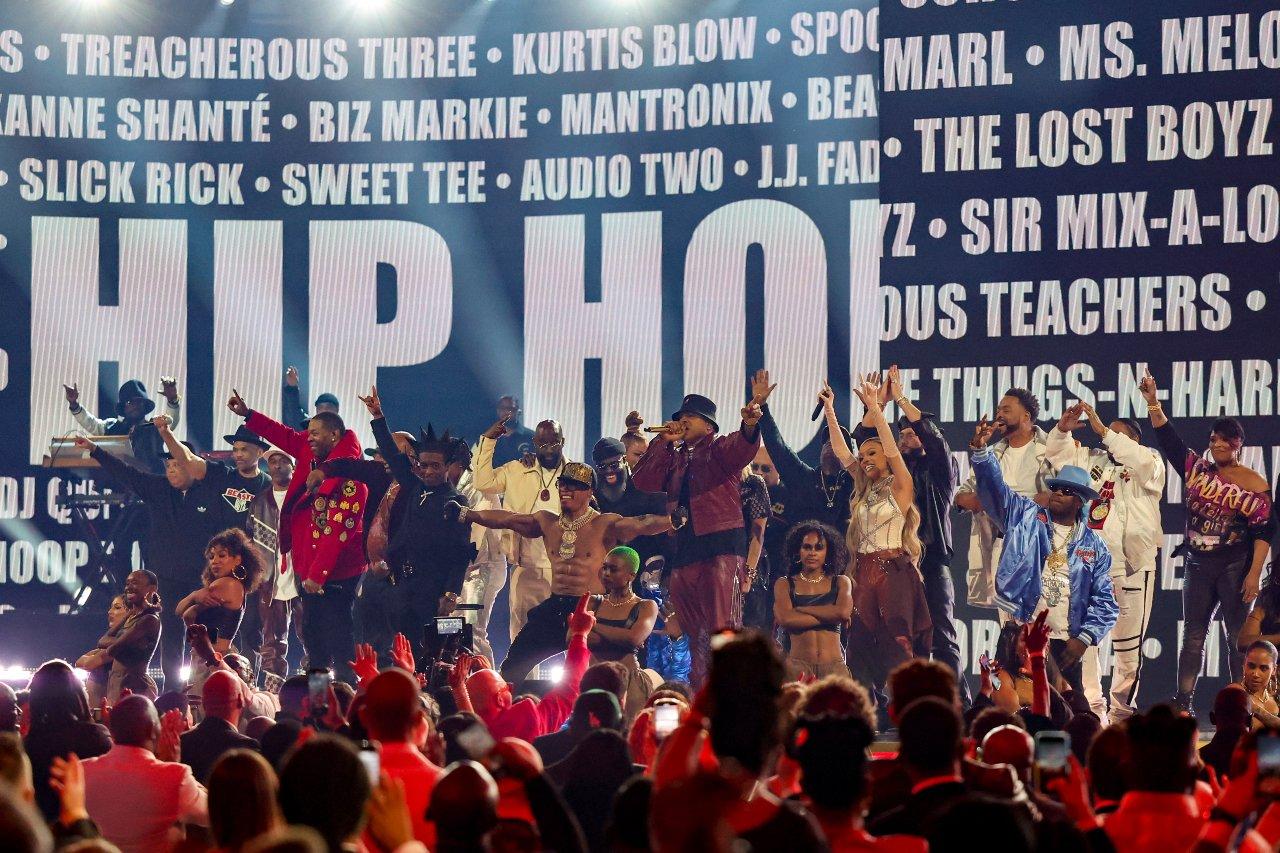
Major cultural institutions curated landmark exhibitions to honor the anniversary. The Smithsonian National Museum of African American History and Culture hosted dedicated programming, while the Universal Hip Hop Museum broke ground in the Bronx to establish a permanent archive of artifacts, clothing, and audio history. Live concert series, most notably the star-studded tribute at the 2023 Grammy Awards curated by Questlove, brought together foundational legends and contemporary superstars across multiple generations.
Public policy also reflected the gravity of the anniversary. Legislative bodies in New York and federal offices issued official proclamations recognizing August 11 as Hip Hop Day, cementing the culture's status as an invaluable American export and a profound vehicle for social justice and cross-cultural dialogue.
Frequently Asked Questions
What exact date marks the official anniversary of hip hop?
August 11, 1973, is recognized as the official birth date of hip hop. On this night, DJ Kool Herc hosted a back-to-school jam at 1520 Sedgwick Avenue in the Bronx, introducing the technical innovations that defined the genre.
Who are considered the foundational pioneers of hip hop culture?
DJ Kool Herc is widely credited as the founding father of the genre for his turntable techniques. Other essential pioneers include Coke La Rock (the first MC), Grandmaster Flash (pioneer of quick-mix theory and cutting), and Afrika Bambaataa (founder of the Universal Zulu Nation).
What are the four core pillars of hip hop?
The four traditional pillars are DJing, MCing (rapping), breakdancing (b-boying/b-girling), and graffiti writing. A widely accepted fifth pillar, knowledge, was later added to encompass the sociopolitical awareness and historical consciousness of the culture.
How did hip hop impact global fashion and language?
Hip hop culture fundamentally transformed global fashion by popularizing streetwear, athletic footwear, branded sportswear, and luxury-urban hybrids. Additionally, it continuously generates a vast lexicon of slang terms, idioms, and communication styles adopted worldwide through media and digital platforms.
Where is the Universal Hip Hop Museum located?
The Universal Hip Hop Museum is located in the Bronx, New York, serving as the official museum of hip hop culture. It preserves historical artifacts, photographs, audio recordings, and interactive exhibits detailing the genre's fifty-year evolution.
Next Actions and Cultural Preservation
For enthusiasts, educators, and historians engaging with the ongoing legacy of hip hop's golden anniversary, the focus shifts toward active preservation and education. Supporting local community arts programs, archiving oral histories from foundational practitioners, and visiting dedicated cultural institutions like the Universal Hip Hop Museum ensure that the stories, struggles, and triumphs of the genre's creators are accurately passed down to future generations.