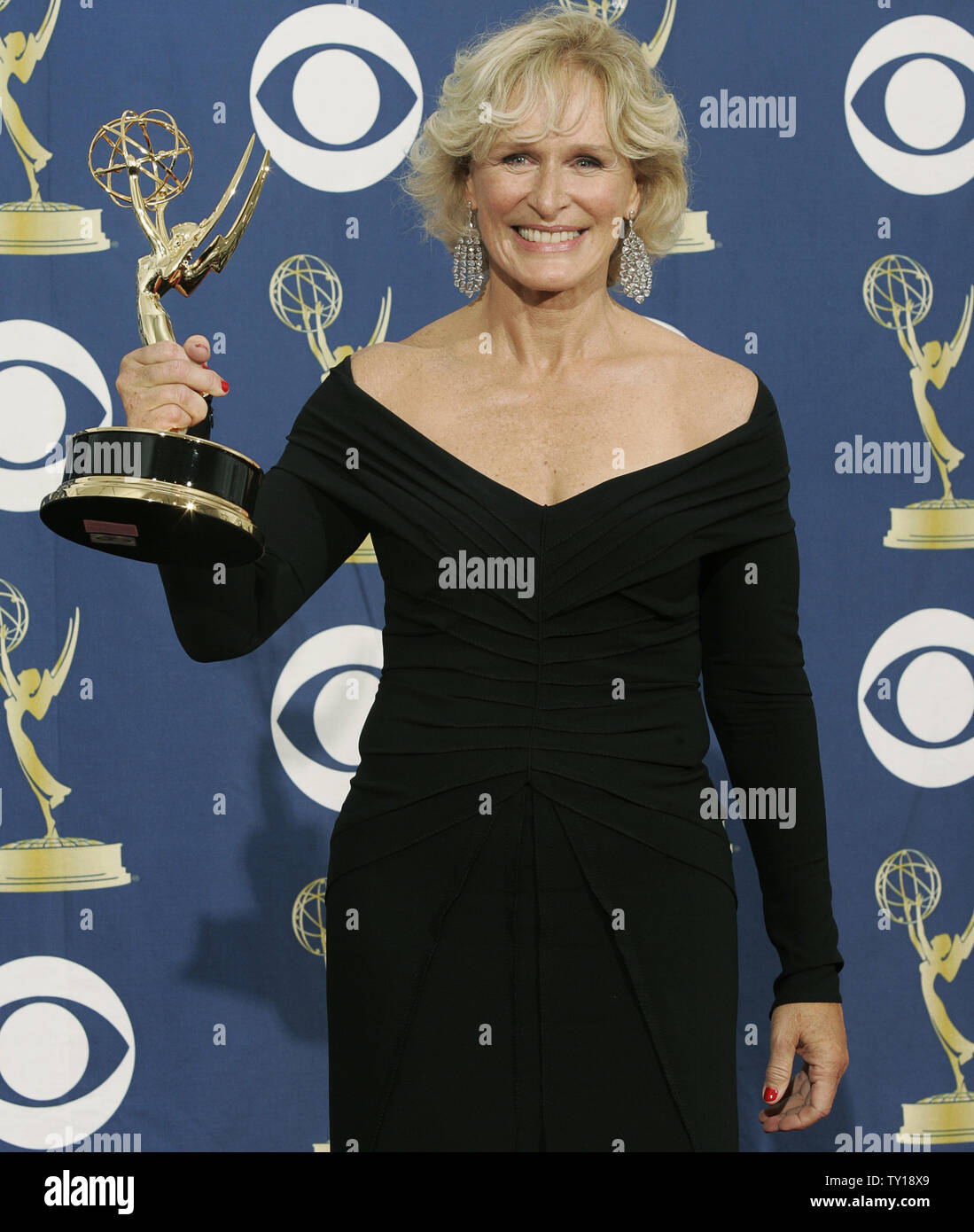
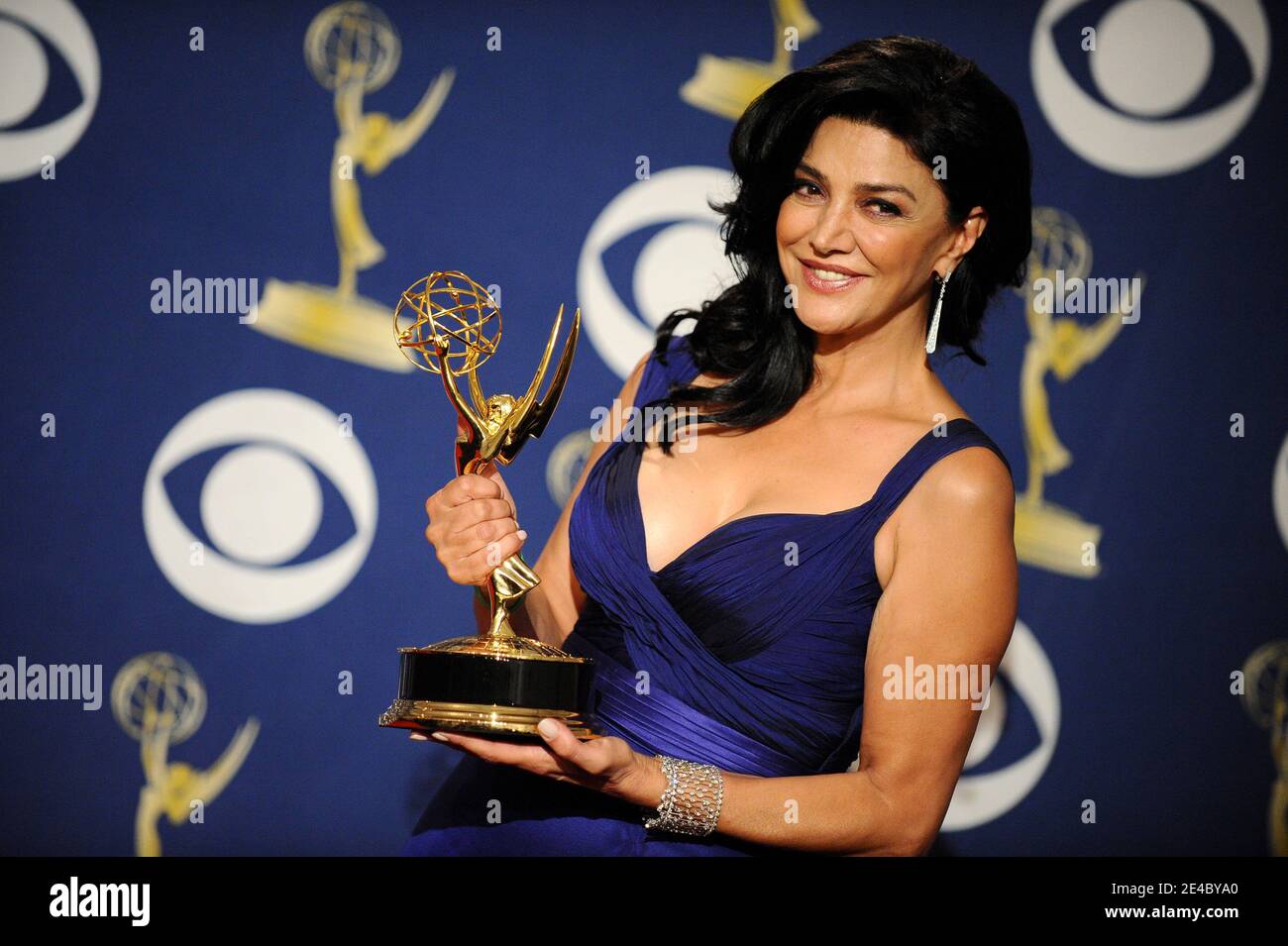
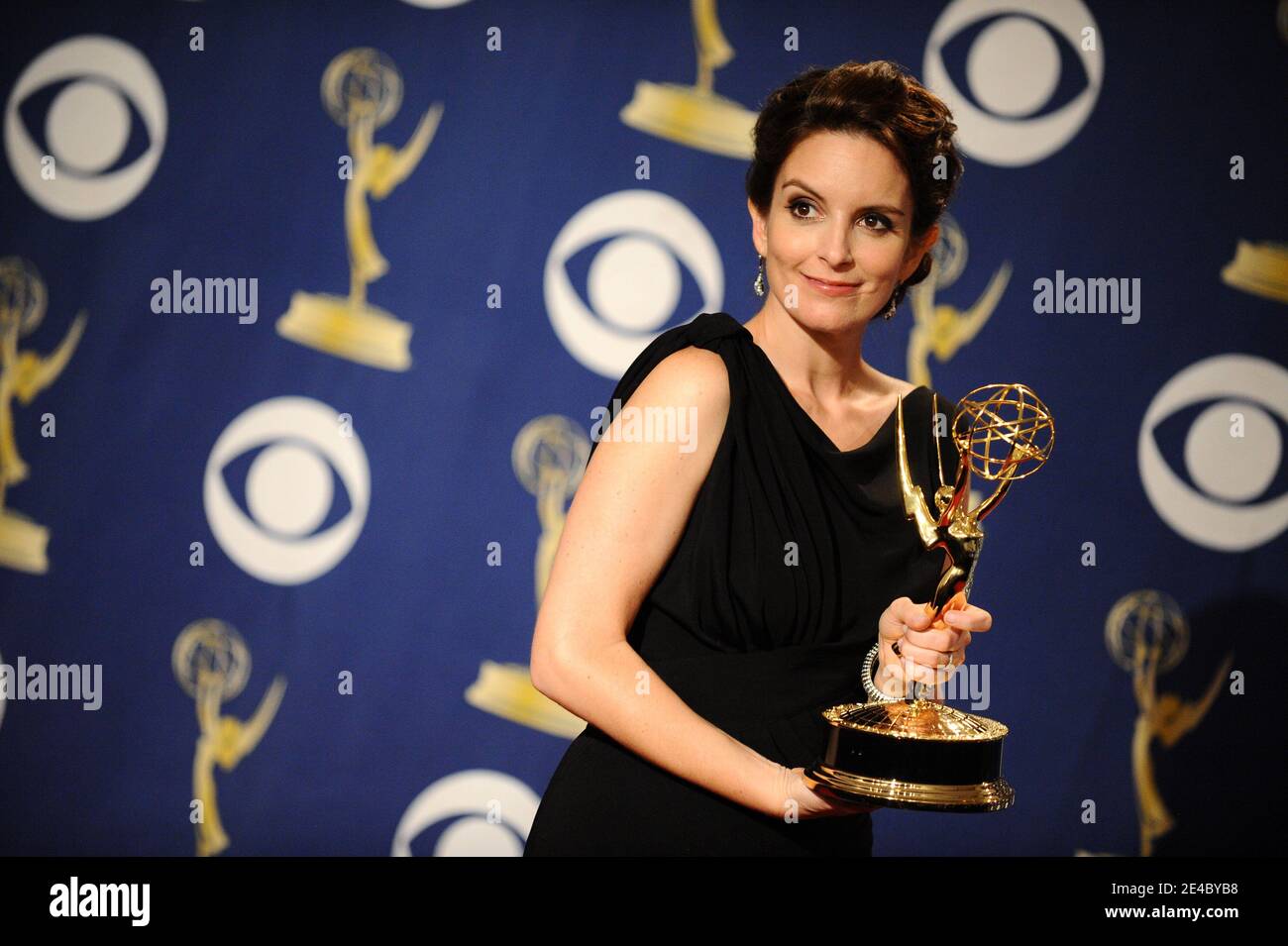
The 61st Primetime Emmy Awards, held on September 20, 2009, at the Nokia Theatre in Los Angeles, California, marked a pivotal transition in television history, honoring the finest American prime-time television programming from June 1, 2008, to May 31, 2009. Hosted by actor Neil Patrick Harris, the ceremony celebrated the zenith of traditional network prestige while acknowledging the rising dominance of critically acclaimed cable dramas and pioneering reality television. The evening was defined by historic wins, emotional farewells to foundational series, and a cultural shift toward serialized, complex storytelling that would come to define the Golden Age of Television.
Historical Context and Background of the 61st Primetime Emmy Awards
The landscape of American television in 2009 was undergoing a profound structural evolution. For decades, the major broadcast networks—ABC, CBS, NBC, and Fox—had dominated the Primetime Emmy Awards, sweeping major categories like Outstanding Drama Series and Outstanding Comedy Series. However, by the late 2000s, basic cable networks such as AMC and FX, alongside premium networks like HBO and Showtime, had established themselves as creative powerhouses. The 61st Primetime Emmy Awards served as a battleground between traditional broadcasting and the bold, envelope-pushing narratives of cable television.
Administered by the Academy of Television Arts & Sciences (ATAS), the event required eligible programs to have aired nationally during the official eligibility window. The voting process utilized a preferential voting system for top categories, ensuring that winning shows and performers had broad support among academy members. This era also predated the massive proliferation of subscription streaming services like Netflix, Hulu, and Amazon Prime Video, meaning the primary race was tightly contested between traditional cable giants, premium networks, and major broadcast networks.
Production and Broadcast Details
The 2009 ceremony was broadcast live on CBS, drawing an estimated 13.3 million viewers in the United States. Don Mischer served as the executive producer for the telecast, bringing his extensive experience in live event broadcasting to streamline the pacing and presentation of the awards.
Neil Patrick Harris as Master of Ceremonies
Neil Patrick Harris, then starring in the hit CBS sitcom How I Met Your Mother, hosted the Primetime Emmy Awards for the first time. Known for his theatrical background, sharp comedic timing, and musical versatility, Harris opened the show with an elaborate, high-energy musical number titled "Put the Remote Down," which set a celebratory yet self-aware tone for the evening. His performance was widely praised by television critics, cementing his reputation as one of the premier live-event hosts of his generation and earning him a swift return engagement for subsequent television specials.
Innovative Format Changes
To modernize the broadcast and reduce lag time between awards, the Academy implemented several structural changes for the 61st ceremony:
- The Dramatic Presentation: Nominees in major acting categories were introduced by past winners who spoke directly to their individual accomplishments before announcing the victor.
- Streamlined Categories: The governing body consolidated certain creative arts categories and adjusted sub-genres to better reflect shifting industry standards, particularly in reality television and miniseries formatting.
- Interactive Elements: The broadcast integrated early digital social media integration, allowing viewers to track real-time reactions and commentary via emerging online platforms.
Major Winners and Defining Moments
The 61st Primetime Emmy Awards featured several watershed moments, particularly regarding long-running series reaching their conclusion and new series establishing their critical dominance.
| Award Category | Winner | Affiliated Network / Platform |
|---|---|---|
| Outstanding Drama Series | Mad Men | AMC |
| Outstanding Comedy Series | 30 Rock | NBC |
| Outstanding Lead Actor (Drama) | Bryan Cranston | AMC (Breaking Bad) |
| Outstanding Lead Actress (Drama) | Glenn Close | FX (Damages) |
| Outstanding Lead Actor (Comedy) | Alec Baldwin | NBC (30 Rock) |
| Outstanding Lead Actress (Comedy) | Toni Collette | Showtime (United States of Tara) |
| Outstanding Supporting Actor | Michael Emerson | ABC (Lost) |
| Outstanding Supporting Actress | Cherry Jones | Fox (24) |
The Rise of Mad Men and Breaking Bad
AMC solidified its status as a premier destination for scripted drama at the 61st Primetime Emmy Awards. Mad Men, created by Matthew Weiner, won the prestigious award for Outstanding Drama Series for the second consecutive year, defeating formidable competition from shows like Breaking Bad, Damages, Dexter, House, and Lost. The victory signaled that basic cable could produce prestige television capable of outperforming traditional prestige outlets like HBO.
Concurrently, Bryan Cranston won his second consecutive Emmy for Outstanding Lead Actor in a Drama Series for his harrowing portrayal of Walter White in AMC's Breaking Bad. Cranston’s performance was widely cited as a masterclass in character transformation, bridging the gap between traditional network accessibility and dark, anti-hero-driven cable narratives.
30 Rock Dominates Comedy
On the comedy side, NBC’s 30 Rock, created by and starring Tina Fey, continued its critical dominance. The series secured the award for Outstanding Comedy Series for the third consecutive year, racking up multiple statuettes throughout the evening. Alec Baldwin won Outstanding Lead Actor in a Comedy Series for his portrayal of Jack Donaghy, while Tina Fey and the writing staff continued to collect accolades for their sharp satire of television production and corporate media culture.
Key Nominations and Industry Milestones
The nominations leading up to the 61st Emmy ceremony highlighted shifting demographics and genres in the television industry. NBC's 30 Rock led all programs with an astounding 22 nominations, setting a then-record for a comedy series in a single year. HBO's sweeping television film Grey Gardens also dominated the technical and limited-series categories, tying with 30 Rock for the most total nominations overall.
Reality Television Recognition
The category for Outstanding Reality-Competition Program continued to be a focal point for popular culture engagement. While the category had historically been dominated by The Amazing Race, the 61st Emmy nominations and subsequent wins reflected the broader cultural footprint of unscripted television, highlighting the operational rigor required to produce large-scale competition formats.
Diversity and Representation
The 2009 ceremony also prompted ongoing industry discussions regarding diversity and representation in front of and behind the camera. While several performers of color received notable nominations—such as Sandra Oh for Grey’s Anatomy and Chiwetel Ejiofor for Endgame—critics and advocacy groups noted that systemic barriers remained prevalent in major writing and directing categories, setting the stage for decades of advocacy aimed at broadening academy membership.
Critical Reception and Cultural Legacy
Television critics generally lauded the 61st Primetime Emmy Awards for its brisk pacing, Neil Patrick Harris’s engaging hosting style, and the historic weight of its major winners. Retrospective analysis of the 2009 ceremony frequently highlights it as a transitional monument where the old guard of network television officially shared the stage with the disruptive force of cable prestige dramas.
The success of Mad Men and Breaking Bad at this specific ceremony foreshadowed the complete migration of high-end cinematic talent to television series. Directors, cinematographers, and feature film actors who had historically avoided television began viewing serialized cable and premium platforms as superior canvases for complex, long-form storytelling.
Frequently Asked Questions
Who hosted the 61st Primetime Emmy Awards?
Neil Patrick Harris hosted the 61st Primetime Emmy Awards. His critically acclaimed opening musical number and comedic delivery established him as a premier master of ceremonies for major entertainment broadcasts.
Which series won Outstanding Drama Series at the 61st Emmys?
AMC's Mad Men won the award for Outstanding Drama Series at the 2009 ceremony, marking its second consecutive victory in the category and cementing the network's reputation for producing groundbreaking original programming.
What network led the nominations at the 2009 Emmy Awards?
NBC led the overall network tally, largely driven by the record-breaking 22 nominations received by the hit comedy series 30 Rock, which also secured the award for Outstanding Comedy Series.
Where was the 61st Primetime Emmy Awards ceremony held?
The ceremony took place at the Nokia Theatre (now known as the Peacock Theater) in downtown Los Angeles, California, on September 20, 2009.
Why is the 61st Emmy Awards considered historically significant?
The ceremony marked a defining moment in the transition toward the Golden Age of Television, notably highlighting the dominance of basic cable networks like AMC (Mad Men, Breaking Bad) over traditional broadcast networks in major prestige categories.
Conclusion and Next Actions
The 61st Primetime Emmy Awards remain a fascinating case study in television history, capturing the exact moment the industry pivoted toward serialized, cable-driven prestige narratives. For researchers, media students, and television enthusiasts exploring this era, examining the complete ballot and archival footage of the 2009 telecast provides invaluable insight into how modern television production standards were forged. To further explore this topic, review official Academy of Television Arts & Sciences archives or access contemporaneous critical reviews from major entertainment publications of the 2008–2009 television season.