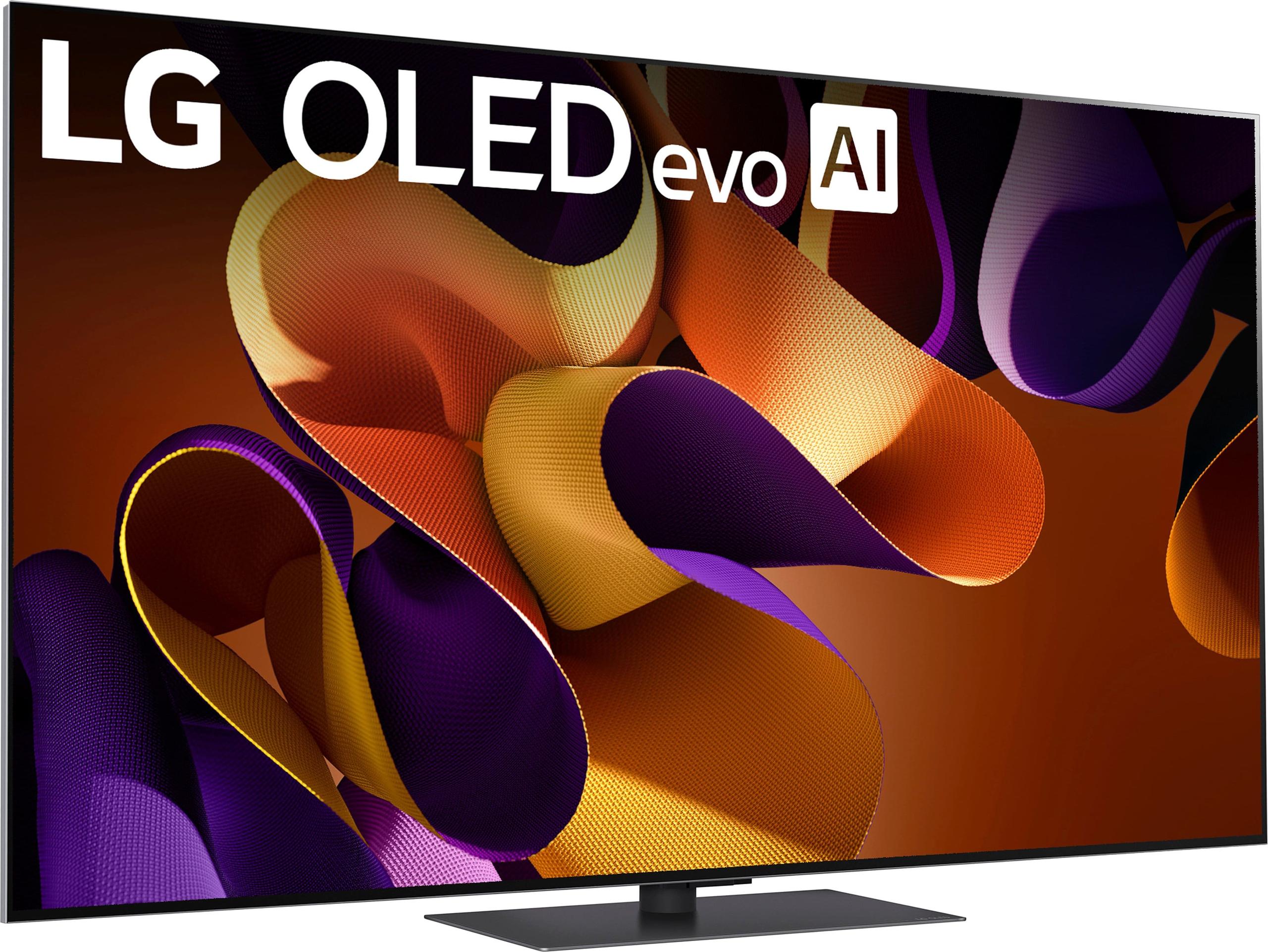
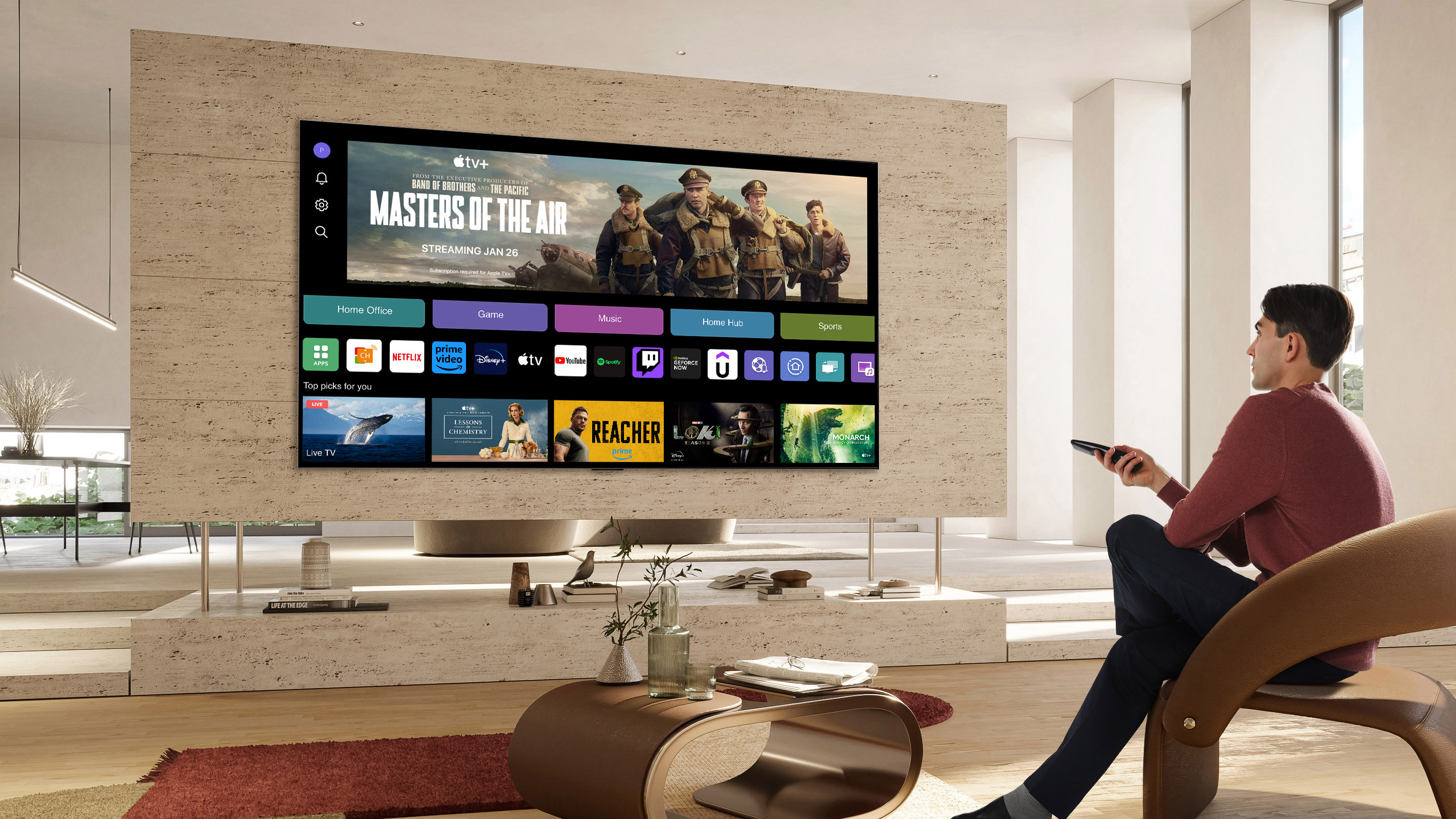
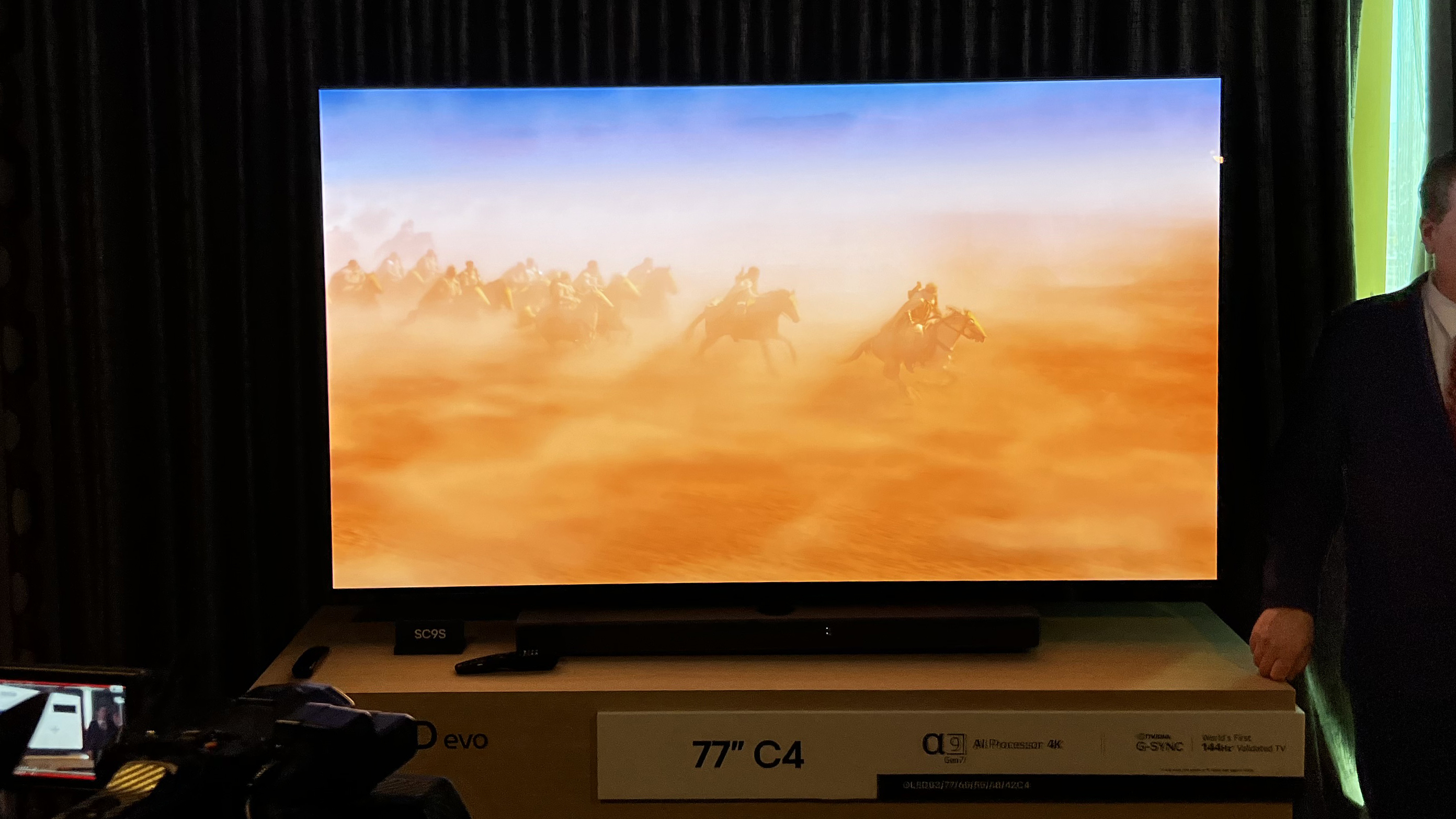
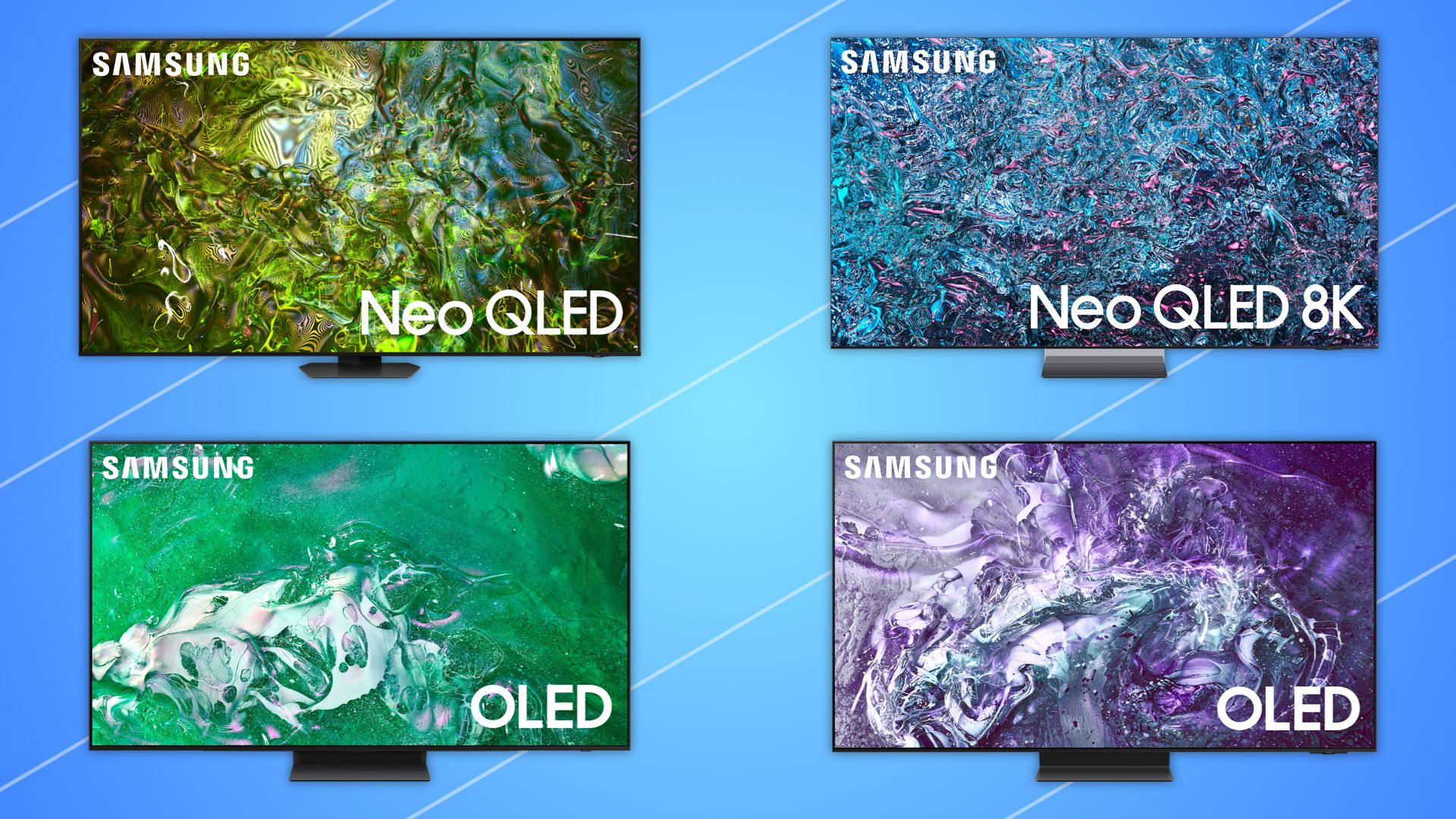
The 2024 television market represented a significant maturation period for display technology, highlighted by widespread brightness enhancements in OLED panels, deeper adoption of Mini-LED backlighting in LCD screens, and more sophisticated AI-driven image processing chips across major consumer electronics brands.
Introduction to the 2024 Television Landscape
Navigating the television market requires understanding how foundational display technologies have evolved. The year 2024 did not introduce an entirely new panel technology from scratch; instead, it marked a refinement era where manufacturers squeezed substantially more performance out of existing architectures. OLED (Organic Light Emitting Diode) screens finally broke through previous peak-brightness limitations thanks to micro-lens array (MLA) technology and quantum dot enhancements. Simultaneously, Mini-LED local dimming zones multiplied exponentially in LCD models, narrowing the performance gap between liquid crystal displays and self-emissive OLED panels in brightly lit environments.
For consumers, these advancements translated to better HDR (High Dynamic Range) performance, more accurate color reproduction out of the box, and more robust gaming features such as multiple HDMI 2.1 ports running at full 4K/120Hz or 4K/144Hz bandwidths. However, navigating this landscape also meant deciphering complex marketing terminology, overlapping standard formats, and varying software ecosystems. This guide explores the core display technologies, panel types, sizing considerations, audio integration, and practical purchasing criteria that defined 2024 televisions.
Core Display Technologies: OLED versus Mini-LED
Understanding the fundamental differences between the dominant display technologies of 2024 is essential for matching a television to a specific viewing environment. The market split primarily between self-emissive OLED displays and advanced backlit LCD panels, specifically those utilizing Mini-LED technology.
OLED: Self-Emissive Precision
OLED televisions remain the benchmark for dark-room viewing because every individual pixel generates its own light and can turn completely off. This yields infinite contrast ratios and eliminates blooming or halo artifacts around bright objects on dark backgrounds.
Key advancements in 2024 OLED models included:
- Micro-Lens Array (MLA): Applied to top-tier panel variants, microscopic lenses focused light output forward, significantly increasing peak brightness without requiring higher electrical current that could degrade organic materials.
- Quantum Dot OLED (QD-OLED): By combining blue OLED self-emissive layers with quantum dot color conversion, these panels achieved higher color volume and greater brightness saturation at high luminance levels compared to standard white OLED (WOLED) designs.
- Burn-In Mitigation: Advanced pixel-refresh algorithms and automated thermal management systems significantly reduced long-term retention risks for static HUD elements in gaming or persistent broadcast network logos.
Mini-LED: High-Brightness LCD Evolution
While OLED excels in dark environments, Mini-LED technology conquered brightly lit living rooms and daylight performance in 2024. By replacing traditional, bulky LED backlights with thousands of microscopic LEDs grouped into hundreds or thousands of independent local dimming zones, Mini-LED televisions achieved remarkable peak brightness levels—often exceeding 1,500 to 2,000 nits.
Strengths of Mini-LED architectures included:
- Superior Sustained Brightness: Unlike OLED panels, which use Automatic Brightness Limiters (ABL) to dim full-screen white fields to protect the hardware, Mini-LED displays maintained high brightness levels across the entire canvas indefinitely.
- Cost-to-Size Ratio: Mini-LED production efficiencies made massive screen sizes (85 inches and above) far more financially accessible than their OLED counterparts.
- Blooming Control: While improved processing helped control light bleed, highly contrasting scenes (such as white text on a black background) could still occasionally exhibit minor halo artifacts as local dimming zones adjusted.
| Feature / Metric | OLED (WOLED & QD-OLED) | Mini-LED LCD | Standard LED-LCD |
|---|---|---|---|
| Black Levels | Absolute zero (infinite contrast) | Very deep, minor light bleed possible | Moderate, often appears grayish in dark rooms |
| Peak Brightness | High (improved via MLA/QD in 2024) | Extremely High (often 1,500+ nits) | Moderate (typically 400–800 nits) |
| Viewing Angles | Exceptionally wide with minimal shift | Moderate to wide, varies by panel type (IPS vs. VA) | Narrow, colors wash out off-center |
| Gaming Performance | Instant pixel response time, low input lag | Fast response, slight motion blur possible | Varies widely, generally slower response times |
| Best Environment | Darkened or controlled lighting rooms | Brightly lit rooms, sunny living spaces | Budget-conscious or casual viewing spaces |
Panel Performance, Processing, and AI Upscaling
Hardware is only part of the equation. The onboard video processor dictates how well a television handles low-resolution content, motion interpolation, and color grading. In 2024, artificial intelligence and machine learning neural networks became standard components of flagship processors from major manufacturers like Sony, LG, Samsung, and TCL.
AI Upscaling and Neural Processing
With the vast majority of broadcast television and streaming content still mastered in 1080p (Full HD) or 720p—and older legacy media in standard definition—upscaling quality remained a critical metric.
- Neural Network Training: 2024 processors utilized multi-layered neural networks trained on millions of reference images to recognize object textures, skin tones, and background details. Instead of relying purely on mathematical scaling algorithms, these chips actively reconstructed fine lines and reduced compression artifacts dynamically.
- Scene Classification: Advanced processors automatically categorized scenes (e.g., landscapes, indoor studio interviews, fast-paced sports) to apply optimal noise reduction and sharpness parameters on a frame-by-frame basis.
Motion Handling and Refresh Rates
Motion interpolation technologies also matured, offering cleaner implementation of black frame insertion (BFI) and motion smoothing that reduced judder without introducing the dreaded "soap opera effect" in cinematic content. Gamers benefited from native 144Hz panel support on select high-end models, alongside variable refresh rate (VRR) technologies like AMD FreeSync Premium Pro and NVIDIA G-Sync compatibility, which virtually eliminated screen tearing during fluctuating frame rates.
Sizing, Resolution, and Ergonomics
The consumer preference for larger screens continued an aggressive upward trajectory. While 55-inch and 65-inch models remained the baseline for standard living rooms, 75-inch and 85-inch televisions transitioned from luxury specialty items to mainstream considerations.
Determining the Right Screen Size and Viewing Distance
Choosing the correct screen size depends heavily on viewing distance and room layout. According to SMPTE (Society of Motion Picture and Television Engineers) and THX guidelines for a cinematic immersive experience (roughly a 30- to 40-degree field of view):
- Measure the Distance: Determine the exact distance in inches from your eyes to the intended wall or media console.
- Apply the Formula: For a 4K UHD resolution display, multiply the distance in inches by 0.625 to find the recommended screen diagonal size for a mixed-use environment, or up to 0.84 for a dedicated home theater experience.
- Practical Example: At an 8-foot (96 inches) viewing distance, a 65-inch to 75-inch television provides optimal immersion without forcing the viewer to scan their eyes uncomfortably across the panel.
4K Resolution and the 8K Reality
Despite the availability of 8K televisions, 2024 solidified 4K UHD as the definitive standard for all primary household displays. Native 8K content remained extremely scarce, limited primarily to specialized YouTube channels and select demonstration reels. While 8K upscaling processors performed admirably, the law of diminishing returns made 8K panels difficult to justify for average consumers given the substantial price premium and lack of native broadcast or physical media support.
Smart TV Platforms and Ecosystem Integration
Operating systems in 2024 served as the primary interface for content consumption, smart home management, and personalized advertising. Each major manufacturer refined its proprietary platform:
- webOS (LG): Known for its intuitive pointer remote and clean layout, focusing on quick access to major streaming apps and personalized content rows.
- Tizen (Samsung): Integrated deeply with the SmartThings ecosystem, functioning as a smart home hub for IoT devices, alongside a heavily curated media interface.
- Google TV (Sony, TCL, Hisense): Praised for its content-agnostic recommendation engine that aggregates titles across dozens of subscription services into a single watchlist.
- Roku TV (Various partners): Retained its reputation for simplicity, speed, and an unbiased search function that prioritizes ease of use over complex UI designs.
Privacy considerations also came to the forefront, with manufacturers providing more granular options to opt out of Automatic Content Recognition (ACR) data collection, which tracks what users watch via streaming devices, cable boxes, or connected game consoles.
Audio Considerations: Beyond Built-In Speakers
As television profiles grew increasingly thin—often measuring less than an inch deep—internal acoustic transducers faced severe physical constraints. While processing features like voice clarity enhancement and virtual spatial audio algorithms improved intelligibility, built-in speakers generally lacked low-frequency bass response and dynamic range.
Consumers investing in high-end 2024 displays typically paired their hardware with external audio solutions:
- Soundbars: The most popular upgrade path, often featuring Dolby Atmos and DTS:X support through upward-firing drivers to simulate overhead sound effects.
- eARC (Enhanced Audio Return Channel): HDMI 2.1 eARC implementation became universal on mid-to-high-tier sets, allowing lossless audio formats (including Dolby TrueHD and multi-channel LPCM) to pass directly from internal apps or connected media players to an external audio receiver or soundbar.
Frequently Asked Questions About 2024 Televisions
Is it worth buying a 2024 television model now?
Yes, late-model displays offer mature feature sets, highly optimized AI processing chips, and robust HDMI 2.1 connectivity for modern gaming consoles. Because foundational panel technologies like OLED and Mini-LED reached high levels of refinement by 2024, these sets deliver performance remarkably close to newer generations at potentially more favorable market pricing.
What is the difference between HDMI 2.1 and older HDMI ports?
HDMI 2.1 supports significantly higher bandwidth (up to 48 Gbps), which is required to transmit uncompressed 4K video at 120Hz or 144Hz frame rates alongside HDR metadata. It also enables essential gaming features like Variable Refresh Rate (VRR) and Auto Low Latency Mode (ALLM). Older HDMI 2.0 ports are capped at 4K/60Hz.
Do I need a special cable for 4K HDR content?
You do not necessarily need expensive "certified premium" cables for basic 4K streaming, but high-bandwidth applications like 4K gaming at 120Hz or passing uncompressed Dolby Atmos audio require Ultra High Speed HDMI cables certified to handle the full 48 Gbps data rate.
How do I prevent image burn-in on an OLED television?
Modern OLED panels feature built-in mitigation tools, such as pixel shifting, static logo luminance reduction, and automatic screen savers. To minimize risk during normal use, avoid leaving static HUDs, news tickers, or pause screens displayed continuously for hours at a time, and let the television complete its automatic standby maintenance cycles.
Can Mini-LED televisions match the picture quality of OLED in a dark room?
While Mini-LED televisions have made incredible strides in local dimming performance, OLED still holds the crown for dark-room viewing because its self-emissive pixels produce absolute black without any risk of blooming or backlight haloing around bright objects.
Practical Next Steps for Buyers
Selecting the right television involves balancing room lighting conditions, primary usage habits (gaming versus cinematic film viewing), and budget parameters. First, evaluate your primary room lighting: if the space features abundant natural sunlight, prioritize a high-brightness Mini-LED panel. If the viewing area is a controlled environment or basement, an OLED display will deliver superior contrast and black uniformity. Verify that the model includes at least two full-bandwidth HDMI 2.1 ports if you plan to connect a PlayStation 5, Xbox Series X, or high-end PC. Finally, measure your available physical space carefully, factoring in media console dimensions and whether you intend to wall-mount the display with a VESA-compliant bracket.