Planning a cruise for the 2025 season requires a strategic approach that balances itinerary selection, cabin categorization, and strict adherence to documentation requirements. Successful planning hinges on identifying the specific cruise line’s booking windows, understanding the nuances of port-of-call regulations, and managing pre-departure logistical requirements such as visa compliance and health screenings.
Understanding the 2025 Cruise Landscape
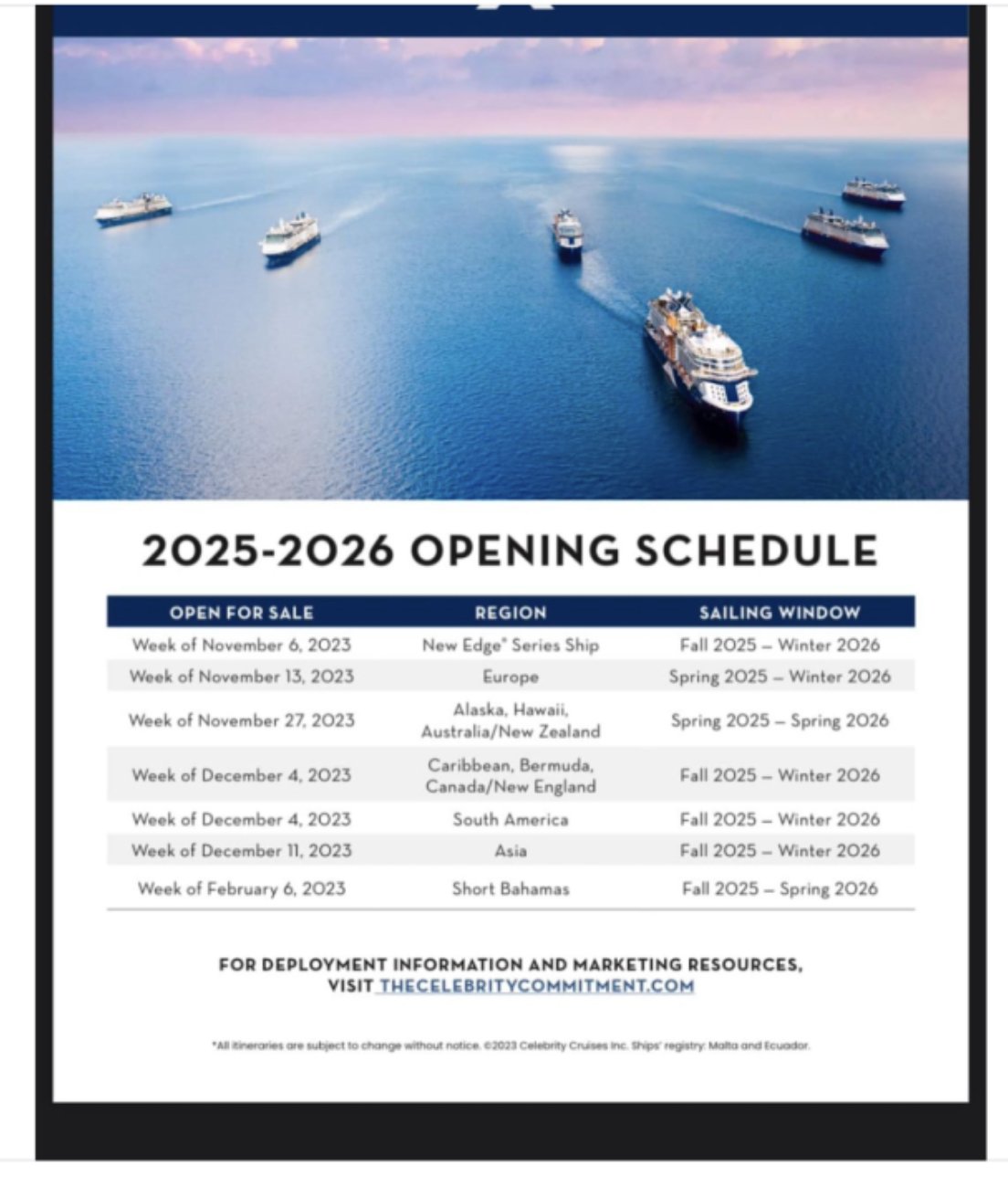
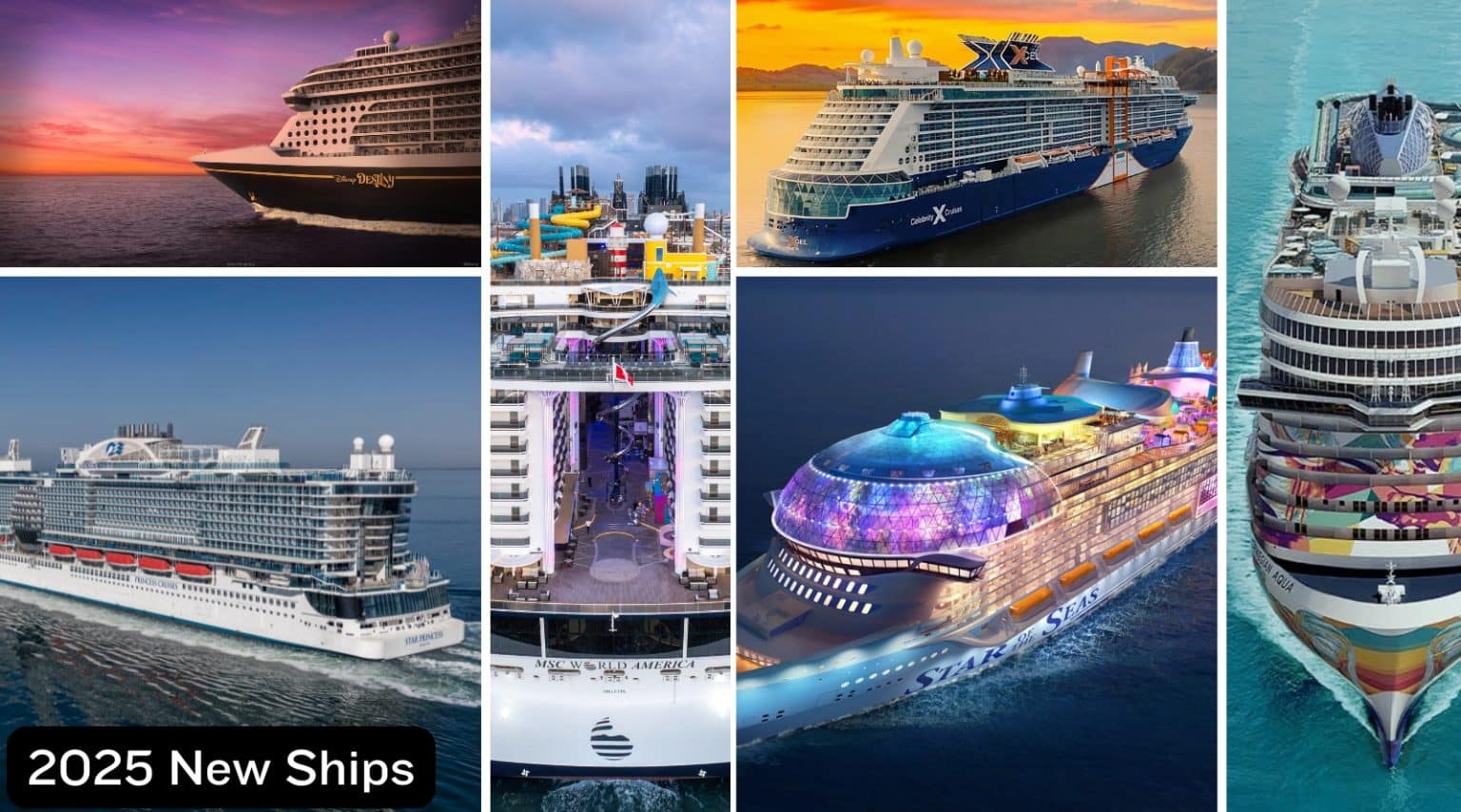
The cruise industry in 2025 maintained a trajectory defined by increased capacity and the introduction of new vessel classes across major lines like Royal Caribbean, Carnival, and MSC. Planning for this period necessitated an awareness that many popular itineraries were booked 12 to 18 months in advance. The primary challenge for the traveler is not merely selecting a destination, but matching personal travel objectives—such as relaxation, cultural immersion, or family entertainment—with the specific operational profiles of cruise operators.
When analyzing cruise options, prioritize the vessel’s age, passenger-to-space ratio, and the included versus specialty dining configurations. By 2025, many cruise lines had refined their "all-inclusive" packages, separating basic cruise fares from "bundled" experiences that include drink packages, gratuities, and Wi-Fi access. Discerning these costs early is essential for accurate budget forecasting.
Establishing a Strategic Planning Timeline
Effective cruise planning functions on a distinct countdown. Utilizing a structured timeline prevents the common pitfall of missing out on high-demand shore excursions or prime cabin locations.
- 18–24 Months Out: Define your budget and preferred geographical region. Research the best season for your destination—for instance, avoiding peak hurricane season in the Caribbean or targeting the shoulder season in the Mediterranean.
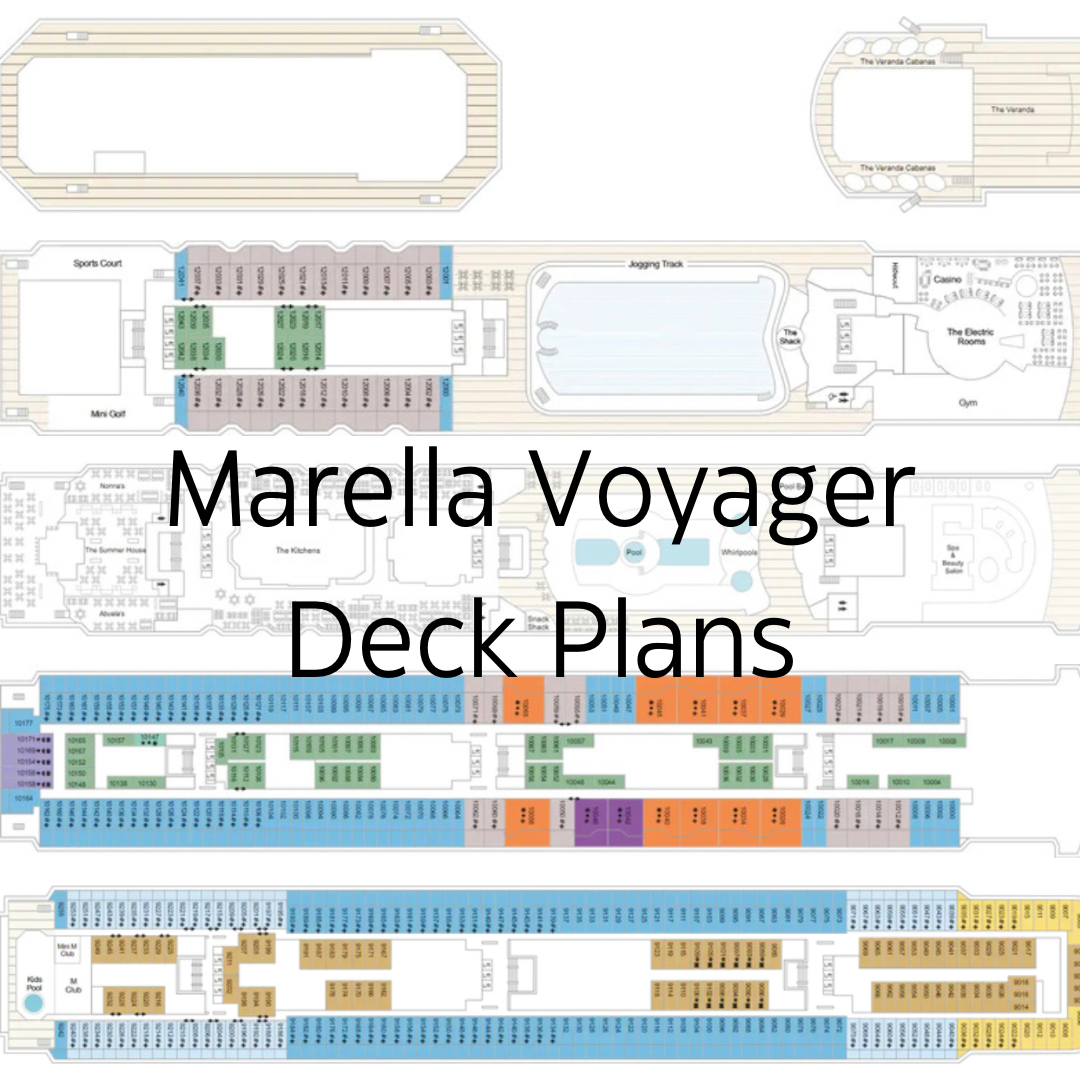
- 12–15 Months Out: Secure your booking. This is the optimal window to select specific staterooms, such as mid-ship cabins for stability or aft-facing balconies for views.
- 9–12 Months Out: Monitor flight prices if the cruise port requires air travel. Consider "Air2Sea" or cruise-line specific air programs, which offer protection if flights are delayed.
- 6 Months Out: Evaluate and book shore excursions. Many premium experiences sell out well before embarkation day.
- 3 Months Out: Check passport validity. Most international destinations require at least six months of remaining validity on your passport. Apply for any necessary e-visas or entry permits.
Choosing the Right Stateroom Category
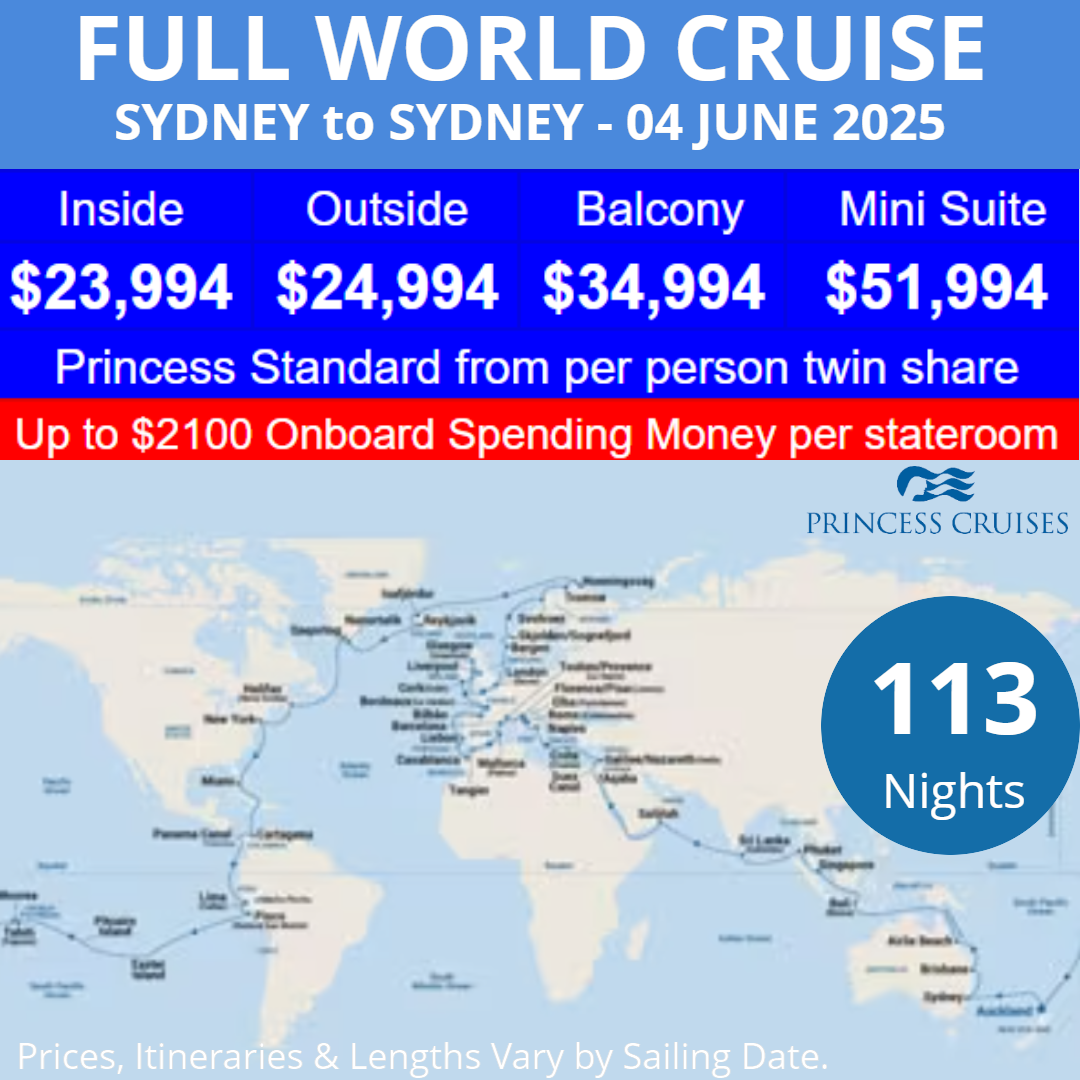
The stateroom is often the most significant variable in cruise pricing. Understanding the technical differences between cabin types is vital for comfort and value.
- Inside Cabins: These are the most cost-effective options, located in the interior of the ship with no windows. They are ideal for travelers who spend minimal time in their room.
- Oceanview Cabins: These feature a porthole or picture window. While they offer natural light, these windows do not open, and some may have "obstructed views" due to lifeboats or structural equipment.
- Balcony (Veranda) Cabins: These provide a private outdoor space. They are highly recommended for scenic itineraries, such as Alaska or the Norwegian Fjords, where the landscape is a primary attraction.
- Suites: Beyond more square footage, suites often provide "ship-within-a-ship" access, including private lounges, priority embarkation, and dedicated concierge services.
| Feature | Interior | Oceanview | Balcony | Suite |
|---|---|---|---|---|
| Natural Light | None | Yes | Yes | Yes |
| Private Outdoor Space | No | No | Yes | Yes |
| Priority Services | No | No | Sometimes | Yes |
| Price Point | Low | Low-Mid | High | Premium |
Navigating Logistics and Documentation
The administrative aspect of cruise travel is frequently the most overlooked. In 2025, requirements for international travel remained rigorous. Ensure that your name on the booking matches your government-issued identification exactly. If you are traveling to a region requiring a visa—such as certain ports in Southeast Asia or the Schengen Area—verify the current entry requirements through official government portals.
Medical requirements have also evolved. While many lines relaxed mandatory COVID-19 testing protocols by 2025, individual port authorities retain the right to enforce specific health declarations. Always review the "Know Before You Go" documentation provided by your cruise line approximately 30 days prior to sailing.
Financial Planning and Value Maximization
Cruising is often marketed as a "value" vacation, but the base fare rarely reflects the total cost. To manage expenses effectively, account for these standard expenditures:
- Daily Gratuities: Most lines automatically add a daily per-passenger service charge (often $18–$25 per person, per day). This covers housekeeping and dining staff.
- Specialty Dining: While main dining rooms are included, specialty restaurants typically charge a cover fee or à la carte pricing.
- Internet Packages: Satellite internet, even with systems like Starlink, remains a premium service. Purchase this in advance to secure "early bird" discounts.
- Travel Insurance: Given the logistical complexity of cruises—where a missed ship is a significant financial and operational catastrophe—comprehensive travel insurance covering "missed connection" and "trip interruption" is non-negotiable.
Troubleshooting Common Challenges
Even with meticulous planning, issues can arise. Understanding how to handle them is part of a successful cruise strategy.
- Missed Port Calls: Weather or mechanical issues can cause a ship to skip a scheduled stop. Compensation is rarely offered, but your travel insurance may provide reimbursement for pre-paid private shore excursions.
- Seasickness: If you are prone to motion sickness, choose a cabin on a lower deck in the middle of the ship (the pivot point). Bring over-the-counter remedies, but consult a medical professional regarding prescription patches if you are highly sensitive.
- Lost Luggage: Cruise lines are not responsible for airline-lost baggage. Arrive at your embarkation city at least one day before the ship departs to provide a buffer for flight delays.
Frequently Asked Questions
How far in advance should I book my 2025 cruise? You should aim to book 12 to 18 months in advance. This allows for the widest selection of cabin categories and ensures you can lock in current pricing before demand-based increases occur.
What documentation is strictly required for international cruises? A passport is required for almost all international cruises. If you are a U.S. citizen taking a "closed-loop" cruise (starting and ending at the same U.S. port), you might be able to travel with a birth certificate and government-issued ID, but a passport is strongly recommended for potential emergencies.
Are shore excursions cheaper when booked through the cruise line? Booking through the cruise line is generally more expensive, but it offers a "guaranteed return to ship" policy. If the tour is delayed, the ship will wait for you. Booking independently is cheaper but carries the risk of missing the vessel departure.
What is the best way to handle onboard spending? Most lines use a "cashless" system linked to your credit card or a pre-loaded onboard account. Monitor this account via the ship’s app daily to avoid surprise charges at the end of the cruise.
Can I bring my own beverages onboard? Policies vary. Most lines allow guests to carry on a limited amount of wine or champagne at embarkation, but bringing hard liquor or large quantities of soda/water is often prohibited or strictly regulated. Check your specific line’s policy before purchasing.
Expert Recommendation
To maximize your 2025 cruise experience, prioritize the "buffer day" strategy. Always fly into your departure city the day before embarkation. This single decision eliminates the stress associated with airline delays and ensures you are rested and ready for your voyage. After booking, download your cruise line’s proprietary mobile application immediately; it serves as your primary tool for managing dinner reservations, activity scheduling, and real-time ship announcements.