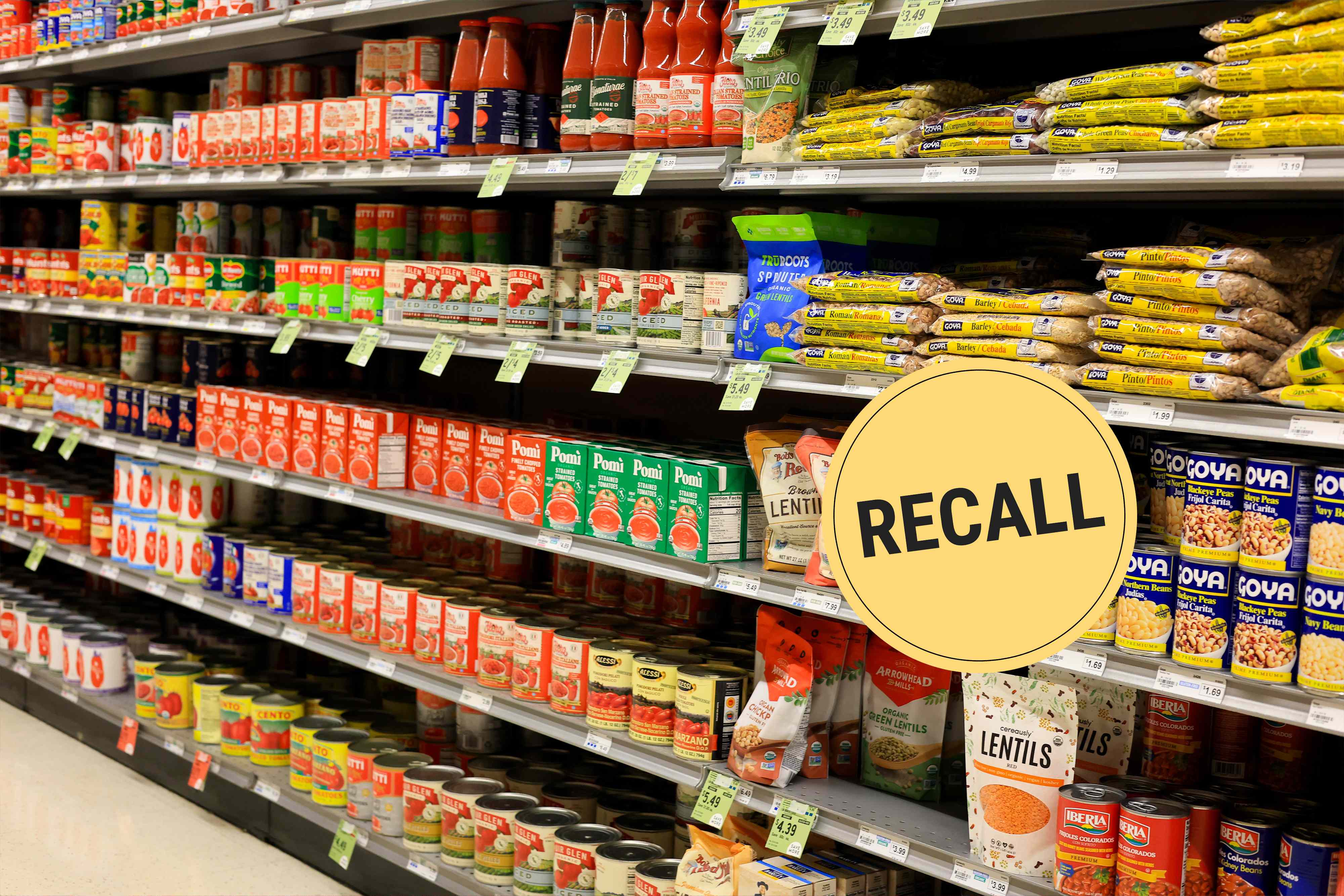
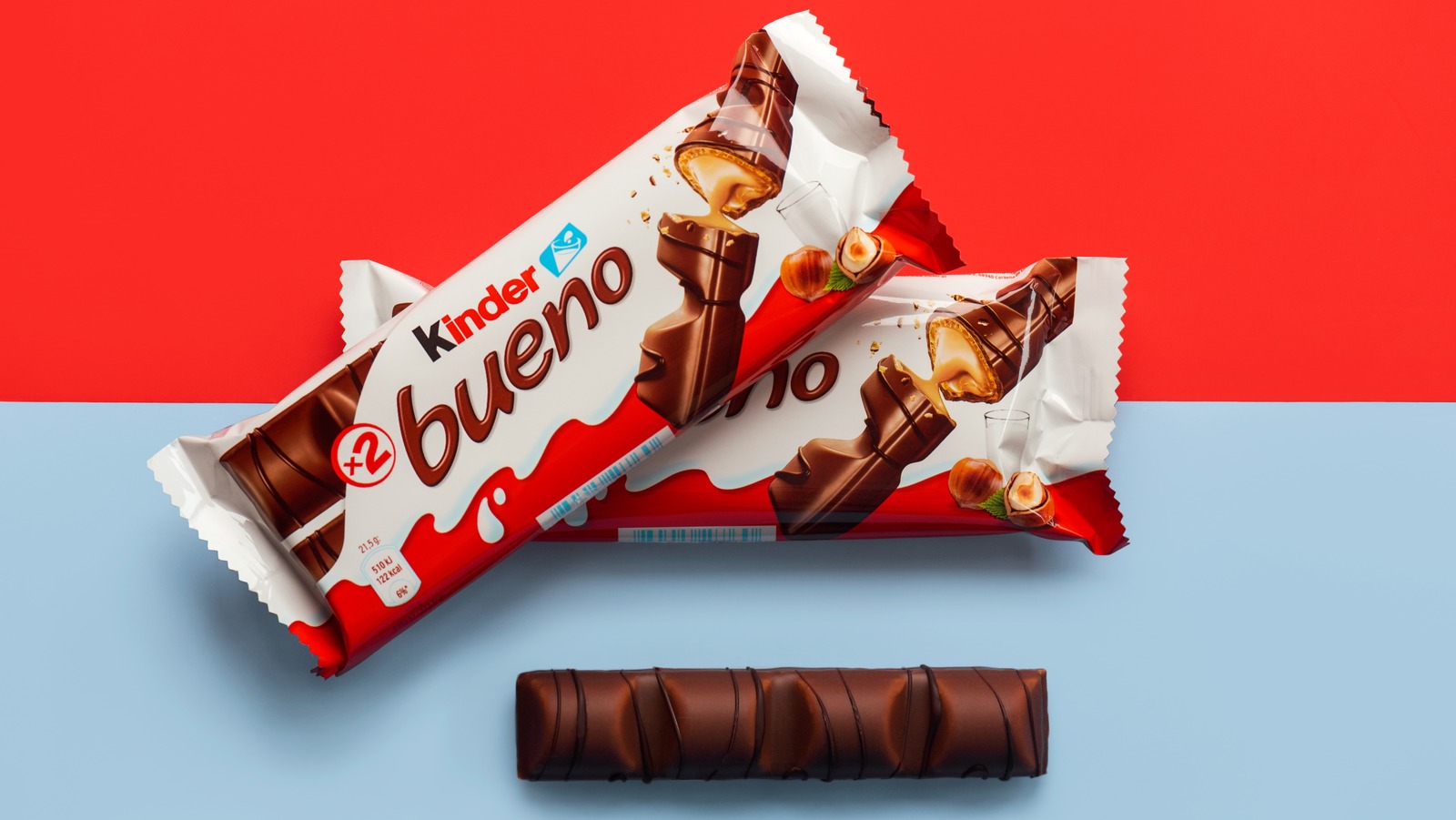
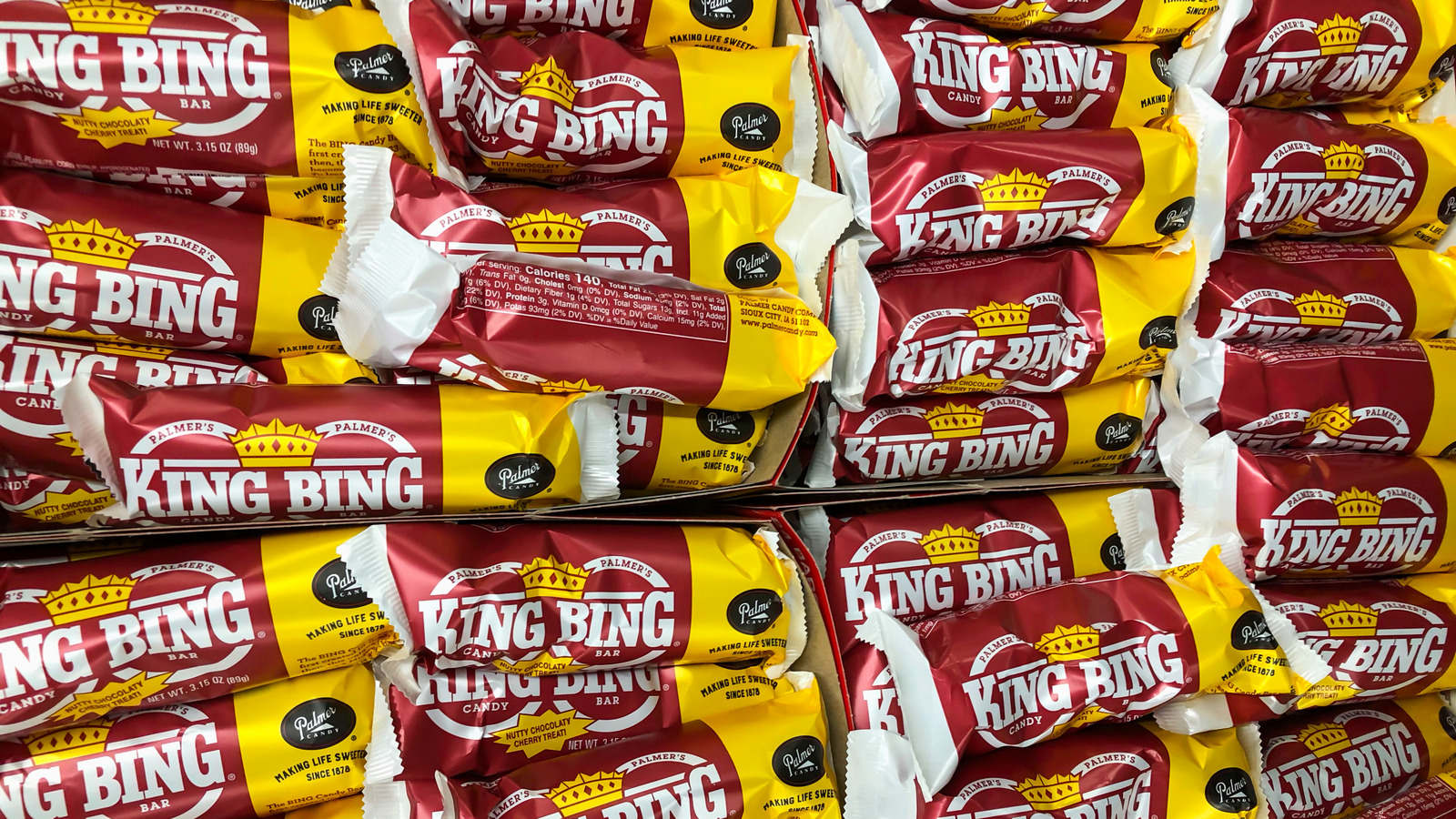
If you purchased chocolate products during the 2025 calendar year, you may be affected by various safety recalls initiated due to undeclared allergens, such as milk or peanuts, or the potential for microbial contamination like Salmonella. To ensure your safety, verify your specific product packaging against official databases maintained by national food safety authorities, and refrain from consuming items if there is any uncertainty regarding their safety status.
Understanding the Scope of the 2025 Chocolate Recalls
The term "2025 chocolate recall" refers to a series of distinct, voluntary, and mandatory food safety actions taken by various manufacturers and distributors throughout the 2025 calendar year. Unlike a singular event, these recalls were localized by brand, batch number, and production facility. Food safety recalls are typically issued when a product violates safety standards, posing a risk to public health.
In 2025, the most common drivers for these actions included:
- Undeclared Allergens: This is the most frequent cause for chocolate recalls. Products labeled as "dairy-free" or "vegan" may have been cross-contaminated during the manufacturing process, resulting in the presence of milk proteins that were not disclosed on the label. This poses a life-threatening risk to consumers with severe dairy allergies.
- Microbial Contamination: Certain batches were identified as potentially containing Salmonella or Listeria. These pathogens can survive in the low-moisture environment of chocolate and have been linked to manufacturing equipment failures or contaminated raw ingredients like cocoa powder or nuts.
- Physical Contaminants: Less frequently, recalls were triggered due to foreign objects, such as fragments of metal or plastic, entering the production line, posing a risk of dental injury or choking.
Why Verification is Critical
When a recall is issued, the affected products do not disappear from kitchen pantries instantly. Because chocolate is a shelf-stable product, many consumers inadvertently store these items for months. If you have purchased chocolate products within the last 18 months, it is necessary to check your inventory against the historical records of the U.S. Food and Drug Administration (FDA) or your regional equivalent.
Consuming a recalled product is dangerous because the risk is often invisible. Pathogens like Salmonella do not change the taste, smell, or appearance of chocolate. Similarly, trace amounts of an undeclared allergen are often undetectable without laboratory testing, yet they can be sufficient to trigger an anaphylactic reaction in sensitized individuals.
How to Check Your Products
To determine if a chocolate product in your possession was subject to a recall in 2025, you must look beyond the brand name. Manufacturers often only recall specific "lots" or "batches" produced during a defined timeframe.
- Locate the Batch Code: This is typically found near the expiration date or the barcode on the underside or back of the packaging. It is a string of letters and numbers unique to that specific production run.
- Access Official Databases: Visit the official FDA Recalls portal or the USDA food safety search engine. Use the search bar to enter the brand name and "2025" to narrow the results.
- Cross-Reference: Compare the batch number on your product with the "affected lot numbers" listed in the recall notice. If your batch number is not listed, the product is generally considered safe according to the information available to the public.
- Check for "Best By" Dates: Often, recall notices will specify a range of "Best By" or "Use By" dates. If your product falls within the window specified by the manufacturer, it is safest to treat it as affected, even if the batch code is unclear.
Comparison Table: Categories of Recall Risks
| Risk Type | Mechanism of Concern | Primary Consumer Impact |
|---|---|---|
| Allergen | Undeclared ingredients (Milk, Nuts, Soy) | Risk of anaphylaxis/allergic reaction |
| Biological | Salmonella or Listeria presence | Risk of foodborne illness (vomiting, fever) |
| Physical | Metal, plastic, or glass shards | Risk of dental damage or internal injury |
| Chemical | Presence of unauthorized additives | Potential long-term health toxicity |
Steps to Take If You Possess Recalled Chocolate
If you discover that you have an item that was part of a 2025 recall, do not attempt to "test" it by eating a small amount. Follow these professional safety protocols to mitigate risk:
- Secure the Item: Place the recalled product in a sealed plastic bag or container to ensure it is not accidentally consumed by others in your household.
- Do Not Return to Store: In many cases, retailers will not accept a return of a recalled product because they do not want the hazard in their store. Instead, follow the specific instructions provided in the recall notice, which often involves discarding the item or contacting the manufacturer directly for a refund or voucher.
- Monitor Health: If you or a family member have already consumed the product, monitor for symptoms for up to 72 hours. In the case of severe allergic reactions (difficulty breathing, swelling of the throat), seek emergency medical services immediately.
- Disposal: Dispose of the product in a sealed waste bin, ensuring it is inaccessible to pets or pests.
Potential Health Risks: Beyond the Surface
The seriousness of a recall should not be underestimated. Salmonella infection, known as salmonellosis, can present with diarrhea, fever, and abdominal cramps. While healthy individuals often recover without specific treatment, vulnerable populations—such as young children, the elderly, and those with weakened immune systems—are at a significantly higher risk of severe dehydration and systemic infection.
For those with allergies, the risk is acute. Even microscopic amounts of a protein can trigger a massive immune response. Because chocolate is a complex food matrix, allergens can be easily hidden, making professional recall notices the only reliable way to know if a specific bar or box is safe for consumption.
Frequently Asked Questions
Can I still get a refund if the recall happened in 2025? Generally, yes, but the window for manufacturer-provided refunds varies by company. Contact the customer service department of the chocolate brand using the contact information provided on their official website. Mention the specific batch code to verify your eligibility for a refund or replacement.
Are all chocolate recalls equally dangerous? No. Recalls based on undeclared allergens are immediate, high-priority threats to specific demographics. Microbial recalls are high-priority threats to the general public. Recalls based on quality issues (such as "blooming" or texture changes) are not safety issues, though they are often confused with health-related recalls.
If the expiration date has passed, should I still check? Yes. Even if the product is expired, if it was part of a recall, it was fundamentally unsafe from the time of production. Furthermore, checking will help you confirm whether you had a recalled product in your home, which is useful for personal medical records if you experienced unexplained illness during that period.
How can I be notified of future recalls? You can sign up for the FDA's "Recalls" email subscription service. This ensures you receive direct notifications when a new food safety event is announced, rather than relying on social media or word-of-mouth, which can be inaccurate.
Does a recall mean the whole company is unsafe? No. Many recalls occur because of a single contaminated ingredient sourced from a third party or a malfunctioning piece of equipment in one specific factory. It does not necessarily reflect the safety standards of the entire company, but it does highlight the importance of supply chain transparency.
Professional Guidance and Next Actions
If you are concerned about a product, your first action should be to consult the official company website listed on the product packaging. If you suspect you have been made ill by a product, contact your local healthcare provider and report the incident to your national food safety agency.
For the most accurate and up-to-date information, always rely on the official government portals. Keep your records of purchase if you intend to seek a refund, but prioritize your physical safety over financial recovery. If you are unsure about the safety of a product, the best course of action is always to discard it.