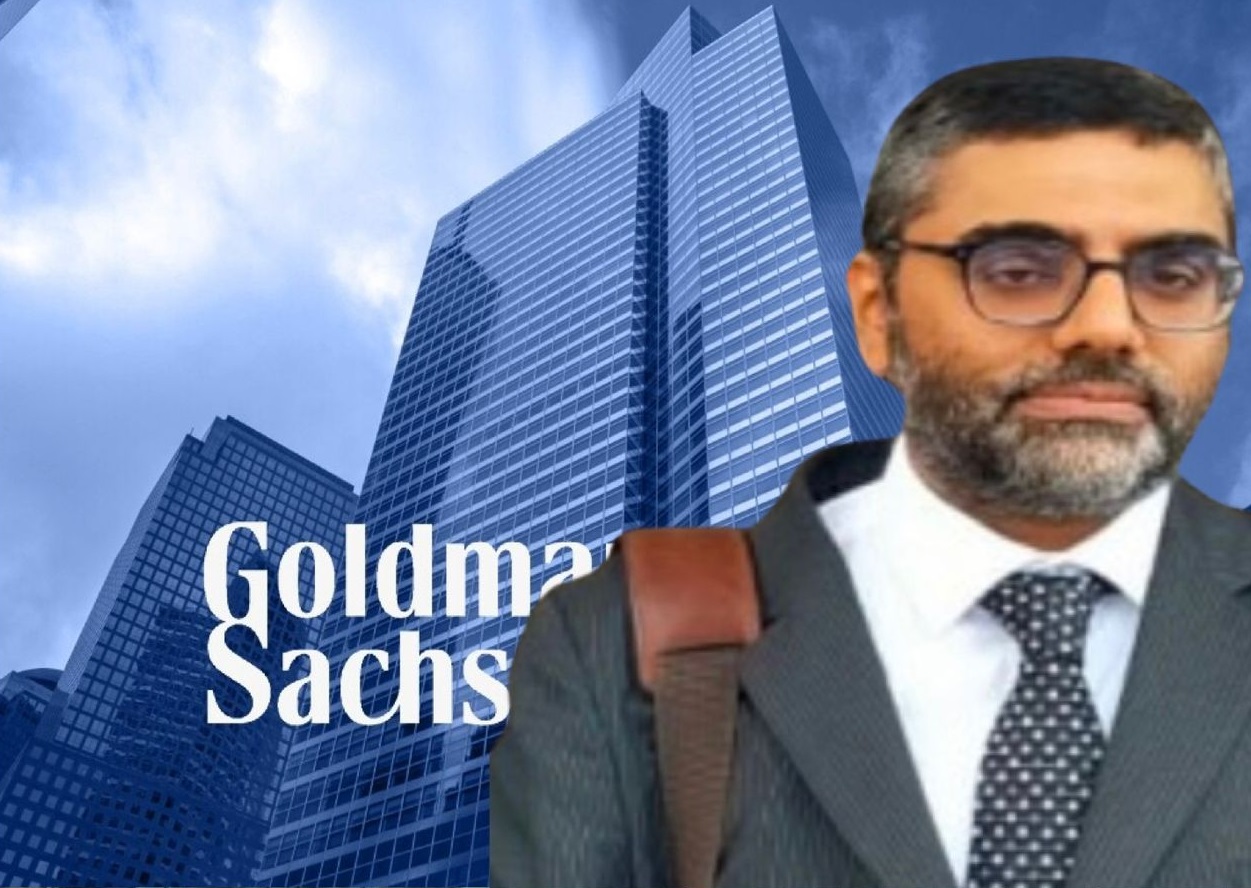
The 1MDB Goldman Sachs scandal represents one of the largest financial and political corruption cases in modern history. At its core, the controversy centers on how Wall Street giant Goldman Sachs raised billions of dollars through bond offerings for 1Malaysia Development Berhad, a state-owned strategic development fund, only for billions of those funds to be systematically embezzled, laundered through the international financial system, and spent on luxury assets, Hollywood films, and political influence.
The Origins and Mandate of 1Malaysia Development Berhad (1MDB)
Established in 2009, 1Malaysia Development Berhad (1MDB) was originally conceived as a strategic investment fund intended to drive long-term economic development for Malaysia through global partnerships and foreign direct investment. Chaired initially by the Malaysian government under then-Prime Minister Najib Razak, the fund succeeded the Terengganu Investment Authority (TIA). Its stated goals included fostering energy development, real estate ventures, and tourism infrastructure. However, unlike traditional sovereign wealth funds that manage national savings surpluses, 1MDB was structured with high levels of debt and minimal institutional oversight from its inception.
The governance structure of 1MDB lacked standard transparency safeguards. While the Ministry of Finance held sole ownership of the fund, the Board of Advisers—headed by Najib Razak in his capacity as Prime Minister and Finance Minister—retained ultimate authority over major strategic decisions, including investments and commitments. This concentration of power created a critical vulnerability, allowing executive management and external intermediaries to bypass internal controls and execute high-risk financial maneuvers under the guise of national economic development.
The Role of Goldman Sachs: Bond Offerings and Advisory Fees
Between 2012 and 2013, Goldman Sachs underwrote three major bond issuances for 1MDB, raising a cumulative total of $6.5 billion. These bonds were ostensibly issued to fund energy projects and infrastructure acquisitions. However, the underwriting process involved staggering fees and unusual financial engineering that later drew intense scrutiny from global regulators.
Goldman Sachs earned approximately $600 million in fees for arranging these bond sales—an extraordinarily high commission rate relative to standard market practices for sovereign or semi-sovereign debt issuances, which typically range between 1% and 2%. The bank argued that these fees compensated it for assuming significant market risk, particularly because it purchased the bonds directly and sold them to investors in a short timeframe. Yet, federal investigators would later reveal that these high fees were a crucial mechanism for generating surplus funds that could be diverted away from public view.
The Three Landmark 1MDB Bond Transactions
| Bond Issuance | Date | Amount Raised | Stated Purpose | Regulatory & Legal Outcome |
|---|---|---|---|---|
| Project Magnolia | May 2012 | $1.75 billion | Acquisition of power assets ( Tanjong Energy) | Diverted funds utilized for personal enrichment and shell company capitalization. |
| Project Maximus | October 2012 | $1.75 billion | Acquisition of Genting Sanyen power plants | Significant portion siphoned through offshore accounts managed by intermediaries. |
| Project Express | March 2013 | $3 billion | Investment in a joint venture with Abu Dhabi's IPIC | Rapidly transferred to overseas accounts within hours of closing; minimal deployment to stated project. |
The Embezzlement Mechanism and the Central Figures
The systematic looting of 1MDB was orchestrated through a sophisticated web of offshore shell companies, Swiss bank accounts, and complex layering techniques designed to obscure the ultimate origin and destination of the funds. The mastermind behind this international financial laundering network was Jho Low, a Malaysian financier and close associate of Najib Razak, who maintained deep informal ties to both 1MDB leadership and senior executives at Goldman Sachs.
Jho Low, along with corrupt 1MDB officials and rogue Goldman Sachs bankers, utilized fraudulent documentation and complicit institutional intermediaries to convince banks that the transferred funds were legitimate investments or collateral payments. Instead of funding Malaysian infrastructure, the money flowed into accounts controlled by Low and his co-conspirators.
These funds financed an extravagant lifestyle and elite patronage networks. Billions were spent acquiring superyachts, high-end real estate in New York, London, and Los Angeles, fine art by masters like Van Gogh and Picasso, and jewelry. Notably, millions were also channeled into Red Granite Pictures, a Hollywood production company that financed the Martin Scorsese film The Wolf of Wall Street.
Regulatory Investigations and Global Enforcement Actions
As reports of missing funds surfaced in investigative reports by media outlets and financial journalists around 2015, international regulatory and law enforcement agencies launched coordinated cross-border investigations. Jurisdictions including the United States Department of Justice (DOJ), the Monetary Authority of Singapore, Swiss financial regulators, and Malaysian authorities began tracing the complex money trails.
The investigations revealed systemic failures in Goldman Sachs' compliance and risk-management protocols. The bank's internal gatekeepers failed to adequately vet Jho Low's involvement and repeatedly overrode red flags raised by compliance officers regarding the origin of funds and the destination of the bond proceeds. Two key Goldman Sachs executives—Tim Leissner, former Southeast Asia chairman, and Roger Ng, former managing director—became central figures in the criminal investigations.
Key Milestones in the Enforcement Process
- 2016–2017 (Asset Forfeiture): The U.S. DOJ filed civil forfeiture lawsuits seeking to recover more than $1 billion in assets acquired with funds stolen from 1MDB, marking one of the largest actions under the Kleptocracy Asset Recovery Initiative.
- 2018 (Criminal Charges and Guilty Pleas): Tim Leissner pleaded guilty to conspiracy to launder money and violate the Foreign Corrupt Practices Act (FCPA). He cooperated with federal prosecutors, providing critical testimony regarding Goldman Sachs' internal culture and knowledge of the illicit schemes.
- 2020 (Deferred Prosecution Agreement): Goldman Sachs Group Inc. reached a landmark settlement with the U.S. DOJ and regulatory authorities in multiple countries, admitting to criminal wrongdoing regarding violations of the FCPA.
- Malaysian Legal Proceedings: Former Prime Minister Najib Razak was tried, convicted, and sentenced in Malaysian courts on multiple charges of corruption, abuse of power, and money laundering related to the 1MDB scandal.
Financial Penalties, Settlements, and Corporate Reorganization
To resolve the criminal and regulatory investigations across the United States, Malaysia, Singapore, the United Kingdom, and Hong Kong, Goldman Sachs agreed to pay staggering financial penalties. In October 2020, the bank entered into a deferred prosecution agreement (DPA) with the U.S. Department of Justice.
Under the terms of the global settlement, Goldman Sachs agreed to pay over $2.9 billion in fines and disgorged profits. This total included a $2.3 billion criminal penalty in the United States, alongside substantial payments to resolve investigations by the Federal Reserve, the Securities and Exchange Commission (SEC), the UK Financial Conduct Authority, and the Monetary Authority of Singapore. Additionally, Goldman Sachs reached a separate $3.9 billion settlement with the government of Malaysia in July 2020, which included a cash payment of $2.5 billion and a guarantee of the return of at least $1.4 billion in assets seized globally.
These financial penalties had a noticeable impact on Goldman Sachs' quarterly earnings reports during 2020, though the firm's massive capital reserves allowed it to absorb the blow without threatening its core operations. Beyond the monetary costs, the scandal forced a comprehensive overhaul of the bank's internal compliance structures, risk assessment frameworks, and vetting processes for high-risk clients and emerging-market sovereign transactions.
Frequently Asked Questions
What was the main role of Goldman Sachs in the 1MDB scandal?
Goldman Sachs acted as the underwriter for three major bond issuances that raised $6.5 billion for 1MDB between 2012 and 2013. The bank earned approximately $600 million in fees for these transactions, but its executives bypassed internal compliance controls, allowing billions of the raised funds to be systematically embezzled by corrupt officials and intermediaries.
How much did Goldman Sachs pay in total fines and settlements?
Goldman Sachs paid over $2.9 billion to U.S. and international regulators as part of a deferred prosecution agreement and regulatory settlements in 2020. Separately, the firm agreed to pay $3.9 billion to the Malaysian government to resolve all criminal and regulatory claims related to the state fund.
Who were the key individuals prosecuted at Goldman Sachs?
Tim Leissner, the former Southeast Asia chairman for Goldman Sachs, pleaded guilty to criminal charges including conspiracy to launder money and violating the Foreign Corrupt Practices Act. Roger Ng, a former managing director at the firm, was also convicted in a U.S. federal court in 2022 for his role in the bribery and money-laundering scheme.
What happened to the funds stolen from 1MDB?
The embezzled funds were channeled through a global network of shell companies and used to purchase luxury real estate, superyachts, fine art, private jets, and jewelry, as well as to finance Hollywood films. Through international asset recovery efforts led by the U.S. Department of Justice and other agencies, billions of dollars in assets have been seized and returned or slated for return to the Malaysian government.
How did the scandal impact Goldman Sachs' business practices?
The scandal exposed severe deficiencies in Goldman Sachs' compliance, vetting, and risk-management protocols. In response, the bank instituted stricter oversight mechanisms, enhanced due diligence requirements for sovereign wealth fund transactions, and tied executive compensation more directly to compliance and ethical behavior.
Conclusion and Ongoing Governance Implications
The 1MDB Goldman Sachs scandal remains a watershed moment for international finance, compliance, and corporate governance. It exposed the vulnerabilities of the global banking system to transnational corruption and demonstrated how easily institutional gatekeepers can be compromised by the pursuit of lucrative advisory fees. For Goldman Sachs, the episode resulted in unprecedented financial penalties, reputational damage, and a permanent transformation of its compliance culture. For the global financial sector, the case serves as a permanent reminder of the critical importance of rigorous due diligence, transparent auditing, and unyielding adherence to anti-corruption statutes across all cross-border transactions.