The ending of 28 Weeks Later depicts the catastrophic failure of the NATO-led containment in London, as the Rage Virus crosses the English Channel into Paris. This cliffhanger left the franchise in a state of cinematic limbo for eighteen years before its eventual 2025 resurrection with the film 28 Years Later.
The Final Descent: Breakdown of the 28 Weeks Later Ending
To understand the shocking fate of the 28 franchise, one must first deconstruct the absolute nihilism of the 28 Weeks Later finale. Directed by Juan Carlos Fresnadillo, the 2007 sequel shifted the focus from the survivalist intimacy of the first film to a large-scale military and systemic collapse. The final act begins in the pitch-black tunnels of the London Underground, a setting that symbolizes the literal and metaphorical "darkness" that has consumed the efforts to rebuild British society.
The protagonist children, Tammy and Andy, are escorted by the medical officer Scarlet through the tunnels to meet the helicopter pilot, Flynn. The tension peaks when Don—the father who abandoned his wife and subsequently became the catalyst for the second outbreak—murders Scarlet in the darkness. This act is not merely a horror trope; it represents the total destruction of the nuclear family. Don, as an "Infected," retains a primal, predatory fixation on his children, eventually biting Andy.
The "shock" of the ending lies in the revelation of Andy’s physiology. Like his mother, Alice, Andy is an asymptomatic carrier of the Rage Virus. He possesses the virus in his bloodstream and saliva but does not exhibit the uncontrollable homicidal rage. When Tammy is forced to shoot their father to save Andy, the children eventually reach Flynn’s helicopter. Flynn, seeing the blood on Andy but unaware of his unique genetic status, allows them on board, flying them across the English Channel toward what they believe is safety in France.
The Paris Cliffhanger and the Global Outbreak
The final moments of 28 Weeks Later are among the most discussed in horror cinema. The film fast-forwards 28 days later. We hear a distress call from Flynn’s abandoned helicopter. The camera pans across a desolate landscape, eventually revealing the Eiffel Tower in the background. A swarm of Infected emerges from a Metro station, sprinting toward the heart of Paris.
This ending serves several narrative purposes:
- The Failure of Containment: It confirms that the "Code Red" protocol—the firebombing of London and the indiscriminate killing of civilians—was an utter failure. The military's attempt to "sanitize" the problem only delayed the inevitable.
- The Evolution of the Threat: By introducing the asymptomatic carrier, the film suggests that the virus no longer needs a visible "outbreak" to spread. It can be transported unknowingly by the very people the survivors are trying to save.
- The End of the Island Narrative: The original 28 Days Later relied on the geographic isolation of Great Britain to suggest that the rest of the world might be safe. 28 Weeks Later shatters this hope, implying a continental, and likely global, extinction event.
For nearly two decades, this was where the story ended. The "shocking fate" of the franchise was its long-term abandonment on this very cliffhanger, leaving fans to wonder for 18 years whether the world truly ended in that Parisian Metro station.
The "Shocking Fate": Why the Franchise Went Dark for 18 Years
Following the release of 28 Weeks Later in 2007, the franchise entered a period of development hell that lasted until the mid-2020s. While the sequel was a financial success and received positive reviews, several factors contributed to the long silence that many assumed was the permanent death of the series.
Rights and Creative Disagreements
The rights to the franchise were split between various entities, including Fox Searchlight (later acquired by Disney) and the original creators, Danny Boyle and Alex Garland. For years, Garland expressed a lack of inspiration for a third installment, famously stating in interviews that he found the "zombie" genre had become oversaturated by properties like The Walking Dead. Without the original creative engine of Boyle and Garland, the franchise lacked the momentum to push past the scripting stage.
The Shift in Horror Trends
The late 2000s and early 2010s saw a shift toward supernatural and "elevated" horror. The fast-running "infected" subgenre, which 28 Days Later pioneered, became a standard trope in big-budget action films like World War Z. This made it difficult for a potential 28 Months Later to feel as groundbreaking as its predecessors.
The 2024 Turning Point
The "fate" of the franchise shifted dramatically in early 2024 when it was officially announced that Danny Boyle and Alex Garland would return for 28 Years Later. This was not just a single film but the start of a new trilogy. This news was shocking because it bypassed the long-rumored 28 Months Later title entirely, opting to reflect the real-world passage of time.
28 Years Later: The 2025/2026 Perspective
As of 2026, we can now evaluate how the franchise handled the "shocking" cliffhanger of the second film. The 2025 release of 28 Years Later chose a fascinating path: it largely treated the Paris outbreak as a historical catalyst rather than the immediate setting. By jumping nearly three decades into the future, the film examines a world that has "normalized" the presence of the Rage Virus.
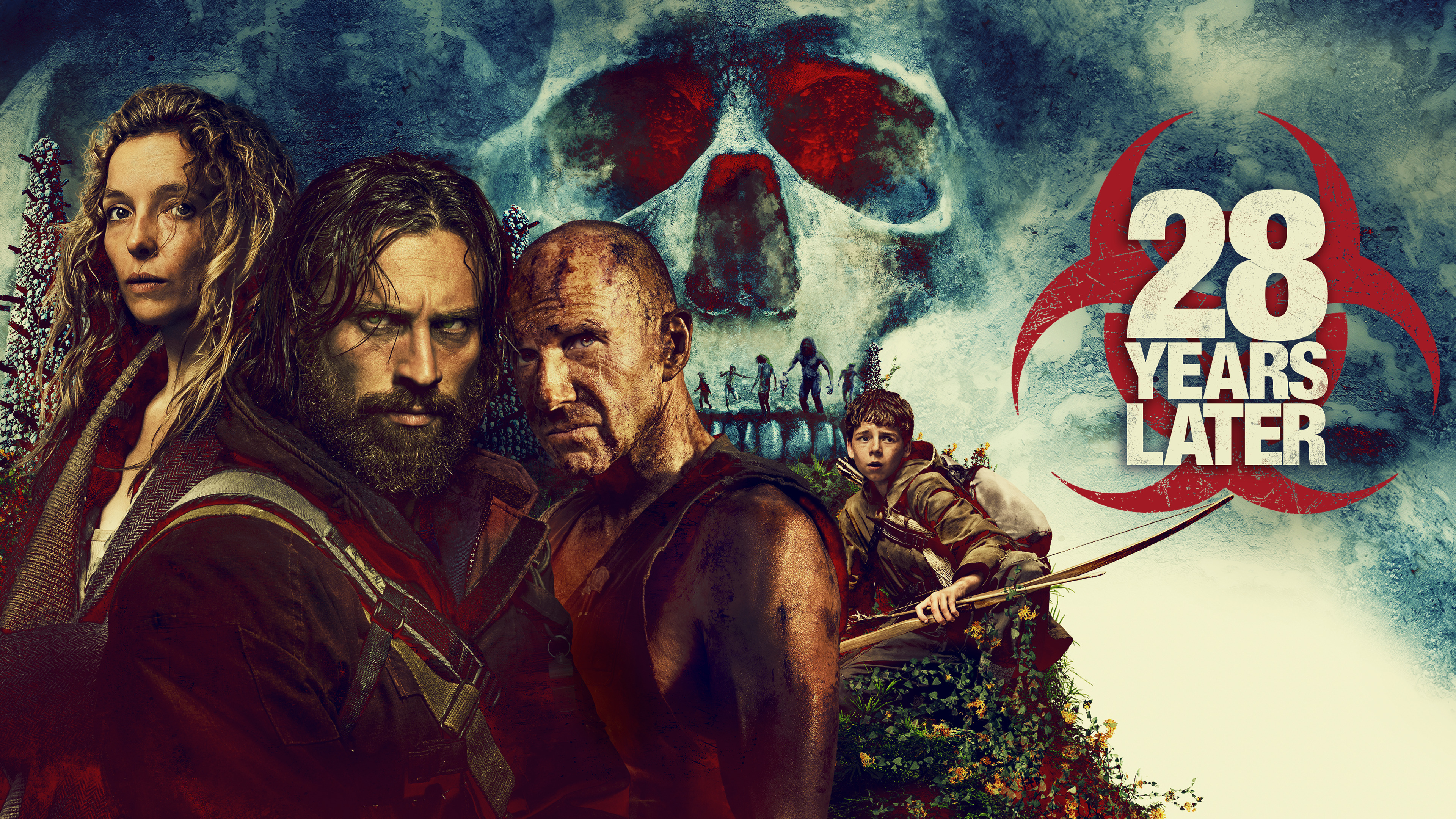
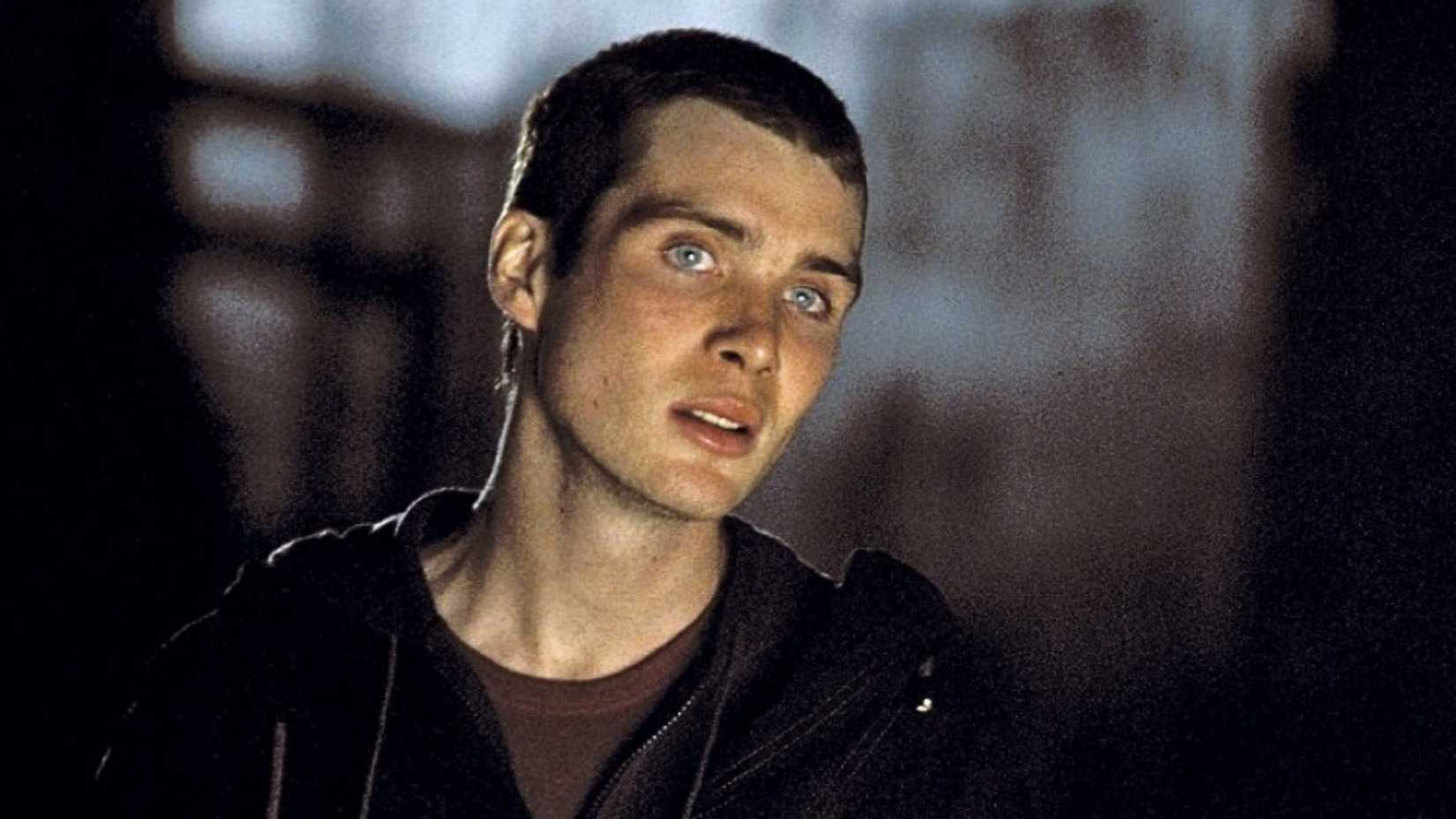
The 2025 film, starring Cillian Murphy (returning as Jim), Jodie Comer, and Aaron Taylor-Johnson, explores the societal structures that have emerged from the ashes of the global collapse. The "shocking fate" revealed in 28 Weeks Later led to a world where human populations are small, isolated, and highly militarized. The transition from Weeks to Years allowed the creators to move away from the "initial outbreak" tropes and into the realm of post-apocalyptic sociopolitical drama.
Comparative Franchise Evolution
| Feature | 28 Days Later (2002) | 28 Weeks Later (2007) | 28 Years Later (2025) |
|---|---|---|---|
| Primary Theme | Survival and isolation | Institutional/Military failure | Societal rebirth and evolution |
| Scope | Regional (London/England) | City-wide (District 1) | Global/Continental |
| The "Infected" | New, terrifying discovery | A contained, then uncontained threat | A permanent part of the ecology |
| Ending Tone | Cautiously optimistic | Utterly nihilistic | Complex and reflective |
| Protagonist | Everyman (Jim) | Children (Tammy/Andy) | Survivors and "New World" citizens |
Cinematic Analysis: Themes of Military Failure and Parental Guilt
The reason the ending of 28 Weeks Later remains so potent in 2026 is its grounding in mid-2000s anxieties. The film serves as a scathing critique of the "Green Zone" mentality prevalent during the Iraq War. The U.S.-led NATO forces in the film are depicted as competent in theory but disastrous in practice. Their "Code Red" solution—killing everyone to save the mission—is a direct commentary on the collateral damage of modern warfare.
Furthermore, the "shocking fate" of the characters is tied to the theme of parental betrayal. Don’t's initial act of cowardice—leaving his wife Alice to die—is what eventually causes the downfall of London. When Alice is found to be an asymptomatic carrier, her presence becomes a biological weapon. Don’s kiss, which infects him, is a twisted version of a romantic reunion. The film posits that the "Rage" is not just a virus but a manifestation of the underlying sins of the parents being visited upon the children.
The Asymptomatic Carrier: A Technical Explanation
A major point of confusion for many viewers is how Andy and Alice could carry the virus without "turning." In the lore of the franchise, the Rage Virus is a highly mutated strain of Ebola/rabies that affects the limbic system of the brain, specifically the amygdala, triggering a permanent state of fight-or-flight.
Alice and Andy possess a genetic mutation (signified by their heterochromia—two different colored eyes) that prevents the virus from crossing the blood-brain barrier in a way that triggers the "Rage" response. However, the virus remains active in their mucosal membranes. This makes them "Typhoid Mary" figures. They are the ultimate threat to humanity because they look, act, and feel human, yet a single kiss or accidental scratch can destroy a civilization.
This biological detail was the key to the franchise's "shocking" longevity. It moved the series from a simple monster movie to a complex exploration of genetics and unintentional betrayal.
Frequently Asked Questions
Did everyone in Paris die at the end of 28 Weeks Later?
While the film implies a massive outbreak in Paris, it does not explicitly show the total extinction of the city. However, given the speed of the Rage Virus (10–20 seconds for transformation) and the density of Paris, it is logically inferred that the city fell as quickly as London did. This set the stage for the global collapse mentioned in the 2025 sequel.
Is Andy the main character in the 28 Years Later trilogy?
The 2025 film 28 Years Later focuses on new characters while bringing back Cillian Murphy's Jim. While Andy's fate is a significant piece of lore, the new trilogy treats the events of the "Weeks" era as the "Dark Ages" of their history, focusing more on the long-term survival of the human species rather than a direct continuation of Tammy and Andy’s journey.
Why did the virus come back if it was supposed to have starved out?
In the first film, the infected eventually starve to death because they do not eat; they only attack. In 28 Weeks Later, the original infected did starve. The new outbreak was caused by Alice, the asymptomatic carrier, who had survived and was still harboring the live virus. This proved that the virus could lie dormant in a human host, making "starving it out" an impossible strategy if even one carrier remained.
Who directed the 2025 sequel?
Danny Boyle returned to direct 28 Years Later, with Alex Garland returning as the screenwriter. This reunion was the primary reason the franchise was able to overcome its 18-year hiatus and successfully relaunch as a trilogy.
Does the Rage Virus affect animals?
In the original films, the virus was shown to be transmissible to primates (the initial lab chimps). While there was debate about birds or dogs, the franchise has generally focused on human-to-human transmission to maintain the tension of societal collapse.
Final Recommendation for Fans
If you are revisiting the 28 franchise in 2026, the best approach is to view 28 Weeks Later as a bridge between the intimate horror of the original and the sprawling epic of the new trilogy. The ending of 28 Weeks Later is no longer a "dead end" but a pivotal moment of transition.
To fully grasp the scope of the series, watch the films in chronological release order rather than narrative order. This allows you to appreciate how the filmmaking styles evolved from the gritty, digital-video aesthetic of 2002 to the high-intensity military horror of 2007, and finally to the cinematic maturity of the 2025 revival. The "shocking fate" of the franchise was not its ending, but its ability to remain relevant across three decades of changing horror landscapes.