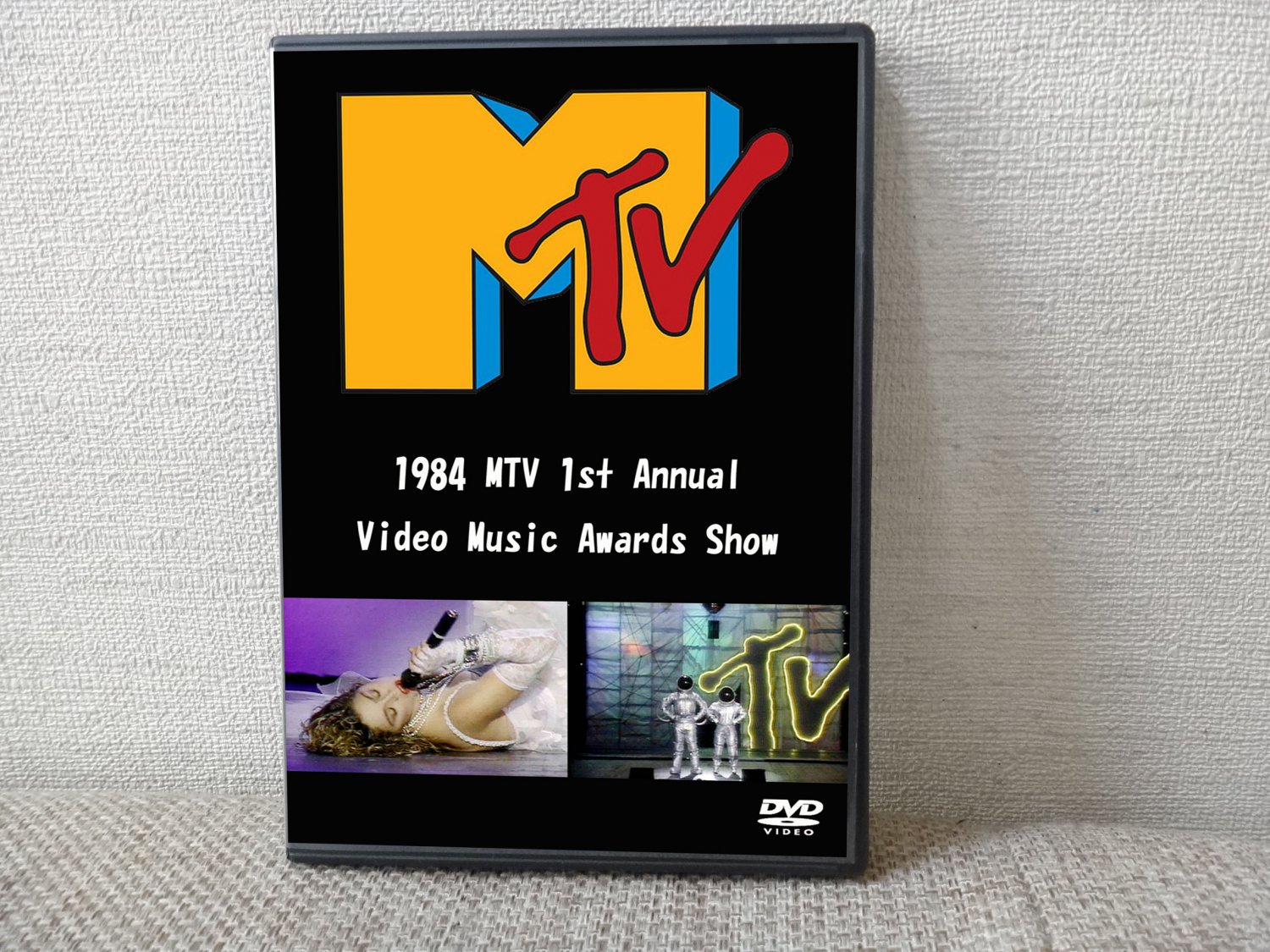
The 1984 MTV Video Music Awards marked the inaugural ceremony for the network, establishing a foundational pop culture milestone by celebrating the music video medium with historic performances like Madonna's wedding dress rendition of "Like a Virgin" and presenting the first-ever Video Vanguard Award to innovators like The Beatles and David Bowie.
Introduction to the Inaugural MTV Video Music Awards
In the early 1980s, Music Television (MTV) revolutionized the music industry by transforming audio tracks into cinematic visual narratives. By 1984, the network had grown from a fledgling cable experiment into a massive cultural phenomenon capable of dictating pop music charts. To celebrate and cement this influence, MTV conceived the Video Music Awards (VMAs). Held on September 14, 1984, at Radio City Music Hall in New York City, the first-ever VMAs set a high standard for live television spectacle, unpredictability, and artistic expression.
Co-hosted by music icons Dan Aykroyd and Bette Midler, the ceremony was designed to mirror the prestige of traditional award shows like the Grammys or the Oscars while retaining the edgy, youth-oriented attitude of the network. The event did not merely honor the top music videos of the previous year; it created an entirely new platform for artists to market their personas, provoke public conversation, and stage unforgettable live moments. Understanding the 1984 VMAs requires examining the cultural landscape of the era, the technical constraints of early music television, the standout performances that defined the night, and the lasting legacy of the ceremony on modern entertainment.
The Cultural Landscape of 1984 and the Rise of MTV
To fully appreciate the significance of the 1984 VMAs, one must understand the unique media ecosystem of the early 1980s. Cable television was expanding rapidly across suburban and urban American households, and MTV had become the primary arbiter of cool for teenagers and young adults. Before MTV, an artist's success depended almost entirely on radio airplay, live touring, and printed press. Overnight, the music video became the most critical promotional tool in the industry.
Record labels quickly realized that a high-concept, visually striking video could turn an obscure track into a global smash hit. Directors began experimenting with narrative structures, avant-garde cinematography, and advanced editing techniques that mirrored feature films. Artists who embraced this visual shift—such as Michael Jackson, Madonna, Cyndi Lauper, and Herbie Hancock—found themselves at the center of a cultural revolution.
However, this new medium also highlighted deep disparities in the industry. During its initial years, MTV faced persistent criticism for rarely playing music videos by Black artists, a barrier famously challenged by the massive commercial success and heavy rotation of Michael Jackson’s "Billie Jean" and "Thriller" videos. The 1984 VMAs arrived at a time when the medium was maturing rapidly, shifting from simple performance clips to elaborate, cinematic mini-movies. The awards show served as a victory lap for an industry that had successfully navigated the convergence of sound, vision, and technology.
Venue, Hosts, and Production: Radio City Music Hall
Choosing Radio City Music Hall in New York City as the venue for the inaugural ceremony was a deliberate statement of intent. Rather than opting for a traditional television studio or a standard concert arena, MTV selected one of the most prestigious, historic performance spaces in the world. This juxtaposition of high-art grandeur and counter-cultural youth music defined the tone of the evening.
The pairing of Dan Aykroyd and Bette Midler as co-hosts provided a blend of sharp comedic timing and theatrical showmanship. Aykroyd, fresh off his success with Ghostbusters, and Midler, known for her bombastic stage presence and quick wit, kept the pacing brisk and unpredictable. The production design leaned heavily into the industrial aesthetic of the early 1980s, utilizing neon lighting, minimalist geometric structures, and cutting-edge video walls that showcased clips of the nominated works.
Producing a live awards show dedicated entirely to music videos presented unique technical challenges. Directors had to seamlessly transition between live stage performances, pre-recorded video clips, and live audience reactions while managing satellite feeds and complex audio routing. Despite the technical hurdles of 1984 television broadcasting, the production achieved a slick, fast-paced rhythm that established the template for subsequent MTV broadcasts for decades to come.
Historic Performances That Defined the Night
While the competitive awards generated significant industry interest, the live performances at the 1984 VMAs cemented the ceremony's place in television history. Artists understood that a single live appearance on the VMA stage could eclipse the impact of any standard concert tour.
Madonna’s "Like a Virgin"
The most legendary moment of the evening came when Madonna performed her breakthrough hit "Like a Virgin." Emerging from the top of a giant multi-tiered wedding cake dressed in a wedding gown complete with a "Boy Toy" belt buckle, Madonna rolled around the stage, simulating provocative choreography. At the time, network executives and producers were reportedly panicked by the avant-garde staging and sexualized performance, fearing it would ruin her career. Instead, the performance instantly catapulted Madonna from a rising pop act into a global superstar, establishing her trademark mastery of provocation and media manipulation.
Herbie Hancock’s "Rockit"
Jazz-fusion and electronic pioneer Herbie Hancock delivered a visually and musically stunning performance of his track "Rockit." Accompanied by scratch DJ Grandmixer D.ST and robotic breakdancers, the performance brought hip-hop culture and turntable scratching directly to a mainstream, upscale television audience at Radio City Music Hall. The integration of electronic instrumentation, scratching, and robotic movement showcased MTV's willingness to embrace emerging, underground urban art forms alongside traditional pop music.
Other Notable Acts
The evening also featured performances by artists like Rod Stewart, Tina Turner, and Ray Parker Jr., who performed his massive chart-topping theme song from Ghostbusters. Each artist brought a distinct visual style to the stage, reinforcing the central thesis of the awards: that music was no longer just an auditory experience, but a multidisciplinary spectacle.
The Nominees and Winners: Major Categories
The competitive categories at the 1984 VMAs reflected the commercial dominance and artistic innovation of a select group of artists. The nominations were chosen by a panel of music industry professionals, critics, and MTV executives, while the categories themselves were structured to highlight various facets of video production, including direction, choreography, and special effects.
The most prestigious prize of the night, Video of the Year, pitted several era-defining clips against one another. The nominees represented the pinnacle of 1980s music video artistry.
| Artist | Song | Director | Notable Achievement |
|---|---|---|---|
| The Cars | "You Might Think" | Kramer/Roll | Won Video of the Year |
| Michael Jackson | "Thriller" | John Landis | Nominated for multiple technical awards |
| Herbie Hancock | "Rockit" | Godmilow/Hancock | Won multiple technical and performance categories |
| Cyndi Lauper | "Girls Just Want to Have Fun" | Edd Griles | Won Best Female Video |
| The Police | "Every Breath You Take" | Godley & Creme | Won Best Group Video and Best Cinematography |
The Cars and "You Might Think"
The grand prize of Video of the Year went to The Cars for "You Might Think," directed by Zaremba/Gore (often credited as Godmilow/Hancock or standard visual teams of the era). The video utilized pioneering computer graphics, early green screen effects, and whimsical stop-motion animation, showing frontman Ric Ocasik appearing in various bizarre scenarios to win the affection of a woman. Beating out cultural juggernauts like Michael Jackson’s "Thriller," the win underscored the academy's appreciation for technical innovation and playful humor in music video direction.
Michael Jackson’s "Thriller" Omission and Impact
Though Michael Jackson’s "Thriller"—directed by John Landis—was arguably the most culturally significant music video of the 20th century, its late eligibility window and complex distribution history meant it competed primarily in specialized and technical categories rather than sweeping the main broadcast. Nevertheless, Jackson's influence hung heavy over the entire ceremony, proving that narrative-driven, cinematic music videos were the future of pop music marketing.
The Inaugural Video Vanguard Award
One of the most enduring legacies of the 1984 VMAs was the introduction of the Michael Jackson Video Vanguard Award (though initially simply named the Video Vanguard Award before being renamed in honor of Jackson in 1991). This honorary prize was created to recognize artists who had made a profound, lasting impact on the art form of the music video and MTV's cultural footprint.
The very first recipients of the Vanguard Award were:
- The Beatles: Honored for their pioneering 1960s promotional clips and musical films like A Hard Day's Night and Magical Mystery Tour, which laid the conceptual groundwork for the modern music video.
- David Bowie: Recognized for his chameleon-like visual transformations, theatrical personas, and innovative conceptual videos throughout the 1970s and early 1980s.
- Richard Lester: Celebrated as a visionary director whose work with The Beatles and innovative editing styles directly influenced the fast-paced visual language adopted by early music television.
Presenting these awards on the inaugural night anchored the new medium in music history, connecting contemporary 1980s pop stars to the foundational rock and pop innovators of previous decades.
| Recipient | Primary Contribution to Visual Music |
|---|---|
| The Beatles | Pioneering promotional clips and cinematic music integration |
| David Bowie | Theatrical persona evolution and conceptual visual art |
| Richard Lester | Rapid-fire editing and foundational music film direction |
Controversies and Unscripted Moments
Live television is inherently unpredictable, and the 1984 VMAs had their share of unscripted moments, technical glitches, and behind-the-scenes drama that added to the raw authenticity of the broadcast.
One of the most widely discussed incidents involved Cyndi Lauper’s acceptance speech for Best Female Video. Known for her eccentric fashion and thick Queens accent, Lauper used her time at the microphone to advocate for creative freedom and artistic integrity, while also accidentally dropping an unscripted exclamation that left network censors scrambling.
Additionally, tensions ran high backstage due to intense rivalries among record labels and artists vying for dominance in the nascent video marketplace. Executives from rival labels monitored the broadcast closely, realizing that a win or a memorable performance could translate directly into millions of dollars in physical record and cassette sales the following week.
Furthermore, the avant-garde nature of many nominated videos led to debates among conservative cultural commentators regarding the appropriateness of certain visual imagery on television. Madonna’s wedding dress performance, in particular, drew sharp criticism from traditional media outlets, yet this backlash only served to fuel public interest and cement the event's notoriety.
Long-Term Impact and Legacy on Entertainment Media
The 1984 MTV Video Music Awards fundamentally altered the landscape of the entertainment industry. By proving that an award show could be built entirely around promotional music videos, MTV created a lucrative, highly rated annual television property that rivaled traditional network broadcasts in cultural relevance and advertising revenue.
Several key developments trace their origins directly to the 1984 ceremony:
- The Eventization of Music Releases: Artists learned to time the premiere of major music videos and promotional stunts specifically around television events, turning routine product rollouts into cultural tentpoles.
- The Rise of Performance Art in Pop: The ceremony established that pop stars needed to be multidisciplinary performers capable of executing theatrical, highly stylized live shows that could generate headlines the next morning.
- Validation of the Medium: By honoring directors, cinematographers, and editors alongside recording artists, the VMAs legitimized the music video as a distinct, respected cinematic art form rather than mere advertising filler.
As the decades progressed, the VMAs evolved through various stylistic shifts, moving from the rock-and-pop-heavy aesthetic of the 1980s to incorporate hip-hop dominance, internet culture, and digital streaming integration. However, the foundational DNA of the show—unpredictable live moments, boundary-pushing fashion, and high-stakes musical spectacles—remained entirely intact, anchored by the precedent set on a September night at Radio City Music Hall.
Frequently Asked Questions
Who hosted the first MTV Video Music Awards in 1984?
The inaugural ceremony was co-hosted by actor and comedian Dan Aykropy and legendary singer and actress Bette Midler. Their comedic rapport and theatrical styling provided a high-energy framework for the live broadcast.
Which video won Video of the Year at the 1984 VMAs?
The Cars won the coveted Video of the Year award for their innovative, computer-graphics-heavy clip "You Might Think," directed by Zaremba/Gore, beating out other major nominees of the era.
Who received the first Video Vanguard Awards?
The first-ever Video Vanguard Awards were presented to rock pioneers The Beatles, musical chameleon David Bowie, and visionary director Richard Lester to honor their foundational contributions to visual music media.
Why was Madonna's 1984 VMA performance controversial?
Madonna performed "Like a Virgin" while emerging from a giant wedding cake dressed in a wedding gown and a "Boy Toy" belt, incorporating provocative choreography that challenged contemporary television standards and propelled her to superstardom.
Where were the 1984 VMAs held?
The ceremony took place at the prestigious Radio City Music Hall in New York City, chosen to give the youth-oriented cable network event a sense of historic grandeur and mainstream legitimacy.
Conclusion and Next Actions
The 1984 MTV Video Music Awards were far more than a simple television broadcast; they served as the coming-out party for an entire industry built on the marriage of sound and vision. By successfully blending high-art venue prestige with counter-cultural pop audacity, the ceremony established a blueprint for modern pop culture events. For media scholars, music historians, and fans of 1980s pop culture, exploring the archival footage, original broadcast segments, and directorial breakdowns of the 1984 VMAs offers a fascinating window into the exact moment when the music video became the dominant currency of modern entertainment. To dive deeper, explore contemporary reviews from 1984 music publications or examine the complete filmographies of the pioneering video directors who shaped the era.