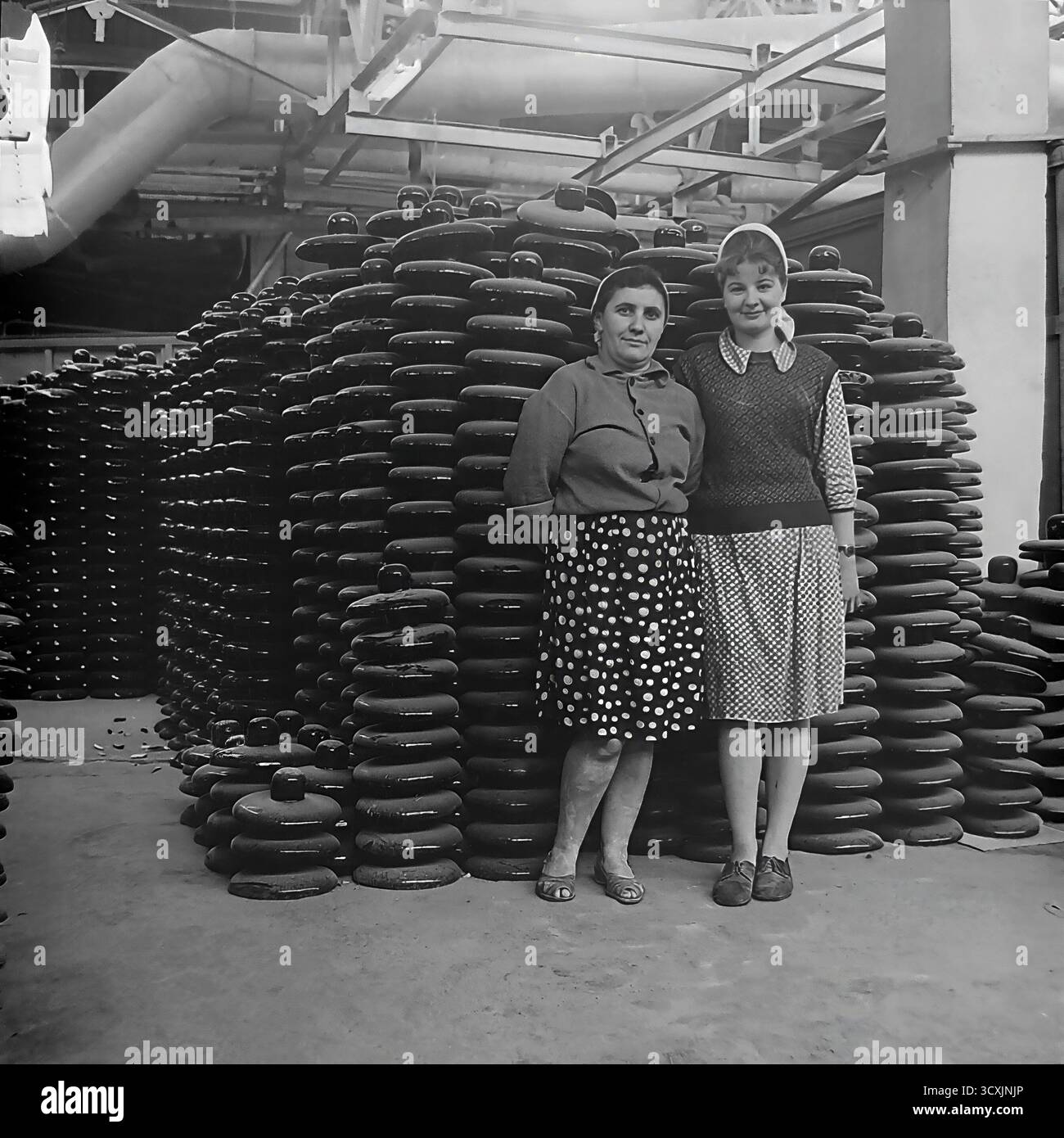
The 1980s was a transformative decade for the global workforce, defined by rapid technological innovation, major deregulation, shifting economic policies, and the birth of modern corporate culture. Understanding 1980s work requires examining how microcomputing, the rise of the service economy, and changing labor relations reshaped professional environments, laying the groundwork for contemporary workplace dynamics.
The Economic and Industrial Landscape of the 1980s
The economic environment of the 1980s was characterized by a dramatic transition from heavy manufacturing to a service- and information-oriented economy, particularly in Western nations. This structural shift altered the nature of employment, regional labor markets, and the stability of traditional career paths.
Deindustrialization and the Decline of Manufacturing
The early 1980s experienced severe recessions in the United States, the United Kingdom, and parts of Western Europe. High interest rates, implemented to combat the inflation of the previous decade, decimated traditional manufacturing sectors like steel, automotive production, and textiles.
- Rust Belt Realities: Industrial centers faced massive layoffs, plant closures, and prolonged unemployment. Unions lost substantial leverage as companies relocated operations to non-unionized regions or overseas.
- Structural Unemployment: Workers displaced from assembly lines often lacked the technical skills required for emerging office and technology roles, leading to long-term economic distress in working-class communities.
- Policy Shifts: The administration of U.S. President Ronald Reagan and the government of U.K. Prime Minister Margaret Thatcher championed free-market capitalism, deregulation, and privatization, which accelerated industrial restructuring and diminished the role of organized labor.
The Rise of the Service and Information Economy
While manufacturing contracted, the service sector expanded exponentially. Financial services, consulting, marketing, and real estate boomed, fueled by deregulation in banking and telecommunications.
- White-Collar Expansion: Corporate headquarters grew in size and complexity, creating millions of administrative, managerial, and professional positions.
- The Financial Sector Boom: Wall Street and international financial markets experienced unprecedented growth, popularized by the culture of high finance, mergers and acquisitions, and aggressive corporate restructuring (often referred to colloquially through archetypes such as the "corporate raider").
- Urban Gentrification: Major metropolitan areas transformed as corporate towers replaced industrial warehouses, altering urban demographics and commuting patterns.
Technological Disruptions: The Personal Computer Enters the Office
Perhaps the most enduring legacy of 1980s work was the introduction and widespread adoption of information technology. The typewriter and the ledger were rapidly phased out, replaced by desktop computing and early networking tools.
The Microcomputer Revolution
The introduction of the IBM Personal Computer (PC) in 1981, alongside Apple’s earlier innovations and the Macintosh in 1984, fundamentally altered daily office tasks.
- Spreadsheets and Word Processing: Software applications such as Lotus 1-2-3 (released in 1983) and WordPerfect revolutionized data analysis and document creation. Tasks that previously required teams of typists or accountants could now be completed by individual professionals.
- Office Automation: Electronic mail (email) began appearing in large corporate and academic settings, while fax machines became ubiquitous communication tools, accelerating the speed of business transactions.
- Resistance and Adaptation: The integration of computers met initial resistance from older workers accustomed to manual processes. "Computer literacy" emerged as a vital employment prerequisite, giving rise to corporate training programs and night school courses.
| Technology/Tool | Primary Function in the 1980s | Pre-1980s Equivalent | Impact on Productivity |
|---|---|---|---|
| IBM PC & Compatibles | General office computing, word processing, and database management | Manual typewriters, paper ledgers, mainframe terminals | Exponentially faster document revision and data calculation |
| Lotus 1-2-3 | Financial modeling, budgeting, and data analysis | Hand-drawn columnar pads and mechanical calculators | Allowed dynamic forecasting and rapid scenario testing |
| The Fax Machine | Instant transmission of document images over telephone lines | Physical mail, courier services, or telex | Reduced document delivery times from days to minutes |
| Cellular Phones (Brick Phones) | Mobile voice communication for executives and mobile workers | Fixed landlines and pagers | Enabled continuous availability outside the physical office |
Corporate Culture, Compensation, and the "Yuppie" Ethos
The cultural ethos of 1980s work placed a heavy emphasis on individual ambition, financial success, and corporate loyalty—or the lack thereof, as restructuring made lifelong tenure at a single company increasingly rare.
The Rise of the Young Urban Professional
The decade popularized the archetype of the "yuppie" (young urban professional)—ambitious, college-educated careerists working in finance, law, advertising, and technology.
- Workaholism as a Status Symbol: Long hours at the office became a badge of honor. The concept of the "workaholic" entered mainstream vocabulary, accompanied by high-stress corporate environments.
- Compensation and Perks: Executive compensation surged, and performance-based bonuses became standard. Perks such as company cars, expense accounts, and corner offices symbolized corporate hierarchy and achievement.
- Corporate Dress Codes: Power dressing defined professional appearance. Men wore structured, double-breasted suits with bold ties (often referred to as "power ties"), while women entered corporate management in large numbers, adopting tailored suits with prominent shoulder pads to establish authority in male-dominated spaces.
Changing Gender Dynamics and the Glass Ceiling
The 1980s marked a crucial period for women in the workforce. By the middle of the decade, women made up nearly half of the labor force in industrialized nations, driven by higher educational attainment and delayed marriage rates.
- Professional Advancement: Women secured positions in middle and upper management in unprecedented numbers, though a pronounced "glass ceiling" remained at the executive level.
- The "Superwoman" Ideal: Media and cultural narratives promoted the expectation that women could successfully manage demanding corporate careers while maintaining traditional domestic responsibilities.
- Combating Discrimination: Legal frameworks prohibiting sex discrimination and sexual harassment began to mature, though institutional barriers and unequal pay persisted throughout the decade.
Labor Relations, Unions, and the Changing Social Contract
The relationship between employer and employee shifted dramatically during the 1980s, marked by a decline in collective bargaining power and the erosion of the traditional corporate paternalism that had characterized the post-World War II era.
The Decline of Organized Labor
Labor unions faced coordinated political opposition and economic headwinds.
- The PATCO Strike (1981): The firing of over 11,000 striking air traffic controllers by U.S. President Ronald Reagan sent a clear signal to the private sector that aggressive anti-union tactics would face little federal resistance.
- Concession Bargaining: Unions frequently agreed to wage freezes, benefit reductions, and flexible work rules to prevent plant closures and massive layoffs.
- Membership Erosion: Private sector union membership plummeted throughout the decade, reducing the political and economic influence of organized labor in national policymaking.
The Shift Toward Corporate Restructuring
Mergers, acquisitions, and leveraged buyouts (LBOs) dominated the corporate landscape of the late 1980s. Companies were frequently bought, stripped of assets, or restructured to maximize short-term shareholder value.
- Job Insecurity: The era of the "organization man"—who expected to spend forty years at one company and retire with a secure pension—came to an end. Layoffs and downsizings affected white-collar middle management just as severely as blue-collar workers.
- Rise of Outsourcing: Companies began contracting out non-core functions, such as janitorial services, security, and data entry, initiating the modern trend toward contingent and flexible labor arrangements.
Common Misconceptions About 1980s Work
Popular culture often portrays 1980s work through stylized depictions of Wall Street excess, neon-lit offices, and brick-sized mobile phones. While these elements existed for specific segments of the workforce, they do not reflect the complete historical reality.
- Misconception: Everyone worked in finance or high-tech. In reality, the vast majority of workers were employed in traditional retail, healthcare, education, administration, and manufacturing sectors that experienced the standard economic pressures of the era.
- Misconception: Computers were on every desk. While personal computers transformed white-collar work, many offices well into the late 1980s still relied heavily on electric typewriters, carbon paper, and physical filing systems.
- Misconception: The gig economy was invented then. While outsourcing and contracting grew, the vast majority of workers were still bound by traditional full-time employment contracts with standard benefits.
Frequently Asked Questions About 1980s Work
What impact did personal computers have on 1980s office workers?
Personal computers eliminated repetitive manual calculations and typing tasks, dramatically increasing document accuracy and processing speed. They required workers to acquire basic technical literacy, shifting the skill requirements for administrative and professional roles permanently.
How did the role of women in the workplace change during the 1980s?
Women entered professional and managerial tracks in record numbers, challenging traditional occupational segregation. While they achieved significant gains in middle management, systemic barriers and the gender wage gap remained significant obstacles at executive levels.
Why did labor unions decline in the 1980s?
Union membership declined due to a combination of deindustrialization, aggressive political opposition from conservative governments, corporate restructuring, and the growth of the non-unionized service and information sectors.
What was a "yuppie" in the context of 1980s employment?
A "yuppie" (young urban professional) was a cultural archetype representing ambitious, career-driven young people working in high-paying urban sectors like finance, law, and marketing, known for emphasizing consumer status, long work hours, and financial success.
How did corporate dress codes evolve during this decade?
Corporate dress codes emphasized formal power dressing. Men wore conservative suits with bold power ties, while women adopted tailored business suits featuring pronounced shoulder pads to project professional authority in corporate environments.
Practical Recommendations for Historical Research and Analysis
When researching or analyzing 1980s work environments for academic, professional, or creative projects, ensure accuracy by examining primary economic data, labor statistics, and trade publications from the era rather than relying solely on retrospective fictional portrayals. Cross-reference technological adoption rates by industry, as the transition from analog to digital processes occurred at vastly different speeds in Wall Street firms compared to regional manufacturing plants or small businesses.