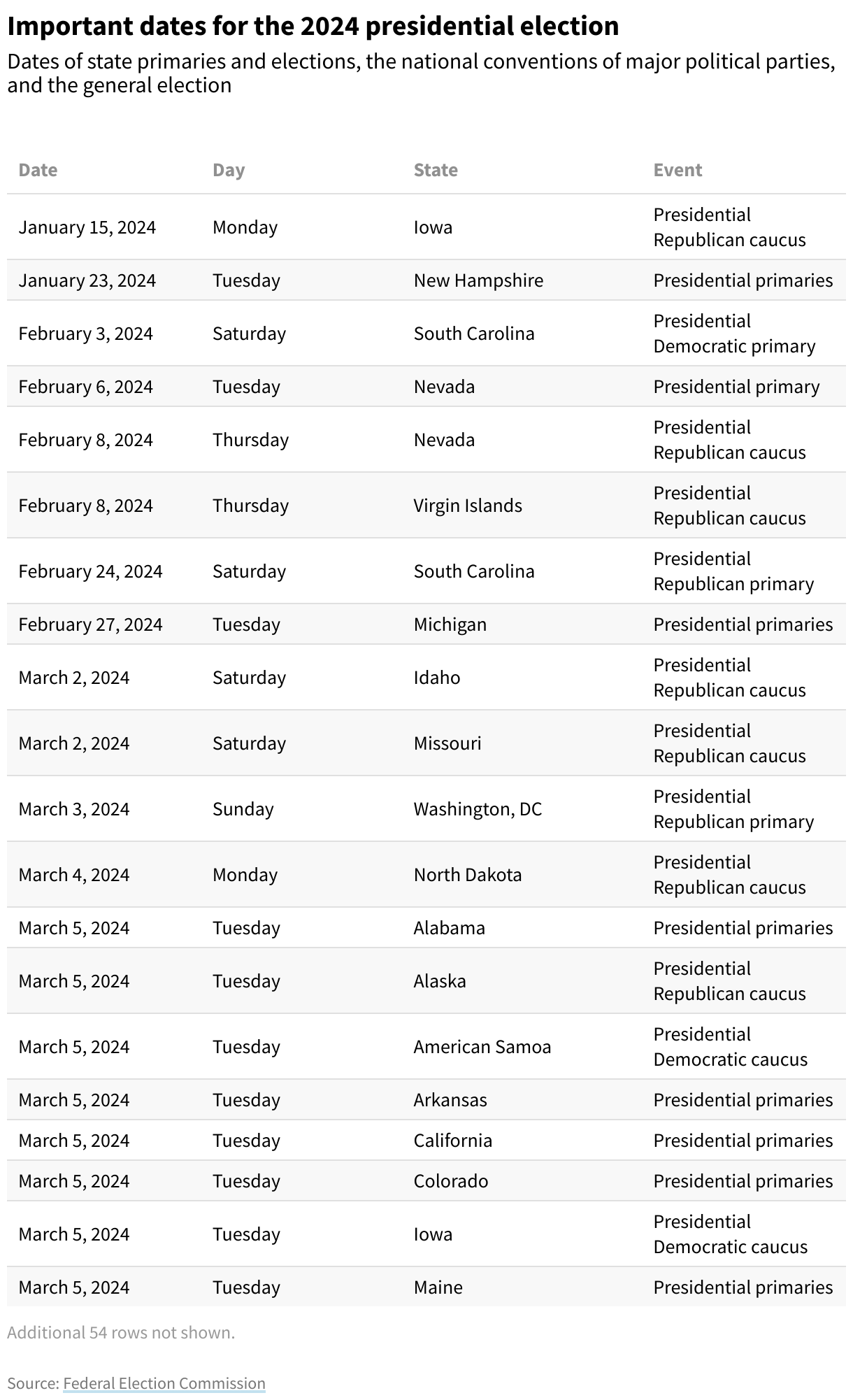
The 2024 United States presidential election unfolded through a structured constitutional and political calendar, beginning with primary caucuses and state primaries in early 2024, progressing through major party national conventions in the summer, nationwide general election debates, and culminating on Election Day on November 5, 2024.
Introduction to the 2024 United States Presidential Election Cycle
The 2024 US presidential election cycle represents one of the most thoroughly documented and scrutinized political events in modern history. Understanding how this process unfolded requires examining the intersection of constitutional mandates, statutory election laws, party primary systems, and modern media reporting. Although the election concluded with the victory of Donald Trump and the selection of JD Vance as Vice President-elect, reviewing the key dates, candidate fields, and major milestones provides critical context for how the American electoral system operates under pressure.
From the opening caucuses in Iowa to the certification of votes in Congress, the 2024 election followed a timeline dictated by state and federal law. This comprehensive review breaks down the chronological progression, major candidates from both major parties and independent movements, key operational milestones, and the legal framework that governed the entire cycle.
Chronological Timeline and Key Dates of the 2024 Election
The 2024 election cycle did not happen overnight; it was a multi-year process that accelerated significantly in January 2024 and concluded with the presidential inauguration. Navigating this timeline requires looking at distinct phases: the primary season, the convention period, the general election campaign, and the post-election transition.
Primary and Caucus Season (January – June 2024)
The race to secure major party nominations began in earnest at the start of 2024, establishing which individuals would ultimately represent the Democratic and Republican parties on the general election ballot.
- January 15, 2024: The Iowa Republican caucuses officially kicked off the voting phase, resulting in a decisive victory for Donald Trump and setting the tone for the rest of the Republican primary.
- January 23, 2024: The New Hampshire primary provided further clarity, with Donald Trump winning the Republican contest and President Joe Biden winning the Democratic primary via a write-in campaign.
- March 5, 2024: Super Tuesday saw voters in more than a dozen states cast ballots simultaneously, effectively solidifying Donald Trump's dominance on the Republican side and clearing the path for Joe Biden on the Democratic side.
- March 12, 2024: Both Joe Biden and Donald Trump officially secured enough delegates to win their respective parties' presumptive nominations, transforming the remainder of the primary calendar into a formality.
National Conventions and Platform Adoption (July – August 2024)
Party conventions serve as the official mechanisms for nominating presidential and vice-presidential candidates and unifying the party base.
- July 15–18, 2024: The Republican National Convention took place in Milwaukee, Wisconsin. During this convention, Donald Trump formally accepted the Republican nomination and announced Ohio Senator JD Vance as his vice-presidential running mate. This event occurred shortly after an assassination attempt against Trump in Butler, Pennsylvania, heavily influencing the convention's tone and security posture.
- August 19–22, 2024: The Democratic National Convention was held in Chicago, Illinois. Following a historic decision by President Joe Biden in July 2024 to end his re-election campaign and endorse Vice President Kamala Harris, the DNC officially nominated Kamala Harris for president and Minnesota Governor Tim Walz for vice president.
General Election Campaign and Debates (September – November 2024)
The general election phase featured high-stakes debates, unprecedented shifts in the Democratic ticket, and intense nationwide campaigning in swing states.
- June 27, 2024: A pivotal presidential debate hosted by CNN in Atlanta, Georgia, raised widespread concerns regarding Joe Biden's debate performance and age, ultimately leading to his withdrawal from the race on July 21, 2024.
- September 10, 2024: The first and only presidential debate between Kamala Harris and Donald Trump took place, hosted by ABC News in Philadelphia, Pennsylvania.
- October 1, 2024: The vice-presidential debate between JD Vance and Tim Walz took place, hosted by CBS News in New York City.
- November 5, 2024: Election Day. Millions of Americans cast their ballots across the country in person and through absentee or mail-in voting.
Major Candidates and Political Parties
The 2024 presidential field featured established political figures, historic shifts within major parties, and notable third-party and independent candidates who sought to capture voter discontent with the two-party system.
Republican Party Ticket
- Donald Trump: Former U.S. President (2017–2021) who ran on an "America First" platform focused on economic protectionism, strict border security, and conservative judicial appointments.
- JD Vance: U.S. Senator from Ohio, selected as the vice-presidential nominee to bolster working-class appeal in the Rust Belt and advocate for populist-conservative policies.
Democratic Party Ticket
- Kamala Harris: Vice President of the United States (2021–2025) and former U.S. Senator and Attorney General of California. She became the Democratic nominee following Joe Biden's withdrawal, running on a platform protecting reproductive rights, strengthening the middle class, and preserving democratic norms.
- Tim Walz: Governor of Minnesota and former U.S. Representative, chosen as the vice-presidential nominee to bring executive experience and appeal to rural and Midwestern voters.
Third-Party and Independent Candidates
- Robert F. Kennedy Jr.: Initially ran as an independent candidate, focusing on public health, corporate capture of regulatory agencies, and government transparency. He suspended his campaign in August 2024 and endorsed Donald Trump.
- Jill Stein: The Green Party nominee, focusing on environmental sustainability, Medicare for All, and anti-war foreign policy.
- Chase Oliver: The Libertarian Party nominee, advocating for free markets, individual liberties, and non-interventionist foreign policy.
| Candidate | Political Party | Notable Role / Background | Status in 2024 Cycle |
|---|---|---|---|
| Donald Trump | Republican | 45th U.S. President | Won General Election |
| Kamala Harris | Democratic | Vice President / Former Senator | Major Party Nominee |
| Joe Biden | Democratic | 46th U.S. President | Withdrew July 2024 |
| Robert F. Kennedy Jr. | Independent | Environmental Lawyer / Activist | Suspended Campaign / Endorsed Trump |
| Jill Stein | Green | Physician / Activist | Third-Party Candidate |
Key Milestones and Operational Phases of the Election
Running a U.S. presidential election involves complex logistical operations managed at the state and local levels. Understanding these mechanics clarifies how the 2024 election transitioned from campaign rhetoric to certified results.
Voter Registration and Identification Requirements
Before casting a ballot in 2024, eligible U.S. citizens were required to meet specific state-level registration deadlines. While federal law establishes basic eligibility (being a U.S. citizen, at least 18 years old by Election Day, and a registered voter), each state dictates its own registration windows, early voting periods, and voter identification mandates.
- Registration Windows: Ranged from online registration up to 30 days before the election in many states, to same-day voter registration available in several jurisdictions.
- Voter ID Laws: States enforced varying requirements, ranging from strict photo identification laws to signature verification for mail-in ballots.
Early Voting and Mail-in Ballots
The 2024 election saw high utilization of alternative voting methods. Millions of Americans cast ballots prior to November 5, 2024, through in-person early voting or mail-in absentee ballots. This decentralized approach required election administrators to manage secure drop boxes, signature verification processes, and multi-week processing windows to ensure timely tallying while maintaining electoral integrity.
Post-Election Certification and Electoral College
Following Election Day, individual states engaged in canvassing and certification processes to verify vote totals.
- December 17, 2024: Electors met in their respective state capitals to cast official electoral votes for president and vice president.
- January 6, 2025: A joint session of Congress met to count the electoral votes and officially certify the outcome, leading to the presidential inauguration on January 20, 2025.
Frequently Asked Questions
When did the 2024 U.S. presidential election take place?
The general election took place on Tuesday, November 5, 2024. This date was set in accordance with federal law, which mandates that presidential elections be held on the Tuesday following the first Monday in November.
Who won the 2024 U.S. presidential election?
Republican candidate Donald Trump won the 2024 presidential election, defeating Democratic nominee Kamala Harris after securing the necessary majority in the Electoral College.
Why did Joe Biden withdraw from the 2024 presidential race?
President Joe Biden announced the end of his re-election campaign on July 21, 2024, following mounting concerns from within his party regarding his debate performance against Donald Trump in June 2024 and his overall age, ultimately endorsing Vice President Kamala Harris to lead the Democratic ticket.
How are U.S. presidents elected?
U.S. presidents are elected through the Electoral College system rather than a direct national popular vote. Each state is assigned a specific number of electors based on its total representation in Congress (House members plus two senators), totaling 538 electoral votes nationwide. A candidate must secure at least 270 electoral votes to win the presidency.
Where can official election results and historical records be verified?
Official election results, state-by-state certified vote tallies, and historical data can be verified through state secretary of state websites, the Federal Election Commission (FEC), and the National Archives and Records Administration.
Practical Next Actions and Research Guidance
For researchers, students, and citizens looking to examine the 2024 election further, consulting primary documents provides the most reliable foundation. Reviewing campaign finance reports filed with the Federal Election Commission, reading state-level election audits, and examining official congressional records of the electoral vote count offer deep insight into the mechanics of American democracy. When analyzing news coverage, prioritize non-partisan electoral archives and official government portals to distinguish verified statistical outcomes from political commentary.