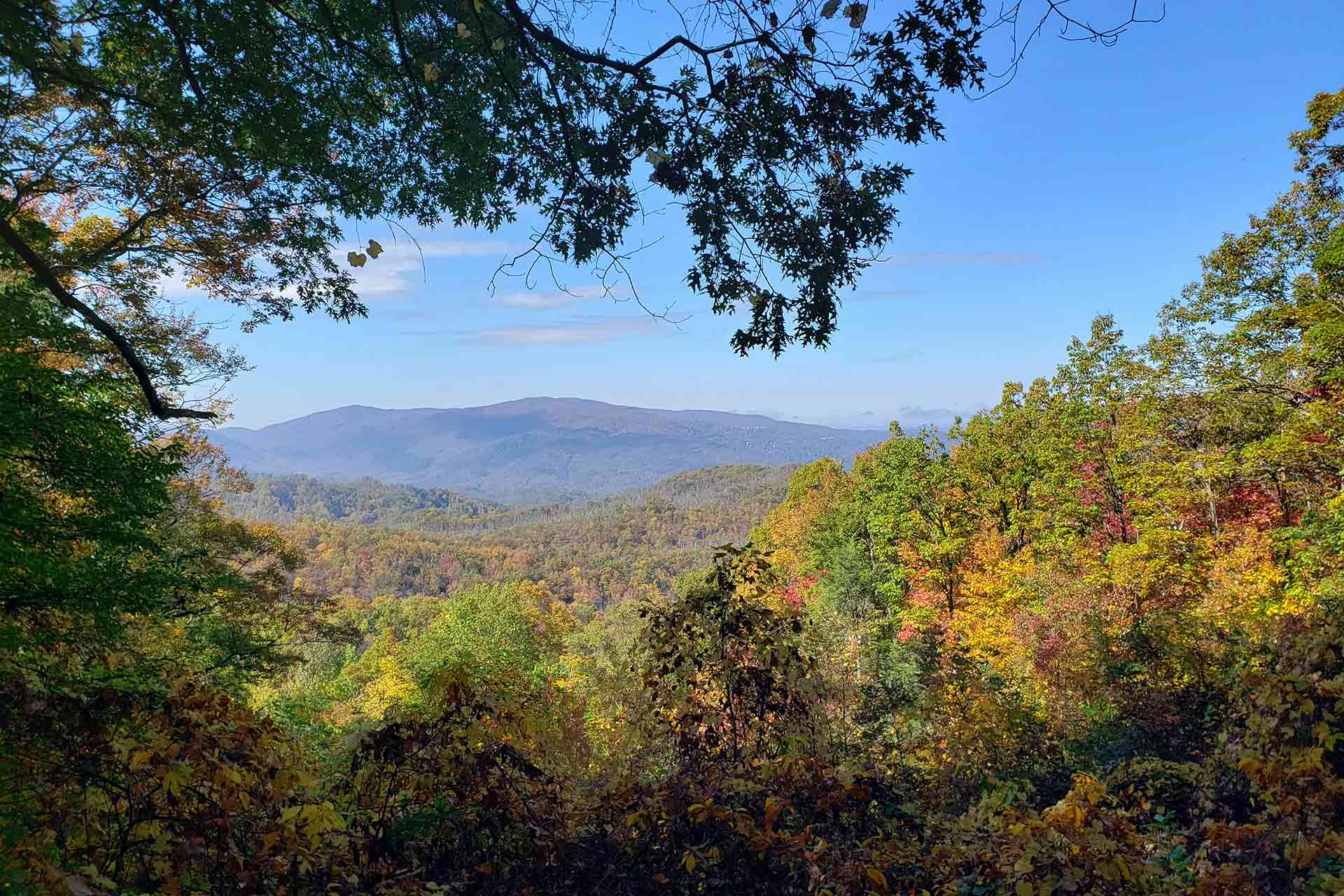
Spotting black bears in the Great Smoky Mountains requires a combination of patience, situational awareness, and strict adherence to National Park Service safety protocols. By visiting during peak activity windows, focusing on high-probability habitats like Cades Cove or Roaring Fork, and maintaining a respectful distance, visitors can safely observe the Smokies' most iconic residents in their natural environment.
The Behavior and Ecology of Smokies Black Bears
The American black bear (Ursus americanus) is the most prominent wildlife species in the Great Smoky Mountains National Park. With a population density estimated at approximately two bears per square mile, the park is home to roughly 1,500 individuals. Understanding their biology is the first step in successful, ethical observation.
Unlike grizzly bears, black bears are generally more timid and less likely to display overt aggression, provided their space is respected. Their activity patterns are dictated primarily by seasonal food availability. During the spring, bears forage on emerging vegetation, grubs, and newborn mammals. As summer transitions into fall, they enter a phase known as hyperphagia, a period of intense caloric consumption to build fat reserves for the winter. During this time, you are most likely to see bears focused on hard and soft masts, such as acorns, hickory nuts, berries, and apples.
It is important to note that black bears are not strictly nocturnal. While they are often crepuscular—most active during dawn and dusk—they can be spotted at any time of day, particularly in areas with lower human foot traffic or during high-intensity feeding periods.
Prime Locations for Wildlife Spotting
Geography plays a decisive role in the likelihood of a bear sighting. While bears roam throughout the park’s 522,000 acres, certain corridors offer higher visibility for motorists and hikers.
Cades Cove Perhaps the most famous location for wildlife viewing, the 11-mile one-way loop road through Cades Cove offers open meadows that provide excellent visibility. Bears frequently emerge from the bordering forest to graze in these fields. Because this is a high-traffic area, early mornings are the best time to visit to avoid congestion and increase your chances of seeing bears before they retreat to cooler, shadowed forest areas.
Roaring Fork Motor Nature Trail This narrow, winding road offers a more intimate look at the forest canopy and mountain streams. The dense vegetation and proximity to water sources make this an ideal habitat for bears moving between different elevations. Driving slowly is not only a safety requirement but a necessity for spotting bears that may be camouflaged by the dappled light of the forest floor.
Newfound Gap Road (US-441) As you climb in elevation toward the Tennessee-North Carolina border, the forest ecosystem changes from hardwood to spruce-fir. Bears are frequently spotted along the slopes adjacent to the road. Parking is limited, so pull over only in designated areas.
Essential Gear and Observation Tactics
To turn a casual drive into a productive wildlife viewing experience, you must be properly equipped. The goal is to observe without influencing the animal's natural behavior.
- Optics: Carry high-quality binoculars or a spotting scope. These allow you to view bears from a distance that does not stress the animal. If a bear changes its behavior—such as looking at you, pausing its feeding, or moving away—you are already too close.
- Photography Equipment: A telephoto lens (at least 300mm for DSLR/mirrorless cameras) is essential. Do not attempt to approach a bear for a better smartphone photo. The danger to both the observer and the bear—which may be euthanized if it becomes "habituated" to humans—cannot be overstated.
- Patience: Wildlife viewing is a waiting game. Spend time in one spot rather than constantly moving. Turn off your vehicle's engine to reduce noise, which can alert bears to your presence before you are able to see them.
Safety Protocols and Legal Requirements
The National Park Service (NPS) mandates a minimum distance of 50 yards (150 feet) from all bears. This is not a suggestion; it is a regulatory requirement designed to protect both the public and the wildlife.
Managing Food and Trash The greatest threat to bear safety is human food. If a bear learns to associate humans with easy food, it will inevitably become a "nuisance" bear, eventually requiring relocation or lethal management. Always dispose of trash in bear-resistant containers. If you are picnicking in the park, never leave your cooler or food supplies unattended, even for a few minutes.
What to Do During an Encounter
- Remain Calm: Do not run. Running can trigger a bear's predatory instinct to chase.
- Back Away Slowly: Keep your eyes on the bear but do not maintain direct, prolonged eye contact, as this can be perceived as a challenge or threat.
- Make Yourself Large: If you are on foot, stand your ground, raise your arms, and speak in a calm, firm, low-pitched voice.
- Never Feed the Bears: Feeding wildlife is a federal crime punishable by fines and imprisonment. It is the most common cause of bear-human conflicts in the Smokies.
Comparing Viewing Strategies
| Strategy | Best Time of Day | Risk Level | Visibility Potential |
|---|---|---|---|
| Cades Cove Loop | Sunrise | Low | High |
| Roaring Fork Trail | Mid-morning | Low | Moderate |
| Hiking Backcountry | Mid-day | Moderate | Low |
| Picnic Areas | Late Afternoon | Moderate | High (But risky) |
Note: Risk level refers to the likelihood of dangerous human-bear interaction due to proximity or behavior.
Frequently Asked Questions
1. Is it legal to feed bears in the Smokies? No. Feeding bears or any wildlife is strictly prohibited under federal law. It alters their natural foraging habits, causes them to lose their fear of humans, and frequently leads to the animal being put down for safety reasons.
2. Can I use bear spray in the park? While bear spray is an effective tool, it must be used according to park regulations. Carry it in an easily accessible location, not inside your backpack, and ensure you are familiar with the manufacturer’s instructions before entering the park.
3. Why do I see more bears in the spring? Bears emerge from their dens in the spring and begin searching for food. Because the forest canopy has not yet fully filled in, and the vegetation is starting to sprout, they are more visible as they spend time in clearings and on south-facing slopes.
4. What should I do if a bear approaches my car? If a bear approaches your vehicle, stay inside with the windows rolled up. Do not feed it or offer food from the window. If the bear is in the road, stay in your car and wait for it to move on, or carefully move your vehicle forward if there is safe clearance.
5. Are there specific seasons to avoid for spotting? While bears are active year-round, winter months (late December through February) generally see less activity as bears enter a state of dormancy. However, they do not truly hibernate and may still be spotted during unseasonably warm spells.
6. What if I see a cub without a mother? Never approach a cub. Mother bears are highly protective and may be nearby even if you cannot see them. If you suspect a cub is orphaned or injured, note the exact location and report it to a park ranger or the visitor center.
Expert Recommendations for Your Visit
For the best experience in 2026, prioritize flexibility. Plan to visit during the shoulder seasons—April through May or September through October—when bear activity is high and park crowds are slightly more manageable than in the peak of summer. Always check the official National Park Service website for current road closures, as sections of the park, including the Roaring Fork Motor Nature Trail, may close periodically for maintenance or due to winter conditions. Finally, remember that you are a guest in their home. The most successful wildlife spotting experience is one where the bear remains completely unaware of your presence, allowing you to witness authentic, wild behavior.