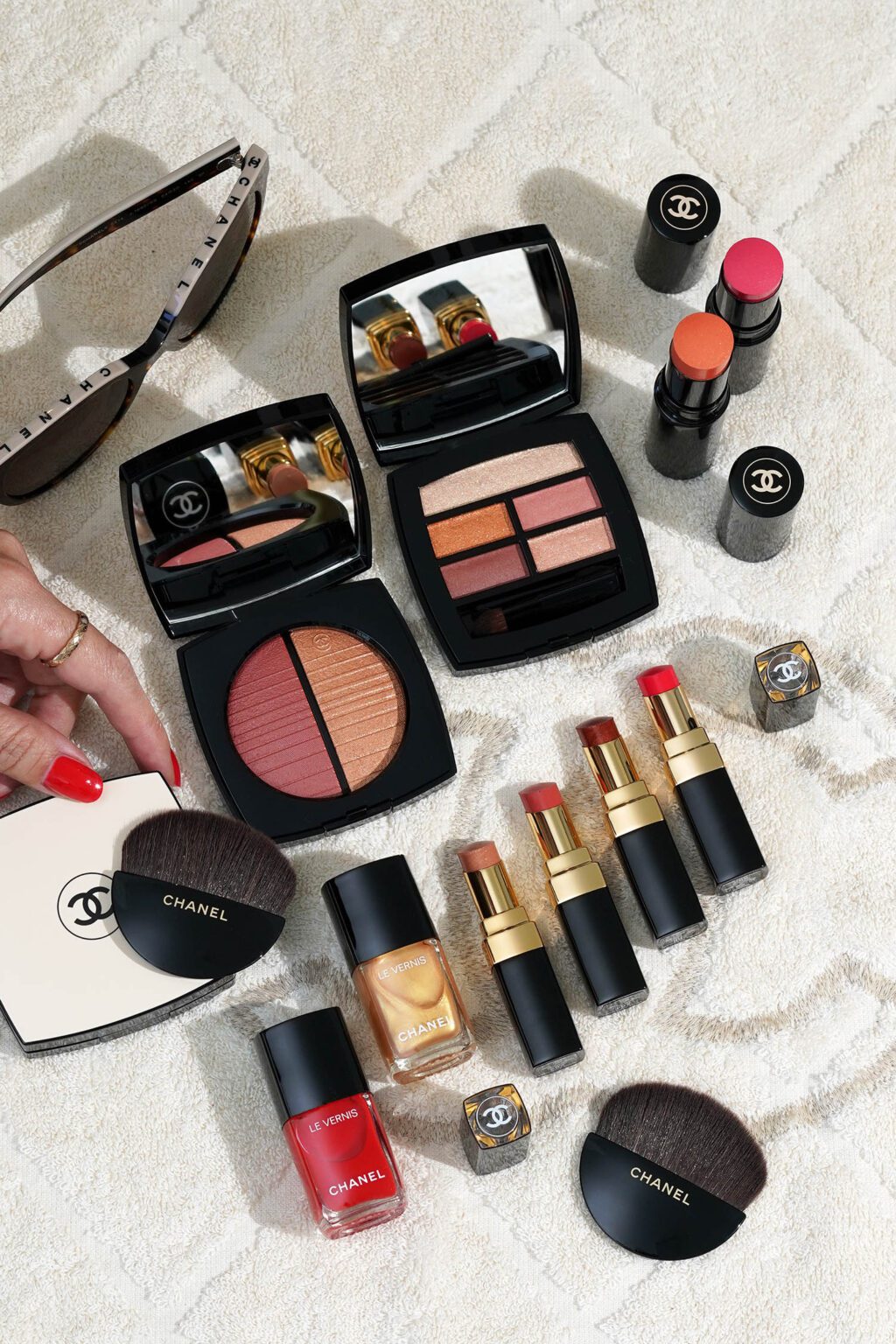
The 2025 beauty landscape represents a definitive transition toward ingredient transparency, AI-integrated personalization, and a focus on restorative skincare over aggressive surface-level treatments. Consumers are increasingly prioritizing clinical validation and supply chain ethics, shifting market demand away from trends driven solely by viral social media cycles toward products backed by verifiable dermatological science.
The Shift Toward Clinical Transparency and Ingredient Integrity
The primary hallmark of the 2025 beauty movement is the move toward radical transparency. While previous years were defined by the "clean beauty" marketing umbrella—a term often criticized for its lack of standardized regulatory definition—the current climate emphasizes verified chemical safety and environmental stability.
Consumers are no longer satisfied with vague labels. Instead, there is a clear trend toward "bio-identical" formulations, where synthetic ingredients are engineered to mirror natural physiological processes. This shift is driven by a heightened awareness of skin barrier integrity. In 2026, we see the lasting impact of the 2025 push for microbiome-friendly products—formulations designed to maintain the pH balance of the stratum corneum rather than stripping it through harsh exfoliation.
The "less is more" philosophy has matured. Where 2024 saw a surge in complex 10-step routines, 2025 introduced the concept of "skin fasting" and minimalist active-ingredient cycles. By limiting the number of overlapping actives, users are experiencing fewer incidences of contact dermatitis and barrier impairment. This requires a deeper understanding of active ingredients like retinoids, azelaic acid, and niacinamide, necessitating that consumers educate themselves on proper titration and usage intervals.
Technological Integration: AI and Precision Personalization
Technological advancements in 2025 fundamentally altered how beauty products are selected and purchased. Digital skin analysis tools, which moved from novelty to standard utility, now utilize high-resolution imaging to detect subtle changes in pigmentation, hydration levels, and fine-line progression.
These AI-driven diagnostics are bridging the gap between clinical dermatology and the consumer-grade vanity cabinet. By uploading images or using integrated sensors on mobile devices, users can receive objective assessments of their skin’s current state. This data is then used to suggest product rotations.
Implications for the Consumer
- Reduced Product Waste: By identifying specific needs, consumers are less likely to purchase broad-spectrum products that do not address their unique concerns.
- Preventative Tracking: Users can now log data points over time, allowing for a proactive rather than reactive approach to skin aging and sensitivity.
- Clinical Accuracy: While these tools do not replace a visit to a board-certified dermatologist, they serve as a powerful triage tool for identifying when professional intervention is required.
Evaluating Performance: The 2025 Product Hierarchy
In the context of the 2025 beauty standard, products are being held to stricter evidence-based criteria. The following table illustrates the shift in focus regarding product performance and consumer expectations.
| Product Category | Traditional Focus (Pre-2025) | Current Focus (2025-2026) | Primary Requirement |
|---|---|---|---|
| Moisturizers | Immediate surface hydration | Barrier repair and lipid replenishment | Clinical efficacy tests |
| Exfoliants | High-percentage chemical peels | Enzyme-based, pH-neutral delivery | Low irritation profiles |
| Sun Protection | SPF rating only | Broad-spectrum + blue light/IR protection | Marine-safe formulation |
| Personalization | Demographic-based groups | Individualized molecular profiles | Digital diagnostic validation |
The Rise of Sustainable Beauty Manufacturing
Environmental impact shifted from a secondary marketing point to a core operational requirement throughout 2025. Manufacturers are moving away from traditional plastic packaging in favor of refillable systems and post-consumer recycled materials that do not degrade the stability of active ingredients.
This is not merely a matter of green aesthetics; it involves significant changes in chemistry. Stabilizing products within paper-based or refillable aluminum packaging requires a different approach to preservatives. Formulators have had to pivot toward airless pump systems and shelf-stable antioxidant blends that maintain their efficacy without being housed in single-use plastic, which was historically the industry standard for preventing oxidation.
Addressing Common Beauty Misconceptions
As the industry pivots toward science-backed methodology, several myths have become unsustainable. Recognizing these misconceptions is essential for building a successful beauty routine in 2026.
- The "Natural" Fallacy: Many consumers conflate botanical extracts with safety. In 2025, the industry clarified that "natural" does not mean "non-irritating." Essential oils, for example, are common allergens. Scientific consensus now prioritizes lab-grown, hypoallergenic ingredients over unregulated natural extracts.
- The "Active" Overdose: The trend of stacking multiple high-strength acids and retinoids in one application has been soundly debunked. Current guidance emphasizes that the skin’s repair cycle is hindered by such intensity. The modern approach is to alternate nights and prioritize recovery days.
- The SPF Exclusivity: While SPF remains the gold standard for anti-aging, the 2025 perspective includes the mitigation of HEV (high-energy visible) light. Modern sunscreens now often include iron oxides to provide a broader protective barrier against the types of light emitted by digital screens, a necessity for the modern office environment.
Practical Steps for Building a Sustainable Routine
For those seeking to align their personal care with the high-performance standards established in 2025, follow this systematic approach:
- Diagnostic Baseline: Start by identifying your skin type and current sensitivities. Use a neutral, non-foaming cleanser for two weeks to establish a baseline before introducing active ingredients.
- The Rule of One: Introduce only one new active ingredient at a time. Wait 14 days before adding a second to ensure no adverse reaction occurs.
- Prioritize the Barrier: If your skin feels tight, inflamed, or unusually reactive, pivot to barrier-repair ingredients—such as ceramides, squalane, or colloidal oatmeal—and cease the use of exfoliants immediately.
- Verification: When researching new brands, look for third-party clinical testing. The most credible brands provide peer-reviewed data or white papers on their proprietary delivery systems.
Frequently Asked Questions
How does 2025 beauty differ from previous years? The 2025 shift was characterized by a move from viral marketing-driven trends to clinical-first approaches. It prioritize long-term skin barrier health over rapid, visible, but potentially damaging results.
What is meant by "bio-identical" ingredients? These are ingredients synthesized in a laboratory to perfectly replicate the molecules naturally found in the skin, such as certain fatty acids or amino acids, ensuring higher compatibility and lower risk of irritation.
Are digital skin analysis tools reliable? They are highly effective for tracking metrics like hydration and pigmentation consistency, but they do not replace a physical examination by a medical professional for diagnosing conditions such as melanoma or cystic acne.
What should I look for in sustainable beauty packaging? Look for "airless" containers that protect active ingredients from oxidation, and brands that utilize post-consumer recycled (PCR) glass or aluminum rather than virgin plastics.
Is it necessary to use a different routine for day and night? Yes. Your daytime routine should focus on protection (antioxidants, SPF) against environmental stressors, while your nighttime routine should prioritize recovery and ingredient penetration, as the skin undergoes its primary repair phase while you sleep.
Moving Forward
To excel in your personal beauty maintenance in 2026, focus on the durability of your results rather than the speed of transformation. By utilizing tools that provide data-backed insights and prioritizing products that respect your skin's natural architecture, you can achieve consistent, healthy outcomes. When in doubt, consult a board-certified dermatologist, especially when incorporating high-strength retinoids or chemical treatments, to ensure your routine remains safe and effective for your specific biological profile.