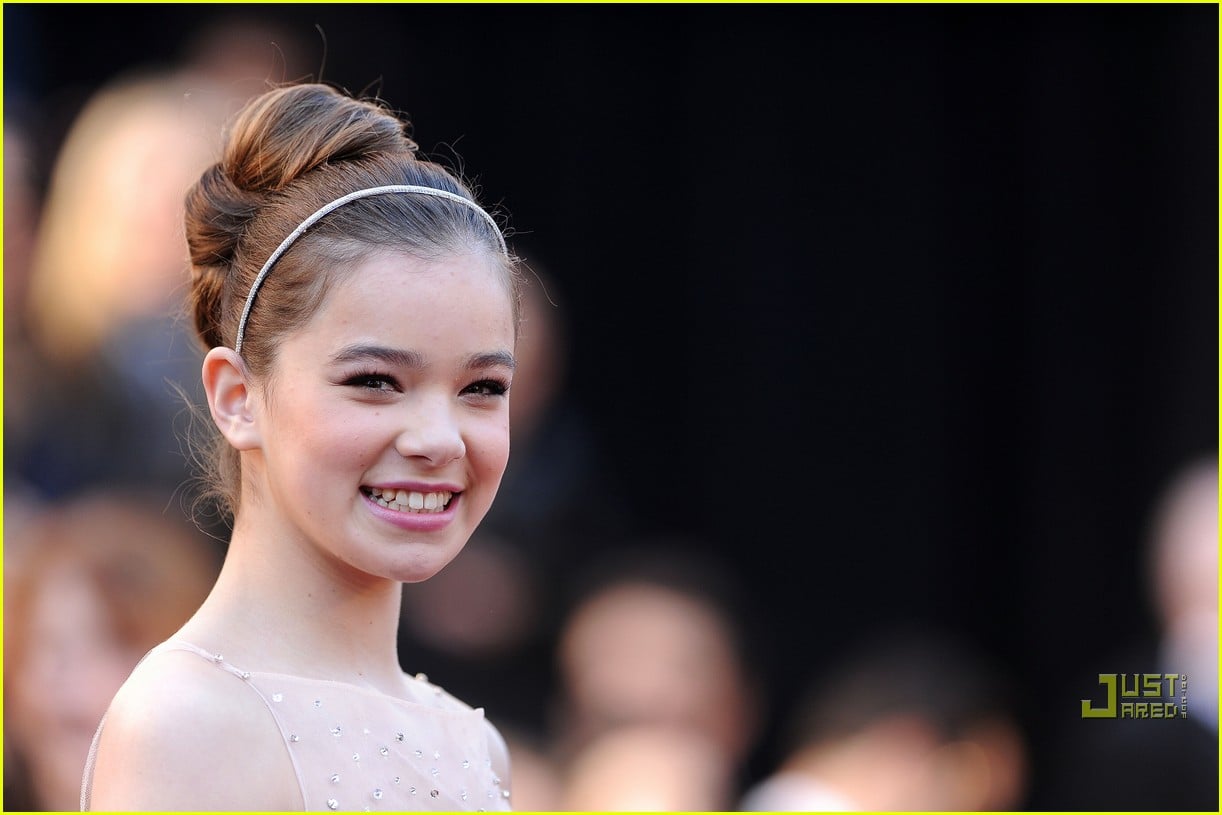
The 83rd Academy Awards, commonly known as the 2011 Oscars, celebrated the best films of 2010 in a ceremony hosted by actors James Franco and Anne Hathaway. Held on February 27, 2011, at the Kodak Theatre in Hollywood, Los Angeles, the evening was highlighted by Tom Hooper’s historical drama The King's Speech dominating the major categories, winning Best Picture, Best Director, Best Actor for Colin Firth, and Best Original Screenplay.
Historical Context and Background of the 83rd Academy Awards
The 2011 Oscars arrived during a transitional era for the film industry and the Academy of Motion Picture Arts and Sciences (AMPAS). Following a successful expansion of the Best Picture category from five nominees to ten, implemented the previous year to include more mainstream and diverse box-office hits, the 2011 ceremony sought to balance commercial appeal with critical prestige.
Produced by Bruce Cohen and Don Mischer, the broadcast aimed to attract a younger demographic by enlisting two contemporary movie stars, James Franco and Anne Hathaway, as co-hosts. The strategic choice of hosts reflected a broader industry push to modernize the telecast, bridge the gap between traditional cinema and emerging digital media, and maintain television viewership in an increasingly fragmented entertainment landscape.
The Race for Best Picture
The Best Picture race for the 83rd Academy Awards featured a diverse field of ten nominees, representing a wide spectrum of genres, budgets, and storytelling styles. While The King's Speech entered the ceremony as the front-runner following wins from the Producers Guild of America and the Directors Guild of America, it faced fierce competition from David Fincher’s tech-industry chronicle The Social Network and Christopher Nolan’s blockbuster sci-fi thriller Inception.
The presence of films like Inception, True Grit, and Black Swan demonstrated the Academy's willingness to reward commercially successful studio pictures alongside independent dramas like The Fighter, The Kids Are All Right, and Winter's Bone. However, traditional historical dramas continued to resonate strongly with the Academy's voting body, solidifying The King's Speech as the ultimate victor.
Major Winners and Category Breakdown
The 2011 Oscars featured a spread of accolades across several critical favorites, though The King's Speech ultimately captured the lion's share of the top prizes. Below is a detailed breakdown of the major competitive categories and their respective winners at the 83rd Academy Awards.
| Category | Winner | Film |
|---|---|---|
| Best Picture | Iain Canning, Emile Sherman, and Gareth Unwin (Producers) | The King's Speech |
| Best Director | Tom Hooper | The King's Speech |
| Best Actor | Colin Firth | The King's Speech |
| Best Actress | Natalie Portman | Black Swan |
| Best Supporting Actor | Christian Bale | The Fighter |
| Best Supporting Actress | Melissa Leo | The Fighter |
| Best Original Screenplay | David Seidler | The King's Speech |
| Best Adapted Screenplay | Aaron Sorkin | The Social Network |
| Best Animated Feature | Lee Unkrich | Toy Story 3 |
| Best Foreign Language Film | Susanne Bier | In a Better World (Denmark) |
Acting Achievements and Notable Speeches
The acting categories for the 2011 Oscars recognized transformative performances, many of which had dominated the precursor awards season. Colin Firth secured his first Academy Award for his portrayal of King George VI overcoming a severe stutter in The King's Speech, delivering a gracious and witty acceptance speech.
In the Best Actress race, Natalie Portman claimed the trophy for her harrowing, physical performance as a troubled ballet dancer in Darren Aronofsky’s psychological thriller Black Swan. Portman's victory capped a near-sweep of the season's major critics' and guild awards.
The supporting acting categories highlighted intense physical and emotional transformations. Christian Bale won Best Supporting Actor for his gritty, empathetic portrayal of drug-addicted former boxer Dicky Eklund in The Fighter. His co-star, Melissa Leo, won Best Supporting Actress for her fierce performance as the family matriarch, marked by a memorable and spontaneous acceptance speech that became one of the night's most-discussed moments.
Technical and Craft Achievements
While narrative and acting categories dominate public discussion, the 2011 Oscars also celebrated technical excellence across cinematography, editing, sound, and visual design. Christopher Nolan’s Inception tied with The King's Speech for the most total wins of the night, collecting four Academy Awards in technical categories.
- Inception won for Best Cinematography (Wally Pfister), Best Sound Editing, Best Sound Mixing, and Best Visual Effects. The film's intricate practical effects, including the famous rotating hotel hallway sequence, set a high benchmark for large-scale blockbuster filmmaking.
- Alice in Wonderland claimed two awards, taking home trophies for Best Art Direction and Best Costume Design, showcasing Tim Burton's distinct visual aesthetic.
- The Social Network secured an award for Best Film Editing in addition to Aaron Sorkin's Adapted Screenplay win, with editors Angus Wall and Kirk Baxter praised for managing the film's brisk, dialogue-heavy pacing.
Critical Reception and Cultural Legacy
The 2011 Oscars broadcast received a mixed-to-negative critical reception, primarily directed at the uneven comedic chemistry of the co-hosts. While Anne Hathaway received praise for her energetic and committed performance, James Franco's laid-back, subdued delivery drew widespread criticism from television reviewers and industry commentators, leading many retrospective lists to rank the broadcast among the more awkward ceremonies in recent Academy history.
From a cinematic standpoint, the ceremony is often remembered as a turning point for how the Academy evaluated biographical dramas versus contemporary narratives. The victory of The King's Speech over The Social Network is frequently cited by film historians as a classic example of traditional Academy tastes prevailing over forward-looking, contemporary subject matter—a debate that continues to influence discussions surrounding Oscar voting patterns.
Frequently Asked Questions
Who hosted the 2011 Oscars?
The 83rd Academy Awards were co-hosted by actors James Franco and Anne Hathaway. Their pairing was an intentional effort by producers to appeal to younger audiences, though the dynamic received mixed reviews from critics following the live broadcast.
Which film won Best Picture at the 2011 Oscars?
The King's Speech won Best Picture at the 2011 Oscars. Directed by Tom Hooper, the British historical drama triumphed over nine other nominees, including The Social Network, Inception, and True Grit.
How many awards did Inception win in 2011?
Inception won four Academy Awards at the 2011 ceremony. It tied with The King's Speech for the most wins of the night, capturing trophies in technical categories including cinematography, sound editing, sound mixing, and visual effects.
Who won Best Actor at the 83rd Academy Awards?
Colin Firth won Best Actor for his role as King George VI in The King's Speech. This victory marked Firth's first Academy Award win, following a nomination the previous year for A Single Man.
What was significant about the Best Picture category in 2011?
The 2011 Oscars marked the second consecutive year that the Best Picture category featured ten nominees instead of the traditional five. This rule change, introduced by the Academy to broaden the scope of recognized films, allowed a wider mix of blockbusters and independent features to compete for the top prize.
Conclusion and Further Exploration
The 83rd Academy Awards stand as a fascinating time capsule of 2010 cinema, balancing traditional prestige filmmaking with the rise of modern blockbusters and digital-age storytelling. For film enthusiasts seeking to explore this era further, revisiting the ten Best Picture nominees offers a comprehensive look at the creative output of Hollywood and international cinema during a pivotal year of transition.