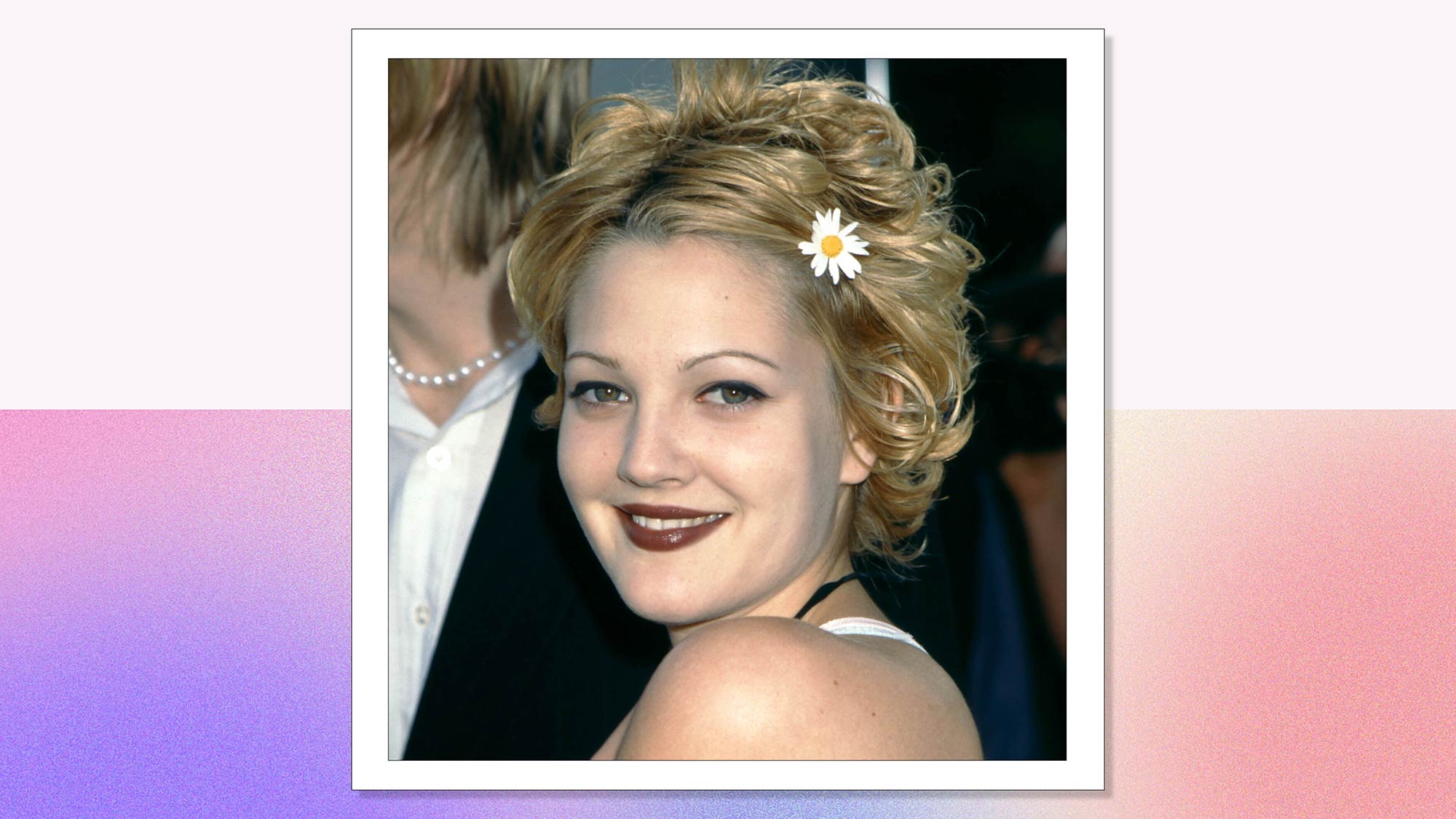
The enduring obsession with the Y2K aesthetic stems from a cyclical nostalgia wave that blends the digital optimism of the early 2000s with the micro-trend cycles of the mid-2010s, driven by Gen Z discovery on platforms like TikTok and Instagram. This cultural recurrence reflects a psychological coping mechanism against contemporary uncertainty, making turn-of-the-millennium fashion, technology, and media feel uniquely comforting and expressive.
Nostalgia is rarely a straight line. Instead of looping back to a single decade, modern cultural fascination frequently leapfrogs across time, picking up discarded subcultures and polishing them for a new era. While the early 2000s once represented a tacky epoch best forgotten, it has transformed into a golden age of digital innocence, low-rise denim, and futuristic optimism. Understanding why this obsession persists requires examining how memory, technology, and the fashion industry intersect to resurrect past aesthetics.
The Chronological Leapfrog: From 2010s Tumbler Era to Millennial Tech
The resurgence of the turn-of-the-millennium look did not happen in a vacuum. It was prepared by a prior wave of retrospective longing often anchored around the mid-2010s. During the mid-2010s, internet culture was defined by Tumblr, indie sleaze, and an early wave of 1990s and very early 2000s revivalism. Chokers, flannel shirts, and matte liquid lipsticks dominated feeds, setting the psychological stage for deeper archival excavation.
As the decade progressed, cultural memory pushed backward from 2014 and 2016 straight into the height of the Y2K era—roughly spanning 1999 to 2004. This period represented the last gasp of physical media meeting the dawn of consumer internet culture. People grew fascinated by the dissonance of a world that was technologically connected enough to have digital cameras and flip phones, yet disconnected enough from social media algorithms to allow for genuine eccentricity and subcultural friction.
| Era | Core Characteristics | Primary Media Formats | Dominant Aesthetic Motifs |
|---|---|---|---|
| Early 2000s (Original) | Dot-com boom, transitional analog-to-digital, futuristic optimism | CDs, MiniDiscs, early internet dial-up, chunky cell phones | Metallic fabrics, translucent plastic, low-rise waists, cyber-grunge |
| Mid-2010s (First Wave) | Tumblr curation, indie sleaze, early retro thrift culture | Instagram squares, early smartphone photography, vinyl revival | Grunge revival, flower crowns, pastel hair, minimalist branding |
| Current Y2K Obsession | TikTok curation, hyper-specific micro-trends, thrift app monetization | Short-form video, archived magazine scans, digital camera snapshots | Baby tees, rhinestone tracksuits, rimless sunglasses, wire-frame tech |
Psychological Drivers of Retromania
Human beings naturally seek comfort in familiar aesthetics during periods of social and economic stress. This phenomenon, often termed "retromania," explains why younger generations latch onto eras they never lived through firsthand. For Generation Z, the early 2000s represent a time before perpetual connectivity, algorithmic surveillance, and climate anxiety dominated daily life.
Furthermore, this form of retrospective longing is heavily mediated by digital archives. Unlike previous generations who relied on dusty photo albums or rare television reruns, modern youth have instantaneous, high-definition access to every music video, runway show, and teen movie from the turn of the millennium via YouTube, Pinterest, and TikTok. This creates a hyper-real version of the past—one that strips away the actual mundane inconveniences of 2001 (such as slow internet speeds and limited device compatibility) while retaining the boldest visual elements.
The Comfort of Pre-Smartphone Innocence
A major psychological component of the aesthetic revival is the romanticization of pre-smartphone culture. Devices from the Y2K era—such as Sony Cybershot digital cameras, Nintendo GameCubes, and clamshell mobile phones—are viewed as tactile, friendly, and finite. They possessed physical buttons, satisfying clacks, and bright translucent colorways that contrast sharply with the austere, minimalist monoliths of contemporary smartphone design. Using a vintage digital camera or wearing wired headphones has become a deliberate lifestyle choice to opt out of the sleek, hyper-monitored present.
The Fashion and Design Mechanics of the Revival
Fashion moves in roughly twenty-year cycles, making the return of turn-of-the-millennium trends an expected mathematical certainty within the apparel industry. However, the modern iteration is not a carbon copy of the past. Contemporary designers and vintage curators reinterpret these styles through a modern lens, adjusting silhouettes for current comfort standards while retaining the playful, experimental spirit of the original items.
Key Wardrobe Staples Driving the Trend
- Low-Rise Silhouettes: Once banished from mainstream wardrobes, low-rise cargo pants and denim have returned, championed by youth consumers seeking an intentional break from the high-waisted cuts of the 2010s.
- Futuristic and Metallic Fabrics: Silver puffer jackets, shiny vinyl materials, and iridescent accessories mirror the millennial panic and excitement surrounding the dawn of the year 2000 (the original Y2K bug fears).
- Branded Logomania and Rhinestones: Embellished velour tracksuits and prominent logo tees channel the pop-star excess of early 2000s red carpets, popularized by icons like Britney Spears, Destiny’s Child, and Paris Hilton.
- Statement Eyewear: Rimless, tinted sunglasses and futuristic wrap-around shades have become staples of modern streetwear, offering an instant visual reference to turn-of-the-millennium music videos.
The Role of Social Media Platforms in Amplifying Micro-Trends
The speed at which the aesthetic circulates is entirely unique to the contemporary social media ecosystem. Platforms designed around short-form video and rapid-fire image curation have compressed the lifecycle of style trends. A single viral video showcasing a thrifted mesh top or a vintage digital camera can spark a global buying surge within forty-eight hours.
At the same time, platforms like Depop and Vinted have turned personal closets into commercial archives. Young entrepreneurs scour estate sales and thrift stores for authentic turn-of-the-millennium garments, transforming nostalgia into a thriving circular economy. This democratization of fashion history allows consumers to bypass traditional luxury houses and curate hyper-specific wardrobes directly from peer-to-peer marketplaces.
Frequently Asked Questions
Why is the Y2K aesthetic popular among people who were not born yet in 2000?
Generations who missed the era experience it as a blank canvas of unadulterated visual culture. Stripped of historical context or personal baggage, the bright colors, playful technology, and distinct silhouettes represent a form of escapism that feels fresher and more imaginative than current minimalist design trends.
How does the modern Y2K trend differ from the original 2000s fashion?
While the silhouettes are similar, modern styling often mixes vintage pieces with contemporary streetwear basics, prioritizing comfort and personal irony over strict historical accuracy. Furthermore, sustainability and thrifting play a massive role today, whereas the original era was defined by rapid mall culture and fast-fashion expansion.
What technological items are most associated with this nostalgia wave?
Consumers frequently seek out early-generation digital cameras (particularly older models with CCD sensors that produce a soft, nostalgic image quality), portable CD players, translucent tech accessories, and wired headphones to capture the tactile nature of early-2000s daily life.
Is the 2016 nostalgia trend separate from the Y2K trend?
They are deeply intertwined. The mid-2010s served as a transitional stepping stone where internet users began looking backward toward the turn of the millennium. Over time, the scope of what was considered "retro" widened, causing the cultural focus to shift deeper into the 2000s archive.
Will the Y2K aesthetic trend eventually fade out?
Like all cyclical trends, the exact surface-level manifestations—such as specific cuts of pants or types of accessories—will eventually give way to new inspirations. However, the foundational appreciation for pre-smartphone internet culture and turn-of-the-millennium design motifs is likely to remain embedded in modern design consciousness.
Navigating the Retro Wave: Practical Takeaways
For those looking to engage with or understand this cultural phenomenon, the key is balance and authenticity. Rather than adopting a literal head-to-toe costume from a 2000s music video, contemporary styling relies on blending one or two statement archival pieces—such as a vintage shoulder bag or rimless sunglasses—with modern, functional apparel. Understanding the historical context behind these items deepens the appreciation of why certain styles continue to capture our collective imagination across decades.