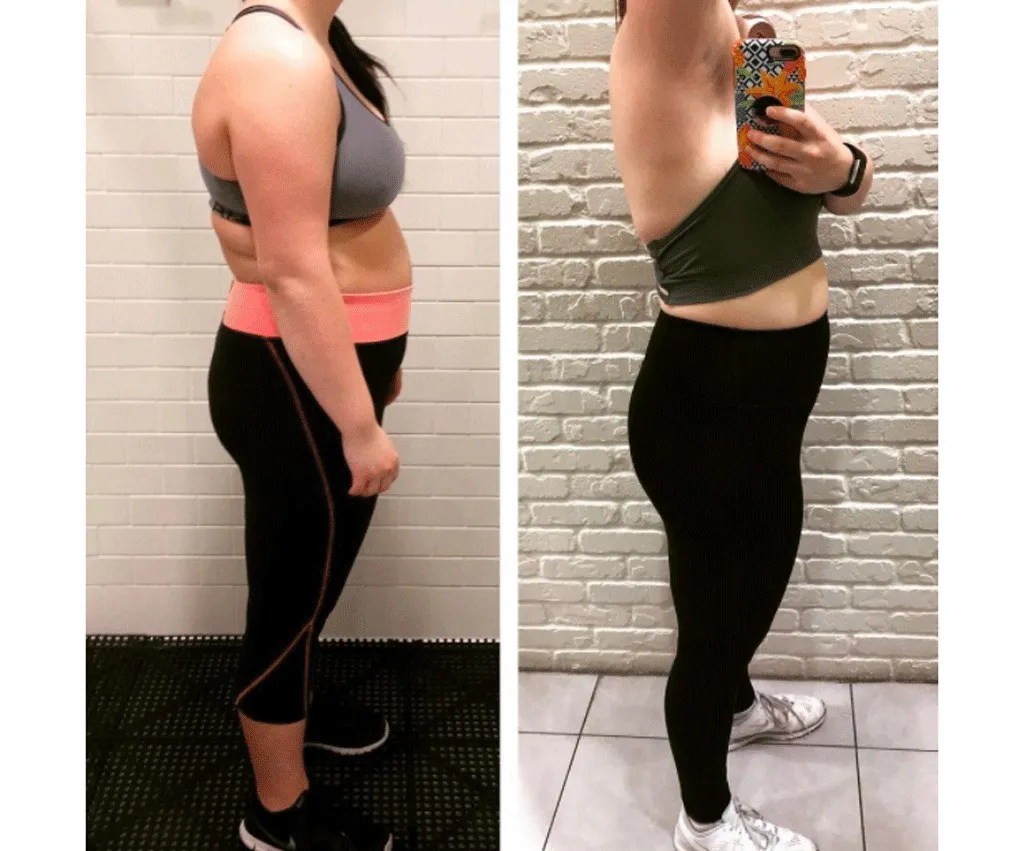
Losing or gaining 15 pounds of pure body fat alters your metabolic health, clothing fit, and visual silhouette, yet it leaves fundamental anatomical proportions, skeletal structure, and deep-seated habits unchanged. Navigating this physical shift requires understanding the distinct physiological boundaries between adipose tissue reduction and structural permanence.
The True Anatomy of 15 Pounds of Fat
To understand a 15-pound transformation, one must first look at what adipose tissue actually is and how the human body stores and releases it. Fat tissue (adipose) is not just an inert energy storage depot; it is an active endocrine organ that secretes hormones and inflammatory markers.
Unlike muscle tissue, which is dense and contains high amounts of water and protein, fat tissue has a lower density and occupies a significantly larger volume. This volumetric difference explains why losing 15 pounds of fat creates a dramatic visual and physical difference, often translating to a drop of one to two clothing sizes, whereas losing 15 pounds of mixed weight—including water and glycogen—can look entirely different on the frame.
When you create a sustained caloric deficit, your body signals fat cells (adipocytes) to release stored triglycerides into the bloodstream as fatty acids and glycerol. These are then oxidized by tissues like skeletal muscle to produce energy. Crucially, the total number of fat cells in an adult body remains relatively constant; when you lose fat, the cells shrink in volume rather than disappearing entirely. This biological reality underpins why maintaining a new baseline requires long-term behavioral consistency.
What Changes: The Physical and Physiological Transformations
A 15-pound shift in fat mass triggers cascading changes throughout the entire body, affecting everything from blood biomarkers to daily physical comfort.
1. Visual Silhouette and Anthropometric Measurements
The most immediate noticeable change occurs in body measurements. Because fat is often stored subcutaneously in specific patterns dictated by genetics and hormones (such as the abdomen, hips, thighs, and arms), a 15-pound reduction yields measurable centimeter or inch losses in these specific perimeters. Waist circumference typically shrinks noticeably, which serves as a vital proxy metric for visceral fat reduction.
2. Metabolic and Biomarker Improvements
Internal health metrics often experience a profound shift. Reducing 15 pounds of excess adipose tissue—particularly visceral fat surrounding internal organs—lowers systemic inflammation. Clinical markers such as fasting blood glucose, insulin sensitivity, and lipid panels (including triglycerides and HDL/LDL cholesterol ratios) frequently show measurable improvements. Blood pressure also tends to decrease as the total volume of the vascular network decreases, reducing the workload on the heart.
3. Joint Mechanics and Mobility
Carrying 15 fewer pounds dramatically alters biomechanical loading. For every single pound of weight lost, the load on the knee joints is reduced by approximately four pounds during walking and up to six pounds when descending stairs. Consequently, individuals frequently report a reduction in chronic joint stiffness, lower back discomfort, and overall fatigue during weight-bearing activities.
What Doesn't Change: Structural and Psychological Constants
While the physical transformation of shedding 15 pounds is substantial, numerous aspects of a person's physical and mental profile remain entirely unaltered.
1. Skeletal Structure and Bone Proportions
No amount of fat loss can alter your underlying skeletal framework. Shoulder width, pelvic structure, limb length, and joint alignments are genetically determined and immutable through weight management. A person with a narrow ribcage will retain that narrow structure, and structural asymmetries cannot be reshaped by caloric deficits.
2. Loose Skin and Stretch Marks
For individuals with high skin elasticity or those who have carried excess weight for extended periods, rapid or significant fat loss can leave behind loose skin. Furthermore, dermal scars such as striae (stretch marks) caused by previous skin expansion do not vanish when fat is lost; they may merely become less prominent as the underlying tissue shrinks.
3. Behavioral Habits and Psychological Relationships with Food
Dropping 15 pounds does not automatically rewrite psychological conditioning, emotional eating patterns, or daily lifestyle habits. If the weight loss was achieved through extreme, unsustainable restriction rather than habit modification, the mental drivers that led to fat accumulation in the first place remain fully intact, increasing the risk of weight regain.
Comprehensive Comparison: Before vs. After 15-Pound Fat Shift
| Metric or System | State Before (Higher Adipose Mass) | State After (15 lbs Fat Reduction) |
|---|---|---|
| Visceral Fat Level | Elevated; associated with metabolic strain | Reduced; lower cardiometabolic risk |
| Waist Circumference | Expanded; potential risk threshold exceeded | Decreased; improved waist-to-height ratio |
| Joint Load (Knees) | Higher cumulative impact per stride | Lowered mechanical stress and friction |
| Skeletal Frame | Unchanged structural dimensions | Unchanged structural dimensions |
| Cellular Adipocyte Count | High volume of stored triglycerides per cell | Reduced volume per cell (cells remain present) |
| Insulin Response | Potential receptor resistance | Enhanced peripheral tissue uptake |
Practical Strategies for Sustaining the Transformation
Achieving a 15-pound fat loss requires a deliberate, methodical approach. To ensure the lost weight is primarily fat rather than lean muscle mass, specific operational requirements must be met.
- Caloric Precision: Maintain a moderate caloric deficit of 300 to 500 calories per day. Aggressive, steep deficits often result in significant muscle catabolism and metabolic slowdown.
- Protein Optimization: Consume adequate dietary protein (approximately 1.6 to 2.2 grams per kilogram of target body weight) to preserve lean muscle tissue during periods of energy restriction.
- Resistance Training: Engage in progressive resistance exercise at least two to three times per week. Mechanical tension signals the body to retain muscle mass while drawing on fat stores for recovery energy.
- Non-Exercise Activity Thermogenesis (NEAT): Increase daily movement outside of formal workouts, such as walking, standing, and general household tasks, which accounts for a massive portion of daily caloric expenditure.
Frequently Asked Questions
How long does it realistically take to lose 15 pounds of pure fat?
A safe, sustainable rate of fat loss ranges from 1 to 2 pounds per week. Therefore, losing 15 pounds of actual fat typically requires between 8 to 15 weeks of consistent caloric deficit, accounting for initial fluctuations in water weight.
Will spot reduction work for stubborn areas like the lower belly or thighs?
No. Spot reduction is a physiological impossibility. When you create a systemic caloric deficit, the body mobilizes fat from across various depots based on genetics and hormonal signaling, not from the specific muscle groups you are exercising.
Why does the scale fluctuate daily even when sticking to a deficit?
Daily weight changes are driven almost entirely by shifts in water retention, glycogen storage, sodium intake, and gastrointestinal contents, not sudden gains or losses of body fat. Tracking weekly trends provides a more accurate picture than daily weigh-ins.
Can I lose 15 pounds of fat without changing my diet through exercise alone?
While increased physical activity burns calories, out-exercising a poor diet is exceptionally difficult. Dietary adjustments remain the primary driver of caloric deficits because consuming calories is far faster and easier than expending them through exercise.
What happens if I return to my old habits after losing the weight?
Because the body retains the same number of fat cells—they are merely shrunken—returning to a chronic caloric surplus will cause those existing adipocytes to rapidly refill with triglycerides, leading to a swift return to your previous weight baseline.
Next Actions for Long-Term Maintenance
Transitioning from a weight-loss phase to weight maintenance requires shifting your focus from caloric restriction to metabolic adaptation. Establish your new maintenance calorie baseline gradually by increasing food intake in small increments until your weight stabilizes. Prioritize strength retention, monitor physical measurements rather than relying solely on the scale, and maintain the daily movement habits that supported your transformation.