The 1923 television series, a prequel to the sprawling Yellowstone universe created by Taylor Sheridan, delivers a visceral, high-stakes exploration of the Dutton family’s fight for survival during the early 20th century. By balancing grand cinematic scale with the harsh realities of the Prohibition era and post-World War I societal shifts, the series provides a definitive look at the origins of the Montana ranching empire.
Understanding the Scope of the Yellowstone Universe
To appreciate 1923, one must view it as a critical bridge in the generational timeline of the Dutton family. Following the inaugural prequel 1883, which detailed the arduous journey of the earliest ancestors to reach the Montana territory, 1923 picks up the mantle during a period of transition. The 1920s in the United States were characterized by radical changes: the enforcement of the Volstead Act (Prohibition), the lingering psychological toll of the Great War, and the onset of drought and economic depression that preceded the 1929 crash.
Taylor Sheridan’s approach with this installment is distinct. While Yellowstone deals with the preservation of a legacy under modern political pressure, 1923 is about the raw, often brutal establishment of that legacy. The series does not merely serve as a history lesson; it is a character-driven drama that highlights how the Duttons consolidated power when the law was often secondary to physical force.
Narrative Anchors: The Core Cast and Character Motivation
The series centers on Jacob Dutton, played by Harrison Ford, and Cara Dutton, portrayed by Helen Mirren. Their dynamic serves as the emotional and structural foundation of the story. Unlike the contemporary Dutton patriarch, John Dutton III (played by Kevin Costner in Yellowstone), Jacob is defined by his role as a patriarch who must navigate the infancy of the cattlemen’s association and the external threats posed by encroaching developers and environmental collapse.
Helen Mirren’s portrayal of Cara Dutton adds a layer of steel-spined resilience to the household. She is the pragmatic anchor of the ranch, often forced to handle the domestic and social implications of their violent lifestyle. Their performances have been widely cited in critical reviews as the primary drivers of the series’ gravity, elevating it from a standard Western to a period piece of significant weight.
Furthermore, the character of Spencer Dutton, played by Brandon Sklenar, provides a global perspective. His journey across Africa serves as a thematic foil to the Montana narrative, reflecting the restless, traumatized generation that returned from the front lines of the Great War only to find themselves disillusioned by the world they left behind.
Critical Reception and Thematic Depth
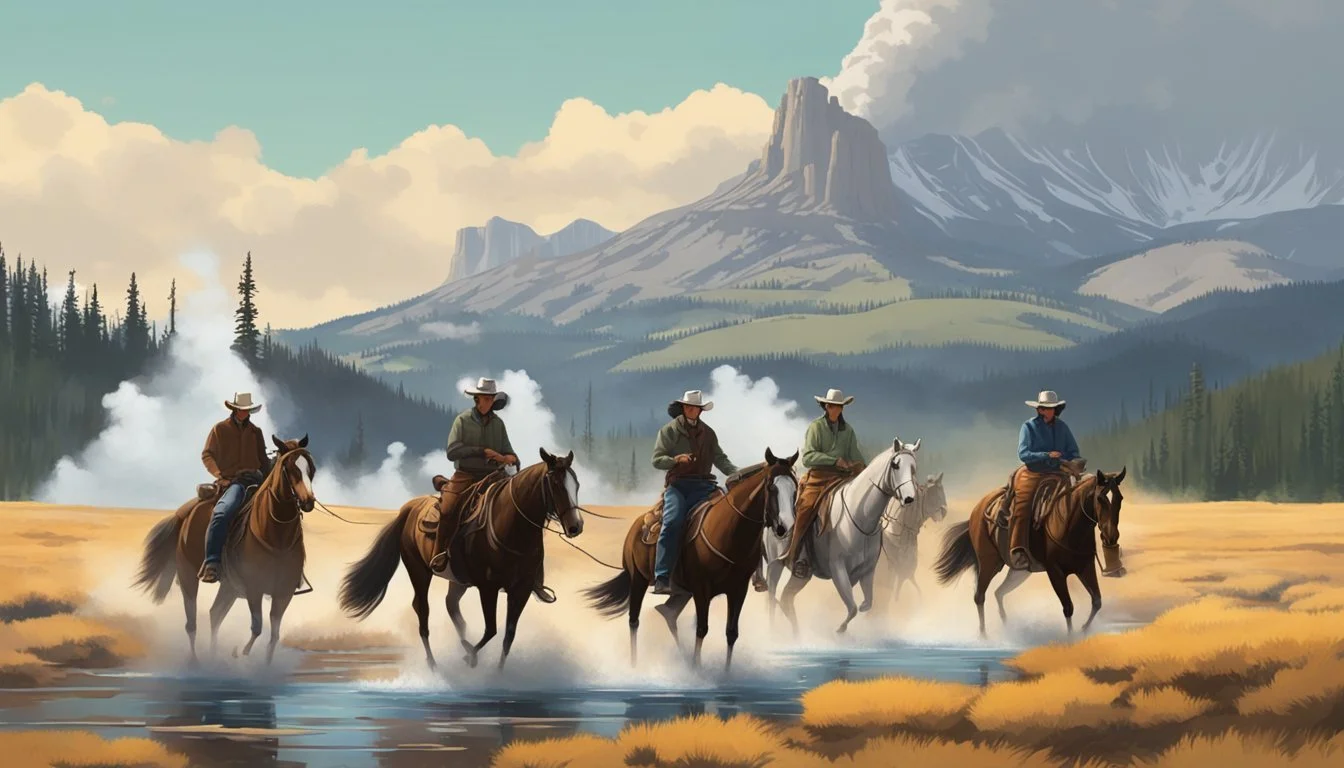
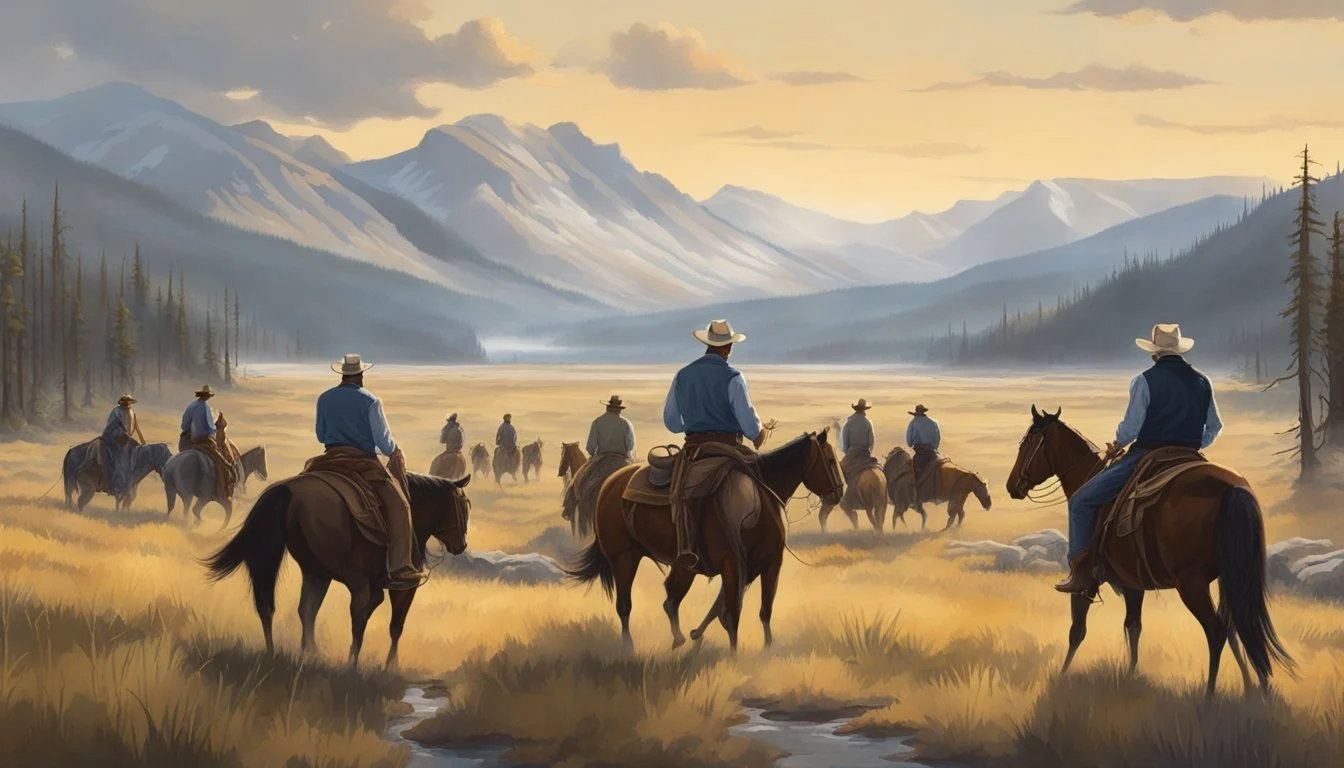
Reviewers have consistently highlighted the cinematography and the pacing of 1923 as its standout technical features. The visual language of the show mimics the scale of traditional epic Westerns, using the vast Montana landscapes not just as a backdrop, but as a secondary character that dictates the narrative rhythm.
One of the most praised aspects of the series is its unflinching depiction of the cultural genocide occurring at the time. Through the character of Teonna Rainwater, played by Aminah Nieves, the show explores the harsh conditions of the residential school system. This sub-plot provides a somber, necessary balance to the ranching drama, grounding the series in the actual, often uncomfortable, historical realities of the American West in 1923.
Table: Comparison of Yellowstone Universe Installments
| Feature | 1883 | 1923 | Yellowstone |
|---|---|---|---|
| Time Period | Late 19th Century | Early 20th Century | Modern Day |
| Primary Conflict | Survival and migration | Economic survival/Prohibition | Corporate/Political encroachment |
| Patriarchal Focus | James Dutton | Jacob Dutton | John Dutton III |
| Visual Style | Raw, documentary-like | Cinematic, epic scope | Slick, high-production drama |
Production Values and Period Authenticity
The technical execution of 1923 is a study in high-budget television production. The attention to detail regarding 1920s automotive transport, period-accurate fashion, and the specific vernacular of the time contributes to a sense of immersion. The production team utilized locations across Montana to capture the authentic light and atmosphere of the Big Sky Country.
However, some critiques have pointed out that the show’s density can feel overwhelming. With three distinct, geographically separated story arcs—the Montana ranch, the Chicago/Eastern establishment, and the African safari—the pacing occasionally fluctuates. Viewers expecting the streamlined, singular focus of modern Westerns may find the narrative leaps challenging at first. Yet, for those invested in the lore of the Dutton lineage, these threads are essential for understanding how the ranch evolved into the powerhouse seen in the contemporary series.
Potential Challenges for New Viewers
If you are approaching the Yellowstone saga through 1923, it is important to understand the barrier to entry regarding tone. This is not a "cowboy show" in the traditional sense of action-oriented escapism. It is a slow-burn prestige drama. The violence is stark and serves as a commentary on the era, and the emotional stakes are often rooted in familial tragedy.
Common Questions Regarding the Series
Do I need to watch 1883 before starting 1923? While not strictly necessary for understanding the plot, watching 1883 provides essential context for the Dutton family’s arrival in Montana and the tragedy that shaped their outlook on land ownership.
Is 1923 suitable for all viewers? The series is intended for mature audiences. It contains explicit depictions of violence, historical trauma, and harsh language consistent with the period dramas of the modern era.
How is 1923 connected to the modern Yellowstone show? It establishes the generational trauma and the long-standing feuds over land that define the actions of the Duttons in the present day. It explains why the ranch is so heavily guarded and why the family is so deeply protective of their boundaries.
What is the status of the series as of 2026? As of 2026, the series remains one of the flagship entries in the Paramount+ portfolio. It is considered a completed limited series arc with its primary narrative goals fulfilled, though it remains a central pillar for those exploring the full Yellowstone canon.
Why 1923 Remains Essential Viewing
The endurance of 1923 as a critical favorite lies in its ability to humanize the myths of the West. It refuses to paint the pioneers in a singular shade of heroic light. Instead, it shows a family struggling with their own moral contradictions while being subjected to an unforgiving environment.
For viewers who prioritize high-level acting—specifically the interplay between Ford and Mirren—the series is a masterclass in screen presence. For those interested in the craft of television writing, it represents a peak example of how to expand a "universe" without sacrificing narrative integrity. While the show demands a high level of patience, the payoff is a rich, complex, and emotionally resonance exploration of American history.
Recommendations for Viewers
If you are planning to commit to the Yellowstone saga, start with 1883 to establish the emotional baseline of the Dutton family’s migration. Once you have established that foundation, move into 1923 to see how the family transformed their survival into a dynastic struggle. By the time you reach the modern-day Yellowstone, you will have an appreciation for the sacrifices made by the previous generations that built the fences the modern characters are so desperate to hold.
For those who enjoy a deep dive into the production history, look into the behind-the-scenes features that document the construction of the Dutton ranch set. Seeing how a period-accurate, functioning ranch was created provides an entirely new layer of appreciation for the effort involved in bringing this vision to the screen.
Finally, approach the series as a slow-burn epic. Allow yourself the time to understand the socio-political motivations of each character, as the beauty of 1923 is not found in the speed of its resolution, but in the deliberate development of its complex, flawed, and incredibly resilient cast of characters.