The Weeknd’s touring career represents one of the most successful financial and artistic trajectories in the history of modern pop music. As of 2026, Abel Tesfaye has evolved from a mysterious underground R&B act into a global stadium powerhouse, generating over $600 million in career tour revenue. This growth was driven by a strategic shift from intimate club settings to massive, high-concept stadium productions, bolstered by his 2021 Super Bowl performance and the record-breaking "After Hours til Dawn" global tour.
The Evolution of a Global Touring Powerhouse
Understanding The Weeknd’s tour history requires looking past the raw numbers and examining the strategic "world-building" that accompanies each era. Unlike many artists who maintain a consistent touring scale, Tesfaye has systematically scaled his live presence. His early career (2011–2014) focused on establishing a "mystique," while his mid-career (2015–2017) transitioned into high-grossing arena circuits. The post-2020 era marked a definitive move into the "stadium-only" tier of performers, a feat achieved by very few solo male artists in the 21st century.
This breakdown analyzes the financial performance, attendance metrics, and production evolution of every major tour in The Weeknd's catalog, providing a comprehensive look at how he became one of the industry's most profitable live performers.
The Formative Years: Establishing the Brand (2012–2014)
Before the multi-million dollar stadium lights, The Weeknd’s live performances were centered on establishing a physical presence for a previously anonymous digital entity. After the viral success of his Trilogy mixtapes, his early tours were crucial for humanizing the brand and proving that his studio perfectionism could translate to a live setting.
The Fall Tour (2012)
The Fall Tour was Tesfaye’s first real foray into organized touring. Spanning 28 dates across North America and Europe, the tour primarily targeted theaters and mid-sized clubs with capacities ranging from 1,000 to 3,000.
- Financial Impact: Revenue for this tour was relatively modest, estimated in the low millions. However, the primary goal was not immediate profit but the conversion of internet fans into a dedicated ticket-buying base.
- Strategic Value: It established his reputation for high-quality vocal performances, distinguishing him from the "studio-only" R&B acts of the era.
The Kiss Land Fall Tour (2013)
Supporting his debut studio album, Kiss Land, this tour saw an increase in production value. Influenced by the album's Japanese cyberpunk aesthetic, the tour featured elaborate screen visuals and lighting rigs that hinted at his future interest in cinematic stage design.
- Venue Growth: He began moving into larger theaters and small arenas (e.g., Radio City Music Hall).
- Revenue Breakdown: Gross ticket sales began to climb as average ticket prices moved from the $30-$40 range into the $50-$70 range.
King of the Fall (2014)
The King of the Fall tour was a short but impactful four-city "mini-tour" that served as a victory lap. By partnering with Jhené Aiko and Schoolboy Q, Tesfaye demonstrated his ability to curate a "mini-festival" feel, a precursor to the massive support lineups he would later employ.
The Arena Era: Pop Superstardom (2015–2018)
The release of Beauty Behind the Madness in 2015 changed the financial trajectory of The Weeknd’s career. He moved from a "niche R&B artist" to a "Top 40 Juggernaut," and his touring infrastructure had to expand to meet this demand.
The Madness Fall Tour (2015)
This was The Weeknd's first true North American arena tour. With hits like "The Hills" and "Can't Feel My Face" dominating the charts, the demand for tickets shifted from thousands to hundreds of thousands.
- Gross Revenue: The tour grossed approximately $25 million over 22 dates.
- Attendance: Total attendance was estimated at over 300,000 fans.
- Production Costs: This tour introduced the "X-shaped" lighting rig, a significant investment in stage technology that signaled his transition into the "spectacle" category of touring.
Starboy: Legend of the Fall Tour (2017)
The Starboy era was a massive financial success. This tour was a truly global endeavor, spanning North America, Europe, South America, and Oceania across several legs.
- Total Revenue: The tour grossed approximately $92.7 million.
- Key Metrics: According to Pollstar, the tour sold nearly 1.2 million tickets across 95 shows.
- Efficiency: The average gross per city was nearly $1 million, a milestone that placed him in the upper echelon of touring artists.
- Production Value: The "Starship" stage—a massive, articulated triangular lighting structure that hung over the audience—became an iconic piece of 2010s concert production. The cost of transporting and rigging such a massive piece of equipment was high, but the "Instagrammable" nature of the show drove ticket demand and merchandise sales.
The Stadium Shift: After Hours til Dawn (2022–2025)
The most significant turning point in The Weeknd’s tour history was the decision to cancel his 2020 arena tour for After Hours and pivot entirely to a global stadium tour. This was a high-risk gamble; many artists can fill an arena (20,000 capacity), but very few can consistently fill a stadium (50,000–80,000 capacity).
The Strategic Pivot
The delay caused by the global pandemic and the massive success of "Blinding Lights"—which became one of the biggest songs of all time—allowed the demand to ferment. By the time the After Hours til Dawn tour launched in 2022, The Weeknd was no longer just a pop star; he was a cultural fixture.
Revenue Breakdown: After Hours til Dawn
This tour has become one of the highest-grossing tours of the decade. As of the final reporting periods leading into 2026, the tour has shattered previous records for solo R&B/pop performers.
- Gross Revenue (First Two Legs): The initial legs in North America and Europe grossed over $350 million.
- Total Career Gross Contribution: By the time the tour reached Asia and Australia in late 2024 and 2025, total gross revenue surpassed the $500 million mark for this tour alone.
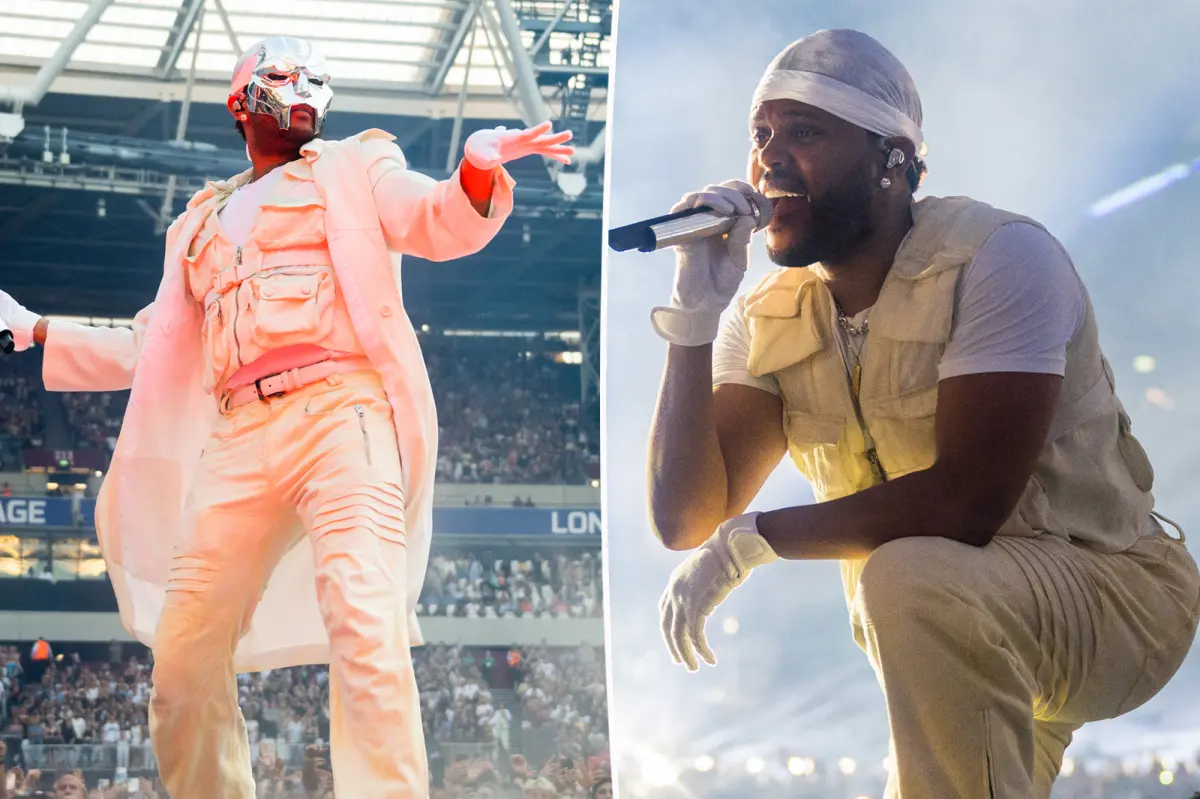
- Attendance Records: In London, Tesfaye broke the attendance record at London Stadium with 160,000 fans across two nights. Similar records were broken in Milan, Paris, and Mexico City.
- The UN World Food Programme (WFP) Impact: A notable financial aspect of this tour was the philanthropic integration. Tesfaye contributed $1 from every ticket sold to the XO Humanitarian Fund, raising over $5 million for global food security.
Production and Technical Depth
The After Hours til Dawn production was a technical marvel. It featured:
- The Cityscape: A massive, post-apocalyptic city built on the main stage.
- The Catwalk: A runway spanning nearly the entire length of the stadium floor.
- The Moon: A giant inflatable moon suspended at the opposite end of the stadium, which changed phases and colors throughout the show.
- LED Wristbands: Interactive audience lighting that integrated the crowd into the visual performance, a high-cost but high-reward engagement tool.
Career Revenue Summary Table
The following table summarizes the financial and attendance growth of The Weeknd's major headlining tours up to 2026.
| Tour Name | Year(s) | Primary Venue Type | Est. Gross Revenue | Est. Total Attendance |
|---|---|---|---|---|
| The Fall Tour | 2012 | Clubs / Theaters | $1.5M - $3M | 50,000 |
| Kiss Land Fall Tour | 2013 | Theaters / Small Arenas | $5M - $8M | 120,000 |
| The Madness Fall Tour | 2015 | Arenas | $25.2M | 300,000 |
| Starboy: Legend of the Fall | 2017 | Arenas | $92.7M | 1,200,000 |
| After Hours til Dawn | 2022-2025 | Stadiums | $500M+ | 4,500,000+ |
Note: Revenue figures are gross ticket sales. They do not include merchandise, sponsorships, or private appearance fees.
The Economics of a Weeknd Tour: Beyond Ticket Sales
While ticket sales provide the bulk of the revenue, The Weeknd's financial success is heavily bolstered by secondary revenue streams that are often overlooked.
Merchandise Strategy
The Weeknd is a pioneer in "merch-culture." Each tour features "drops" specific to certain cities or legs, creating a sense of scarcity. During the After Hours til Dawn tour, average per-head spending on merchandise was estimated between $15 and $25. In a stadium of 50,000 people, this equates to roughly $750,000 to $1.25 million in merchandise revenue per night.
Corporate Sponsorships and Partnerships
The business of Abel Tesfaye includes high-level corporate alignments. Notable partnerships include:
- Binance: The first global concert tour to integrate Web3 and crypto-utility, providing fans with digital souvenirs and NFTs.
- Apple Music: Extensive promotion and filmed specials (such as the Live at SoFi Stadium concert film) provide significant licensing revenue that offsets production costs.
- Amazon: Exclusive merchandise and livestreaming rights for specific events (e.g., the Dawn FM experience).
VIP and "Experience" Tiering
The modern touring economy relies heavily on VIP packages. For the After Hours til Dawn tour, VIP packages ranged from $400 to over $1,000. These packages often include premium seating, exclusive merchandise, and "lounge access," but notably, Tesfaye has largely moved away from "Meet and Greet" packages, focusing instead on the "Atmospheric Experience." This allows him to scale VIP revenue without the physical and time constraints of individual fan meetings.
Comparative Market Position
In the landscape of 2026, The Weeknd’s touring power places him in a very elite bracket. To understand his revenue breakdown, one must compare him to his peers:
- Drake: While Drake historically grossed more in the mid-2010s, The Weeknd’s successful pivot to global stadiums has allowed him to surpass Drake’s per-show averages on recent cycles.
- Bruno Mars: Mars remains a top-tier earner, but focuses more on residencies (Las Vegas) and "prestige" arena runs, whereas The Weeknd focuses on "global spectacles."
- Taylor Swift / Beyoncé: While these artists remain the gold standard for stadium gross (often exceeding $10 million per night), The Weeknd is one of the only male solo artists currently capable of competing in their "all-stadium" league on a global scale.
Common Logistical Challenges and Risks
The massive revenue of a stadium tour comes with significant overhead.
- Transportation: Moving the After Hours til Dawn stage required over 50 trucks and multiple chartered cargo planes for international legs.
- Weather Contingencies: Stadium tours are vulnerable to weather. Cancellations in the stadium tier are significantly more expensive than in arenas due to the sheer volume of refunds and the difficulty of rescheduling 50,000+ people.
- Security and Insurance: As a high-profile global star, the insurance premiums for a tour of this magnitude are astronomical, often taking a 3-5% bite out of the gross profit.
Frequently Asked Questions
What was The Weeknd’s highest-grossing tour?
The After Hours til Dawn Tour is his highest-grossing tour to date. By its conclusion in 2025, it grossed over $500 million globally, making it one of the most successful tours in music history. It benefited from the massive global success of the After Hours and Dawn FM albums and the "stadium-only" format.
How much does The Weeknd make per concert?
During his stadium era (2022–2026), The Weeknd averaged between $6 million and $9 million in gross revenue per show. After accounting for production costs, venue fees, promoter cuts, and taxes, the artist's take-home pay is significantly lower but still remains in the multi-million dollar range per night.
Did the Super Bowl help his tour revenue?
Absolutely. Tesfaye famously spent $7 million of his own money on the 2021 Super Bowl halftime show production. This investment served as a global commercial for his live show, directly leading to the massive demand for the After Hours til Dawn stadium tour. It transitioned him from an "arena artist" to a "stadium legend."
How many people have seen The Weeknd live?
Across his entire headlining career through 2026, it is estimated that over 6.5 million people have attended a Weeknd concert. The majority of this attendance comes from the Starboy and After Hours til Dawn tours.
Why did he cancel the After Hours arena tour?
The tour was originally postponed due to the COVID-19 pandemic. However, Tesfaye and his team eventually decided to cancel the arena dates entirely to "upgrade" the experience to stadiums. This allowed for a more ambitious production and accommodated the massive surge in his global popularity that occurred during the lockdown.
Final Recommendation for Analysis
For those tracking the business of music, The Weeknd’s tour history serves as a blueprint for scaling a brand. His success is not merely the result of hit songs, but of a disciplined transition between venue tiers. Investors and industry analysts should look at his "per-head" merchandise spending and his ability to maintain high ticket prices in international markets as the primary indicators of his continued financial dominance. As he enters the "Hurry Up Tomorrow" era in 2025-2026, his move toward more conceptual, one-off destination events suggests a future where he may prioritize "event-based" revenue over traditional, grueling 100-date world tours.