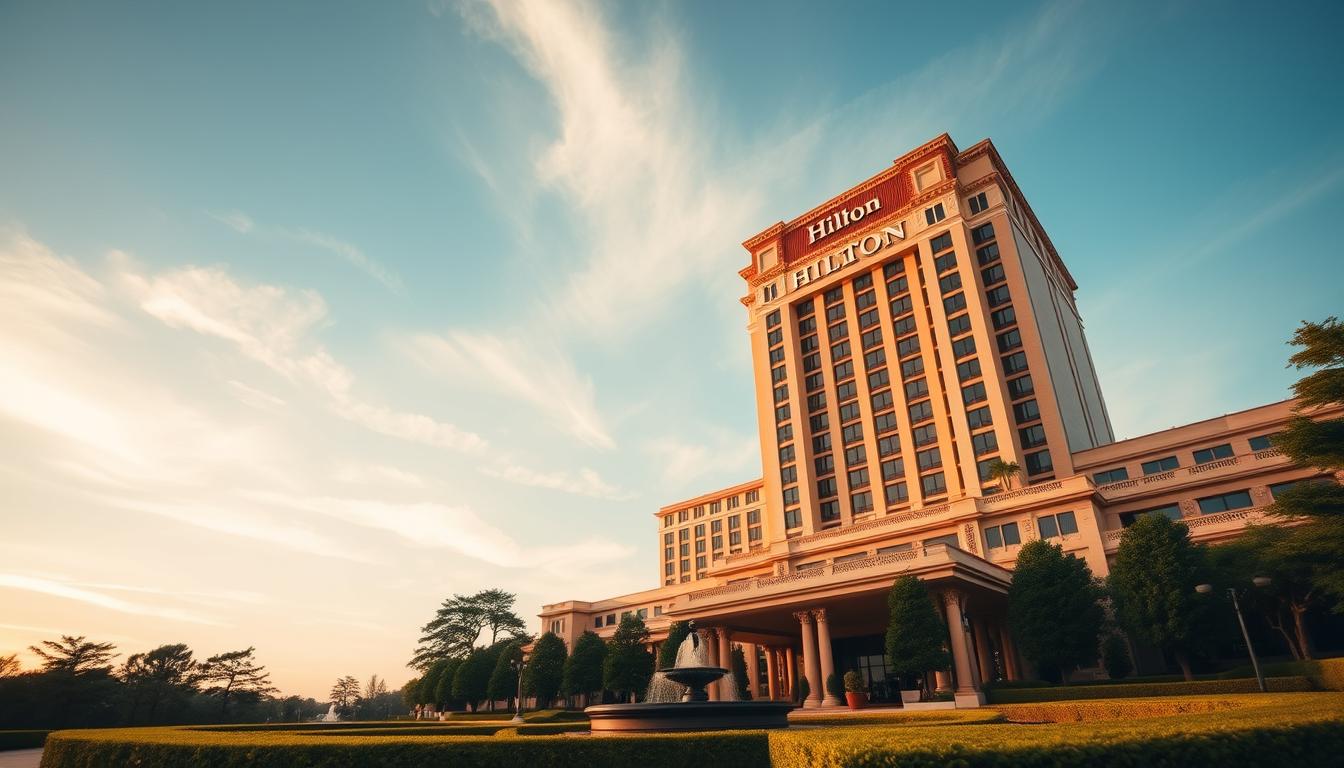
No, the Hilton family no longer owns Hilton Hotels. While Conrad Hilton founded the company in 1919 and his descendants maintained involvement for decades, the family sold off its remaining financial stakes. Today, Hilton Worldwide is a publicly traded multinational corporation owned by institutional investors, mutual funds, and individual shareholders.
To fully understand the current ownership status of Hilton Hotels, it is necessary to trace the evolution of the brand from a single Texas property into a global hospitality titan. The journey involves major corporate acquisitions, leveraged buyouts, private equity stewardship, and a complete transition from a family-run enterprise to a publicly held powerhouse. This transformation reshaped not only the Hilton portfolio but also the broader hospitality industry, influencing how large hotel chains are capitalized, managed, and expanded across international markets.
The Origins and Rise of the Hilton Dynasty
The history of Hilton Hotels begins with Conrad Hilton, an ambitious entrepreneur who purchased his first property, the Mobley Hotel in Cisco, Texas, in 1919. Over the subsequent decades, Conrad Hilton expanded his footprint aggressively, acquiring landmark properties like the Drake in Chicago and the Waldorf-Astoria in New York City. In 1946, he consolidated these diverse holdings under Hilton Hotels Corporation (HHC), which became the first hotel company listed on the New York Stock Exchange in 1947.
During this foundational era, the company operated strictly as a family-influenced business. Conrad Hilton served as president and later chairman, instilling a culture of hands-on management and operational excellence. Members of the Hilton family, including his son Barron Hilton, played pivotal roles in daily operations and strategic planning. Barron Hilton eventually succeeded his father as CEO and chairman, guiding the company through an era of unprecedented international expansion, including the creation of Hilton International to manage properties outside the United States.
However, as the company grew into a multi-billion-dollar enterprise, the sheer scale of capital required for global expansion necessitated a shift away from sole family ownership. Public share offerings diluted the family's equity stake, setting the stage for future corporate restructuring. Even as family members maintained significant leadership positions and board seats, the financial architecture of the company began to mirror that of other large-scale public corporations rather than a tightly held family business.
The Blackstone Group Era and Private Equity Takeover
The definitive turning point in the modern ownership of Hilton occurred in July 2007, just before the onset of the global financial crisis. The Blackstone Group, a massive private equity firm, acquired Hilton Hotels Corporation in a leveraged buyout valued at approximately $26 billion. This transaction took Hilton private, completely ending the era of public trading and significantly altering the company's governance structure.
For the Hilton family, this buyout meant a final cashing out of their remaining equity stakes. Barron Hilton, who was serving as chairman of the board at the time of the sale, supported the transaction, which offered a substantial premium to shareholders. The proceeds from Barron Hilton's estate and personal holdings were largely earmarked for philanthropic causes, most notably the Conrad N. Hilton Foundation, fulfilling a commitment he made to leave the vast majority of his wealth to charity rather than passing it down entirely as direct family inheritance.
Under Blackstone’s ownership, Hilton underwent a massive operational overhaul. Blackstone restructured the company's heavy debt load, streamlined management, invested heavily in digital infrastructure, and expanded core brands like Hampton by Hilton and Embassy Suites. Crucially, Blackstone engineered Hilton's return to the public markets through an initial public offering (IPO) in December 2013. This IPO was one of the most successful private-equity-backed public offerings in history, netting billions for Blackstone as it gradually sold off its remaining shares over the subsequent years, completing its exit by 2018.
Current Ownership Structure of Hilton Worldwide Holdings Inc.
Today, Hilton Worldwide Holdings Inc. operates as a publicly traded corporation listed on the New York Stock Exchange under the ticker symbol HLT. Because it is a public company, it does not have a single owner or a controlling family. Instead, ownership is distributed among millions of institutional and retail shareholders worldwide.
Institutional investors—such as large mutual funds, pension funds, and asset management firms—own the vast majority of Hilton’s shares. Major financial institutions like Vanguard Group, BlackRock, and Fidelity Investments hold significant percentages of the company's equity on behalf of individual investors through index funds, retirement accounts, and exchange-traded funds (ETFs).
| Shareholder Category | Approximate Ownership Type | Primary Influence on Governance |
|---|---|---|
| Institutional Investors | Mutual funds, pension funds, asset managers (e.g., Vanguard, BlackRock) | Voting power on board elections, executive compensation, and strategic resolutions |
| Individual Retail Investors | Public stock market purchasers via brokerage accounts | Fractional voting rights and dividend participation |
| Corporate Insiders | Executive officers, board directors, and senior management | Operational leadership and equity-based compensation alignment |
| The Hilton Family | Historically significant; currently holds negligible or zero equity | No controlling ownership, operational control, or board representation |
This ownership model means that corporate decisions are guided by a board of directors elected by shareholders and executed by professional management executives, such as Chief Executive Officer Christopher J. Nassetta. The focus of the company is entirely centered on shareholder value, franchise expansion, brand loyalty programs (such as Hilton Honors), and global asset-light growth strategies.
Asset-Light Business Model and Franchise Operations
A vital aspect of understanding modern Hilton Hotels is recognizing that the corporation rarely owns the physical real estate of the hotels bearing its name. Instead, Hilton operates primarily under an "asset-light" business model centered on franchising and management contracts.
Under this structure, independent real estate developers, private equity firms, and real estate investment trusts (REITs) own the physical buildings and land. These owners contract with Hilton to license the brand name, utilize reservation systems, adhere to strict brand standards, and participate in global marketing campaigns. In return, Hilton collects franchise royalties and management fees.
- Franchise Agreements: The vast majority of Hilton-branded properties are independently owned and operated by third-party franchisees who pay initial application fees and ongoing royalty percentages based on gross room revenues.
- Management Contracts: For select flagship or high-profile properties, Hilton directly manages day-to-day hotel operations on behalf of the real estate owners for a management fee.
- Ownership and Leases: Hilton retains direct ownership or leases a very small fraction of its total portfolio, typically only for iconic properties where direct control aligns closely with strategic brand positioning.
This separation of brand ownership from real estate ownership shields Hilton from the heavy capital expenditures and market volatility associated with property maintenance and construction, enabling rapid global scaling.
Frequently Asked Questions
Do any members of the Hilton family still work for Hilton Hotels?
No. While family members held executive positions and board seats for decades after Conrad Hilton founded the company, the family no longer holds operational roles, executive positions, or board representation within Hilton Worldwide. The current leadership team consists of professional corporate executives with extensive experience in the global hospitality industry.
What happened to Barron Hilton's wealth after he passed away?
Barron Hilton, who passed away in 2019, followed the philanthropic example of his father, Conrad Hilton. He committed 97% of his fortune to the Conrad N. Hilton Foundation. The sale of Hilton Hotels to The Blackstone Group in 2007 provided a massive influx of capital that directly funded the foundation’s extensive charitable work in areas such as clean water access, education, and support for vulnerable populations.
Is Hilton Hotels affiliated with Paris Hilton?
Paris Hilton, the great-granddaughter of Conrad Hilton, is a media personality, businesswoman, and socialite, but she has no ownership stake, executive role, or operational involvement in Hilton Worldwide. While her family name is permanently linked to the brand's history, her professional career focuses on her own media ventures, fragrance lines, fashion, and DJ residencies.
How is Hilton managed if it is a public company?
Hilton Worldwide Holdings Inc. is governed by a board of directors elected by its shareholders. The board appoints a Chief Executive Officer (currently Christopher J. Nassetta) and an executive leadership team responsible for setting corporate strategy, maintaining brand standards, overseeing the Hilton Honors loyalty program, and expanding the brand portfolio globally.
Does Hilton own all of its hotels?
No. Hilton operates primarily under an asset-light model. The physical buildings and real estate are typically owned by independent third-party real estate developers, investors, or REITs. Hilton functions as a hospitality management and franchising company, licensing its trademarks, reservation platforms, and operational guidelines in exchange for fees and royalties.
Conclusion and Next Actions
The Hilton family no longer owns Hilton Hotels, having transitioned the enterprise through public stock offerings before a definitive private equity buyout in 2007 severed the family's financial ties. Today, Hilton operates as a publicly traded global hospitality leader owned by institutional investors and public shareholders, utilizing an asset-light franchising model to manage thousands of properties worldwide. For travelers, investors, and industry analysts, understanding this corporate evolution clarifies how the brand maintains its massive global scale while remaining entirely divorced from its founding family dynasty. If you are researching investment opportunities or corporate structures within the hospitality sector, examine Hilton's latest publicly available SEC filings, annual reports, and earnings calls via investor relations portals to assess current financial performance and portfolio growth strategies.