Elon Musk cars primarily refer to the fleet of electric vehicles designed and manufactured by Tesla, Inc. These automobiles, including the Model S, 3, X, and Y, as well as the Cybertruck, are characterized by high-performance electric powertrains, integrated advanced driver-assistance systems known as Autopilot and Full Self-Driving (FSD), and a unique direct-to-consumer sales model that bypasses traditional dealerships.
The Evolution of the Tesla Product Ecosystem
To understand the vehicles associated with Elon Musk, one must distinguish between the engineering vision and the current market reality. Tesla’s roadmap has evolved from high-end, low-volume luxury sports cars to high-volume mass-market platforms.
The original vision, outlined in the 2006 "Secret Tesla Motors Master Plan," was to build a luxury sports car, use that money to build an affordable car, and then use that money to build an even more affordable car. This progression is evident in the current 2026 lineup. The company started with the Roadster (2008), which established that electric vehicles could be desirable and high-performing, before moving into the flagship Model S sedan, which proved that an electric vehicle could compete with and outperform traditional internal combustion engine (ICE) luxury vehicles in range, acceleration, and safety ratings.
Current Tesla Model Portfolio (2026 Status)
As of 2026, Tesla maintains a structured product offering. Each model serves a distinct market segment, though they share significant portions of their electrical architecture and software stacks.
The Mass-Market Segment: Model 3 and Model Y
The Model 3 sedan and Model Y crossover represent the core volume drivers for the company. These vehicles share approximately 75% of their parts. The Model 3 is optimized for aerodynamics and efficiency, whereas the Model Y leverages the same platform to provide increased cargo space and a higher seating position, which has made it the primary choice for families.
The Premium Segment: Model S and Model X
The Model S and Model X serve as the "halo" vehicles. They incorporate more advanced dual-motor and tri-motor (Plaid) configurations, offering extreme acceleration and higher-end interior appointments. The Model X remains notable for its falcon-wing doors, a design choice that reflects the company’s intent to prioritize unconventional engineering over traditional automotive standards.
The Utility Segment: Cybertruck
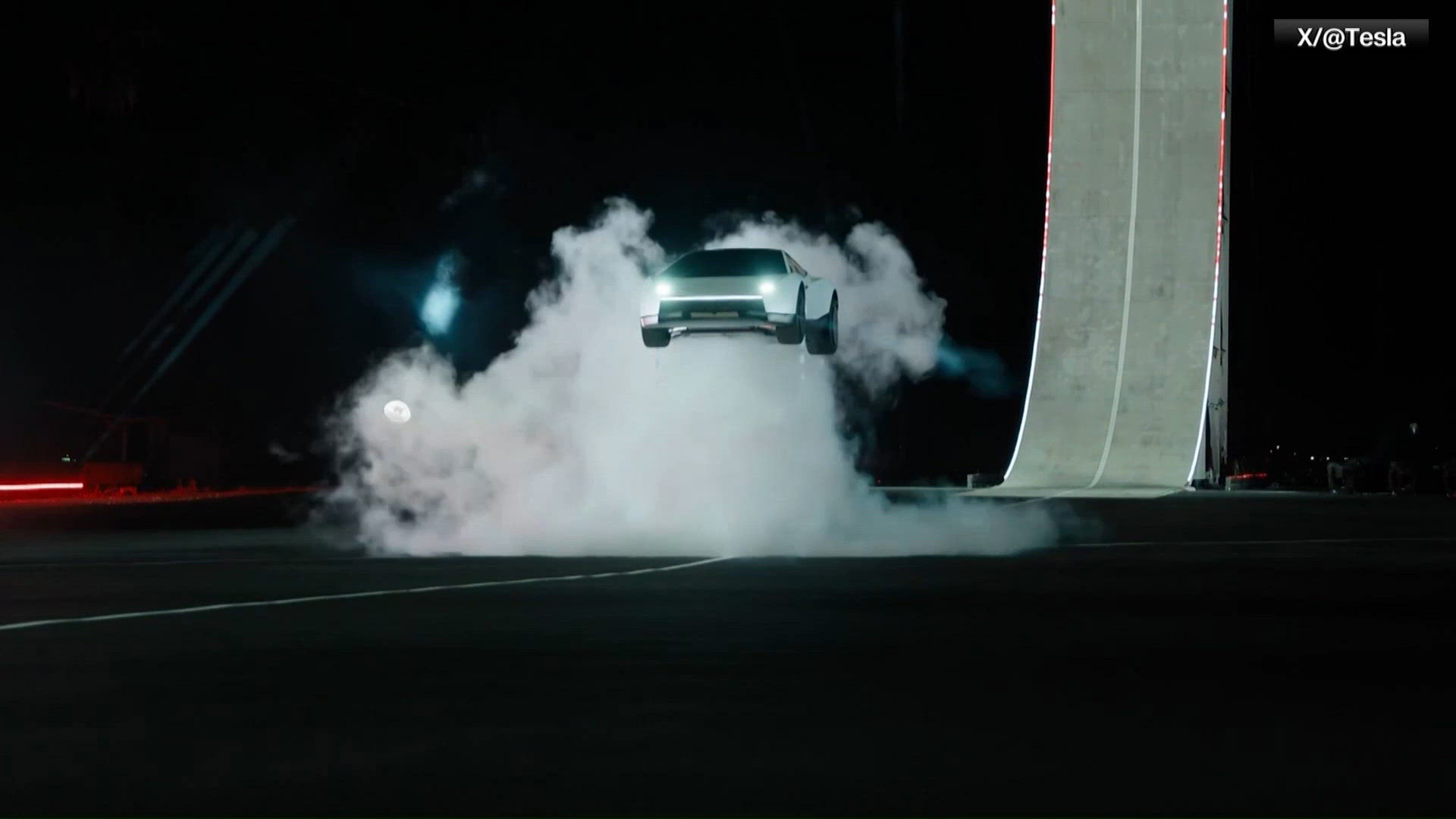
The Cybertruck represents a departure from traditional light-truck design. Built with an exoskeleton of ultra-hard 30X cold-rolled stainless steel, it is designed for durability and unique aesthetics. In 2026, the Cybertruck continues to occupy a specialized niche, appealing to buyers who prioritize its specific structural advantages and high towing capacity over the more conventional silhouettes of competitors like the Ford F-150 Lightning or Rivian R1T.
Comparative Overview of Tesla Models
The following table summarizes the positioning and core focus of the current vehicle fleet.
| Model | Classification | Primary Intent | Notable Technical Feature |
|---|---|---|---|
| Model 3 | Mid-size Sedan | High-efficiency commuting | Minimalist cabin interface |
| Model Y | Compact Crossover | Family utility / Volume | Integrated heat pump system |
| Model S | Luxury Sedan | Performance and range | Tri-motor "Plaid" powertrain |
| Model X | Luxury SUV | Premium passenger space | Falcon-wing rear doors |
| Cybertruck | Light Truck | Durability / Utility | Stainless steel exoskeleton |
The Role of Software and Autonomy
A defining characteristic of these vehicles is that they are software-defined products. Unlike traditional automotive manufacturers that rely on disparate electronic control units (ECUs), Tesla vehicles utilize a centralized computing architecture. This allows for Over-the-Air (OTA) updates, which can modify vehicle behavior, improve battery efficiency, and add new user interface features long after the car has left the factory.
Central to the ownership experience is the Autopilot suite. It is critical for owners to understand that while these systems provide advanced lane-keeping and traffic-aware cruise control, they do not render the vehicle autonomous. The responsibility for the safe operation of the vehicle remains entirely with the driver at all times. Regulatory scrutiny regarding these features has remained high, and Tesla continues to iterate on its "Full Self-Driving" (FSD) software through beta testing, which relies on a massive fleet of vehicles collecting real-world driving data to train neural networks.
Purchasing and Maintenance Prerequisites
Purchasing a vehicle associated with Elon Musk’s Tesla requires navigating a different process than traditional manufacturers.
- Ordering: The process is exclusively digital. Prospective buyers configure their vehicle on the official Tesla website, select a delivery location, and complete the order with a deposit.
- Pricing and Fees: Tesla uses a "no-haggle" pricing policy. The price shown on the website is the price of the vehicle, though it may fluctuate based on current production costs and regional incentives.
- Infrastructure: The most critical prerequisite for ownership is reliable access to charging. While the "Supercharger" network—a proprietary high-speed charging infrastructure—has expanded significantly, potential owners should verify charging availability in their specific geographic region and their ability to install a Level 2 home charger.
- Maintenance: Tesla vehicles do not require traditional internal combustion engine maintenance such as oil changes, spark plug replacements, or emissions system checks. However, owners must perform routine tasks, including tire rotations, brake fluid testing (due to regenerative braking, brake pads often last much longer than in standard vehicles), and cabin air filter replacements.
Safety and Performance Metrics
The safety reputation of these vehicles is largely bolstered by the fact that the battery pack is located at the base of the chassis, creating a low center of gravity that significantly reduces the risk of rollover—a common hazard in taller vehicles. Furthermore, the lack of an engine block allows for a large "crumple zone" in the front (often referred to as the "frunk"), which enhances impact absorption.
Performance, particularly in the "Plaid" versions of the Model S and X, is often cited as a benchmark. The ability of electric motors to provide instant torque allows for acceleration figures that previously only existed in million-dollar supercars. However, prospective buyers should note that extreme performance usage significantly impacts tire longevity and efficiency.
Common Challenges and Troubleshooting
Despite the technological advancements, owners may encounter specific challenges:
- Range Anxiety: While the range of Tesla vehicles is among the highest in the industry, range can be impacted by cold weather, high speeds, and heavy loads. Owners are encouraged to use the onboard trip planner, which accounts for elevation changes and charging stop requirements.
- Fit and Finish: Historically, some owners have reported concerns regarding panel gaps and interior material consistency. While these have improved as manufacturing processes have scaled, it is common practice to perform a detailed visual inspection of the vehicle upon delivery.
- Service Availability: Because Tesla operates its own service centers rather than using a franchise model, service appointments can sometimes face wait times in regions with high market penetration.
Frequently Asked Questions
1. Does a Tesla come with "self-driving" capabilities included?
No. While all new Teslas come with basic safety features (Autopilot), the "Full Self-Driving" capability is a paid add-on software package. It provides additional features like lane changes and traffic light recognition, but it remains a driver-assist system, not an autonomous system.
2. Can I use non-Tesla charging stations?
Yes. Tesla vehicles can use most standard J1772 public charging stations with the appropriate adapter, and many models now support the North American Charging Standard (NACS) protocol, which is being adopted by a wide range of other automakers.
3. How often do Tesla batteries need replacement?
Tesla batteries are designed to last the life of the vehicle, often exceeding 300,000 to 500,000 miles. While degradation occurs, resulting in a gradual reduction in range, complete battery failure is statistically rare under normal operating conditions.
4. What is the benefit of the mobile app?
The mobile app is essential for ownership. It serves as your key, allows for climate control pre-conditioning, tracks charging progress, and enables remote updates. Without the app, many of the vehicle's convenience features remain inaccessible.
5. Why is there no traditional dealership?
The direct-to-consumer model is designed to simplify the purchase process and maintain price transparency. By eliminating the middleman, Tesla claims to reduce overhead costs, though this model is subject to varying state-level legal restrictions regarding direct sales in some jurisdictions.
Final Recommendations for Prospective Owners
When considering the purchase of an Elon Musk-designed vehicle, prioritize utility and daily usage patterns over raw performance specifications. If you are a high-mileage commuter, the efficiency of the Model 3 or Model Y is likely to provide the best return on investment. If you require significant towing capacity or off-road capability, the Cybertruck is the specialized tool for that task.
Before finalizing a purchase, ensure you have a plan for daily charging. Access to a home charger is the single most important factor in a seamless electric vehicle ownership experience. Once that is established, the integration of software updates and the proprietary Supercharger network provides a level of convenience that remains distinct from the broader electric vehicle market. Always verify the current tax incentives in your jurisdiction, as these change frequently and can significantly impact the net cost of the vehicle.