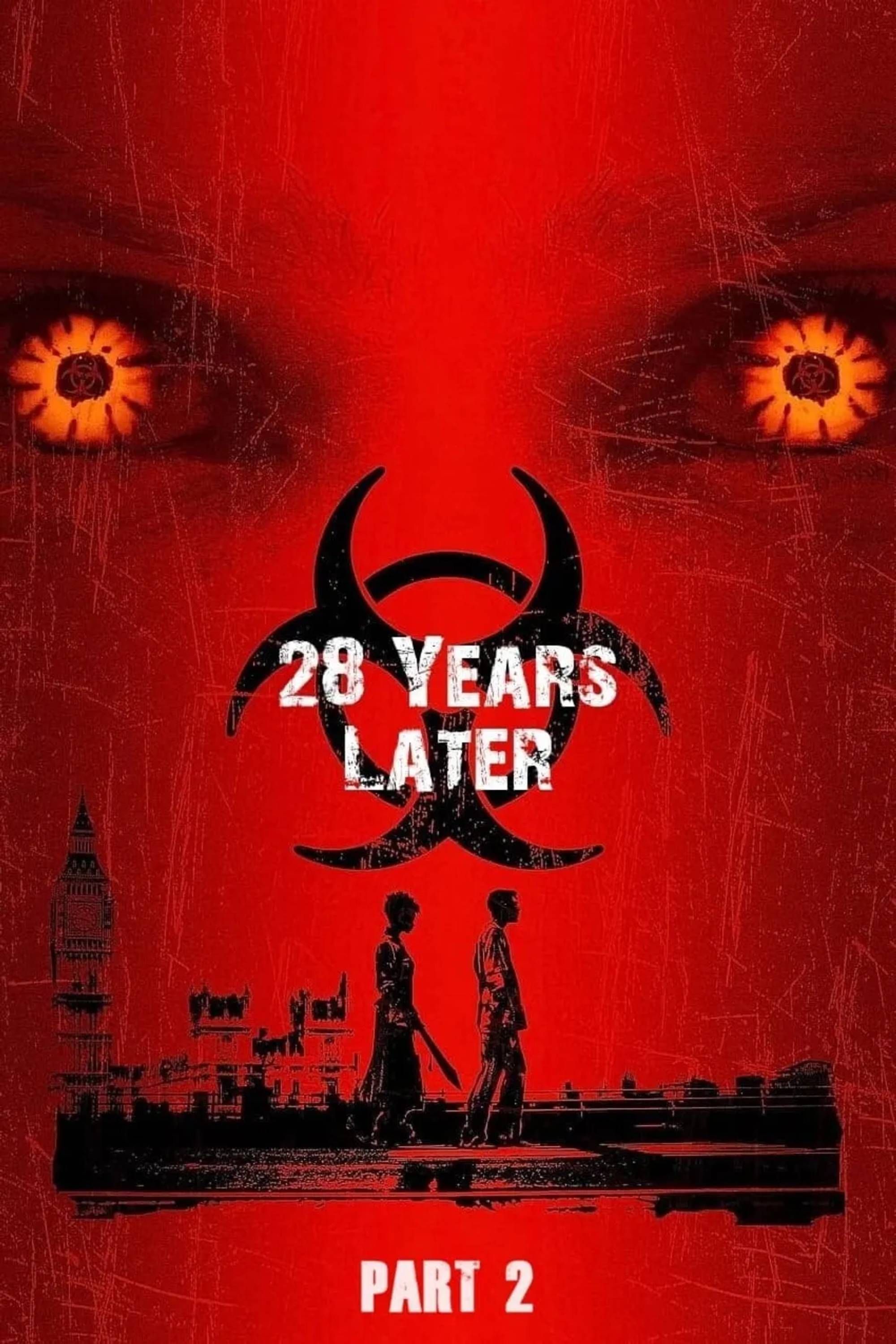
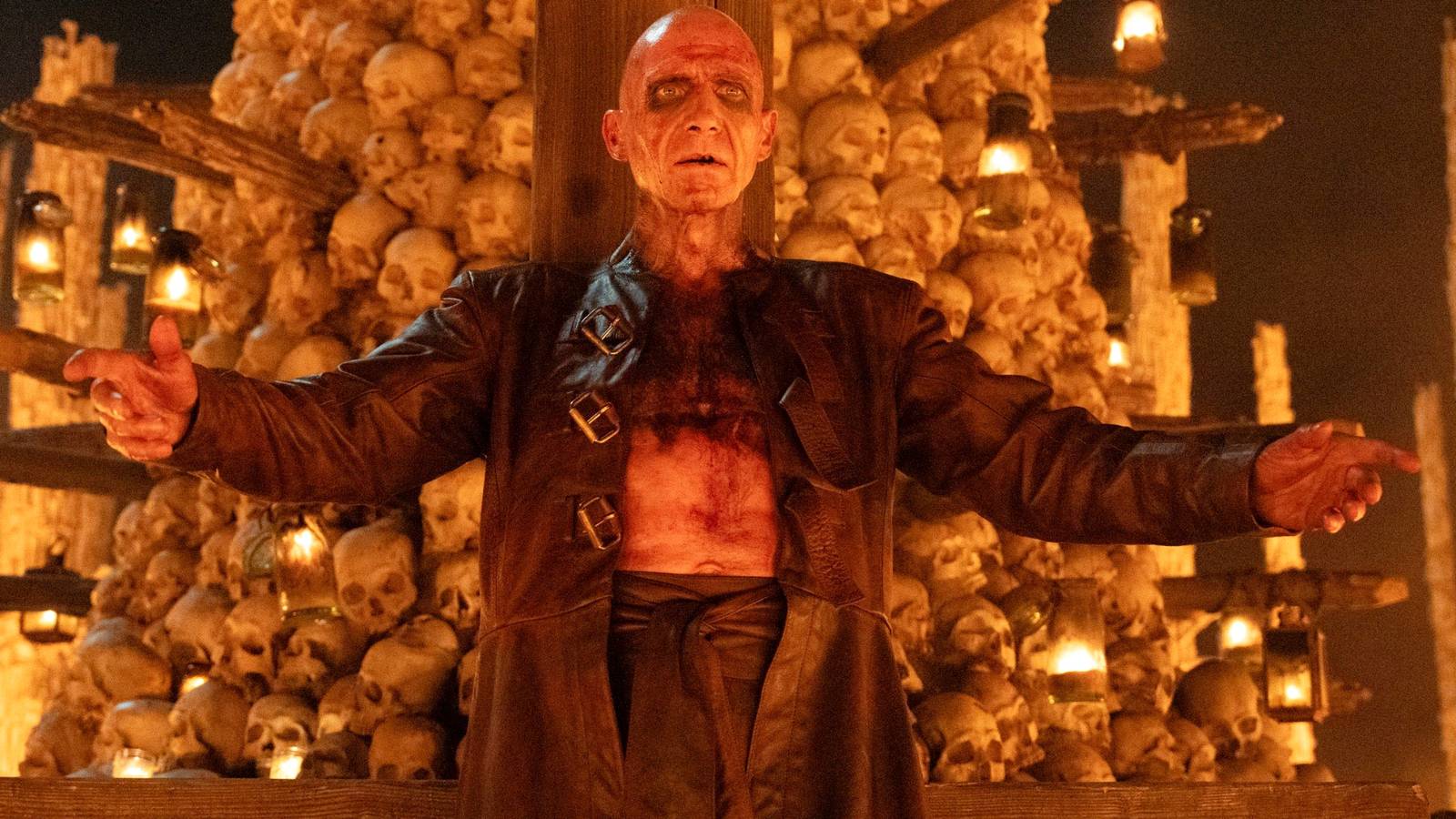
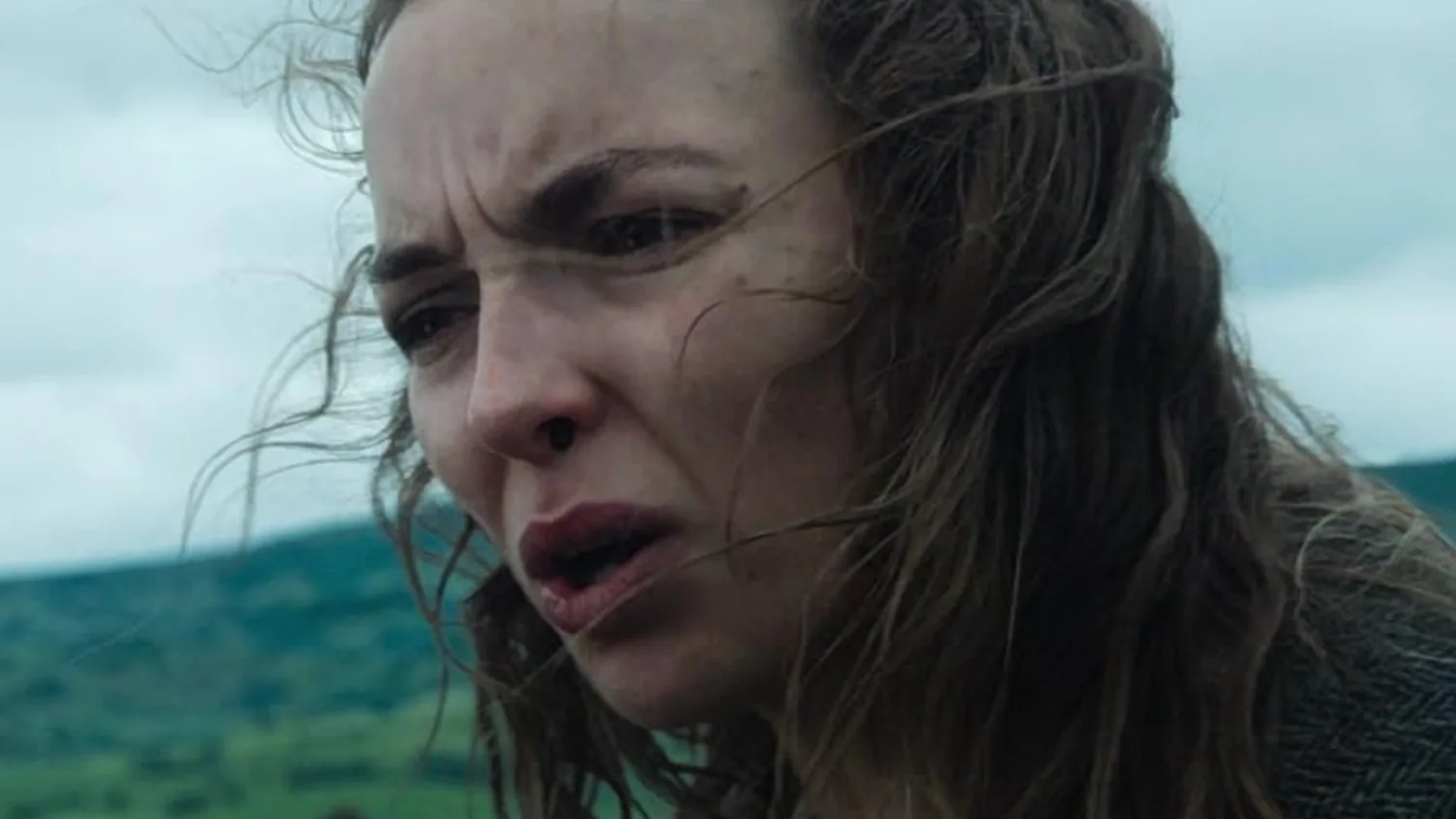
28 Years Later is the 2025 post-apocalyptic horror film directed by Danny Boyle and written by Alex Garland. Serving as the direct sequel to 28 Days Later (2002) and 28 Weeks Later (2007), it launches a new trilogy. The film features the return of Cillian Murphy alongside new leads Jodie Comer and Aaron Taylor-Johnson.
The Long Journey from 28 Weeks to 28 Years
The road to "28 Years Later" was paved with nearly two decades of speculation, false starts, and shifting creative priorities. Following the success of 28 Days Later, which effectively reinvented the zombie genre by introducing "fast-running" infected, and the 2007 sequel 28 Weeks Later, fans spent years clamoring for a third installment. For a long time, the project was colloquially known as 28 Months Later. However, as the gap between films widened, the creative team realized that a "months" timeline no longer suited the aging of the original characters or the evolution of the world they inhabited.
The decision to jump forward nearly three decades was a strategic choice by Alex Garland and Danny Boyle. By setting the film 28 years after the initial outbreak of the Rage Virus, the narrative can explore a world that has fundamentally adapted to—or been destroyed by—the infection. This timeframe allows for a complete "generational" shift, looking at how society functions when the memory of the "old world" is fading into history. It also facilitates the return of Cillian Murphy's character, Jim, in a way that feels organic to his actual age.
The revitalization of the franchise was officially confirmed in early 2024 when Sony Pictures won a competitive bidding war for the rights. The deal wasn't just for a single film but for a planned trilogy, ensuring that the lore of the Rage Virus would be expanded with a cohesive, long-term vision. This structural commitment marks a departure from the standalone nature of the previous sequel, aiming instead for an epic narrative arc.
Technical Innovation: Filming on iPhone 15 Pro Max
One of the most significant technical talking points regarding "28 Years Later" is the decision to shoot the entire film using the iPhone 15 Pro Max. This choice was not merely a marketing gimmick but a deliberate artistic callback to the origins of the franchise. In 2002, Danny Boyle shot 28 Days Later on the Canon XL-1, a standard-definition digital video camera. At the time, using consumer-grade digital equipment for a major feature film was revolutionary, giving the movie a gritty, documentary-like aesthetic that felt more immediate and terrifying than traditional 35mm film.
In 2025, using the iPhone 15 Pro Max serves as a spiritual successor to that decision. While the iPhone is capable of high-fidelity 4K capture, the production utilized various modifications to achieve a cinematic look that remains distinct from traditional Hollywood setups.
Specialized Hardware and Lenses
To transform a smartphone into a professional cinema rig, the production utilized:
- Beastgrip Cages: Specialized rigs that allow for the attachment of professional-grade accessories.
- DOV Adapters: These allowed the crew to mount full-sized SLR lenses to the iPhone, providing the shallow depth of field and optical characteristics required for high-end filmmaking.
- External Recording: Utilizing the iPhone's ability to record in ProRes Log to external SSDs, ensuring the highest possible dynamic range for color grading in post-production.
This technical approach allowed the camera crew to operate in tight spaces and move with a level of agility that larger IMAX or Arri Alexa rigs could not match. It mirrors the "guerrilla filmmaking" style of the original movie while utilizing the peak of modern mobile technology.
Cast and Characters: A New Generation and a Returning Icon
The casting of "28 Years Later" blends the prestige of the original film with contemporary star power. The involvement of Cillian Murphy was the most anticipated aspect of the production. Having moved from a breakout star in the original film to an Academy Award winner for Oppenheimer, Murphy’s return as Jim provides the emotional anchor for the new trilogy.
Principal Cast Breakdown
- Cillian Murphy (Jim): While his role was initially kept under wraps, it was eventually confirmed that he would return not just as an executive producer but as a central figure in the narrative.
- Jodie Comer: Known for her versatility in Killing Eve and The Last Duel, Comer brings a grounded, intense energy to the film. Her character represents the "survivor generation," those who have spent their entire lives or the majority of their adulthood in the post-outbreak world.
- Aaron Taylor-Johnson: Adding significant physical presence and action credentials, Taylor-Johnson plays a pivotal role in the scouting and defense of the remaining human enclaves.
- Ralph Fiennes: His inclusion adds a layer of gravitas to the political or organizational remnants of society that the characters encounter.
The chemistry between these actors is designed to carry the weight of a world that is both familiar and alien. Unlike 28 Weeks Later, which focused on the immediate aftermath of a failed repopulation effort, "28 Years Later" focuses on the long-term sociological effects of the Rage Virus.
Narrative Themes and the "Rage" Legacy
The primary subject of "28 Years Later" is the concept of a "post-post-apocalypse." Most horror films focus on the immediate collapse of society. By jumping 28 years ahead, Alex Garland’s script explores what happens when the apocalypse becomes the status quo.
The film deals with several core themes:
- Memory vs. History: How do younger generations view the "before times"? The film explores the mythology that has built up around the initial outbreak.
- Environmental Reclamation: Nature has largely retaken the urban centers of Great Britain. The visual language of the film emphasizes the beauty of a world without humans, contrasted with the sudden, violent interruptions of the Rage Virus.
- The Evolution of the Virus: There are narrative hints that the Rage Virus itself has not remained static. Just as pathogens evolve in the real world, the "infected" in this film may exhibit new behaviors or physiological changes that challenge the survival tactics humans have perfected over three decades.
By focusing on these deeper elements, the film transcends the "zombie movie" label, positioning itself as a speculative drama with horror elements. According to The Hollywood Reporter, the scale of this film is significantly larger than its predecessors, moving beyond the confines of London to show the state of the broader British Isles.
Production Timeline and Trilogy Planning
The production of "28 Years Later" was handled with extreme secrecy, primarily filming in the North of England (specifically Northumberland) during the summer of 2024. The choice of location provided the wide-open, rugged landscapes necessary to depict a depopulated Britain.
| Feature | 28 Days Later (2002) | 28 Weeks Later (2007) | 28 Years Later (2025) |
|---|---|---|---|
| Director | Danny Boyle | Juan Carlos Fresnadillo | Danny Boyle |
| Writer | Alex Garland | Rowan Joffé et al. | Alex Garland |
| Primary Format | MiniDV (Canon XL-1) | 16mm/35mm Film | iPhone 15 Pro Max (ProRes) |
| Timeframe | 28 Days post-outbreak | 28 Weeks post-outbreak | 28 Years post-outbreak |
| Location | London / Cumbria | London (Green Zone) | Northern England / Scotland |
| Lead Actor | Cillian Murphy | Robert Carlyle | Jodie Comer / Cillian Murphy |
Following the completion of the first film in the new trilogy, production immediately transitioned toward the sequel, tentatively titled 28 Years Later Part II: The Bone Temple. Interestingly, while Danny Boyle directed the first part, the second part was handed to director Nia DaCosta (Candyman, The Marvels), with Alex Garland remaining as the primary screenwriter to ensure narrative consistency. This "relay" style of directing allows for different visual perspectives within the same established world.
Why 28 Years Later Matters in 2026
As we look at the film from the perspective of 2026, its impact on the horror genre and the film industry at large is evident. It represents a successful "legacy sequel" that didn't just rely on nostalgia but pushed technical boundaries.
For the film industry, the successful use of smartphones for a $75 million production has normalized the idea that the "quality" of a camera is less important than the "intent" of the filmmaker. For the audience, the film provided a cathartic exploration of societal collapse that felt particularly resonant in the years following real-world global health crises.
The film's success also revitalized interest in Alex Garland’s work as a writer who specializes in "elevated" genre fiction. By returning to the world he helped create, Garland has been able to close the loop on themes of human aggression and societal fragility that he first explored in the early 2000s.
FAQ: Common Questions About 28 Years Later
Is 28 Years Later a reboot or a sequel?
It is a direct sequel to the original films. It acknowledges the events of 28 Days Later and 28 Weeks Later, though it is designed to be accessible to new viewers who may not have seen the previous installments. It specifically picks up the story of Jim (Cillian Murphy) many years after his initial escape.
Why was the movie shot on an iPhone?
Director Danny Boyle and cinematographer Anthony Dod Mantle chose the iPhone to replicate the "low-fi" digital energy of the original 2002 film. Using the iPhone 15 Pro Max allowed for a unique aesthetic that feels more intimate and raw than traditional cinema cameras, while still supporting the high-resolution requirements of modern theaters.
Does Cillian Murphy have a lead role?
While he was initially listed as an executive producer, his role as Jim is substantial. He serves as the bridge between the original trilogy and the new era, though the heavy lifting of the action sequences is shared with the new cast members, including Jodie Comer and Aaron Taylor-Johnson.
Where can I watch 28 Years Later in 2026?
Following its theatrical run which began in June 2025, "28 Years Later" is currently available on major streaming platforms (such as Disney+ or Max, depending on regional licensing) and for digital purchase on platforms like Amazon and Apple TV.
Who directed the sequel to 28 Years Later?
The second part of the new trilogy, 28 Years Later Part II: The Bone Temple, was directed by Nia DaCosta. Alex Garland wrote the scripts for the entire trilogy to ensure the story remains a cohesive whole despite the change in directors.
Are the "zombies" different in this movie?
The "infected" are still victims of the Rage Virus, meaning they are fast, aggressive living humans rather than undead zombies. However, the film explores how the virus might have adapted over 28 years, suggesting that the infected may have developed new patterns of behavior or survival instincts.
Final Recommendation
For fans of the original franchise, "28 Years Later" is an essential watch that honors the legacy of its predecessors while expanding the lore in a meaningful way. If you are a filmmaker or a tech enthusiast, the movie serves as a masterclass in how to use non-traditional equipment to achieve a high-end cinematic result.
To fully appreciate the narrative arc, viewers should re-watch the original 28 Days Later. While 28 Weeks Later provides context for the failed containment, the emotional core of the new film is most closely tied to the first movie. You can find more production insights and official trailers through Variety or the official Sony Pictures website.