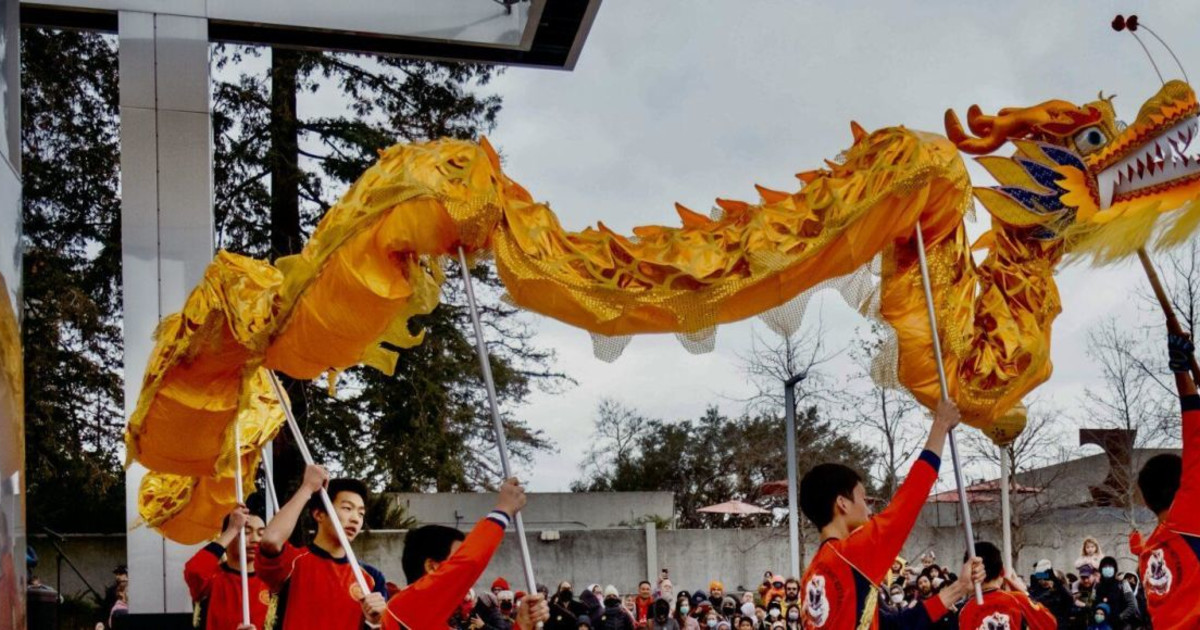
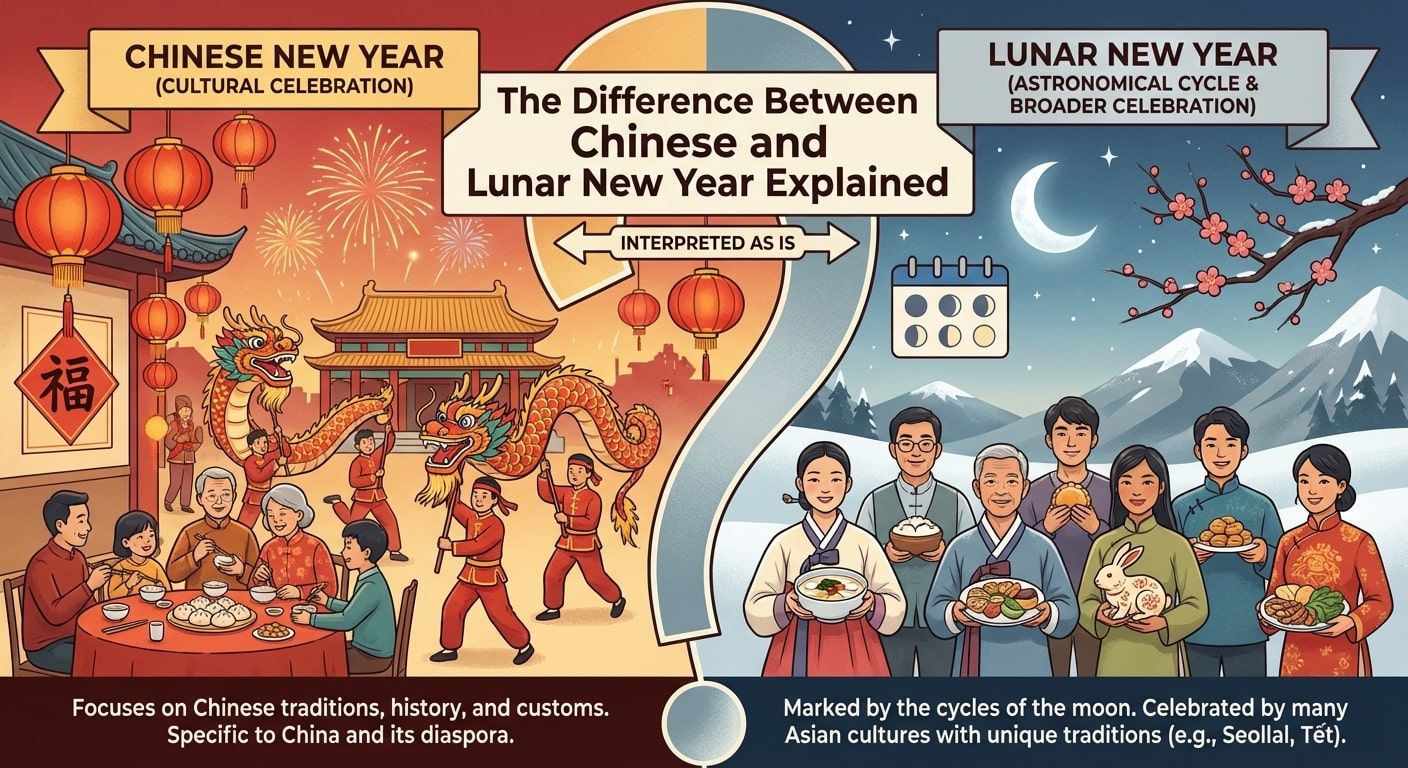
The 1989 Lunar New Year marked the beginning of the Year of the Snake, specifically the Earth Snake, commencing on February 6, 1989. This traditional East Asian festival brings families together for ancestral reverence, reunion feasts, and cultural customs designed to invite prosperity and ward off misfortune for the coming year.
Historical Context and Astronomical Timing of the 1989 Lunar New Year
Understanding the 1989 Lunar New Year requires examining the lunisolar calendar system, which dictates the timing of the celebration each year. Unlike the Gregorian calendar, which relies entirely on the Earth's revolution around the Sun, the traditional Chinese calendar incorporates both lunar phases and solar terms.
The Date of the 1989 Celebration
In 1989, the Lunar New Year fell on February 6. This date corresponds to the second new moon after the winter solstice, which typically places the holiday somewhere between January 21 and February 20. The preceding year, 1988, was the Year of the Dragon, and the transition from the dynamic, fiery Dragon to the introspective, strategic Snake marked a significant shift in the cyclical zodiac.
The Earth Snake Element
In traditional Chinese astrology, the twelve zodiac animals are paired with five permanent elements—Wood, Fire, Earth, Metal, and Water—creating a 60-year sexagenary cycle. The year 1989 was governed by the Earth element.
- Personality and Traits Associated with the 1989 Earth Snake: Individuals born in this year were traditionally thought to inherit traits of calmness, organization, intelligence, and deep-thinking capability.
- Cultural Significance of Elements: The Earth element was believed to ground the typically elusive and fast-moving nature of the Snake, rendering those born under this sign more reliable, pragmatic, and steadfast in their professional and personal endeavors.
Traditional Preparations and Customs Preceding New Year's Day
The celebration of the 1989 Lunar New Year did not begin on February 6; rather, it was the culmination of weeks of rigorous preparation, cleaning, and social obligations that began weeks in advance.
Deep Cleaning and House Sweeping
In the days leading up to February 6, 1989, households across communities observing the lunar calendar underwent thorough cleaning. This ritual sweeping and scrubbing symbolized clearing out the bad luck, stagnation, and misfortunes of the previous year (the Year of the Dragon) to make room for incoming prosperity (fu). Crucially, all brooms and cleaning tools were hidden away on New Year's Day itself to prevent accidentally sweeping away newly arrived good fortune.
Decorating with Red and Gold
Homes, shops, and public spaces were adorned with auspicious decorations. The dominant color scheme was vibrant red, symbolizing vitality, happiness, and good luck, accented with gold to represent wealth.
- Fai Chun (Couplets): Calligraphy scrolls featuring auspicious poetry or phrases written in black ink on red paper were pasted on doorframes.
- Paper Cuttings: Intricate red paper designs depicting symbols of longevity, prosperity, and the zodiac snake were applied to windows.
- New Year Paintings: Door gods and protective deities were replaced or refreshed to guard the household.
The Reunion Dinner: The Heart of Lunar New Year Eve
On February 5, 1989—New Year's Eve—families gathered from near and far for the quintessential event of the holiday season: the Reunion Dinner (Nian Fan). This meal carried immense cultural weight, emphasizing family unity, filial piety, and gratitude for the past year's sustenance.
Symbolism of Reunion Dinner Dishes
Every dish served during the reunion feast was carefully chosen for its homophonic or symbolic connection to good fortune. Families ensured that certain foods remained on the table to guarantee abundance that would "overflow" into the new year.
| Dish / Food Item | Symbolic Meaning | Cultural Purpose |
|---|---|---|
| Whole Fish (Yu) | Surplus and abundance | Expresses the wish that every year ends with extra wealth and resources. |
| Jiaozi (Dumplings) | Wealth and family togetherness | Shaped like ancient Chinese ingots, wrapping them signifies sealing in good luck. |
| Nian Gao (Sticky Rice Cake) | Higher status, growth, and progress | The name sounds like "year higher," representing continuous self-improvement. |
| Long Noodles | Longevity | Eaten without cutting to symbolize a long, healthy, and unbroken life. |
Post-Dinner Traditions
Following the meal, families engaged in traditional activities designed to welcome the new day. Many stayed up late into the night—a practice known as shousui—to watch over the elderly and wish them prolonged health. Firecrackers and fireworks were prepared to be detonated at midnight to frighten away evil spirits and the mythical beast Nian.
Core Rituals and Celebrations on New Year's Day
When dawn broke on February 6, 1989, the atmosphere shifted from anticipatory preparation to active celebration, marked by specific etiquette, ancestral veneration, and community festivity.
Greeting Elders and Giving Red Envelopes (Hongbao)
The morning began with younger generations paying respects to their elders, wishing them health and longevity. In return, married adults and elders distributed red envelopes containing crisp, new banknotes to children and unmarried youth.
- The Significance of Money: The money inside (yasui qian) was believed to suppress evil spirits and grant children health and safe passage into the new year.
- Etiquette: Recipients traditionally received the envelope with both hands and bowed slightly, expressing gratitude without opening it immediately in front of the giver.
Ancestral Worship and Temple Visits
Before partaking in the day's festivities, families performed rituals to honor their ancestors. Incense, candles, and offerings of food were placed at household shrines or ancestral halls, expressing gratitude for family lineage and seeking protection. Millions also flocked to local temples to burn the first incense stick of the year (touzhu), praying for peace, health, and academic or professional success in the Year of the Snake.
Taboos and Superstitions Observed During the Festival
To ensure the incoming Year of the Snake remained auspicious, people strictly observed numerous taboos, particularly during the first few days of the lunar calendar. Violating these rules was believed to invite bad luck or financial loss.
- No Sweeping or Taking Out Trash: Doing so on New Year's Day was thought to sweep away or throw out accumulated wealth and good fortune.
- Avoiding Knife Use: Knives and sharp objects were put away to prevent cutting the thread of good luck; all food preparation was completed prior to the holiday.
- Prohibition of Crying and Arguing: Parents refrained from scolding children, and shouting or cursing was strictly forbidden, as harsh words could mar the harmony of the entire year.
- Restricted Hair Washing: Washing hair on the first day was avoided because the word for hair (fa) shares a character root with facai, meaning to become wealthy; washing hair was seen as washing away prosperity.
Frequently Asked Questions
What animal zodiac sign was the 1989 Lunar New Year?
The 1989 Lunar New Year marked the beginning of the Year of the Snake. Specifically, it was the Year of the Earth Snake, which began on February 6, 1989.
What are the main dates associated with the 1989 Lunar New Year celebrations?
While New Year's Day fell on February 6, 1989, the celebrations typically span a 15-day period, culminating with the Lantern Festival. Preparations began weeks earlier, and New Year's Eve was celebrated on February 5, 1989.
Why is the color red so prominent during Lunar New Year?
Red symbolizes fire, vitality, and good fortune in traditional East Asian cultures. According to legend, the color red—along with loud noises from firecrackers—scared away the mythical monster Nian, which terrorized villagers at the end of the year.
What is the significance of the Reunion Dinner?
The Reunion Dinner, held on New Year's Eve, is the most important meal of the year. It brings extended family members together to reinforce family bonds, honor ancestors, and express hopes for unity, prosperity, and health through specially prepared symbolic dishes.
How do red envelopes function in Lunar New Year traditions?
Red envelopes (hongbao) contain money given by elders to children and unmarried younger family members. They represent the transfer of fortune, blessings, and the suppression of evil spirits to ensure safe and prosperous development throughout the year.
Summary and Reflection on Historical Celebrations
The 1989 Lunar New Year celebration of the Year of the Snake reflected centuries-old traditions that balanced spiritual reverence with familial connection. By adhering to meticulous preparations, partaking in symbolic reunion feasts, and observing time-honored taboos, communities reinforced cultural identity and shared hopes for prosperity. Exploring these historical practices provides valuable insight into the enduring heritage of the lunisolar calendar and its profound impact on social cohesion.